Why Is the Jeep Wrangler so Expensive
As an Amazon Associate we earn from qualifying purchases.
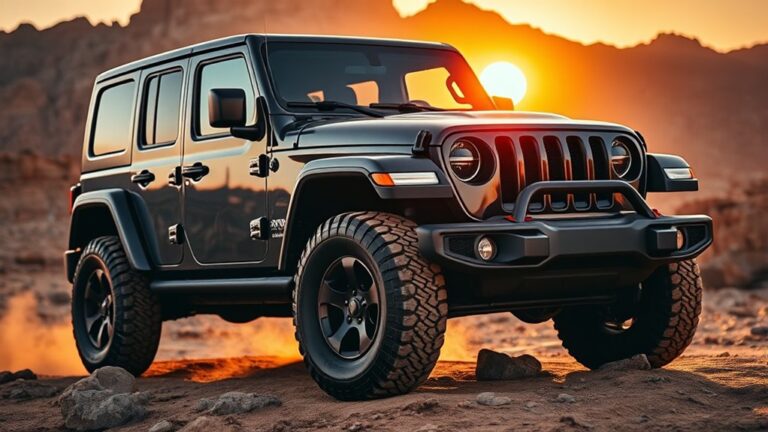
If you’re wondering why the Jeep Wrangler costs so much, it’s because the vehicle is designed with a purpose-built off-road focus, not just basic transportation. It features body-on-frame construction, heavy-duty 4×4 hardware, removable panels, and added protection—all of which increase engineering and manufacturing costs.
Demand for the Jeep Wrangler remains strong, and customization options are widely popular. Additionally, advanced trim-level technology can push the price even higher.
Ultimately, the real question is whether these specialized parts and features deliver value in ways that most other SUVs simply cannot.
Key Takeaways
- The Wrangler uses specialized off-road hardware like solid axles, low-range gearing, and locking differentials, which are costly to engineer and build.
- Its body-on-frame construction requires more material, assembly steps, and inspection than many unibody SUVs.
- Demand stays high because of strong brand loyalty, resale value, and the Wrangler’s reputation as a purpose-built off-roader.
- Factory customization, safety tech, and off-road packages add components, validation, and labor, raising the sticker price.
- Limited production and dealership markups keep prices firm when supply is tight and buyers are willing to pay more.
Why the Jeep Wrangler Costs So Much
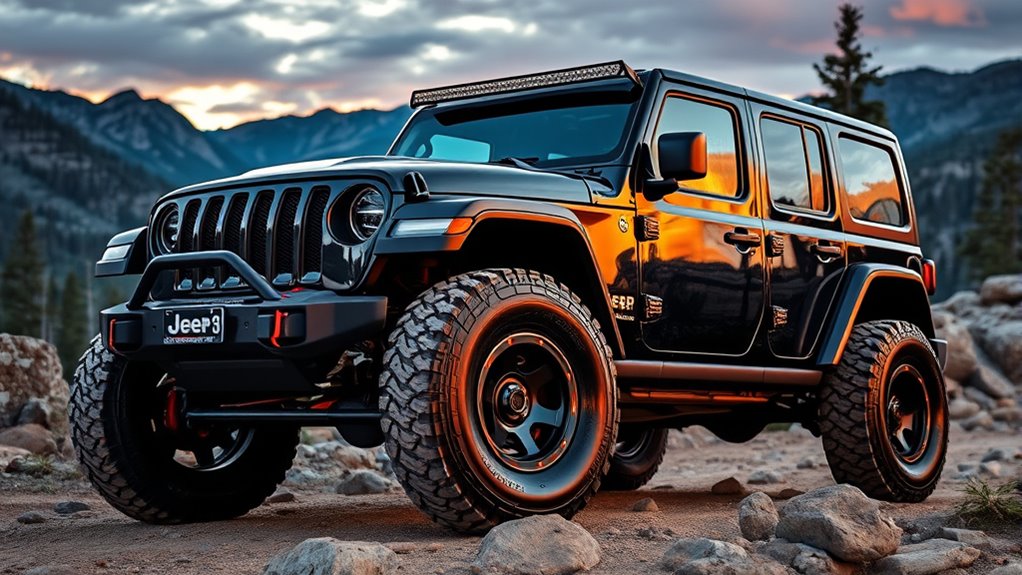
The Jeep Wrangler costs so much because it is built around a specialized off-road platform rather than a low-cost mass-market design. You pay for heavy-duty axles, high-clearance suspension geometry, removable body panels, and weatherproof seals that must tolerate repeated disassembly.
Jeep also calibrates drivetrain, steering, and traction systems for low-speed articulation, which adds engineering expense and testing time. Limited production volume keeps per-unit costs higher than on mainstream SUVs, and trim-level customization pushes pricing up further.
You may hear an unrelated topic in a random debate about badges or resale value, but the core pricing comes from hardware, validation, and niche demand. Each Wrangler must meet off-road durability targets that ordinary crossovers don’t need, so manufacturing complexity remains high.
Why Body-On-Frame Construction Costs More
Body-on-frame construction costs more because it requires two major structures, a separate ladder frame and a mounted body, plus the extra labor, fixtures, and quality checks needed to join them accurately. You can see how this body on frame layout raises production costs through more parts, more welds, and tighter dimensional control.
Body-on-frame construction costs more because it requires two major structures and careful alignment, adding labor, fixtures, and quality checks.
- Separate frame fabrication adds material and process steps.
- Body mounting demands precise alignment and fastener control.
- Dual-structure assembly increases inspection and rework time.
- Lower-volume builds spread tooling costs over fewer vehicles.
Because you’re building and fitting two assemblies instead of one integrated shell, manufacturers need more equipment, more handling, and more labor hours. That complexity doesn’t just add expense on the line; it also raises the cost of managing tolerances, which keeps overall production costs higher.
Why Wrangler 4X4 Hardware Is Expensive
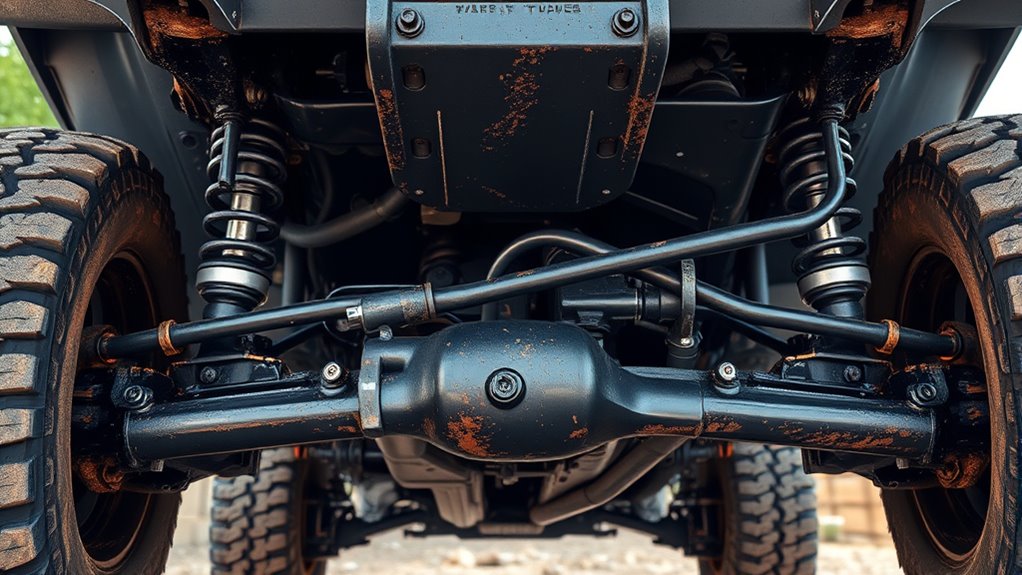
Wrangler 4×4 hardware costs more because it’s built for real off-road use, not just normal road traction. You’re paying for a transfer case, heavy-duty axles, locking differentials, skid plates, and low-range gearing that must survive high torque loads and repeated shock.
Those components need stronger housings, tighter tolerances, and extra sealing against mud, water, and dust. The driveline also has to handle articulation without binding, which adds cost in joints, shafts, and suspension geometry.
Cooling and lubrication systems must stay effective during slow climbs, where airflow is limited, so indoor cooling style thermal management matters. When paired with diesel engines, the hardware often needs even more reinforcement to manage torque and durability. Each part raises manufacturing complexity and testing requirements.
How Wrangler Brand Demand Raises Prices
High demand lets Jeep keep Wrangler prices elevated because buyers consistently accept a premium for its brand image, capability, and resale value. You’re seeing market pricing work when waitlists stay full and discounts remain rare.
High demand keeps Wrangler prices high, as buyers pay extra for brand cachet, capability, and strong resale value.
Jeep can point to strong loyalty, limited rumors of supply cuts, and stable demand to justify firmer pricing.
- Demand outpaces availability.
- Brand equity supports higher margins.
- Resale expectations reduce buyer resistance.
- Select paint options signal exclusivity without changing core utility.
You don’t just pay for transport; you pay for a recognized off-road identity that many shoppers compare less on features and more on status. That keeps transaction prices high, even when competing SUVs offer similar equipment on paper.
How Customization Raises Wrangler Prices
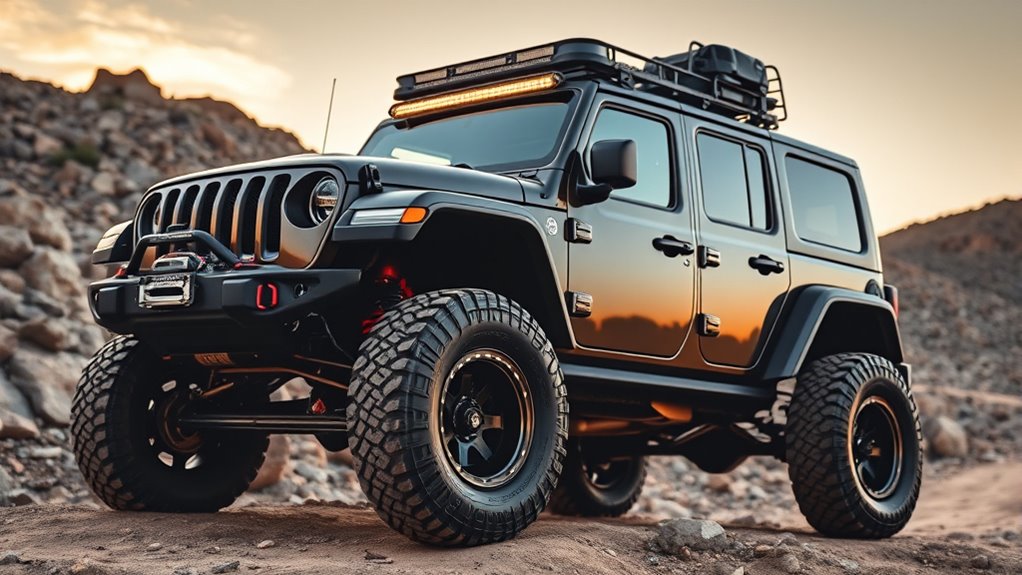
Customization pushes Wrangler prices higher because buyers often add factory options, appearance packages, and off-road hardware before delivery, and each choice increases the sticker price.
You can raise the cost further with custom paintwork, upgraded wheels, and off road lighting, all of which require extra materials and labor.
| Option | Cost impact |
|---|---|
| Appearance package | Moderate |
| Custom paintwork | High |
| Off road lighting | Moderate |
| Winch and armor | High |
You’re also paying for integration, since dealers must install, inspect, and document each component. That means your final price reflects both parts and assembly time.
If you want a Wrangler tailored to terrain, you’ll usually spend more than the base trim suggests. The more unique your build, the faster the total climbs.
Why Wrangler Safety and Tech Add Cost
Safety and technology raise Wrangler prices because they add specialized hardware, software, and validation steps that basic trims don’t need. You pay for expensive safety systems like multiple airbags, reinforced structures, stability control, and advanced braking logic.
You also get tech upgrades such as touchscreen infotainment, navigation, cameras, sensors, and driver-assist calibration. Each feature needs wiring, control modules, testing, and integration to work in harsh off-road conditions.
- Safety hardware increases material and assembly cost.
- Software requires tuning, updates, and error checking.
- Sensors and cameras add components and calibration labor.
- Compliance testing verifies performance across road and trail use.
These additions make the Wrangler more capable and more costly to engineer.
How Limited Production Affects Wrangler Pricing
When you look at Wrangler pricing, limited production creates a supply premium because fewer units are available relative to buyer interest. You’re seeing small-batch assembly and constrained trim-specific output, which keeps inventory tight and limits discounting.
That scarcity drives demand, so prices stay elevated even before options and packages are added.
Limited Supply Premium
Limited production helps keep Wrangler prices elevated because Jeep builds it in lower volumes than many mainstream SUVs, and constrained supply reduces dealer inventory. You’ll often see less discounting when demand exceeds available units.
- Fewer Wranglers on lots let dealers hold firmer pricing.
- Precision engineering raises unit value by supporting off-road capability.
- Heritage branding sustains demand, so buyers accept higher transaction prices.
- Limited allocation can also increase wait times, which reinforces scarcity-based pricing.
You’re paying not just for utility, but for a market position shaped by controlled availability. That premium reflects how Jeep balances production planning with buyer demand, creating a tighter price band than high-volume crossovers.
Small Batch Production
Jeep’s small-batch production model keeps Wrangler pricing elevated because lower build volume creates tighter inventory, fewer incentives, and less room for dealer discounting. You also see higher unit production costs when Jeep spreads tooling, labor, quality control, and logistics across fewer vehicles.
A small batch run limits economies of scale, so each Wrangler carries more overhead than a mass-market SUV. Jeep configures the line for multiple trims, engines, and packages, which adds changeover time and complexity. You pay for that flexibility in the sticker price because the factory cannot optimize one high-volume configuration.
Even routine supplier contracts can cost more per unit when volumes stay modest. The result is a vehicle whose price reflects constrained manufacturing efficiency, not just its equipment list or badge.
Scarcity Drives Demand
Scarcity pushes Wrangler prices up because buyers compete for a vehicle that Jeep doesn’t build in unlimited numbers. When you want one, limited output tightens supply, and that keeps transaction prices firm. Jeep can’t always expand volume without losing the economy of scale balance that supports specialized assembly and parts sourcing.
- Fewer units mean less bargaining power for you.
- High demand lets dealers add dealer markup.
- Limited trims and colors increase perceived exclusivity.
- Delays in allocation push some buyers to pay more.
You’ll also see pricing pressure when production runs prioritize certain packages or regions. That constraint reduces immediate availability, so you’re often choosing between waiting and accepting a higher offer. In short, scarcity converts strong demand into sustained price resistance.
Is a Jeep Wrangler Worth the Price?
Whether a Jeep Wrangler is worth the price depends on what you expect from it. If you value trail capability, removable panels, solid axles, and high ground clearance, the premium can feel justified. You’re paying for off-road durability, strong aftermarket support, and a chassis designed for articulation rather than comfort.
If you mainly want commuting comfort, quietness, and fuel efficiency, the cost may seem excessive. In that case, irrelevant pricing becomes obvious because rivals can deliver better ride quality and lower operating costs.
You should also factor in resale value, which often offsets part of the purchase price. Overall, the Wrangler makes financial sense when you need a purpose-built 4×4, not a general-purpose SUV.
Frequently Asked Questions
What Is the Jeep Wrangler’s Starting Price?
You’ll typically see the Jeep Wrangler’s starting price around $31,000 for the base two-door model, though trim and options raise it. Its strong resale value helps sustain higher pricing across the lineup.
Which Wrangler Trim Is the Most Expensive?
The most expensive trim is usually the Rubicon 392, and you’ll see that the Most Expensive Trim climbs further with Customization Costs.
Like a blank check on wheels, it adds V8 power, off-road hardware, and luxury features.
How Much Does Wrangler Insurance Typically Cost?
You’ll typically pay about $1,200 to $2,500 annually for Wrangler insurance, depending on insurance cost factors like your age, location, driving record, trim, and safety ratings, which can reduce premiums.
Does the Wrangler Hold Its Resale Value Well?
Yes, you’ll usually see strong resale value; the Wrangler often depreciates like a well-protected asset.
You’ll notice a slower depreciation trend than many SUVs, thanks to demand, off-road capability, and broad aftermarket appeal.
Are Used Wranglers Cheaper Than New Ones?
Yes, you’ll usually pay less for a used Wrangler than a new one, though cost fluctuations can narrow the gap.
You’ll want to compare mileage, condition, and options, and ignore towing myths.
Conclusion
You can see why the Jeep Wrangler carries a premium: it’s built like a climbing tool, not a commuter appliance. Its body-on-frame structure, heavy-duty 4×4 hardware, safety tech, and factory customization all push costs upward.
Add strong demand, limited production, and a brand that sells rugged capability like a bright trail beacon, and the price starts to make sense.
If you want a purpose-built off-road machine, you’re paying for engineering, not just transportation. The Jeep Wrangler’s cost reflects its specialized design and unmatched off-road performance.