What Jeep Wrangler Years to Avoid
As an Amazon Associate we earn from qualifying purchases.
If you’re shopping for a Jeep Wrangler, you’ll want to watch certain years closely. Early JK models, especially 2007 and 2008, tend to bring more transmission, electrical, and steering complaints.
Meanwhile, 2012 has its own engine concerns. Some later models can still show clutch, leak, and suspension issues, so a clean appearance isn’t enough.
The key years to avoid aren’t always the ones you’d expect.
Key Takeaways
- Avoid early JK models, especially 2007 and 2008, due to frequent transmission, electrical, and steering complaints.
- Be cautious with 2012 Wranglers, which are often linked to engine-related problems and cooling-system issues.
- Older JK and early JL years commonly report death wobble, worn suspension parts, and steering instability.
- Transmission and clutch failures, plus rough shifting, appear in several older Wrangler model years.
- Check for leaking tops, seals, and electrical glitches, and prioritize service records and recall completion.
Jeep Wrangler Years to Avoid
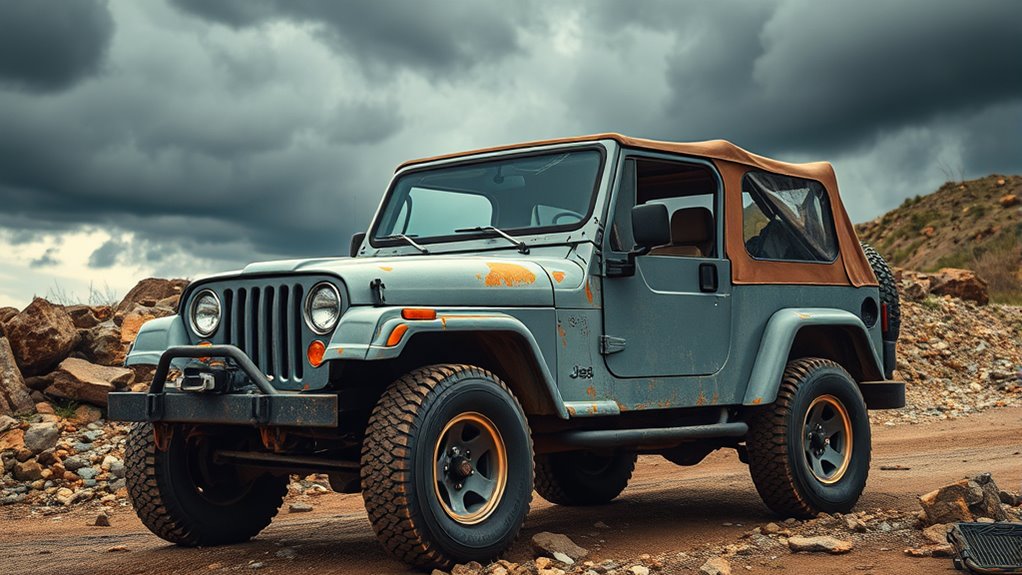
If you’re shopping for a Jeep Wrangler, you’ll want to watch out for certain model years that have a higher number of reported issues. You should pay close attention to early JK models, especially 2007 and 2008, because owners have reported more transmission, electrical, and steering complaints.
You may also want to be cautious with some 2012 Wranglers, which drew criticism for engine-related problems. When you compare listings, check service records, recall completion, and ownership history rather than relying on mileage alone.
Poor gas mileage is common across the lineup, but some years can add extra repair costs that outweigh the tradeoff. If you plan modifications, consider aftermarket reliability too, since a troublesome base vehicle can complicate upgrades and long-term ownership.
Why These Wrangler Years Are Risky
These Wrangler years are risky because recurring complaints often point to weak spots in the drivetrain, steering, and electrical systems. When you buy one, you may face higher repair costs, more downtime, and less confidence on the road or trail.
That matters if you need reliable towing, because unstable performance can reduce consistency under load. It also matters if you plan aftermarket mods, since a marginal factory baseline can make upgrades harder to trust or tune.
Even when a Jeep looks well kept, repeated model-year issues can signal design or quality-control problems rather than simple wear. You’re better off comparing service history, recall coverage, and ownership reports before you commit. A lower price doesn’t help if the vehicle keeps demanding attention later.
Worst Jeep Wrangler Problems by Year
When you compare Jeep Wrangler model years, the worst problems usually cluster around a few repeat trouble spots: death wobble and steering instability, transmission or clutch failures, leaking tops and seals, and electrical glitches.
Wrangler trouble tends to repeat: death wobble, transmission issues, leaking seals, and frustrating electrical glitches.
You’ll often see these issues in older JK and early JL models, where worn suspension parts can trigger shaking, roof seals can fail, and dash electronics may act up.
If you’re shopping used, check service records and inspect the steering linkage, hardtop fit, and wiring carefully. Some trims with rare colors or old navigation systems can look appealing, but cosmetic appeal doesn’t offset mechanical risk.
Focus on documented repairs, not badges or options. In many cases, a well-kept higher-mileage Wrangler is safer than a neglected low-mileage example.
Wrangler Engine and Transmission Issues
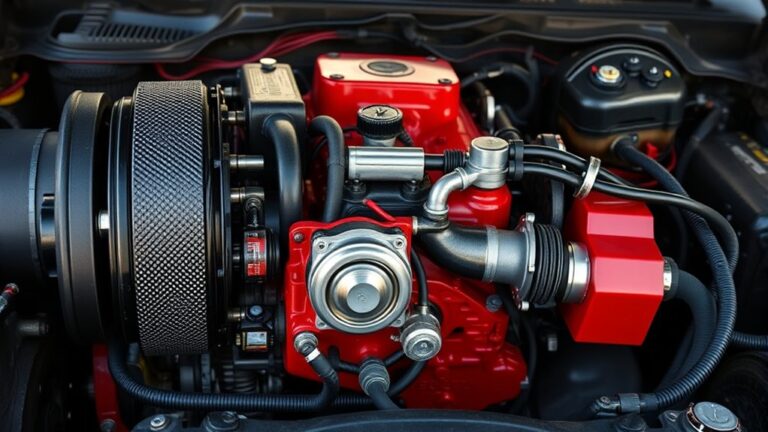
When you’re evaluating Wrangler years to avoid, engine and transmission reliability should be a top concern. You may run into common engine failures, rough or delayed transmission shifts, and other drivability issues that can affect long-term ownership costs.
Watch for warning signs like unusual noises, fluid leaks, slipping gears, or hard shifting during a test drive.
Common Engine Failures
Some Wrangler years are best avoided because engine and transmission problems can turn ownership into a costly hassle. When you’re shopping, watch for common engine failures that stem from weak engine design, oil leaks, cooling system faults, and misfires that hurt fuel economy. You can reduce risk by checking service records and confirming recall work.
- Inspect for persistent oil seepage around valve covers and seals.
- Look for overheating signs, coolant loss, or radiator damage.
- Listen for rough idle, ticking, or misfire codes.
- Verify compression tests and maintenance history before you buy.
If you notice these issues, you may face expensive repairs and lower reliability. A careful pre-purchase inspection helps you avoid a Wrangler that’s more trouble than it’s worth.
Transmission Shift Problems
Transmission shift problems can make a Wrangler feel unreliable, especially in years with worn clutches, failing solenoids, or poorly functioning automatics. You may notice delayed engagement, harsh gear changes, or hunting between gears, all of which reduce transmission reliability.
In daily driving, these issues can make the Jeep feel less responsive and harder to predict. Off road drawbacks become more serious when the transmission doesn’t hold gear properly on steep climbs or when crawling over rough terrain. You also lose confidence in throttle control, which matters when traction is limited.
While some repairs are straightforward, repeated shifting issues often point to broader drivetrain concerns. If you’re comparing model years, poor shifting should weigh heavily in your decision, since it can affect both comfort and capability.
Warning Signs To Watch
How do you spot engine or transmission trouble in a Wrangler before it turns into a major repair? Watch for rough idling, delayed acceleration, slipping gears, and unusual noises. You may also notice a check-engine light, burned fluid smell, or shaking during shifts.
These signs often point to worn components, low fluid, or deeper mechanical damage.
- Hard starts or stalling when cold
- Erratic RPMs while driving
- Leaks under the vehicle
- Jerking, grinding, or shuddering during gear changes
If you see these symptoms, inspect the Jeep quickly and get a diagnostic scan. Don’t turn this into an unrelated topic or off topic discussion; stay focused on engine and transmission health.
Catching problems early can help you avoid costly breakdowns and identify Wrangler years that deserve extra caution.
Best Jeep Wrangler Years to Buy
If you want the best Jeep Wrangler years to buy, focus on models with proven reliability, strong resale value, and fewer major complaints. You’ll often get better results with later JK and JL years, plus well-kept TJ examples.
Use avoidance strategies to skip trims with repeat transmission or electrical issues. Check maintenance timing so you’re not buying overdue service.
| Year range | Why it stands out |
|---|---|
| 2004-2006 TJ | Strong demand, simpler design |
| 2012-2018 JK | Improved refinement, broad parts support |
| 2019-2024 JL | Better tech, better ride |
| 2020-2024 4xe | Efficient, if service records are solid |
You should prioritize models with consistent ownership histories and factory updates. Choose the newest clean example your budget supports.
How to Inspect a Used Jeep Wrangler
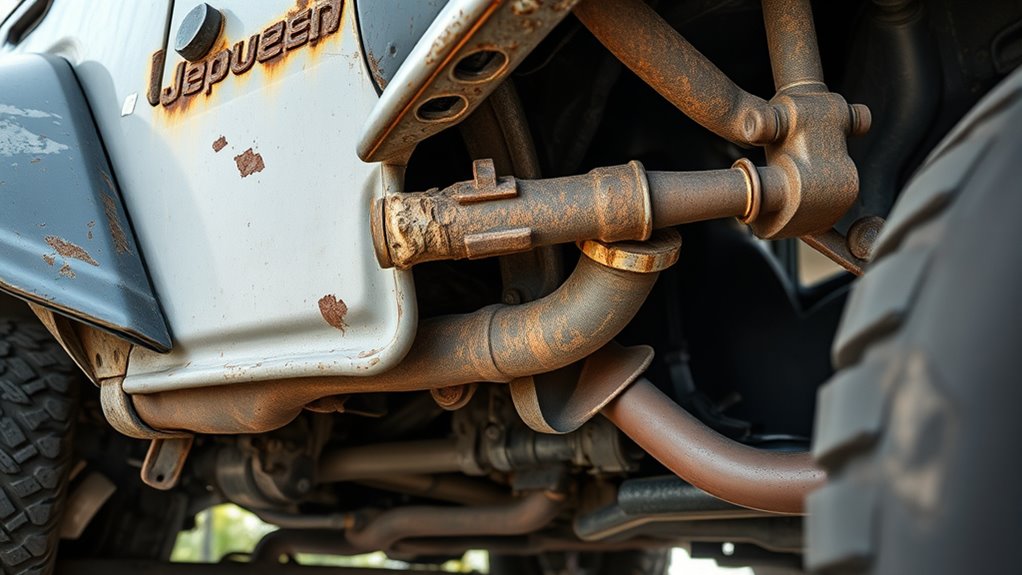
When you inspect a used Jeep Wrangler, start by checking the frame for rust, especially around welds, mounts, and underbody seams. You should also test the suspension for worn bushings, sagging springs, and loose steering components. These checks help you spot costly issues before you buy.
Inspect Frame Rust
A thorough frame-rust check should be one of the first things you do on a used Jeep Wrangler, especially on older or trail-driven models. You should use a flashlight and inspect the frame rails, welds, skid-plate mounts, and rear crossmember for scaling, flaking, or soft spots. Tap suspect areas with a screwdriver; solid metal sounds sharp, while rust-thinned sections may flex or crumble.
- Look for bubbling paint.
- Check seams and drain holes.
- Note patch plates or welds.
- Compare both sides for damage.
During your frame inspection, focus on avoiding rust by spotting fresh undercoating that may hide corrosion. If you see heavy pitting, holes, or layered repairs, treat it as a warning sign and factor repair costs into your decision.
Check Suspension Wear
Next, check the suspension for wear by looking at the control arms, bushings, ball joints, shocks, springs, and steering components for looseness, cracking, leaking fluid, or uneven wear. You should also test for clunks, wandering, or vibration during a short drive, since those symptoms often point to suspension wear.
| Component | What to look for |
|---|---|
| Bushings | Cracks, play, or dry rot |
| Shocks and springs | Leaks, sagging, or uneven stance |
| Ball joints and steering | Looseness, noise, or uneven tire wear |
These issues can signal reliability concerns and lead to higher repair costs. If the Jeep sits unevenly or the tires wear on one edge, ask for service records and inspection results before you buy.
Frequently Asked Questions
How Often Should a Jeep Wrangler’s Differential Fluid Be Changed?
You should change your Jeep Wrangler’s differential fluid every 30,000 to 60,000 miles, or sooner if you tow, ford water, or off-road often.
Fresh fluid reduces abrasive wear and supports transmission longevity.
What Tire Size Fits a Stock Jeep Wrangler Best?
You’ll usually fit 255/75R17 or 32×11.5R17 on a stock Wrangler. Tight clearances, clean stance; tire fitment depends on trim and wheel offset.
Check your stock Wrangler’s door placard for exact factory sizing.
Can a Wrangler Be Flat-Towed Behind an RV?
Yes, you can flat-tow many Wrangler models behind an RV if you follow Jeep’s guidelines and use the proper transfer-case setting.
You’ll keep your Jeep wrap and off road stance intact, unlike other vehicles.
Which Wrangler Trim Holds Resale Value Best?
You’ll usually see the Rubicon hold the best resale value, almost by accident and design. Its off-road hardware, strong Jeep Wrangler reliability, and broad demand keep resale value high when you decide to sell later.
How Much Does Jeep Wrangler Insurance Usually Cost?
You’ll usually pay about $1,300 to $2,500 a year for Jeep Wrangler insurance, depending on your driving record, location, and model.
Good Jeep maintenance and off road safety features can help keep rates lower.
Conclusion
When you shop for a Jeep Wrangler, you should skip the shaky years and stay sharp for signs of trouble. Early JK models, especially 2007–2008, and 2012 Wranglers can bring drivetrain, electrical, steering, and engine headaches.
You’ll make a smarter choice by checking service records, recalls, and a thorough inspection. If you spot wobble, wear, leaks, or lazy shifting, walk away.
A careful, confident choice can save you costly repairs when buying a Jeep Wrangler.