What Year Did the Jeep Gladiator Come Out
As an Amazon Associate we earn from qualifying purchases.
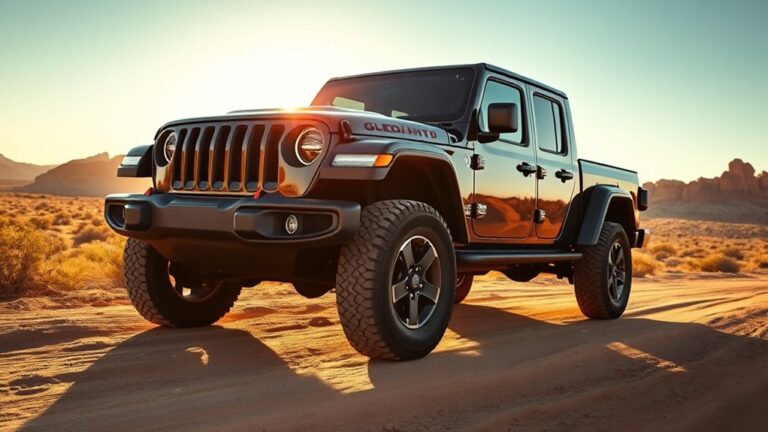
If you think the Jeep Gladiator first came out in 2019, you’re only partly right. The Jeep Gladiator name actually dates back to 1962, when Jeep launched the original full-size Gladiator pickup.
Jeep then revived the Gladiator for the modern market in 2019, releasing it as a 2020 model year truck. This split history changes how you judge the truck’s place in Jeep’s lineup.
There’s more behind why the Gladiator name returned, reflecting both heritage and modern demand.
Key Takeaways
- The original Jeep Gladiator debuted in 1962 as a full-size pickup truck.
- Production of the original Gladiator ended in 1988.
- Jeep revived the Gladiator nameplate in 2019.
- The modern Jeep Gladiator entered the Jeep lineup for the 2020 model year.
- If asking about the current model, the Jeep Gladiator came out in 2019, with 2020 model-year availability.
When Did the Jeep Gladiator First Debut?
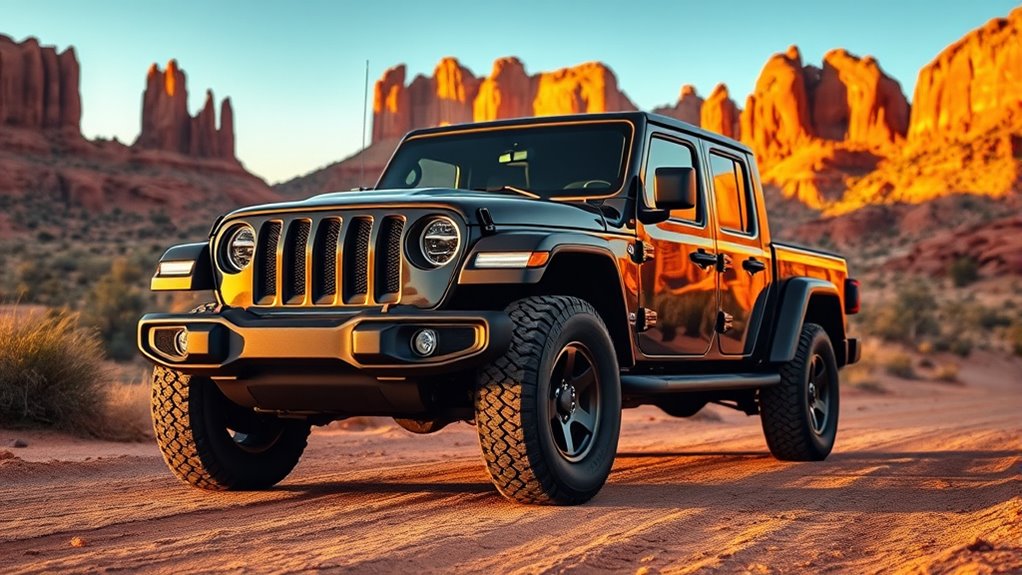
The Jeep Gladiator first debuted in 1962 as a full-size pickup truck based on the Jeep Wagoneer platform. If you’re tracing the model’s start, that year marks Jeep’s move into a civilian truck with strong utility and familiar ruggedness.
You can see how its off-road history began early, because Jeep designed it for work, towing, and uneven terrain rather than comfort alone. Its design evolution reflected changing truck needs, with updates to styling, powertrains, and body configurations over time.
You’ll also notice the Gladiator name later returned on a modern midsize pickup, linking today’s model to its original roots. That debut year matters because it establishes the brand’s long-running approach to durability, capability, and practical use.
What Was the Original Jeep Gladiator?
Introduced in 1962, the original Jeep Gladiator was a full-size pickup built on Jeep’s Wagoneer-based platform, combining a truck bed with the brand’s familiar 4×4 capability. You’d see it as Jeep’s answer to buyers who wanted utility, payload, and off-road traction in one package.
Early versions offered rear- or four-wheel drive, inline-six and V8 engines, and body styles that fit work and recreation. Its squared-off cab, long bed, and rugged chassis defined the model’s gladiator heritage.
When you look at vintage models, you notice a truck engineered for durability rather than comfort alone. That original Gladiator helped establish a nameplate that later enthusiasts still connect with Jeep’s early full-size truck era and practical design.
Why Did Jeep Stop Building the Gladiator?
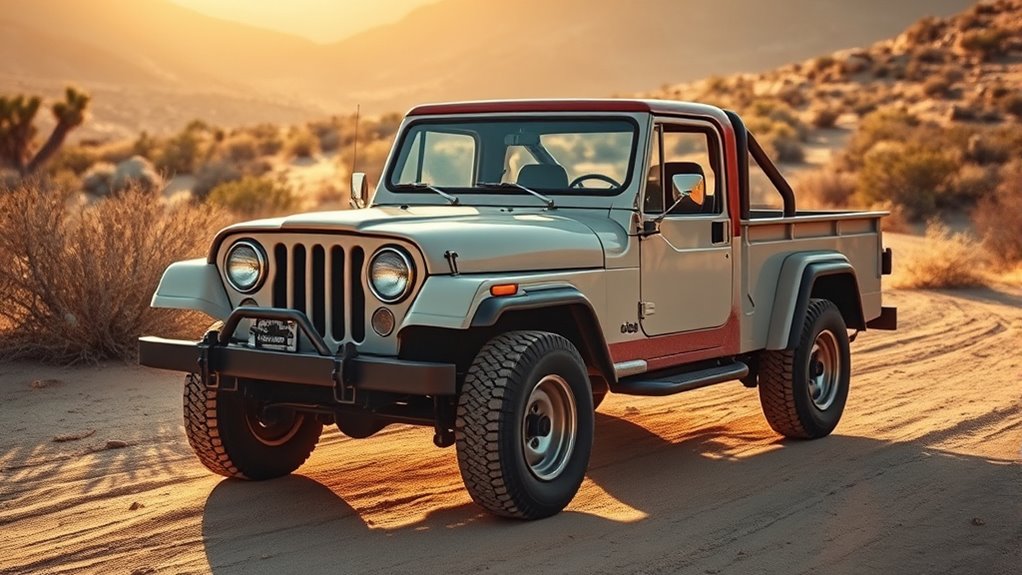
Jeep stopped building the original Gladiator in 1988 because the full-size pickup had become less competitive and no longer fit the brand’s shifting priorities. You can see the decision as a response to changing truck buyers, tighter corporate focus, and rising costs.
The model still sparked gladiator nostalgia, but Jeep needed to concentrate on vehicles with broader demand and stronger identity.
| Factor | Impact |
|---|---|
| Market pressure | Sales weakened |
| Brand strategy | Focus shifted |
| Legacy value | Preserved interest |
That separation didn’t erase its appeal; it simply paused it. For you, the key point is that Jeep let the name rest until a later jeep revival could make sense again.
When Did the Modern Gladiator Return?
The modern Jeep Gladiator returned in 2019, marking its debut at the Los Angeles Auto Show. You could see it rejoin Jeep’s lineup as a midsize pickup with Jeep’s off-road focus.
That 2019 launch brought the Gladiator name back after decades away.
2019 Debut
At last, the modern Jeep Gladiator returned in 2019, when Jeep officially revealed the midsize pickup at the Los Angeles Auto Show. You could see Jeep tapping nostalgia trends while also responding to marketing shifts toward lifestyle pickups.
The debut gave you a body-on-frame truck with unmistakable Jeep styling, a removable roof and doors, and serious off-road hardware. Jeep positioned it as a fresh nameplate, not a retro novelty, so you got a vehicle aimed at buyers who wanted utility without losing trail capability.
The 2019 reveal marked the first modern Gladiator shown to the public, and it set up the truck’s arrival in showrooms soon after. If you tracked Jeep’s lineup then, you knew this was the brand’s long-awaited return to the pickup segment.
Return To Jeep Lineup
After a long absence, the Gladiator rejoined Jeep’s lineup for the 2020 model year, making it the brand’s first pickup in decades. If you wanted a Jeep truck with real trail ability, you finally got one. Jeep built it on the Wrangler platform, so you could still expect removable doors, a fold-down windshield, and strong off road gear.
- 2020 marked the modern return
- Wrangler-based design boosted capability
- New pickup utility added practicality
You also got a five-foot bed, useful towing numbers, and choices that balanced daily use with rugged work. Jeep tuned the Gladiator for adventure, but you should still note that fuel economy wasn’t its strongest trait. Even so, the return gave you a true Jeep pickup with modern safety, tech, and trail-ready character.
How Has the Jeep Gladiator Changed Over the Years?
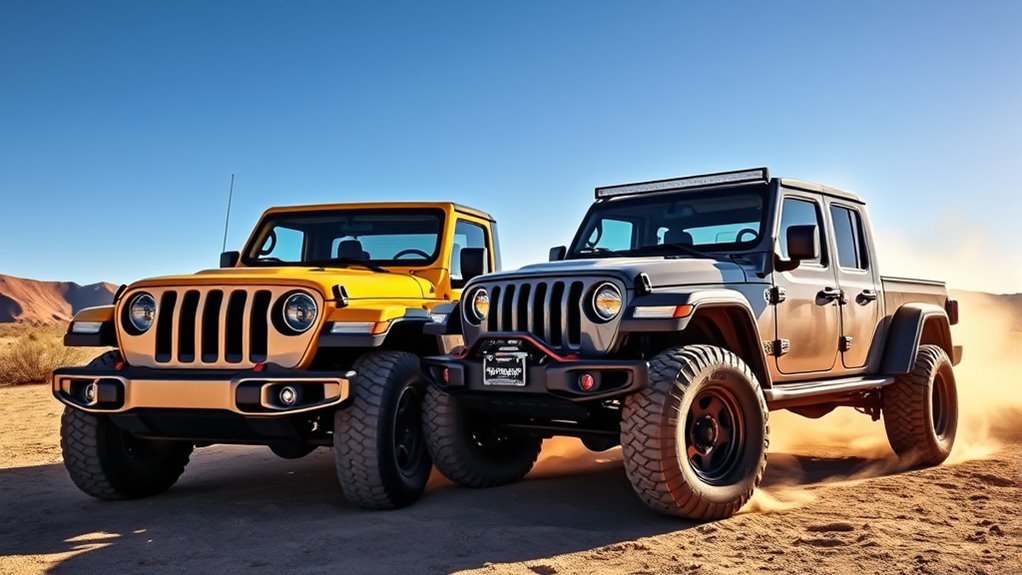
Over the years, the Jeep Gladiator has evolved from a rugged, military-inspired pickup into a more refined midsize truck with modern tech and comfort features. You now get a cabin with better materials, improved infotainment, and more safety equipment than older Jeep trucks offered.
Jeep also refined ride quality, so you’ll notice better cruising comfort on pavement without giving up off-road capability. The truck’s powertrains and gearing have been tuned for broader use, helping balance towing, trail driving, and daily commuting.
At the same time, fuel economy remains a key tradeoff because the Gladiator still prioritizes four-wheel-drive hardware and strong performance. Design updates have also added more trim choices, convenience features, and driver-focused controls, making it easier for you to use every day.
Why Did Jeep Revive the Gladiator in 2019?
Jeep revived the Gladiator in 2019 to tap into strong demand for midsize trucks while leaning on the brand’s off-road reputation. You got a pickup that filled a gap in Jeep’s lineup and broadened its sales reach. The timing also matched growing interest in versatile trucks with open-bed utility.
Jeep revived the Gladiator in 2019 to meet midsize truck demand and expand its lineup.
- It let Jeep compete with established midsize rivals.
- It helped the brand use Wrangler-based engineering efficiently.
- It gave buyers a truck with clear identity and utility.
Jeep also knew gladiator pricing could attract shoppers cross-shopping Jeep and truck brands. At the same time, fuel economy mattered because you wanted a practical daily driver, not just a weekend toy. The revival made business sense, and it kept Jeep relevant in a crowded market.
What Makes the Jeep Gladiator Stand Out?
The Jeep Gladiator stands out because you get serious off-road capability in a midsize pickup built for rough terrain. You also can remove the roof and doors, so you get an open-air driving experience that most trucks don’t offer.
Together, those features make it one of the most distinctive vehicles in its class.
Off-Road Capability
When you take the Gladiator off pavement, its Jeep roots show up fast: solid axle construction, high ground clearance, available 4×4 systems, and short overhangs help it crawl over rocks, ruts, and uneven trails with confidence.
You’ll notice how it balances off-road vs on-road behavior better than many midsize trucks, though it still leans toward trail performance. The tradeoff is fuel efficiency vs power, because the hardware that boosts traction can reduce mileage, but it also improves control when terrain gets rough.
- Locking differentials help you maintain grip.
- Low-range gearing gives you precise slow-speed control.
- Skid plates protect key components from damage.
If you want a truck that works hard off pavement, the Gladiator delivers disciplined capability, not just appearance.
Open-Air Design
What really sets the Gladiator apart is its open-air setup, which lets you remove the roof, take out the doors, and fold down the windshield for a more exposed, Jeep-style driving experience. You get the kind of flexibility that makes weekend driving feel different from a typical pickup.
The removable panels and detachable doors also strengthen its off road aesthetics, giving you a rugged look that matches its trail-ready purpose. Inside, you still benefit from practical usability, so the design isn’t just for show.
Even with multiple engine choices, the Gladiator keeps that unmistakable open-air identity. If you want a truck that combines utility with classic Jeep character, this feature is one of the main reasons it stands out.
Is the Jeep Gladiator Worth Buying Today?
Absolutely, if you need a midsize pickup that blends off-road capability, open-air freedom, and Jeep character, the Gladiator can still be worth buying today. It’s especially appealing if you want a truck with a unique gladiator revival story and an open air design that sets it apart from rivals. You get solid towing, strong trail hardware, and removable roof and doors.
- Choose it for adventure-first use
- Expect less road comfort than some pickups
- Compare trim prices and payload needs
If you value personality and capability more than refinement, it makes sense. If you want the quietest ride, highest payload, or best fuel economy, you should look elsewhere.
Frequently Asked Questions
What Engine Did the First Jeep Gladiator Use?
You’d find the first Jeep Gladiator used Jeep’s 230-cubic-inch “Tornado” inline-six, giving you solid torque in early gladiator history.
Later engine options varied, but that overhead-cam six powered the original truck.
How Much Could the Original Gladiator Tow?
You’ll see the original Gladiator’s towing capability depended on engine options, but you’re typically looking at about 4,000 to 8,000 pounds with Gladiator towing packages. The theory’s visual is a rugged, heavy-duty pickup.
Was the Gladiator Always Built as a Pickup?
No, you’ll find the Gladiator wasn’t always a pickup; Jeep originally used the name on earlier trucks and later revived it for a modern midsize pickup. This change affected Gladiator pricing and off-road upgrades.
Which Countries Sold the Jeep Gladiator First?
You’d likely see the Jeep Gladiator’s first appearance in the United States, then Canada, as Jeep drove market expansion abroad.
For example, a dealer in Texas might’ve received it before any European showroom did.
Does the Gladiator Share Parts With the Wrangler?
Yes, you’ll find significant parts sharing with the Wrangler, especially the frame, suspension, and many interior components.
Gladiator compatibility is strong for accessories, but some bed and wheelbase parts won’t interchange directly.
Conclusion
So, if you’re asking what year the Jeep Gladiator came out, the answer is 1962 for the original truck and 2019 for the modern revival. You can think of it like a nameplate crossing a desert: it first roared in as a rugged full-size pickup, then reemerged decades later as a trail-ready midsize hauler.
Either way, the Gladiator’s story is built on grit, reinvention, and open-air adventure that keeps turning heads. The Jeep Gladiator continues to embody the spirit of toughness and versatility that fans have loved since it first came out.