Where Is the Jeep Wrangler Built
As an Amazon Associate we earn from qualifying purchases.
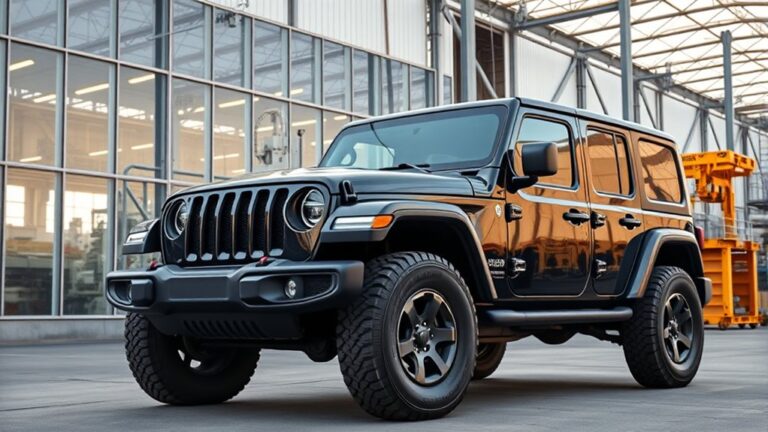
If you’re trying to pinpoint where a Jeep Wrangler is built, the main answer is Stellantis’ Toledo Assembly Complex in Toledo, Ohio. This plant handles most North American Wrangler production, including both two-door and four-door models. VIN and factory codes can confirm the exact assembly site.
But that’s only part of the story. Trim allocation, inspection, and export preparation can change how each Wrangler is completed, adding more complexity to the production process.
Key Takeaways
- The Jeep Wrangler is primarily built in Toledo, Ohio, at the Stellantis Toledo Assembly Complex.
- Toledo is Jeep’s main North American Wrangler assembly site and handles two-door and four-door models.
- Build location can vary for export or regional versions, so the VIN and window sticker give the most accurate origin details.
- The same Toledo plant can produce multiple trims, including Sport, Sahara, Rubicon, and special editions.
- Wrangler production uses a controlled assembly process with repeated quality checks at the plant before final completion.
Where Is the Jeep Wrangler Built?
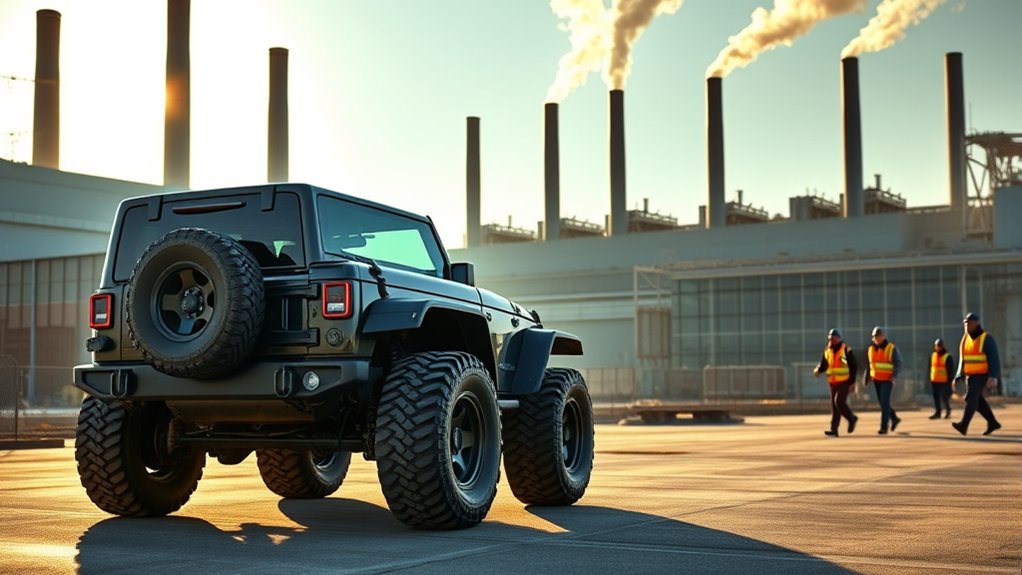
The Jeep Wrangler is built primarily in Toledo, Ohio, at the Stellantis Toledo Assembly Complex. You’ll also find production tied to a tightly controlled assembly process that uses body, chassis, powertrain, and trim integration on a single line.
This plant handles both two-door and four-door configurations, so you can trace most retail units to this site. If you’re evaluating origin, you should treat Toledo as the main North American source, while verifying build data on your vehicle’s label or VIN.
Jeep’s marketing strategy emphasizes rugged heritage, and that message aligns with centralized assembly and consistent specifications. Engine reliability depends more on the exact powertrain and maintenance history than on plant location alone.
Why Toledo Still Builds the Wrangler
Toledo still builds the Wrangler because the plant combines decades of Jeep-specific tooling, skilled labor, and a production layout that supports body-on-frame assembly with tight quality control. You benefit from a site that Chrysler and Stellantis have refined around Wrangler dimensions, supplier access, and durable manufacturing routines.
Toledo history matters because the city has supported Jeep production for generations, so the workforce knows the platform’s tolerances and service requirements. That experience helps the company keep output stable while adapting to model updates.
Jeep plant tours also reinforce the factory’s value: you can see how the operation links heritage, logistics, and repeatable build standards. In short, Toledo remains the right place because its infrastructure matches the Wrangler’s demands.
What Happens on the Wrangler Assembly Line
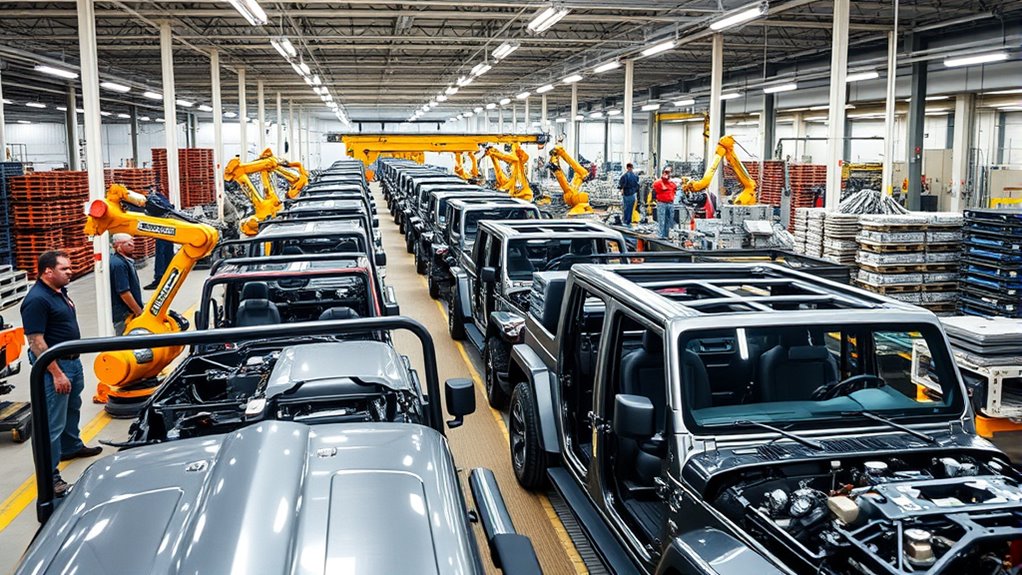
On the Wrangler assembly line, you can see the frame and body come together in a controlled sequence. Workers and automated systems align major components, fasten them, and move each unit through key build stages.
Before a vehicle leaves the line, it goes through a final inspection to verify fit, function, and build quality.
Frame And Body Assembly
Inside the Wrangler assembly plant, the frame starts its journey as a bare steel structure that’s positioned, aligned, and prepared for downstream installation. You can trace chassis stamping parts into the line, where robotic fixtures weld and locate the body components with tight dimensional control.
Technicians then mate the frame with major body sections, using precision jigs to hold alignment while fasteners and welds lock each module in place. Engine assembly components arrive separately and join the vehicle later in sequence, after the structure is secured.
You’ll see repeated quality checks for gap, fit, and attachment accuracy during each station. This stage builds the Wrangler’s core structure, creating the foundation for drivetrain, suspension, and exterior systems without unnecessary movement or rework.
Final Inspection Process
Before a Jeep Wrangler leaves the line, inspectors run a final series of checks to verify build quality, safety, and functional readiness. You’ll see technicians review panel gaps, torque marks, fluid levels, electrical operation, and fastener integrity.
They also confirm that doors, hood, tailgate, lights, wipers, and driver controls work as specified. A short road test or roller test can expose brake, steering, drivetrain, and noise issues before release.
Any defect triggers rework, documentation, and traceability back to the station that introduced it. This process supports engineered durability by catching variation early and confirming that supplier coordination held every component to spec.
Only after the vehicle passes every checkpoint does it move to shipping.
Which Wrangler Trims Come From Which Plant
Wrangler trim allocation has generally been centralized rather than split across many plants, so you usually won’t find one trim tied to one exclusive factory. You should think in terms of trimming logistics, not hard trim-to-plant boundaries.
Jeep typically assigns Wrangler production by assembly schedule, and the same plant can build Sport, Sahara, Rubicon, and special-edition variants in the same cycle. That flexibility lets the line handle engine sourcing, body configuration, and option mixes without moving each trim to a separate site.
When you compare VIN data or build records, you’ll usually see the plant code identifying the assembly location, while the trim level simply reflects how that unit was ordered. In practice, you track availability by production run, not by a fixed trim and factory map.
How Build Location Affects Wrangler Features
Build location can affect which features you see on a Wrangler because each assembly plant follows its own supply chain, sequencing, and option-content constraints. You may notice differences in available packages, trim combinations, or accessory timing when plants manage parts through separate supplier integration networks.
Location diversity also matters: a plant’s regional sourcing and logistics can influence how quickly it receives specific components, so certain configurations may appear at one site before another. You shouldn’t read this as a performance gap; it’s usually an assembly-planning issue.
If you compare builds, check the window sticker and VIN-specific equipment list, not just the trim name. That’s the most accurate way to see how factory location shapes the feature set you get on your Wrangler.
What Wrangler Build Quality Depends On
What Wrangler build quality depends on more than the assembly plant alone. You should assess assembly quality, supplier relations, and Jeep branding standards, because they shape fit, finish, and durability. Part tolerances, weld consistency, paint application, and fastener control matter more than the badge on the line.
Regional logistics also influence quality by affecting parts availability, shipping damage risk, and production timing. When suppliers miss specs, your Wrangler can leave the factory with uneven gaps or premature wear points.
Environmental impact matters too, since humidity, temperature, and contamination can alter materials and coatings during assembly. If you later choose aftermarket replacements, you can improve or reduce reliability depending on part quality and installation.
How Wrangler Build Sites Have Changed Over Time
Over time, Jeep has shifted Wrangler production to match market demand, platform updates, and manufacturing strategy. You can trace its build sites through successive production milestones, from earlier assembly arrangements to today’s concentrated lines.
Jeep has moved tooling, reworked factory logistics, and rebalanced capacity as body styles, powertrains, and supplier flow changed.
- You see production rationalized around core assembly plants.
- You notice line changes tied to redesigns and model refreshes.
- You track logistics adjustments when volume spikes or drops.
- You recognize milestone years when manufacturing methods improved.
These changes didn’t alter the Wrangler’s identity; they optimized throughput, quality control, and scheduling. If you follow the build history, you’ll see a pattern of strategic consolidation rather than random relocation.
Where Wranglers Are Built for Global Markets
Where do Wranglers go for overseas buyers? You’ll usually find them assembled in Stellantis plants that serve export regions, with final routing based on market rules, emissions specs, and right-hand-drive demand.
In practice, you’re looking at production in North America for many global units, then shipment to foreign distributors. Those plants run shared body shops, framing milestones, and stamping lines that match the same core Wrangler architecture, while regional content can change.
If you buy in Europe, Asia, or the Middle East, you may see locally adapted equipment, lighting, or safety calibrations. The build location doesn’t always match the sales region, but the factory code and VIN tell you where yours was completed, inspected, and prepared for international delivery.
Frequently Asked Questions
Does Jeep Build Any Wrangler Parts Outside the United States?
Yes, you’ll find some Wrangler components from a worldwide supply chain, and certain non US assembly operations may source parts abroad. But Jeep’s final Wrangler assembly for North American models is typically U.S.-based.
Can I Tell My Wrangler’s Plant From the VIN?
Yes, you can often infer it, like reading a fingerprint in steel. Use Jeep plant identification through VIN decoding, but expect vin decoding challenges: some characters vary by model year, so you’ll need a decoder.
Are Wrangler Hybrid Models Built in the Same Factory?
Yes, you’ll usually find Wrangler hybrid models built in the same factory as other Wranglers.
Where is the Jeep Wrangler built? You can check VIN plant codes. Are Wrangler hybrid models built in the same factory? Usually, yes.
Which Country Receives the Most Wranglers Each Year?
You’d find the U.S. receives the most Wranglers each year; truck imports, VIN decoding, and sales data all point there. You can verify this through customs records, market registrations, and Jeep distribution figures.
Do Special Edition Wranglers Come From a Different Assembly Line?
Usually, you don’t get a separate assembly line; special edition Wranglers use the same line with different trim, software, and parts.
Your production discussion may involve line balancing and option content.
Conclusion
You can trace a Jeep Wrangler’s roots to Stellantis’ Toledo Assembly Complex in Ohio, where most North American Wranglers are built. You’ll also find the build location reflected in the VIN, window sticker, and factory codes. From trim allocation to final inspection, the plant’s role shapes the vehicle you receive.
In short, the Wrangler’s birthplace isn’t just a detail—it’s the blueprint, the backbone, and the badge of its production story. Understanding where a Jeep Wrangler is built adds depth to appreciating this iconic vehicle.