What Is My Jeep Worth
As an Amazon Associate we earn from qualifying purchases.
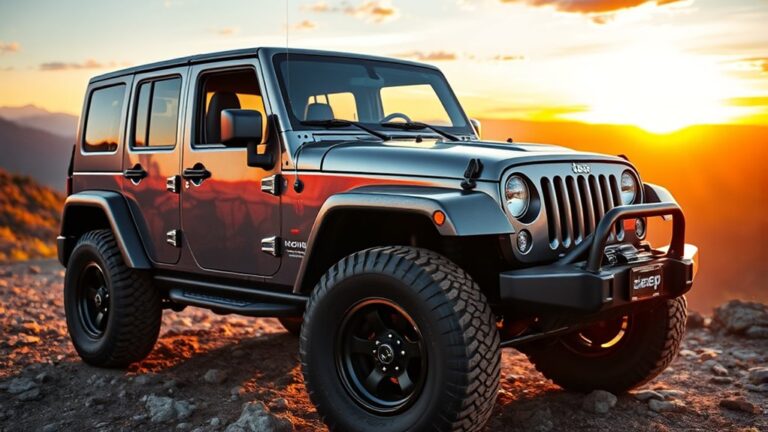
Jeep values can swing by thousands of dollars even within the same model year, so understanding what is my Jeep worth is crucial for an accurate estimate. You’ll get the best value by weighing factors like year, mileage, trim, drivetrain, condition, and local demand against current sale data.
Cosmetic wear matters less than mechanical issues, but records, accidents, title history, and modifications can shift the price fast. The real question is which factors are helping your Jeep right now—and which ones are quietly lowering it.
Key Takeaways
- Jeep worth depends on year, mileage, condition, trim, drivetrain, local demand, and recent sale prices for similar models.
- Wrangler and Gladiator usually hold value best because of strong demand, off-road appeal, and desirable features.
- Lower mileage, clean body and frame, good tires, and strong mechanical condition generally increase asking price.
- Service records, accident history, title status, and documented maintenance can raise confidence and support a higher valuation.
- Quality, reversible modifications may help, but excessive changes can lower value. Spring and summer often bring better prices.
What Is My Jeep Worth?
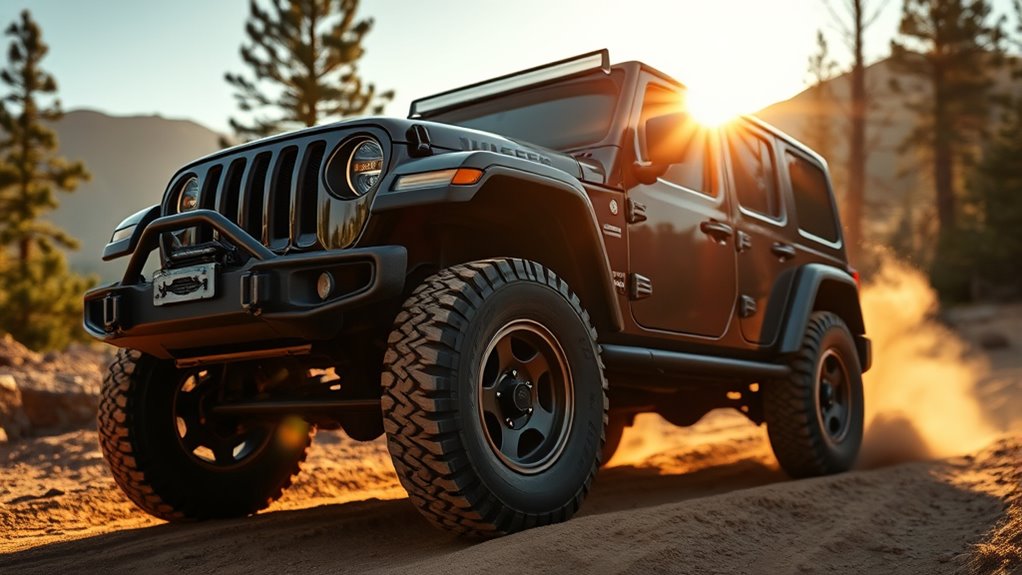
What is your Jeep worth? You determine it by weighing year, mileage, condition, trim, drivetrain, and local demand, then comparing those details against current sale data and appraisal tools.
You should separate cosmetic wear from mechanical issues, because buyers price each factor differently. Market volatility can shift values quickly, so recent listings matter more than older guides.
Check private-party, trade-in, and dealer-retail figures, since each benchmark reflects a different transaction type. You’ll also want to document maintenance and avoid disclosure pitfalls by reporting accidents, title issues, or modifications accurately.
If you omit facts, you can distort the estimate and face lower offers later. A careful, evidence-based review gives you the clearest answer.
Which Jeep Models Hold Their Value Best?
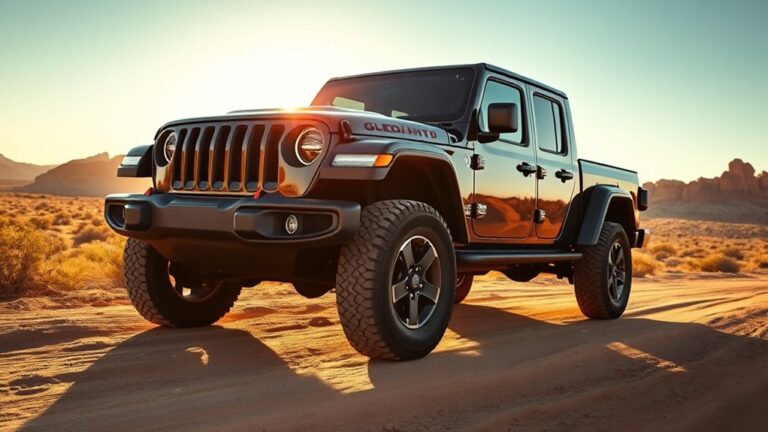
If you’re asking what your Jeep is worth, the Wrangler usually stands out because strong demand, broad aftermarket support, and proven off-road appeal help it retain value well.
You’ll also find that the Gladiator holds up strongly, especially when mileage stays reasonable and trim levels match buyer demand. These two models often lead Jeep resale rankings, so they give you a useful benchmark for pricing your vehicle.
Wrangler Resale Strength
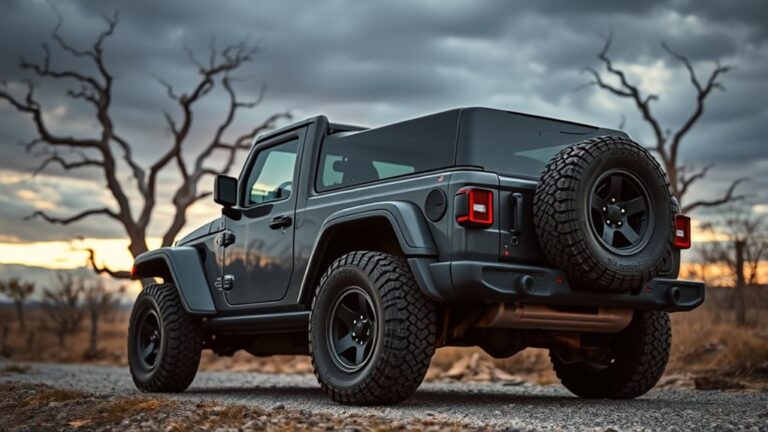
The Jeep Wrangler typically leads Jeep’s resale rankings because buyers keep returning to its classic styling, removable doors and roof, and strong off-road reputation. You’ll usually see stronger trade-in offers when demand stays high and supply stays tight.
Jeep value myths often suggest every trim depreciates the same, but resale price drivers vary by condition, mileage, options, and accident history.
- Manuals and 4×4 systems can attract more shoppers.
- Clean records and original equipment support pricing.
- Popular colors and well-kept interiors help curb depreciation.
- Lower mileage usually improves buyer confidence.
If you’re comparing models, the Wrangler often outperforms other Jeep nameplates because its image stays consistent and widely desirable.
Gladiator Value Retention
Right behind the Wrangler, the Jeep Gladiator often stands out for strong value retention because it blends pickup utility with Jeep’s off-road image. You’ll usually see solid Gladiator resale when your truck has lower mileage, four-wheel drive, and well-kept trim packages.
Market demand stays healthy because buyers want towing, open-air features, and trail capability in one vehicle. Jeep depreciation on the Gladiator tends to run slower than on many midsize pickups, especially for Rubicon and Mojave models that offer stronger off-road hardware.
Still, condition matters: accident history, worn interiors, and heavy modifications can cut price quickly. If you keep maintenance records and choose popular options, you’re more likely to protect resale value over time.
How Does Mileage Affect Jeep Value?
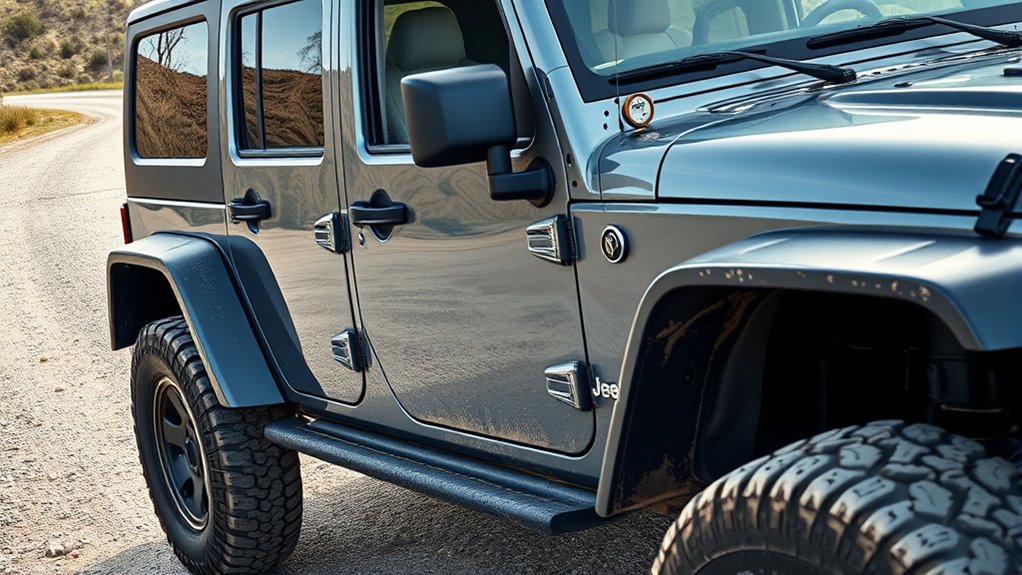
Mileage affects Jeep value because it gives buyers and appraisers a quick indicator of wear, remaining lifespan, and expected maintenance needs. You’ll usually see stronger mileage impact on older Jeeps, where each extra mile can increase resale depreciation more noticeably. Lower mileage often supports a higher asking price because it suggests less use and fewer future costs.
- Compare your Jeep’s miles with similar model years.
- Check how annual mileage stacks up against typical use.
- Expect higher miles to reduce market demand.
- Use mileage trends to gauge pricing pressure.
You can’t judge value by mileage alone, but it remains one of the clearest pricing signals. When you’re estimating worth, treat it as a measurable factor that buyers weigh early and consistently.
What Jeep Condition Factors Matter Most?
How much your Jeep is worth depends heavily on condition, because buyers and appraisers quickly compare visible wear, mechanical health, and signs of neglect. You should assess the body, frame, interior, tires, and service records, since each one shifts value in a measurable way.
| Factor | Effect |
|---|---|
| Paint and rust | Signals upkeep |
| Frame damage | Reduces confidence |
| Engine performance | Supports pricing |
| Interior wear | Shows usage |
| Rollover safety | Affects trust |
Clean panels, straight gaps, and dry undercarriage areas usually help. Poor brakes, fluid leaks, or warning lights hurt more than cosmetic flaws. Cargo capacity matters too, because damaged seats or trim suggest harder use. Overall, you’ll get the clearest estimate when condition data is consistent, current, and easy to verify.
How Do Modifications Affect Jeep Value?
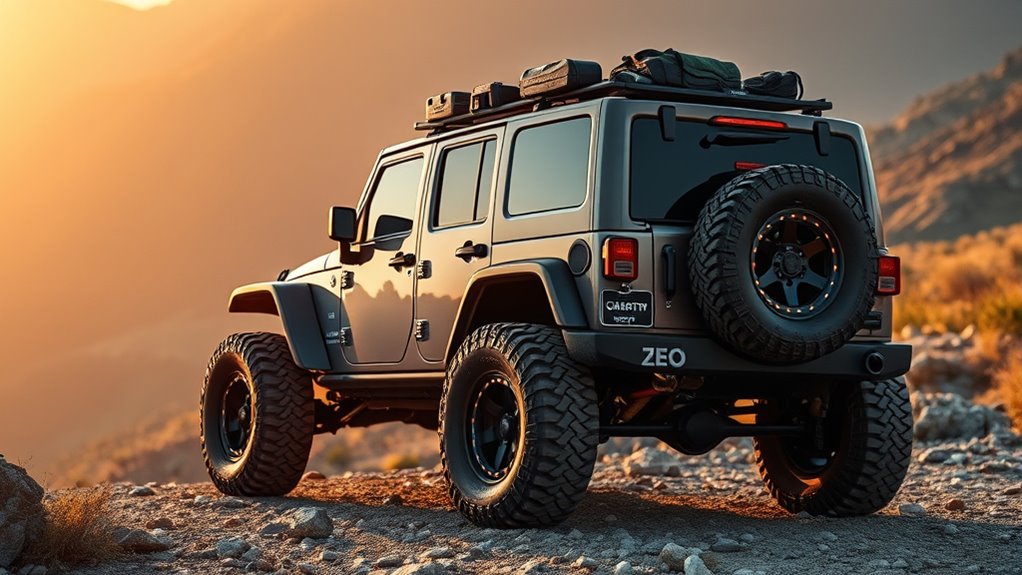
Modifications can either raise or lower your Jeep’s value, depending on what buyers see as useful, reversible, and professionally installed. You should judge each change by its effect on resale, not personal taste. The right upgrades can strengthen appeal, but the wrong ones can narrow your market and hurt (modifications impact) value.
- Quality matters: clean installation supports credibility.
- Reversibility helps: buyers often prefer stock options.
- Purpose matters: practical parts can support (off road) pricing.
- Excess hurts: extreme styling can limit demand.
You’ll usually get better returns from suspension, tires, lighting, and protection than from cosmetic changes alone. Keep receipts, document labor, and note stock parts you can restore later. That record helps buyers evaluate worth and reduces uncertainty during appraisal.
When Is Jeep Demand Highest?
Jeep demand usually peaks in spring and early summer, when buyers start planning road trips, off-road season, and warm-weather driving. You can often expect stronger interest and firmer prices during those months.
You’ll also see seasonal spikes around tax refund season, Memorial Day, and the start of summer vacations, when shoppers feel more ready to buy.
High demand often holds for Wranglers and other open-air models because buyers want vehicles they can use right away. In contrast, demand can soften in late fall and winter, especially in colder regions where top-down driving and trail use slow down.
If you’re tracking market timing, compare listings across several months, since regional weather, school schedules, and local events can shift demand patterns.
How Can I Estimate My Jeep Value?
To estimate your Jeep’s value, start by comparing it with recent sales of similar models, trims, model years, mileage, condition, and location. Then adjust for options, accident history, and aftermarket changes, since each factor shifts your money value. Use trusted pricing guides, classified listings, and auction data to cross-check ranges and reduce bias.
Compare recent Jeep sales by trim, mileage, condition, and location, then adjust for options and history.
- Verify trim and drivetrain.
- Note mileage and wear.
- Compare local market prices.
- Review dealer tradeoffs against private-sale data.
Next, narrow your estimate by separating cosmetic issues from mechanical ones; buyers price them differently. If your Jeep has rare features or strong service records, you can justify a higher figure. If it shows heavy use, discount it conservatively. This method gives you a realistic value range, not a guess.
How Do I Get the Best Jeep Offer?
To get the best Jeep offer, you should clean and detail your vehicle so its condition presents well in person and in photos. You should also gather service records, since documented maintenance helps prove how well you’ve cared for it.
Together, these steps can support a stronger offer by reducing uncertainty for the buyer.
Clean And Detail Jeep
A clean, well-detailed Jeep can help you get a stronger offer because buyers and appraisers often judge condition before they look deeper at mileage or trim. You should present a clean jeep with obvious care, since first impressions influence pricing quickly. Focus on areas that show wear and use:
- Wash and wax the exterior.
- Vacuum carpets and seats.
- Clean glass, plastics, and trim.
- Remove stains, odors, and clutter.
This detailing impact signals that you’ve maintained the vehicle consistently, not just cosmetically. It also reduces the chance that a buyer will discount your Jeep for avoidable neglect. When the cabin, paint, and wheels look well kept, your Jeep appears more desirable, and the offer can reflect that condition advantage.
Gather Service Records
Next, gather your service records because documented maintenance can justify a stronger Jeep offer by proving how well the vehicle has been cared for. You should collect oil changes, tire rotations, brake work, fluid flushes, and any major repairs, then organize them chronologically.
When you can show consistent maintenance, buyers can verify reliability instead of guessing. This also helps with tracking ownership history, since receipts and dealership invoices reveal how often the Jeep changed hands and whether previous owners followed the schedule.
If you’ve kept parts lists or warranty claims, include those too. A complete file reduces uncertainty, supports your asking price, and gives buyers less room to negotiate downward. Present clear, dated records to make your Jeep’s condition easier to assess.
Frequently Asked Questions
Does Jeep Color Affect Resale Value?
Yes, Jeep color can affect resale value. You’ll usually see a color impact from neutral shades like black, white, and gray, which often hold stronger resale value, while bold colors may narrow buyer appeal.
Are Jeep Special Editions Worth More?
Yes, you’ll often see higher prices for Jeep special editions, especially if they’ve got special editions features, low mileage, and rare colors.
You’ll still need to compare condition, trim, demand, and modifications before valuing it.
How Do Accidents Impact Jeep Pricing?
Accidents can delight pricing only in nightmares; you’ll usually see lower resale. Your Jeep’s accident impact depends on severity, repair quality, airbag deployment, and frame damage.
Even minor claims can create measurable pricing impact.
Is Selling Privately Better Than Trading In?
Yes, selling privately usually nets you more than trading in, since you set the price. In a trade-in comparison, you trade convenience and speed for lower offers, fees, and less negotiation leverage.
Do Jeep Lease Returns Sell for Less?
Yes, Jeep lease returns usually sell for less because lease returns often have higher mileage and stricter depreciation.
You’ll see lower Jeep resale values, especially if lease returns need cosmetic repairs or exceed mileage limits.
Conclusion
So, what’s your Jeep worth? More than your optimism, less than your asking price—unless the market’s in a generous mood. You’ll get the best read by comparing your trim, mileage, condition, mods, and local demand against recent sales, not your memories of “barely driven.”
Keep your records tidy, fix the obvious flaws, and remember: a clean Jeep with a clean history usually outperforms one with a dramatic story. When all is said and done, knowing what is my Jeep worth will help you set a realistic price that attracts serious buyers.