What Is a Jeep Wrangler Jk
As an Amazon Associate we earn from qualifying purchases.
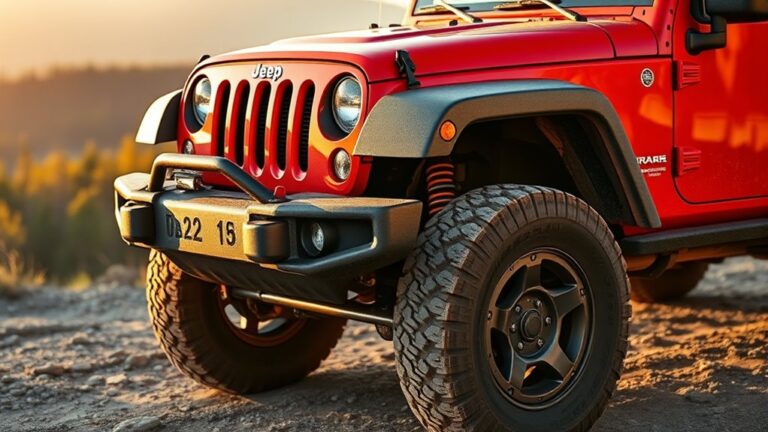
You might not know that the Jeep Wrangler JK is the third generation of the Wrangler, built from 2007 to 2018.
The Jeep Wrangler JK offers a rugged design that appeals to off-road enthusiasts and adventure seekers alike.
If you’re comparing it to other Jeeps, you’ll find body-on-frame construction, solid axles, and two- or four-door layouts that shape how it drives and performs.
Its engine choices and trim levels changed over time, and that’s where the differences start to matter.
Key Takeaways
- The Jeep Wrangler JK is the third-generation Wrangler, produced from 2007 to 2018. It replaced the TJ and kept the Wrangler’s classic body-on-frame, removable-door, fold-down windshield design.
- JK models came as two-door or four-door Unlimited versions, with Sport, Sahara, and Rubicon trims.
- Most JKs used a 3.8-liter V6, while later models offered a 3.6-liter Pentastar V6.
- It blends strong off-road capability with improved comfort, cabin space, and aftermarket upgrade potential.
What Is a Jeep Wrangler JK?
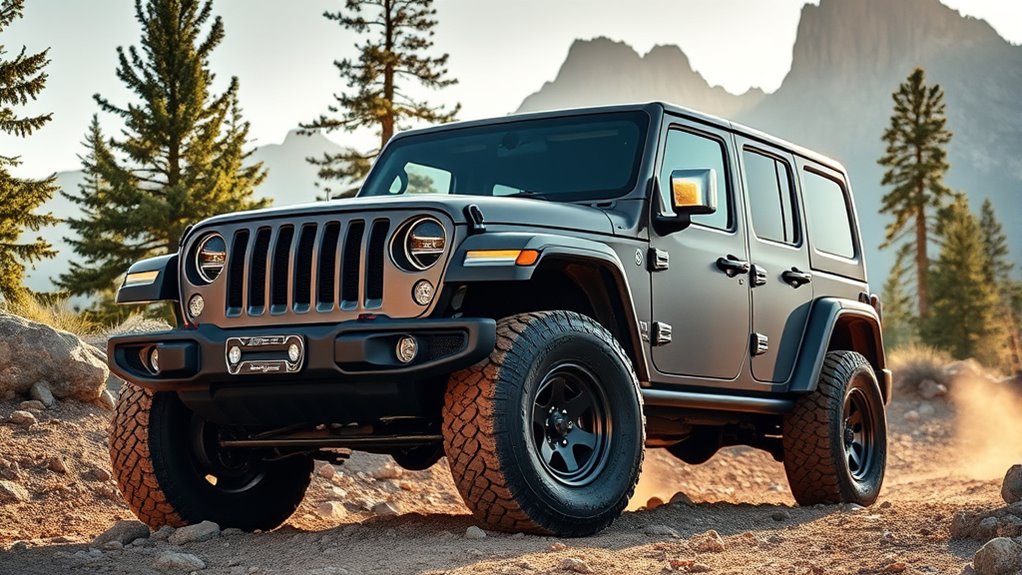
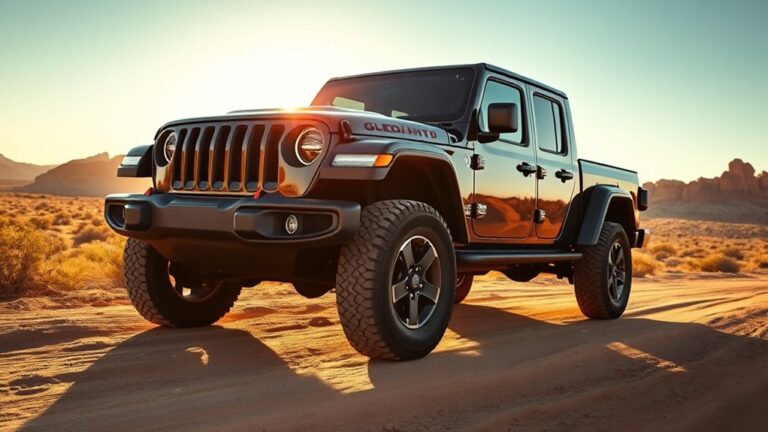
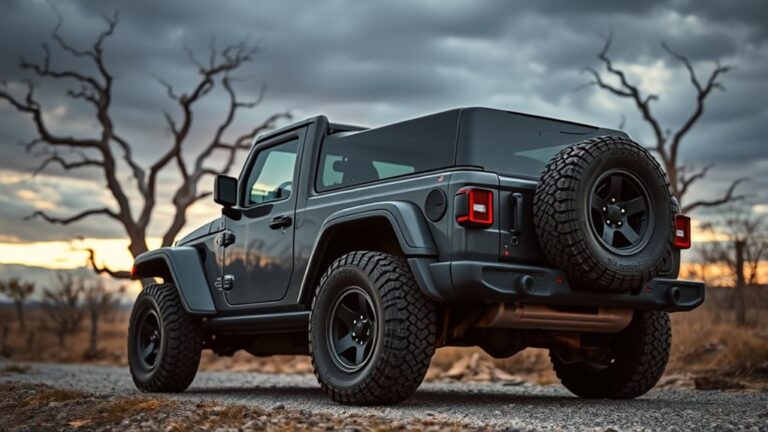
A Jeep Wrangler JK is the third generation of the Wrangler line, sold from the 2007 to 2018 model years, and it’s the version that replaced the TJ. You’re looking at a body-on-frame SUV built for on-road use and off-road capability, with removable doors, a fold-down windshield, and solid axles.
If you compare it with other SUVs, comparative pricing often makes the JK appealing because used examples can cost less than newer Wranglers. You also get broad aftermarket upgrades, so you can tailor suspension, tires, armor, lighting, and storage to your needs.
That flexibility helps you assess value objectively: the JK isn’t just a vehicle, it’s a platform. When you evaluate one, focus on condition, configuration, and how its equipment matches your intended use.
Jeep Wrangler JK History and Model Years
Introduced for the 2007 model year, the Jeep Wrangler JK marked a major update to the Wrangler lineup and remained in production through 2018, spanning both two-door and four-door Unlimited versions. You can track its run across the 2007–2011 early phase and the 2012–2018 refresh, which brought improved power, electronics, and cabin refinement.
Jeep kept the JK’s body-on-frame structure and solid axles, so you still get the core Wrangler formula. Over time, refinements helped improve off road safety without compromising durability. If you compare model years, you’ll notice incremental changes mattered more than wholesale redesigns.
That consistency also supports aftermarket reliability, since parts compatibility stayed strong across most of the generation, making the JK a practical platform for long-term ownership and modification.
JK Trims and Body Styles
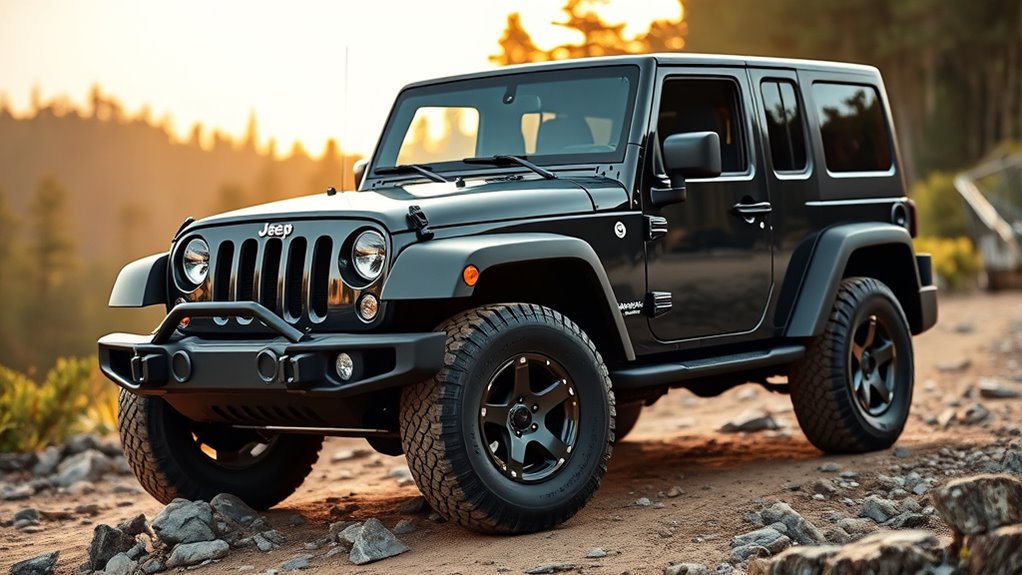
The JK came in several trims and two main body styles, giving you a wide range of setup choices depending on how you planned to use it. You could pick a two-door or four-door Unlimited, then match it with a basic Sport, midlevel Sahara, or more equipped Rubicon. Each trim changed your comfort, appearance, and factory equipment mix.
| Body style | Use case |
|---|---|
| Two-door | Easier to park, shorter wheelbase |
| Four-door Unlimited | More passenger and cargo room |
| wing door with soft tops | Open-air flexibility and simpler seasonal changes |
If you wanted a Wrangler that felt compact, you chose the two-door. If you needed space, you chose the Unlimited. This structure let you tailor the Jeep to your priorities.
JK Engine Specs and Off-Road Features
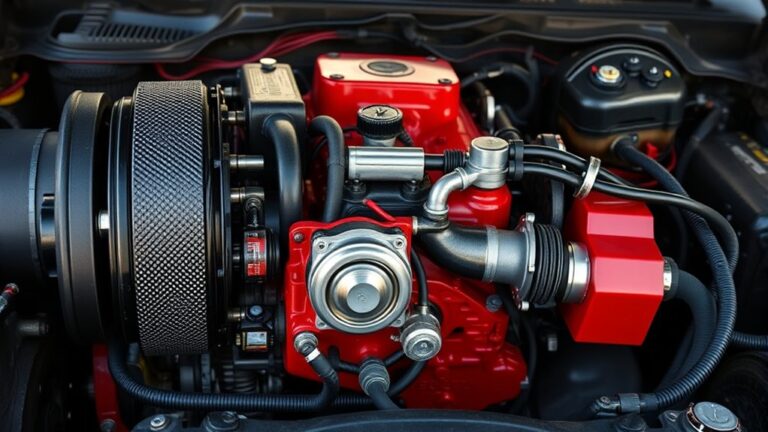
Under the hood, the JK gave you a few engine choices, but most buyers saw the 3.8-liter V6 or, in later models, the 3.6-liter Pentastar V6, paired with manuals or automatics depending on trim and year. You got enough torque for trail work, though engine tuning leaned more toward durability than speed.
Fuel economy wasn’t the JK’s strength, especially with larger tires or frequent stop-and-go driving. Its off road suspension helped you keep articulation and wheel control over rocks, ruts, and uneven climbs.
Skid plates, solid axles, and available locking components improved capability further. Payload capacity stayed modest, so you had to account for gear weight, passengers, and aftermarket additions when you planned overlanding or recovery setups.
JK vs. Other Wrangler Models
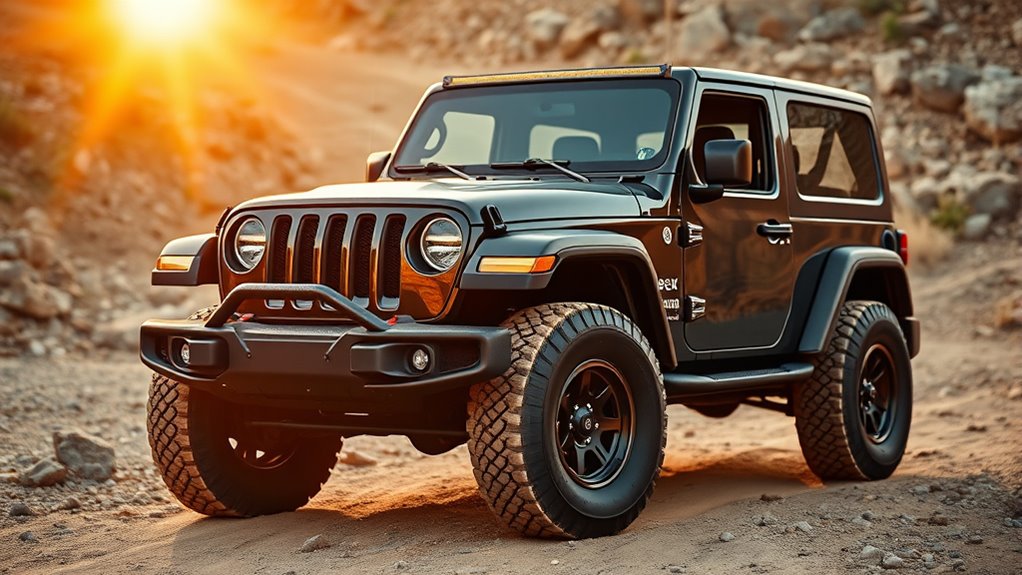
Compared with other Wrangler generations, the JK sits in a middle ground: it’s more refined and road-friendly than the older TJ, but less advanced in chassis tuning and interior design than the later JL. You’ll notice that balance in daily use and trail behavior.
| Model | Key Difference |
|---|---|
| TJ | Shorter, simpler, less stable |
| JK | Better comfort, larger cabin |
| JL | Improved suspension, tech |
| YJ | Leaf-spring ride, dated dynamics |
| JK Unlimited | More cargo, heavier feel |
If you prioritize off road legality, the JK still fits typical trail rules in many regions, but you should verify local mods. For fuel economy, expect modest efficiency, especially with larger tires or the 3.8L. Overall, you get a capable compromise between classic Jeep character and modern usability.
Frequently Asked Questions
How Much Cargo Space Does a Jeep Wrangler JK Have?
You’ll get about 12.8 cubic feet of cargo space with the rear seats up, or around 31.5 cubic feet folded.
Cargo capacity is modest, but off road tires, weather sealing, and fuel economy tradeoffs matter.
What Safety Features Came Standard on the Wrangler JK?
You’d get dual front airbags, electronic stability control, traction control, anti-lock brakes, and hill-start assist; standard safety features varied by year.
You can trust Jeep reliability, but always verify trim-specific equipment and model-year details.
How Reliable Is the Jeep Wrangler JK Over Time?
You’ll usually find the JK fairly reliable over time if you maintain it, though reliability trends vary by engine, transmission, and use. You’ll sacrifice some daily practicality, but routine care can keep major problems manageable.
What Aftermarket Modifications Are Popular for the Wrangler JK?
You’ll spot the usual upgrades first: lift kits, off road tires, suspension mods, bumpers, winches, skid plates, armor, aftermarket lighting, exhaust upgrades, roof racks, snorkels, aftermarket dashboards, and audio upgrades, each boosting capability, protection, and comfort.
How Many Passengers Can a Jeep Wrangler JK Seat?
You can seat four passengers in most Jeep Wrangler JKs, while some four-door Unlimited models seat five. Your seating capacity affects interior comfort, so you should compare trim and cargo space before choosing.
Conclusion
So, what is a Jeep Wrangler JK? You’re looking at the Wrangler that bridges old-school grit and modern capability, and that matters more than it first appears. From 2007 to 2018, it gave you solid axles, open-air freedom, and real off-road strength, but also better comfort and versatility.
Yet the JK isn’t just a model year range—you’ll soon see it’s the turning point that reshaped what a Wrangler could be. In many ways, the Jeep Wrangler JK set the standard for a new generation of off-road vehicles, combining ruggedness with everyday usability.
Ultimately, understanding the Jeep Wrangler JK helps you appreciate how this vehicle evolved into the icon it is today.