What Is a Jeep Death Wobble
As an Amazon Associate we earn from qualifying purchases.
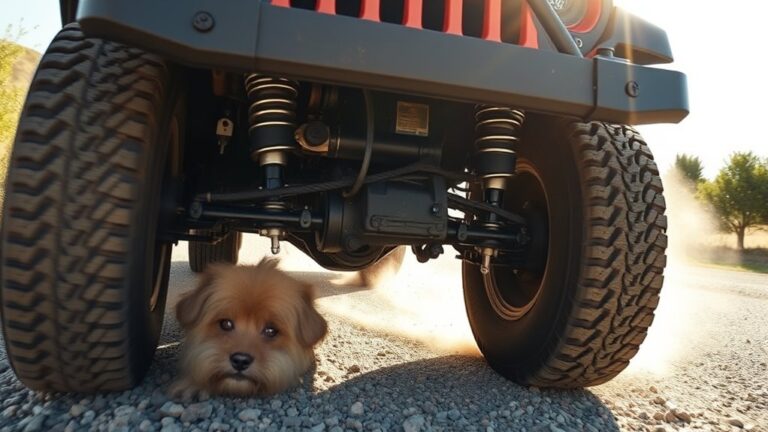
If your Jeep suddenly starts shaking hard after a bump, you’re likely dealing with Jeep death wobble, a violent front-end oscillation that can make steering feel uncontrollable. It usually points to worn steering or suspension parts, poor alignment, or imbalance in the front end.
The symptoms can appear fast and worsen at speed. The real cause isn’t always where you expect it to be.
Key Takeaways
- Jeep death wobble is a violent front-end shake after bumps or road irregularities, usually at speed.
- It is caused by looseness or wear in steering and suspension parts, not by normal Jeep capability.
- Common signs include steering wheel kick, chassis vibration, wandering, and rapid oscillation until speed drops.
- Track bar, tie rod ends, ball joints, bushings, and wheel balance are common areas to inspect first.
- Prevention requires tight hardware, proper alignment, balanced tires, and regular inspection after lifting or trail use.
What Is Jeep Death Wobble?
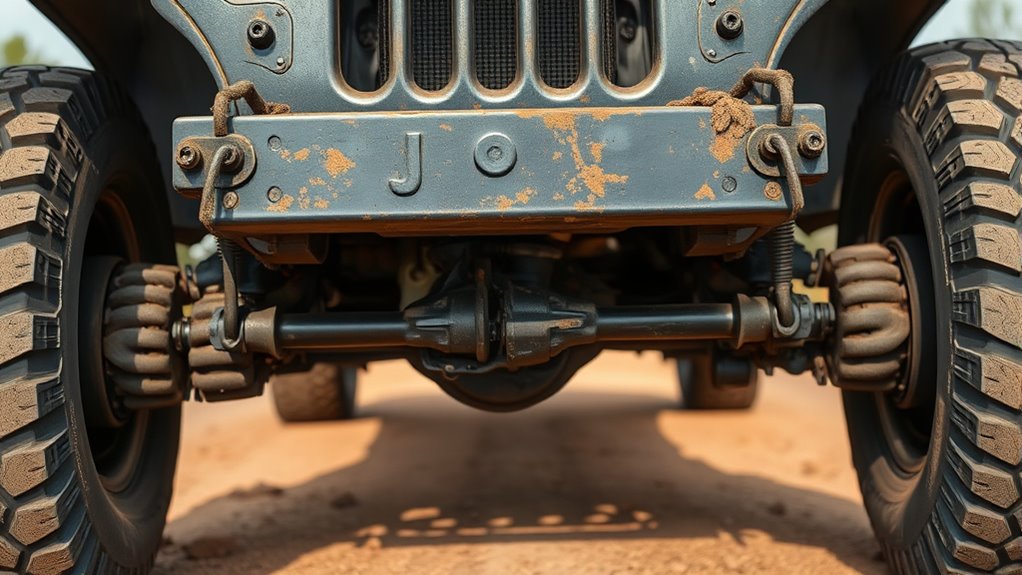
Jeep death wobble is a violent, uncontrollable front-end shake that usually starts after hitting a bump, pothole, or other road irregularity at speed. You feel the steering wheel kick hard, and the axle can oscillate until you slow down.
It isn’t normal, and it doesn’t mean your Jeep is doomed; it means something in the suspension, steering, or wheel assembly has loose, worn, or out-of-balance components. Solid axles and lifted setups can amplify the problem, so quirky engineering and off road myths often get blamed instead of the real mechanical cause.
You should treat it as a drivability fault, not a badge of capability.
Common Signs of Death Wobble
You’ll usually notice death wobble first as a violent steering wheel shake, often after hitting a bump or pothole. That shake typically comes with front-end vibration that you can feel through the chassis and floor.
In severe cases, you may also notice a rapid popping motion as the suspension oscillates uncontrollably.
Steering Wheel Shake
One of the most noticeable signs of death wobble is a violent steering wheel shake that starts suddenly, usually after hitting a bump or rough patch of road. You’ll feel the wheel jerk side to side fast enough to make precise control difficult, even though the Jeep may still track forward.
This shake often signals unstable steering geometry or loose components that amplify motion through the wheel. In off road indicators, it ranks high because it appears without warning and worsens under load.
Good steering ergonomics should let you maintain a firm grip, but death wobble overwhelms normal feedback. If you notice repeated shake at speed, reduce speed safely and inspect the front-end hardware before driving further.
Front-End Vibration
That steering wheel shake is often paired with front-end vibration, a harsher oscillation you can feel through the chassis, floorboard, and suspension as the front axle starts moving out of sync. You may notice the Jeep’s nose shuddering at certain speeds, especially after hitting a bump or road seam.
This vibration usually points to looseness or imbalance in the steering and suspension system, and it can worsen when front end alignment is off. Uneven wear, bent components, or tire tread variation can amplify the shake and make the front end feel unstable.
If the vibration builds through the body instead of staying at the wheel, you’re likely dealing with a broader stability problem that needs inspection before it escalates into more severe symptoms.
Rapid Popping Motion
A rapid popping motion is one of the more distinctive signs of Jeep death wobble, where the front end snaps side to side in quick, repeated jolts after a bump or speed change. You’ll feel the rapid popping motion through the steering wheel as the axle oscillates and the tires fight for alignment.
This often follows worn track bars, loose tie rod ends, unbalanced tires, or play in suspension joints. The result is unexpected steering feedback that can make the vehicle feel unstable and difficult to control.
If you notice this symptom, slow down safely and inspect the front-end components for looseness, damage, or improper torque. You shouldn’t ignore it, because the popping usually indicates a mechanical issue that will keep returning until you correct the source.
What Triggers Jeep Death Wobble?
Jeep death wobble usually starts when loose steering components let small front-end movements grow into a violent shake. You’ll also see it when suspension wear issues reduce control or when an unbalanced wheel assembly sends vibration through the axle.
These triggers often combine, so one weak part can set off the whole system.
Loose Steering Components
Loose steering components can let small front-end motions turn into a violent oscillation, which is one of the main triggers of Jeep death wobble. When you have loose steering, the system can’t hold the front wheels steady after a bump, so each correction feeds the shake.
Check the tie rod ends, drag link joints, steering gear, and track bar mounts for play. Worn bushings can also add slack, letting alignment drift under load and worsening the feedback loop.
If you feel delayed response or clunking while turning the wheel, don’t ignore it. Tightening or replacing damaged parts restores control and helps stop the wobble before it starts.
Suspension Wear Issues
Worn suspension parts can make Jeep death wobble more likely by allowing the axle, wheels, and steering geometry to shift under load. You’ll notice this when control arm bushings, track bar mounts, ball joints, or springs no longer hold the axle in a stable position.
As these parts age, worn bushings create extra movement that lets the front end oscillate after a bump or road impact. That added play can also cause misalignment, which changes how the tires track and reduces steering stability.
You need tight suspension geometry to keep the axle centered and the steering response predictable. If your Jeep has sagging or damaged components, the wobble can start sooner and hit harder because the suspension can’t absorb or control the forces correctly.
Unbalanced Wheel Assembly
An unbalanced wheel assembly can trigger Jeep death wobble by creating repeated vibration as the tire and wheel rotate, especially at highway speeds. When you have an unbalanced wheel, the mass shifts each revolution, and that shake can feed into the steering and front suspension.
If the imbalance persists, it can worsen tire cupping, which adds irregular tread contact and amplifies the vibration. You may notice a shimmy in the steering wheel, a hop in the front end, or a wobble after hitting a bump.
Proper wheel balancing, correct tire pressure, and regular inspection of wheel weights help reduce the risk. If you feel repeated vibration, don’t ignore it, because the problem can escalate quickly and make your Jeep harder to control.
Suspension Parts That Cause Death Wobble
Steering and suspension wear is the most common trigger for Jeep death wobble, and you’ll usually find the problem in parts that control wheel alignment and axle location. Check the track bar first, because loose bolts, worn bushings, or an ovalized bracket let the axle shift side to side.
Then inspect tie rod ends, drag link joints, ball joints, and control arm bushings for play. If you’ve added lift kits or other aftermarket tuning, verify the geometry still supports stable conceptual traction.
Weak springs or damaged shocks don’t cause the wobble alone, but they can amplify it by letting components move too freely. Any looseness in these parts can feed oscillation, so tighten, measure, and replace worn hardware before driving further.
Why Death Wobble Starts After Bumps?
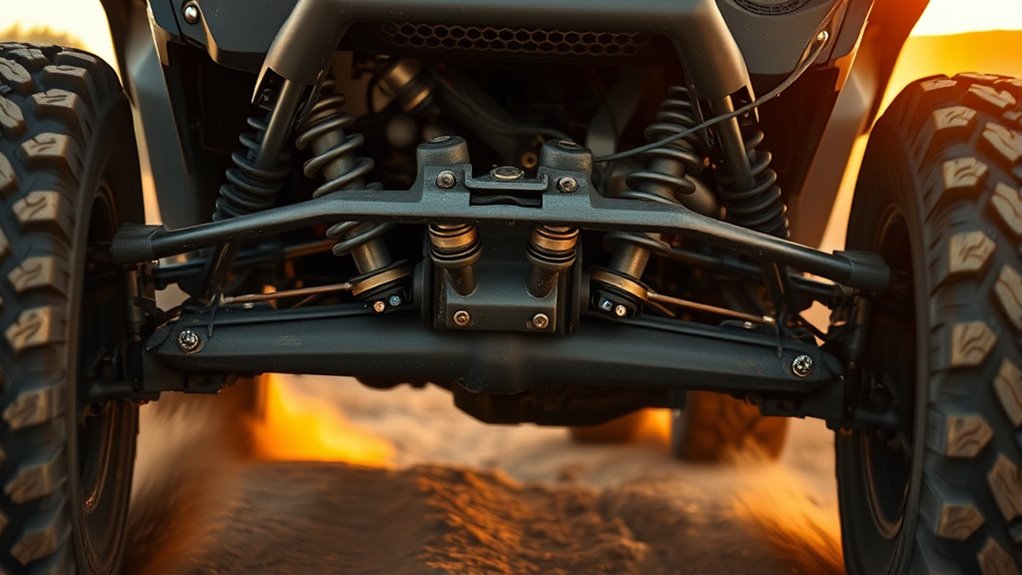
Bumps often trigger death wobble because they shock the front axle and expose any looseness in the steering or suspension. When you hit a pothole, speed bump, or rock, the axle can oscillate if track bar, tie rod, ball joints, or alignment settings aren’t tight enough.
The impact loads the front end, then the tires and steering components feed that motion back into the frame. If damping is weak, the vibration can build fast. You may notice it more after lifting the Jeep, changing tire size, or detailing off road gear with added weight up front.
Even discussing airbags matters if extra suspension travel or load changes front-end geometry. The key issue is not the bump itself, but the bump revealing an unstable setup that can’t settle down quickly.
How to Diagnose Death Wobble
To diagnose death wobble, first verify when the shake starts, how fast it appears, and whether it stops only after slowing down. Then inspect the front end for play by checking tie rod ends, ball joints, track bar bolts, steering stabilizer mounts, wheel bearings, and control arm bushings.
You should also note any clunking, wandering, or delayed steering response, since those signs help isolate the source. If the vibration begins after a bump, record road speed and steering angle when it happens.
Compare both sides for looseness, bent parts, or uneven tire wear. A proper diagnosis improves recreational safety and supports off road legality because you can document a mechanical fault before driving on public trails or roads.
If symptoms repeat, don’t assume one part is guilty.
How to Prevent Jeep Death Wobble
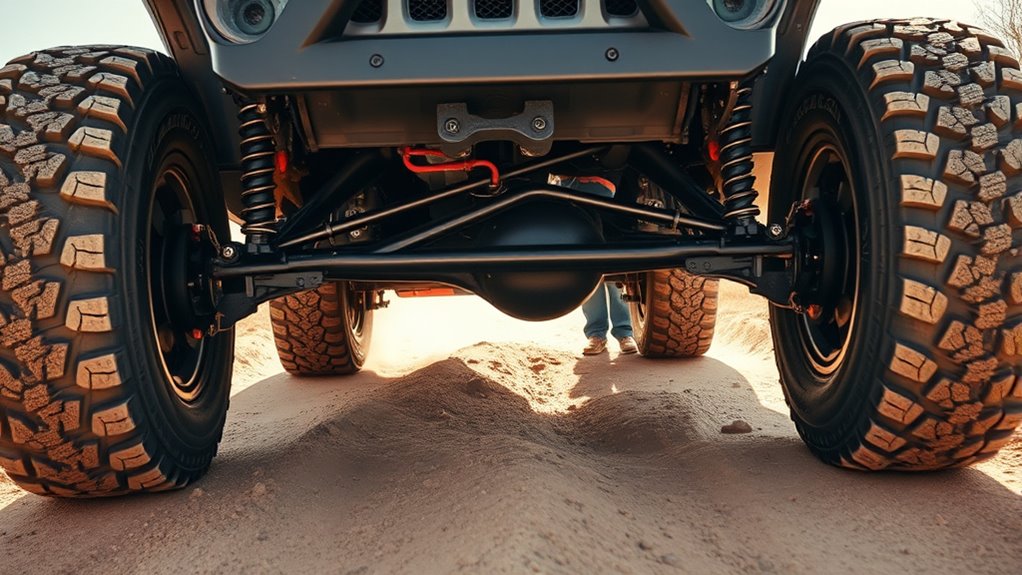
Keeping your Jeep’s front end tight is the best way to prevent death wobble, so inspect and service the steering and suspension before symptoms start. Follow disciplined jeep maintenance and check every wear point on a schedule.
- Torque track bar, control arm, and steering linkage bolts to spec.
- Replace worn ball joints, tie rod ends, and bushings promptly.
- Balance tires, align the axle, and correct wheel offset issues.
- Inspect shocks, wheel bearings, and steering stabilizers for play.
After trail use, look for loose hardware, bent components, and damaged tires. Keep tire pressure consistent and rotate tires regularly. If you lift the Jeep, recheck geometry and caster immediately.
Consistent wobble prevention depends on catching looseness early and fixing it before it compounds.
Frequently Asked Questions
Can Death Wobble Damage Tires or Wheels?
Yes, death wobble can damage tires or wheels. You’ll likely see abnormal tire wear, and severe shaking can cause irreversible damage to wheel components, suspension parts, and tire belts if you keep driving.
Is Death Wobble More Common in Lifted Jeeps?
Yes, death wobble often shows up more in lifted jeeps, because you’ve altered geometry and added stress. If your lift isn’t aligned, you can trigger it.
Think of it like medieval cart wheels gone rogue.
Can Alignment Alone Fix Death Wobble?
No, alignment alone usually won’t fix it. You’ll need to inspect alignment issues and steering components, plus tires, suspension, and wheel balance.
If worn parts stay loose, the wobble can return even after a proper alignment.
Does Weather Affect Jeep Death Wobble?
Yes, weather can affect it. You may feel the front end quiver in cold rain or after temperature swings, as tire pressure and rubber stiffness change.
Check wheel alignment, suspension, and steering parts, not just weather impact.
Is Death Wobble Covered by Warranty?
Usually, you’ll only get warranty coverage if a covered defect causes it. You should check your Jeep safety warranty terms, since wear items, modifications, or abuse often aren’t covered, and dealers may inspect steering components first.
Conclusion
In your Jeep’s front end, death wobble is like a loose gate in a storm: one bump sets it swinging, and every worn hinge adds force. You can stop it by tightening the story at the source—inspect ball joints, tie rods, track bar, steering stabilizer, tires, and alignment.
Don’t ignore small shakes, because they grow fast. When you keep the suspension tight and geometry true, your Jeep stays steady instead of shaking itself apart.
Addressing these components carefully is key to preventing and resolving the Jeep death wobble.