What Gas Does a Jeep Wrangler Take
As an Amazon Associate we earn from qualifying purchases.
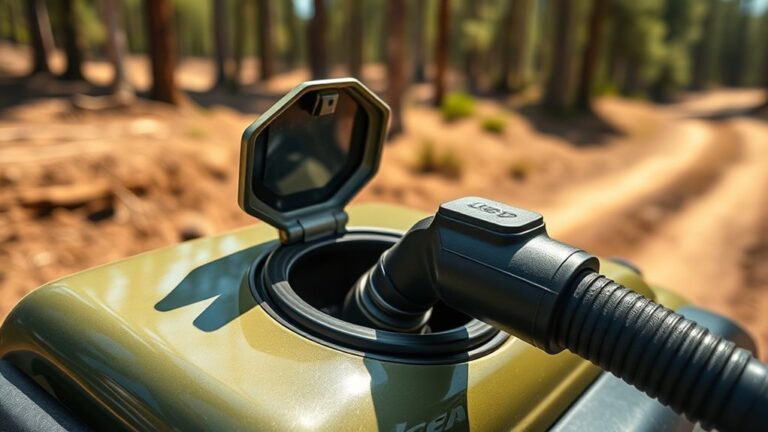
If you’re wondering what gas a Jeep Wrangler takes, the answer usually starts with regular unleaded fuel, often 87 octane. However, that isn’t the whole story. Your exact engine and model year can change the recommendation.
Some turbocharged or high-output trims may respond better to premium gas in certain conditions. Before you fill up, check the owner’s manual and fuel door label. These details can make a real difference in performance and efficiency.
Key Takeaways
- Most Jeep Wranglers use regular unleaded gasoline with 87 octane.
- Check the fuel door label and owner’s manual for your exact engine and trim.
- Some turbocharged or high-output Wranglers may require premium fuel.
- Using lower-octane fuel than recommended can cause knocking, reduced power, or engine damage.
- Use fresh, reputable fuel and keep the tank at least a quarter full.
What Gas Does a Jeep Wrangler Take?
A Jeep Wrangler typically takes regular unleaded gasoline with an octane rating of 87, which is suitable for most models. You can use this fuel for daily driving, commuting, and normal off-road use without adding additives or premium gas unless your owner’s manual says otherwise.
You should check the fuel door label and your vehicle guide because recommendations can vary by year and trim. If you hear advice about unrelated topic discussions or off topic ideas, ignore them and stay focused on the required fuel type.
Using the correct octane helps your Wrangler run as intended and avoids unnecessary cost. When in doubt, confirm the specification on the fuel cap, then fill with the stated gasoline grade.
What Fuel Does Each Wrangler Engine Need?
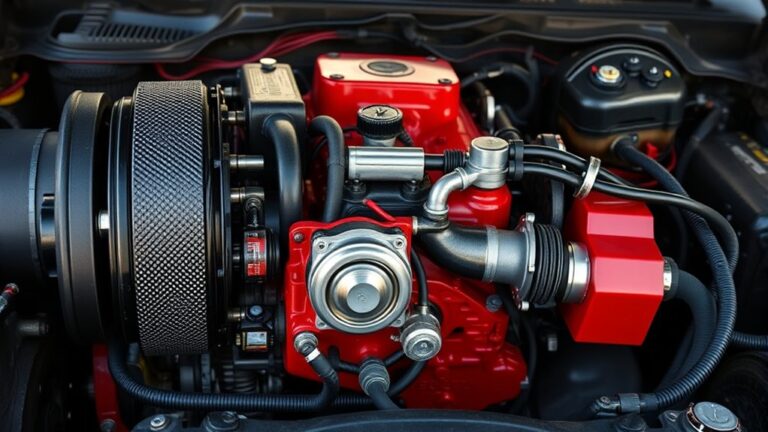
Jeep Wrangler fuel requirements can vary by engine, so you should always match the octane grade to the powertrain in your specific model year. Most Jeep engines are calibrated for regular unleaded, while some turbocharged or high-output variants may perform best with premium fuel for full rated output.
You should check the owner’s manual and the fuel door label, because Jeep tunes each engine differently. If you’ve modified your Wrangler with aftermarket exhausts or other upgrades, fuel needs usually stay the same unless a tuner changes calibration.
Fuel additives don’t replace the recommended octane, and they won’t correct a mismatch between the engine and the gasoline you choose. Use the specified fuel to protect performance, drivability, and long-term engine reliability.
Can You Use Regular Gas in a Jeep Wrangler?
You can use regular gas in many Jeep Wrangler trims, but you should always check your engine’s fuel requirement first. Some Wrangler engines are designed to run on regular unleaded, while others may recommend premium for best performance or efficiency.
If you choose regular gas in a model that allows it, you may see a small tradeoff in fuel economy or power.
Regular Gas Compatibility
Yes, most Jeep Wrangler trims can run on regular unleaded gas, but it depends on the engine under the hood. You can usually fill up with 87-octane fuel and expect normal daily driving performance. That makes ownership simple, especially if you use your Wrangler for commuting, trail runs, or weekend trips.
Regular gas also helps keep fuel costs lower without forcing you to compromise on convenience. If you’ve added an off-road suspension or an aftermarket exhaust, those changes don’t automatically require premium fuel.
Still, you should check your owner’s manual and the fuel cap label, because Jeep’s guidance is the most reliable source. Using the recommended fuel helps your Wrangler run efficiently and can support long-term drivability.
Engine Requirements
Fuel grade depends on the engine Jeep put in your Wrangler, since different powertrains have different octane needs. If you’ve got a standard engine tuned for regular gas, you can use it without issue as long as the owner’s manual says so.
If Jeep specifies premium, you shouldn’t downgrade, because the calibration may rely on higher octane for proper combustion and knock control. Always check the fuel door label and the manual before filling up.
You should also keep your engine oil fresh and at the correct level, since good lubrication helps the engine run as designed. Brake fluid doesn’t affect fuel choice, but it’s another required maintenance item that keeps the Wrangler safe and reliable.
When in doubt, follow Jeep’s recommendation exactly.
Fuel Economy Tradeoffs
Using regular gas in a Jeep Wrangler can lower your fuel costs, but it may not always be the best tradeoff for performance or efficiency. If your Wrangler’s engine is designed for premium, you might notice less responsive acceleration, slightly reduced power, or lower fuel economy on regular.
Over time, those small losses can offset some savings at the pump. You should also consider other factors that affect mileage, like proper engine oil, correct tire pressure, and healthy tire tread, since poor maintenance can waste more fuel than octane choice alone.
Check your owner’s manual and your driving conditions before deciding. If you mostly drive casually, regular gas may be acceptable. If you tow, climb hills, or off-road often, premium can better protect performance and consistency.
Do You Need Premium Gas in a Wrangler?
Whether you need premium gas in your Wrangler depends on its engine and the fuel requirements listed in your owner’s manual. Most Wrangler engines are designed to run on regular unleaded, while some performance-focused or turbocharged versions may recommend or require premium for best operation.
You should compare premium vs. regular based on your specific engine, since the wrong octane can affect efficiency, power, and long-term performance.
Wrangler Fuel Requirements
Do you need premium gas in a Jeep Wrangler? You usually don’t, but you should always check your owner’s manual and the fuel door label for the exact fuel requirements for your jeep wrangler.
Most Wrangler engines are calibrated to run on regular unleaded gasoline, and using the recommended octane helps maintain proper engine performance. If your specific model calls for higher octane, the manufacturer will state that clearly. You can safely follow the posted recommendation without guessing or upgrading unnecessarily.
Your driving habits, altitude, and engine type may affect how the vehicle responds, so precise guidance matters. For the best results, use fresh fuel from a reputable station and keep up with routine maintenance. That helps your Wrangler run consistently and efficiently.
Premium Vs Regular
When you’re comparing premium vs. regular gas for a Jeep Wrangler, the short answer is that most Wrangler models don’t need premium fuel. You can usually run regular unleaded and still protect performance, efficiency, and engine health.
To choose confidently, check these points:
- Owner’s manual fuel grade
- Local fuel availability
- Your driving needs and budget
Premium gas may offer minor benefits in some cases, but it usually won’t transform how your Wrangler drives. If you want lower operating costs, regular fuel is the practical choice.
You can also consider alternative fuels where available, or look at electric options if you’re comparing future-friendly vehicles. For everyday use, follow Jeep’s guidance and refuel based on the grade recommended for your specific model.
Engine-Specific Gas Needs
Your Wrangler’s engine determines whether premium gas is actually needed, and in most cases, it isn’t. If you drive a standard four-cylinder or V6 Wrangler, regular unleaded usually meets the manufacturer’s requirement.
Turbocharged engines may recommend premium for peak power and slightly better fuel efficiency, but they can often run on regular if you accept reduced performance. Always check the owner’s manual and the fuel door label, because engine calibrations vary by model year.
Using the wrong octane won’t usually damage your engine right away, but it can affect knock control and efficiency. For maintenance tips, keep your fuel system clean, use quality gas from busy stations, and follow scheduled service so your Wrangler keeps running smoothly on the grade it was designed for.
What Happens If You Use the Wrong Fuel?
Using the wrong fuel in a Jeep Wrangler can cause immediate drivability problems and, in some cases, serious engine damage. If you put in lower-octane gas than your engine requires, you may hear pinging, feel reduced power, or trigger a check-engine light. Diesel in a gas Jeep can stall the engine and damage the fuel system.
- Misfires and rough idling can develop fast.
- Repeated knock can strain engine maintenance needs.
- Contaminated fuel may require costly repairs, not fuel additives.
You should stop driving as soon as you suspect a fuel mistake. Have the tank drained and the system inspected before restarting. Acting quickly limits wear, protects components, and helps you avoid larger mechanical failures later.
Jeep Wrangler Fuel Tips for Better Performance
For the best Jeep Wrangler performance, start by using the octane rating listed in your owner’s manual and filling up with fuel from a reputable station. You should keep your tank at least a quarter full to help the fuel pump stay cool during heat, climbs, and long trails.
If you drive hard off road, choose fresh off road fuel and avoid letting moisture build up in the tank. Replace your air filter on schedule, because a clean intake helps combustion efficiency and throttle response.
You can also check tire pressure before every trip, since underinflated tires increase drag and fuel use. If you’re comparing powertrains, weigh the diesel debate carefully, because diesel can improve torque and range, but it changes maintenance needs.
Frequently Asked Questions
How Do I Check My Jeep Wrangler’s Fuel Cap Rating?
Check your Jeep Wrangler’s fuel cap for the octane rating printed on top or inside the door. If it’s missing, inspect the owner’s manual or fuel door label. Avoid unrelated topic or off-topic discussion.
Does Altitude Affect Wrangler Fuel Requirements?
Yes, altitude can affect your Wrangler’s fuel requirements; higher elevations thin air, so your engine may run slightly differently and fuel efficiency can change.
You’ll usually still use the recommended octane, unless your manual says otherwise.
Can Winter Gas Improve Jeep Wrangler Performance?
Winter gas is a blanket for cold starts; you’ll get easier ignition, but not real performance upgrades. You may notice smoother winter fuel behavior, yet your Wrangler won’t make more power unless conditions were the issue.
How Often Should I Replace the Wrangler Fuel Filter?
You should replace your Wrangler fuel filter according to maintenance scheduling, usually every 30,000 to 60,000 miles. How fuel filters work matters: they trap contaminants, so you’ll need more frequent changes if fuel quality is poor.
Is Ethanol-Free Gas Better for a Jeep Wrangler?
Ethanol-free gas can be a cleaner path for your Wrangler’s engine, but it isn’t always better. You should check fuel compatibility first; if your manual allows E10, regular fuel usually works just fine.
Conclusion
So, when you fuel your Jeep Wrangler, you should check the manual, read the fuel door label, and match the octane to your engine. You can use regular gas in most Wranglers, and you can save money, protect performance, and drive with confidence when you follow the factory recommendation.
If your trim calls for premium, you shouldn’t skip it, because the right fuel helps you avoid knock, preserve efficiency, and keep your Wrangler running as designed.
In conclusion, knowing what gas a Jeep Wrangler takes is essential for maintaining its performance and longevity. Always use the recommended fuel to get the best out of your vehicle.