What Does Jeep Mean
As an Amazon Associate we earn from qualifying purchases.
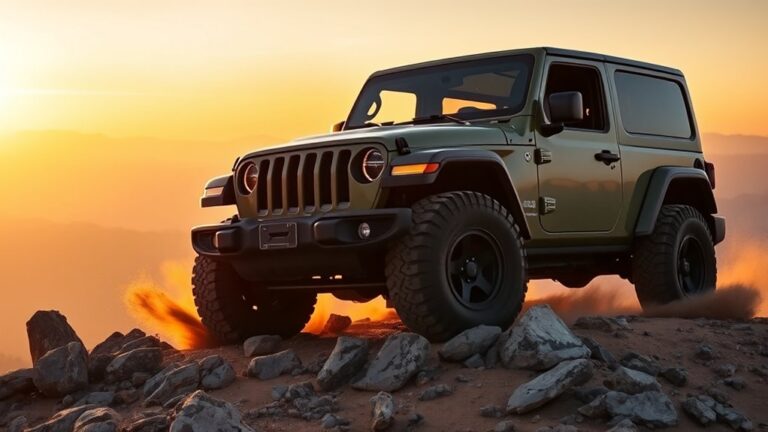
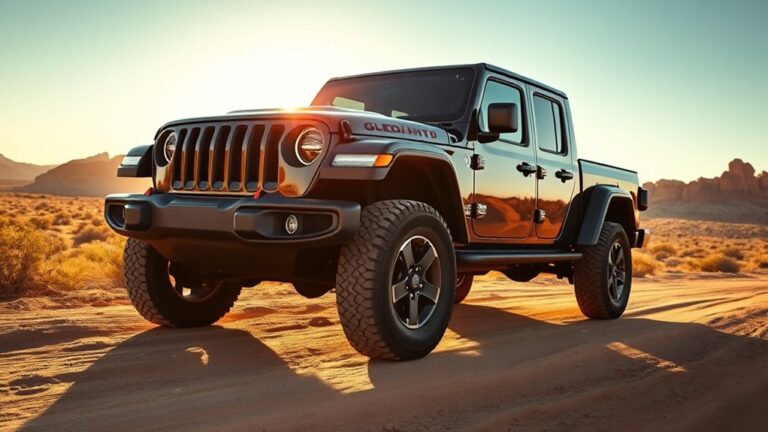
When you ask what Jeep means, you’re really tracing a name that began with military utility and ended as a civilian symbol of mobility.
You can follow it from wartime vehicles built for rough service to Willys CJ models that moved from farms to roads and trails.
The word carries more than a badge; it points to endurance, adaptation, and a kind of freedom that still shapes the brand today.
Key Takeaways
- “Jeep” originally referred to a rugged, compact military vehicle built for World War II use.
- The name likely came from “GP,” short for “general purpose,” though this origin is debated.
- Another theory links “Jeep” to Eugene the Jeep, a popular Popeye comic character.
- After the war, Jeep became a civilian brand for durable, off-road-capable vehicles.
- Today, Jeep means toughness, freedom, adventure, and practical all-terrain mobility.
What Does Jeep Mean?
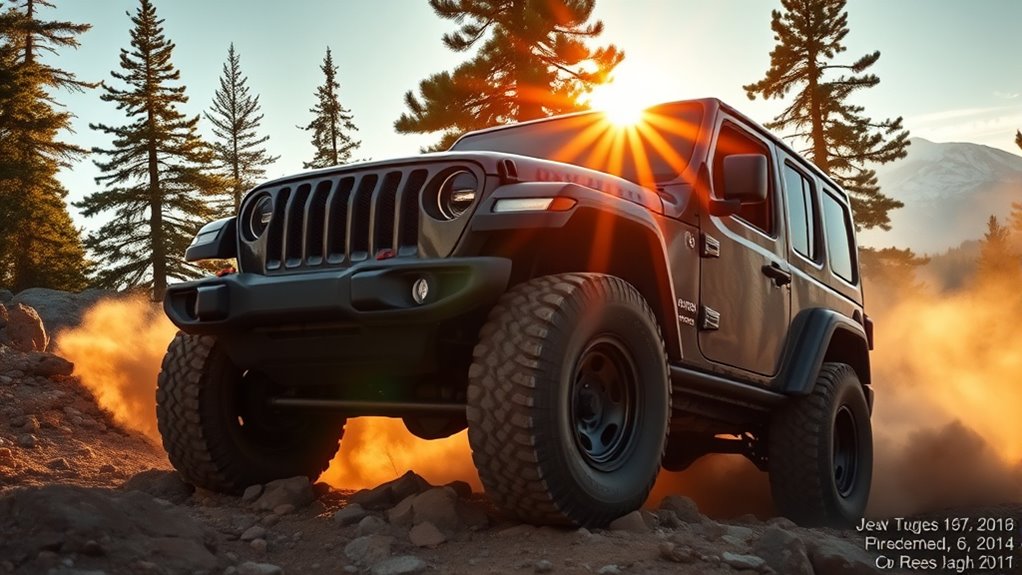
The name “Jeep” has long been associated with rugged military utility, but its exact origin is disputed. When you ask what it means, you’re really asking how a word can gather layers of history, slang, and branding psychology.
Early users applied it to compact, capable vehicles that could handle difficult terrain, and the label stuck because it conveyed usefulness more than elegance. You can see how exploration myths helped reinforce that image: the vehicle seemed built for frontiers, testing, and motion beyond ordinary roads.
Historians still debate the precise etymology, but the term quickly became a shorthand for durability, mobility, and practical innovation. In that sense, “Jeep” means more than a name; it signals a machine designed to meet hard conditions confidently.
Where the Jeep Name Came From
One common explanation traces “Jeep” to the military designation “GP,” shorthand for “general purpose,” which soldiers and mechanics may have pronounced quickly enough to sound like “jeep.” Another theory links the name to Eugene the Jeep, a strange, capable character from the Popeye comic strip, whose popularity in the 1930s made the word familiar as slang for something versatile and uncommonly resourceful.
If you compare both accounts, you’ll see that the comic-strip theory explains public familiarity, while the GP explanation fits wartime paperwork and oral shorthand. Historians still debate which source mattered most, and you can’t treat either as certain.
Over time, Jeep became a brand identity distinct from its origin story, with unrelated branding shaping later recognition and museum branding preserving the legend.
Jeep’s Military Origins
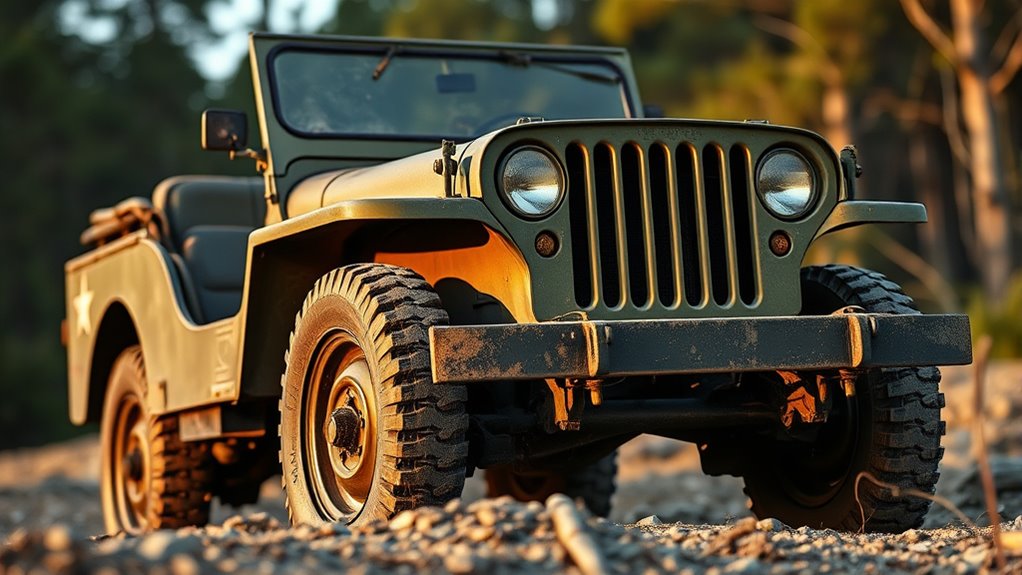
During World War II, Jeep emerged as a compact, rugged vehicle built for reconnaissance, transport, and rapid movement over rough terrain. You can trace its military origins to U.S. Army demands for a light four-wheel-drive machine that could replace motorcycles and horses in field conditions.
Engineers at Willys, Ford, and Bantam responded with prototypes that stressed durability, simple maintenance, and adaptability. You see the design’s purpose in its flat body panels, high ground clearance, and reliable drivetrain.
Soldiers valued it because it handled mud, sand, and battle damage better than larger trucks. Any unrelated topic about branding comes later; here, the facts show a war-tested tool, not random speculation. Its identity formed through service, standardization, and repeated battlefield use.
How Jeep Became a Civilian Brand
After World War II, you see a strong civilian demand for the Jeep’s rugged utility, and Willys-Overland moved quickly to meet it. The company adapted the wartime vehicle for peacetime use, trading military features for practical farm, industrial, and personal transport.
This shift led to the CJ series, which helped establish Jeep as a civilian brand.
Postwar Civilian Demand
When World War II ended, Jeep faced a new question: could a vehicle built for military work meet the needs of ordinary people? You can see why buyers were curious. Farmers, ranchers, contractors, and outdoor drivers wanted tough utility, simple controls, and all-terrain mobility.
Jeep’s off road design answered that demand, turning wartime durability into practical civilian value. Its open body, high ground clearance, and short wheelbase made it useful on rough roads and in fields. At the same time, brand symbolism grew fast: Jeep meant rugged independence, not just military service.
You can trace its appeal to function first, identity second. That mix helped Jeep move beyond the battlefield and into everyday American life.
Willys-Overland Transition
How did Jeep move from wartime tool to civilian brand? You can trace the shift to Willys-Overland, which saw that soldiers and farmers both valued the vehicle’s compact toughness.
After World War II, the company kept the Jeep name in circulation and began shaping it for everyday use, turning military recognition into commercial identity. That move mattered because it separated practical utility from branding misconceptions that later surrounded the name.
Willys’ strategy also entered trademark history, since legal control over “Jeep” helped define who could market the vehicle and how. You should see this transition as more than a sales decision: it linked battlefield reputation with peacetime demand, giving Jeep a civilian future while preserving the rugged image that made it recognizable in the first place.
CJ Series Launch
With the CJ series, Willys turned Jeep’s wartime reputation into a true civilian product line. You can see how the CJ-2A, introduced in 1945, kept the rugged utility you’d expect while adding features for farms, roads, and small businesses.
Willys used Jeep branding to frame the vehicle as practical freedom, not military surplus. That shift mattered because it opened a new market and defined off road marketing for decades.
You can trace the appeal through three clear effects:
- It gave you a work-ready vehicle.
- It linked adventure with everyday use.
- It built a civilian identity around durability.
Where the Word Jeep Came From
You can trace the word “Jeep” to military slang used by soldiers during World War II, when they needed a quick label for the new light reconnaissance vehicles. Another theory links the name to Eugene the Jeep, a tricky character from the Popeye cartoons, which fits the vehicle’s ability to go almost anywhere.
Willys-Overland later helped закрепить the term as the brand name, turning a wartime nickname into a lasting identity.
Military Slang Origins
Military slang from the 1940s offers the strongest clues to where “jeep” came from. You can trace the word through military jargon used by soldiers who needed a quick label for a new, lightweight reconnaissance vehicle. The term likely spread because it sounded practical, casual, and memorable.
Later, jeep branding turned that slang into a lasting civilian identity, but the nickname first lived in the field, not the showroom.
- You see wartime necessity shaping language.
- You notice soldiers favoring short, useful terms.
- You understand how a nickname can outlast the conflict.
Historians still debate the exact origin, yet the evidence points to military speech as the main source. The word’s durability shows how war can reshape everyday vocabulary and transport a battlefield term into public life.
Eugene The Jeep
Another possible source entered the discussion in the late 1930s: Eugene the Jeep, a strange, magical creature from the Popeye comic strip. You can trace this character’s popularity to the period when “jeep” was already circulating in military slang, which makes the connection suggestive rather than definitive.
Still, Eugene the Jeep offered a vivid cultural reference: a small, capable figure that could go anywhere and solve problems beyond its size. That image later fit the vehicle’s reputation remarkably well.
Historians note that the comic-strip term didn’t create the name by itself, but it may have reinforced public acceptance of it. In that sense, the cartoon became part of jeep’s modern heritage, helping explain why the word felt memorable, flexible, and distinctly American.
Willys-Overland Naming
When Willys-Overland later adopted the name for its new vehicle, it didn’t invent the word from scratch so much as help standardize it. You can trace the label through Army slang, where “jeep” had already circulated for prototype test vehicles by 1940.
Willys then used the name in marketing, giving you a memorable identity for a rugged machine built to move fast, climb rough ground, and survive war. That choice shaped meaning in three ways:
- It linked the vehicle to military reliability.
- It turned slang into a brand.
- It fed off road nostalgia and later urban jeep culture.
If you study the name now, you see history, not myth: a practical term refined by wartime use and commercial repetition.
What Makes a Jeep Different
What makes a Jeep different is its blend of rugged engineering, compact utility, and a design lineage shaped by wartime requirements. You can trace its distinction to a vehicle built for soldiers who needed short wheelbases, high ground clearance, and reliable four-wheel drive.
Unlike ordinary passenger cars, Jeep emphasized mobility over comfort, which later helped define civilian use. That practical identity fed adventure branding, because buyers associated the name with exploration, durability, and self-reliance.
You also see its influence in off-road culture, where Jeep became shorthand for trail capability and mechanical toughness. The result isn’t just a vehicle category; it’s a historical standard for what a light utility vehicle can do when function comes before ornament.
Jeep Models That Shaped the Brand
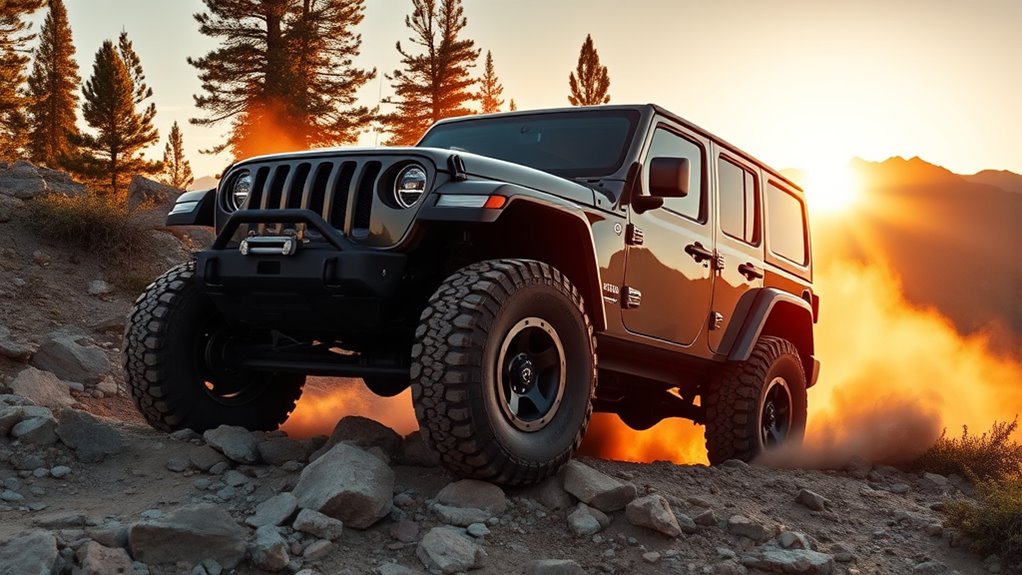
The Jeep brand took shape through a few pivotal models that each expanded its identity in different ways. You can trace its evolution from the wartime Willys MB, which proved the formula for toughness, to the CJ series, which brought that utility to civilian life. The Wagoneer then added comfort and family appeal without dropping rugged capability.
- Willys MB: you see the original workhorse.
- CJ: you get civilian freedom and practicality.
- Wagoneer: you notice refinement joining durability.
These models helped Jeep move from military tool to road-going brand, and they supported adventure marketing and tribal branding by giving you a shared sense of capability. Historically, each vehicle answered a different need while keeping the same core promise: mobility beyond ordinary limits.
How Jeep Became an Icon
Those early Jeep models did more than solve practical problems; they turned a utility vehicle into a cultural symbol. You can trace that shift to wartime visibility, when soldiers, photographers, and filmmakers spread its image worldwide.
Its compact shape, open body, and four-wheel-drive capability made it instantly recognizable, and postwar manufacturers reinforced that identity through Jeep branding. You also see how the name’s uncertain roots, including Motorcycle origins and military slang, added to its mystique.
Instead of fading after the war, the vehicle kept its reputation for toughness and versatility, which helped it stand apart from ordinary trucks. Over time, that consistent design language and history gave Jeep a clear public meaning: dependable, rugged, and tied to American industrial ingenuity.
Jeep’s Place in Modern Culture
Today, Jeep remains more than a vehicle brand; it functions as a cultural shorthand for freedom, durability, and outdoor adventure. You can trace Jeep branding through films, ads, and social media, where the logo signals a rugged identity in modern culture.
Historically, the company shifted from wartime utility to civilian recognition, and that transition shaped how you read it today. When you see a Jeep, you often register three meanings:
- Practical engineering
- American automotive history
- Personal independence
This symbolism persists because Jeep balances familiarity with aspiration. You don’t just notice the vehicle; you notice the message it carries. In modern culture, that message stays clear, durable, and widely understood.
Why Jeep Still Means Adventure
You can trace Jeep’s adventure image to its military origins, when rugged off-road capability was built for hard use rather than comfort. That legacy still shapes how you see the brand today, because Jeep vehicles are designed to handle terrain that most ordinary cars can’t.
When you choose a Jeep, you’re also choosing a long-standing symbol of freedom and exploration.
Off-Road Legacy
Jeep’s off-road legacy began in World War II, when the original military Jeep proved it could cross mud, rocks, and rough terrain where ordinary vehicles failed. You can trace today’s brand identity to that proven off road design, which paired simplicity with durability.
In adventure psychology, that matters: you trust a vehicle that has already earned its reputation under pressure.
- You feel confidence from a machine built for hard use.
- You recognize a historical link to battlefield reliability.
- You see why rugged capability still signals adventure.
Jeep’s engineering kept evolving, but its core purpose stayed constant. You don’t just drive a Jeep; you rely on a legacy shaped by necessity, tested by terrain, and validated by decades of practical performance.
Freedom And Exploration
Freedom has always sat at the center of Jeep’s appeal, because the brand grew from a vehicle built to move people and supplies where roads didn’t exist. You can trace that history to military utility, then to civilian life, where Jeep turned toughness into access.
When you choose a Jeep, you’re buying more than transport; you’re adopting freedom symbolism tied to open routes, remote trails, and self-directed travel. That promise still matters because you can leave pavement with confidence and reach places ordinary vehicles can’t.
Jeep’s identity also rewards an exploration mindset, encouraging you to seek distance, terrain, and uncertainty. Historically, that combination explains why Jeep still means adventure: it frames mobility as independence, and independence as discovery.
Frequently Asked Questions
Does Jeep Mean Anything in Other Languages?
No, you won’t find a common meaning in other languages; “Jeep” is mainly an English brand name. Your insightful etymology shows translation nuances, though some people link it to military jargon, not foreign words.
Is Jeep a Trademark or Generic Term?
You’ll find Jeep is a trademark, not a generic term, though generic term nuances matter. Jeep trademark history links brand origin details, jeep language meanings, movie debut timeline, and U.S. manufacturing scope.
Who Founded the Jeep Brand?
You can trace Jeep’s founder history to Willys-Overland, which bought the wartime design; Karl Probst helped shape it. Its brand origins, jeep trademark status, and generic term risk still reflect strong cultural impact, production geography, movie debut timing, and language meanings.
When Did Jeep First Appear in Movies?
You can trace Jeep’s first movie appearances to the 1940s, when wartime vehicles appeared onscreen. The theory that they were only props is weak; you’ll see they quickly became symbols.
First two word idea, Second two word idea.
Are All Jeep Vehicles Made in America?
No, you can’t assume that. Jeep builds some models in America, but global production reflects a supply chain reality.
You’ll find assembly in Italy, China, and elsewhere, depending on model and market.
Conclusion
So, what does Jeep mean to you now? You can see it as more than a badge on a grille. It began as a wartime workhorse, then eased into civilian life as a dependable companion for fields, streets, and trails.
Over time, you’ve come to link Jeep with steady capability, quiet resilience, and a taste for open roads. In that softened, enduring sense, Jeep doesn’t just move you forward—it suggests a hardy kind of freedom that only Jeep can embody.