What Country Is Jeep From
As an Amazon Associate we earn from qualifying purchases.
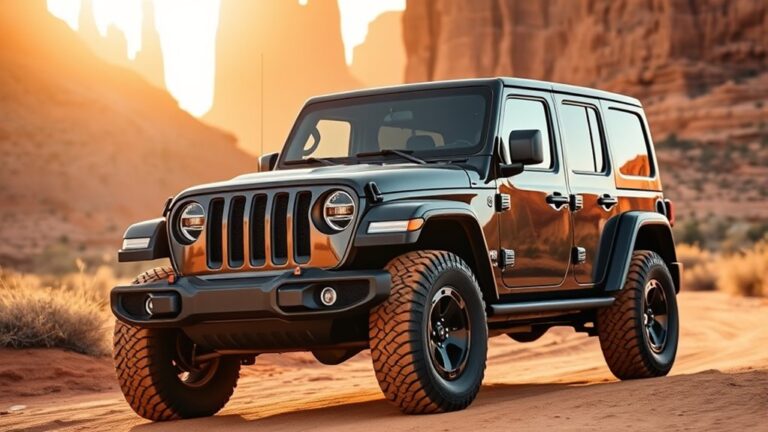
You might be surprised that Jeep, a brand known worldwide, is from the United States. This is not just because of its name, but because its story starts in World War II.
You can trace it back to American military demands, when Bantam, Willys, and Ford built tough 4×4 prototypes for the U.S. Army. That wartime origin shaped the brand’s identity.
It still raises an important question about how an American vehicle became a global name.
Key Takeaways
- Jeep is from the United States, making it an American brand.
- Its origins trace back to World War II military vehicle development in 1941.
- Willys, Ford, and Bantam helped create the original Jeep for the U.S. Army.
- The classic Jeep design reflects rugged American utility and off-road practicality.
- Jeep is now owned by Stellantis, but its identity remains strongly American.
What Country Is Jeep From?
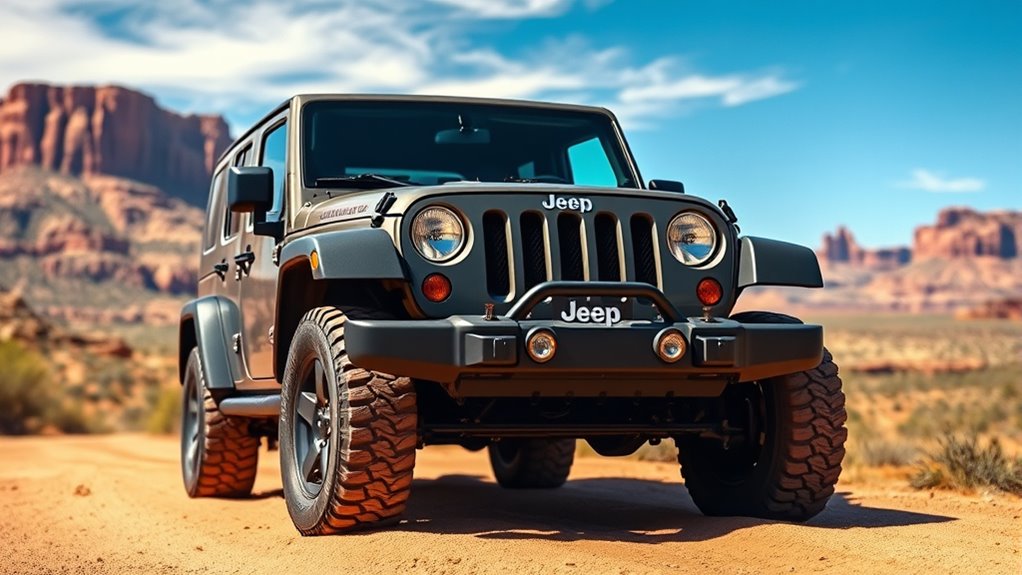
Jeep is from the United States, and its origins trace back to World War II, when the U.S. military needed a tough, lightweight 4×4 vehicle for reconnaissance and transport. You can trace the brand to American industry, where engineers and manufacturers answered that demand with practical design.
Although people may wander into an unrelated topic or a random tangent about later models, the core answer stays the same: Jeep is an American marque. Its identity grew from wartime requirements, then expanded into civilian vehicles built in U.S. plants.
You should remember that the name became linked with durability, off-road capability, and utility. That historical path shows why, when you ask where Jeep comes from, the correct country is the United States, not another nation.
How Jeep Started in World War II
Although the Jeep name came later, the vehicle’s story began in 1940, when the U.S. Army sought a light reconnaissance truck. You can trace its wartime origin to a rapid design contest that drew Bantam, Willys, and Ford into production.
Engineers built a compact 4×4 with low weight, strong suspension, and rugged utility for muddy roads, fields, and combat zones.
| Maker | Role | Outcome |
|---|---|---|
| Bantam | First prototype | Set the basic layout |
| Willys | Final wartime model | Gained the contract |
| Ford | Mass production | Expanded supply |
That military success shaped Jeep branding later, because soldiers trusted its reliability. After the war, the design’s proven durability helped it reach global markets, where buyers valued its off-road capability and simple mechanics.
How Jeep Became an American Icon
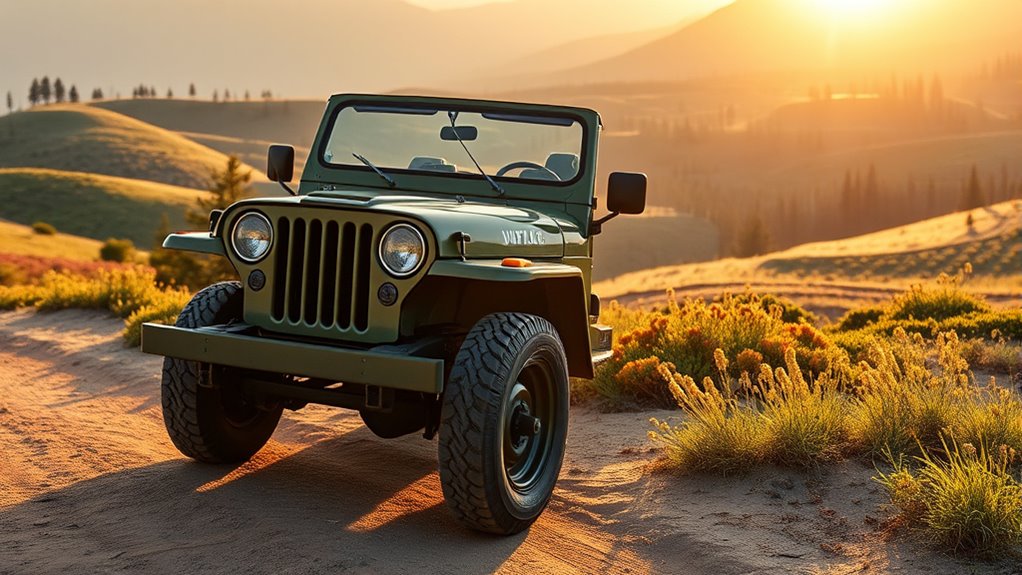
By the late 1940s, the wartime utility vehicle had become something larger than a military tool: it was turning into an American symbol of freedom, toughness, and practical design. You could see it in farms, construction sites, and back roads, where its four-wheel drive and simple mechanics proved useful long after World War II ended.
Automakers then pushed jeep branding that linked the vehicle to rugged civilian life, helping it move from surplus equipment to a recognizable consumer product. Its open body and compact shape fit postwar optimism, while newspapers and film reinforced its image.
As production continued, global expansion brought the Jeep name beyond the United States, but its reputation still rested on American wartime service and everyday versatility.
Who Owns Jeep Today?
Today, you’ll find that Jeep is owned by Stellantis, the multinational automaker formed in 2021 through the merger of Fiat Chrysler Automobiles and PSA Group.
Jeep’s parent company traces its modern corporate history through Chrysler, then Fiat Chrysler, before becoming part of Stellantis. This ownership explains why a brand born in the United States now sits within a global automotive group.
Current Ownership
Jeep is owned by Stellantis, the multinational automaker formed in 2021 through the merger of Fiat Chrysler Automobiles and PSA Group. You can see Jeep today as part of a global portfolio managed from the Netherlands, with major operations in the United States and Europe.
Stellantis oversees Jeep’s branding, product planning, and international sales, while preserving the marque’s American identity. You’ll notice the company using Jeep in a broader rebranding strategy that emphasizes capability, electrification, and market reach.
It also links the brand to sustainability initiatives, including lower-emission models and efficiency targets. Historically, this ownership reflects decades of corporate consolidation, but today’s structure keeps Jeep under one parent company that directs its strategic direction, manufacturing priorities, and global distribution.
Parent Company History
To understand who owns Jeep today, you have to trace its long corporate path through several major automakers. You can start with Willys-Overland, which built the original wartime Jeep, then watch ownership shift to Kaiser, American Motors, and Chrysler. In 1987, Chrysler acquired Jeep through its purchase of AMC, and that link shaped the brand’s modern identity.
Later, DaimlerChrysler controlled it, then Cerberus, and after the 2009 restructuring, Fiat gradually took charge. Today, you own Jeep’s story under Stellantis, the 2021 merger of Fiat Chrysler Automobiles and PSA Group. This history fuels the Jeep origins debate, because the badge began in the United States yet now sits inside a multinational group. That also creates global branding implications for you.
Is Jeep an American or Global Brand?
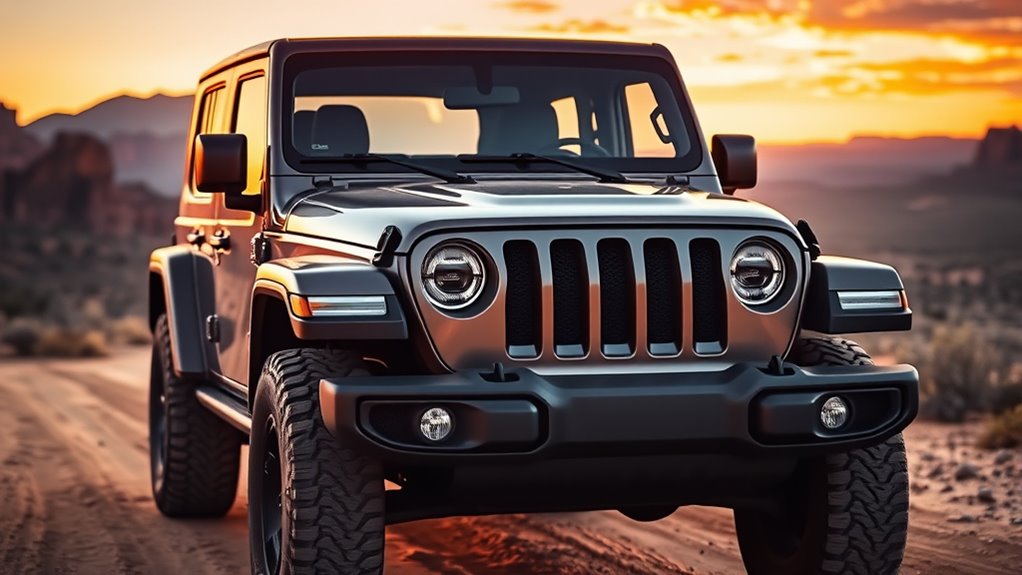
Although Jeep is deeply identified with the United States, its identity is now both American and global. You can trace that shift to its wartime origins in 1941, when U.S. military needs shaped its rugged design and reputation.
After the war, Jeep became a civilian symbol of American utility, freedom, and off-road capability. Yet when you ask whether it’s only American, the answer isn’t simple.
Its name, styling, and heritage remain unmistakably U.S., but international ownership and worldwide sales have broadened its reach. That broader market presence isn’t an unrelated topic; it’s central to understanding the brand.
Avoid an unnecessary comparison with purely domestic automakers. Instead, see Jeep as an American-born marque that now operates as a global brand with historical roots and international influence.
Where Is Jeep Built Around the World?
That global identity shows up in where the vehicles are actually assembled. You can trace Jeep production across North America, Europe, and Asia, reflecting decades of Fiat Chrysler and Stellantis expansion.
| Country | Plant | Common models |
|---|---|---|
| United States | Toledo, Ohio | Wrangler, Gladiator |
| Italy | Melfi | Compass |
| Brazil | Goiana | Renegade |
| India | Ranjangaon | Compass |
| China | Changsha | Grand Commander |
These sites grew with postwar trade, supplier networks, and urban planning around industrial corridors. When you compare locations, you see how Jeep adapted from military roots to a worldwide manufacturing map, much like disney princesses traveling through different kingdoms.
Each plant serves regional demand, shortens shipping routes, and fits local regulations, while keeping the brand’s rugged image recognizable.
Why Jeep’s U.S. Roots Still Matter
Jeep’s U.S. roots still matter because you can trace the brand to American military needs, where its first vehicles were designed for World War II service. You can also see how it was built for U.S. terrain, from rough back roads to wide-open trails, which shaped its durability and off-road focus.
That legacy still shows in Jeep’s design today, so its American origin isn’t just history; it’s part of how the vehicle works.
American Military Origins
Born from World War II military needs, Jeep traces its roots to a U.S. Army contract for a light reconnaissance vehicle. You can see its American military origins in the 1940 Willys-Overland and Ford GPW designs, built to meet strict wartime requirements for toughness, mobility, and repairability.
That history matters because it places Jeep within world history, not just car culture. When you discuss the brand, you’re also touching branding ethics: Jeep’s identity grew from government demand, soldier use, and national manufacturing effort, not from a purely commercial invention.
The vehicle’s wartime service shaped its reputation for utility and durability, and that legacy still informs how people understand Jeep today. Its U.S. roots remain central to its meaning, even as the name later became globally recognized.
Built On U.S. Terrain
Although Jeep later became a global brand, its identity still rests on American terrain: postwar civilian models were adapted for U.S. roads, farms, and backcountry use, where buyers valued four-wheel drive, ground clearance, and simple mechanical parts that could handle rough conditions.
You can trace that practical purpose through county roads, ranches, and logging trails, where Jeeps proved useful after World War II. Farmers, contractors, and rural drivers treated them as working tools, not status symbols.
That American testing ground shaped Jeep’s off road heritage and gave the brand a reputation for endurance. Even as global expansion widened Jeep’s reach, U.S. buyers kept defining what the name meant: utility, traction, and the ability to keep moving when pavement ended and weather turned harsh.
Legacy In Design
Those early American uses didn’t just shape Jeep’s reputation; they left their mark on the vehicle itself. When you look at Jeep’s boxy body, high ground clearance, and short wheelbase, you’re seeing wartime requirements turned into lasting design.
That history of propulsion favored simple, durable four-wheel drive over luxury, and you can still trace that logic in modern models.
| Feature | Origin | Enduring effect |
|---|---|---|
| Flat hood | Military practicality | Easy access |
| Upright grille | Cooling and repair | Distinct identity |
| Lightweight frame | Off-road demand | Better fuel economy |
You benefit from a layout built for repair in the field, not just style. Because Jeep’s U.S. roots came from wartime mobility, the brand still balances toughness with modest fuel economy and honest utility.
Which Jeep Models Reflect Its Military Roots?
Jeep’s military roots show up most clearly in the Willys MB and its civilian successor, the CJ series, especially the CJ-2A and CJ-3A, which carried forward the simple, rugged design developed for World War II service. You can see that heritage in the flat body panels, exposed hinges, fold-down windshield, and short wheelbase built for utility.
The original wartime Jeep helped shape world history by serving troops, hauling equipment, and crossing terrain where ordinary vehicles failed. When you study these models, you also notice branding ethics at work: Jeep’s identity comes from proven function, not decoration.
The later CJ-5 and CJ-7 kept the same basic off-road purpose, but the MB and early CJs remain the clearest links to battlefield engineering.
How Jeep’s Brand Changed Over Time
Over time, Jeep shifted from a wartime utility vehicle to a broad consumer brand, but it kept its core reputation for toughness and off-road ability. You can trace that change through changing owners, marketing, and product lines after World War II. Jeep branding moved from battlefield practicality to everyday adventure, emphasizing freedom, travel, and durability.
- In the 1940s, civilian Jeep models adapted military design.
- In the 1960s and 1970s, Jeep widened its lineup with SUVs and pickups.
- In the 1980s and 1990s, Chrysler refined Jeep branding for suburban buyers.
- Later, Global expansion spread Jeep nameplates into Europe, Asia, and Latin America.
You still see the original identity, but the brand now serves drivers far beyond its wartime origins.
What Jeep’s Origin Means for Buyers
For buyers, Jeep’s American origin still shapes what the brand represents today: ruggedness, utility, and a long link to military engineering. When you look at a Jeep, you’re seeing a vehicle whose Jeep origin began in wartime U.S. development, which still influences design cues, off-road hardware, and marketing.
That history can matter if you want proven four-wheel-drive capability and a brand identity tied to endurance rather than luxury. At the same time, Global branding has broadened Jeep’s reach, so you’ll find models built and sold for many markets, not just the United States.
You benefit from that expansion through more trims, engines, and price points, but the core image stays rooted in American utility and all-terrain performance.
Frequently Asked Questions
What Does the Jeep Name Originally Mean?
Jeep originally meant “GP,” or general purpose, though you’ll also hear a later Jeep etymology linking it to military branding.
You’ll find soldiers used the nickname for versatile wartime vehicles in World War II.
Was Jeep Ever Used by Other Militaries?
Yes, you’d find Jeeps in many armies, like a trusted mule crossing borders. Allied militaries used them widely through military procurement. Later, nations bought or licensed jeep branding for reconnaissance, transport, and liaison duties.
Which Company Made the First Jeep Prototype?
You’d identify American Bantam as the company that built the first jeep prototype in 1940, then refined discussion ideas, jeep branding alternatives, two word concepts, and military logistics for wartime testing and production.
Did Jeep Inspire Any Other Vehicle Brands?
Yes, you can trace Jeep’s influence through many off-road brands; its rugged Jeep origins and military roots shaped later 4×4 design. You’ll see that brand inspiration in Land Rover, Toyota, and countless utility vehicles.
How Has Jeep’s Logo Changed Over Time?
You’ll see Jeep logo evolution shift from wartime military vehicle insignia to the modern seven-slot grille wordmark.
Jeep branding history kept it simple, while automotive emblem design refined proportions, fonts, and styling over decades.
Conclusion
When you look at Jeep, you’re seeing a steel-born horse from the American frontier of World War II, built for hard roads and harder days. Like a scout that never forgot its camp, it still carries the discipline of its military birth into every trail and highway.
You can buy it anywhere now, but its compass still points to the United States. That origin matters, because it explains why Jeep feels tough, practical, and unmistakably American.
In conclusion, Jeep is from the United States, and this heritage shapes its rugged character and enduring appeal.