What Company Makes Jeep
As an Amazon Associate we earn from qualifying purchases.
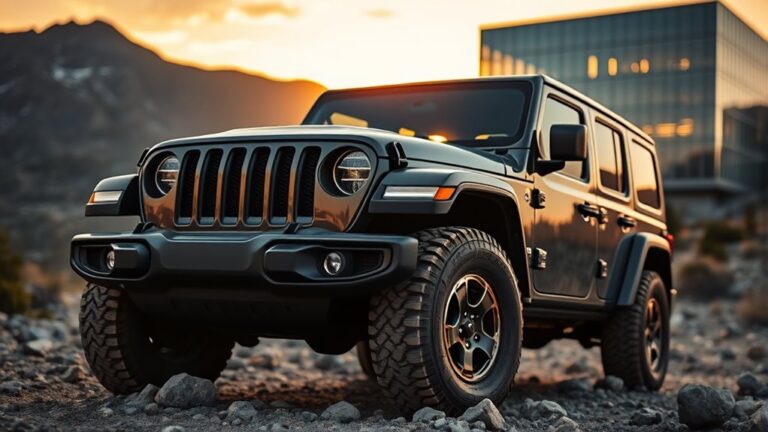
You might notice a coincidence: Jeep and Stellantis both sit inside the same global auto story. Jeep’s parent company is Stellantis, formed in 2021 from Fiat Chrysler Automobiles and PSA Group, and it directs Jeep’s strategy while Jeep keeps its rugged identity.
That setup affects what you buy, where it’s built, and how it compares with other brands—but the ownership details get more interesting from there.
Key Takeaways
- Jeep is made by Stellantis, the global automaker that owns and manages the brand.
- Stellantis was formed in 2021 from the merger of Fiat Chrysler Automobiles and PSA Group.
- Jeep is one brand within Stellantis’s multi-brand portfolio, alongside Ram, Dodge, Chrysler, Fiat, Peugeot, and Citroën.
- Stellantis oversees Jeep’s design, manufacturing, product planning, and global distribution.
- Jeep’s production is regional, with vehicles built in the U.S., Canada, Mexico, Italy, and Brazil.
Who Makes Jeep Today?
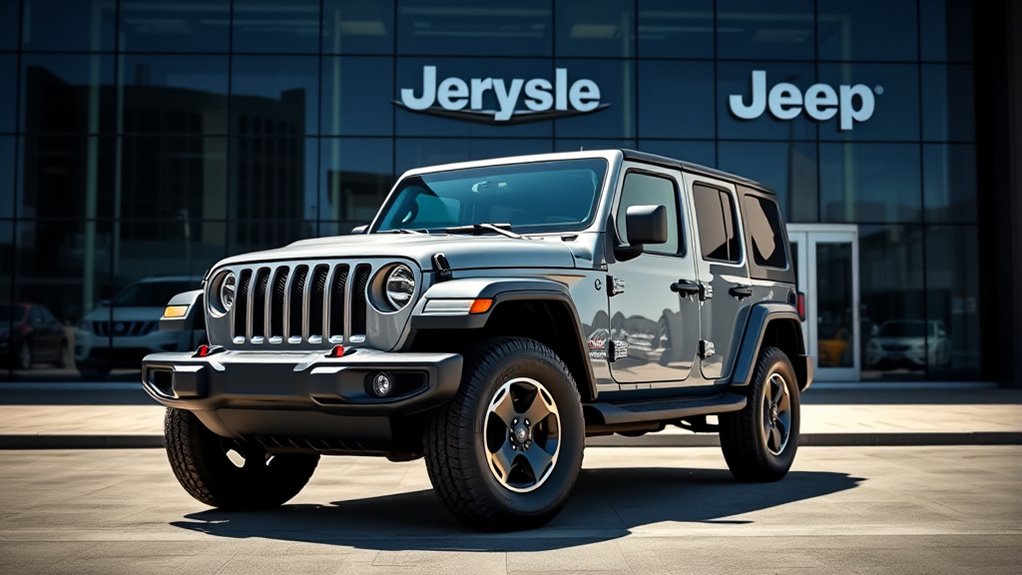
Today, Jeep is made by Stellantis, the global automaker formed in 2021 from the merger of Fiat Chrysler Automobiles and PSA Group. You see the brand operate as part of a larger portfolio, but its identity stays distinct.
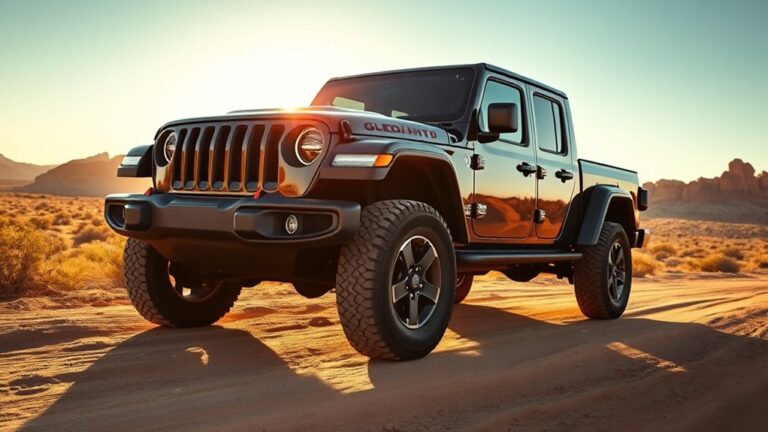
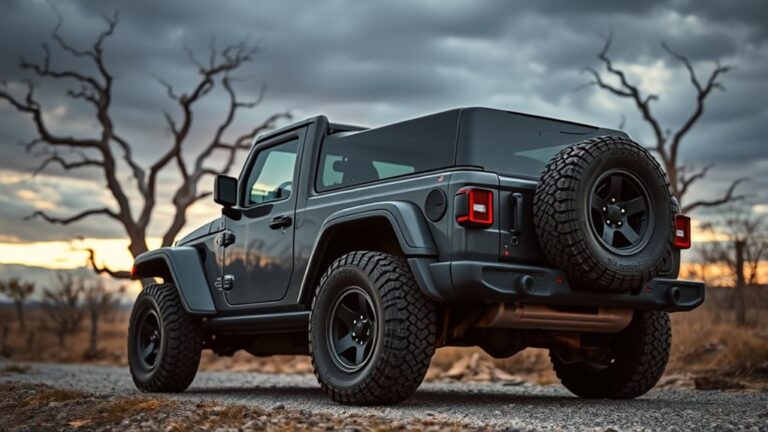
Jeep focuses on SUVs and trucks built for versatility, with engineering that supports off road capabilities across trails, mud, and rough terrain. You can gauge its market position by its reputation and reliability: buyers often compare durability, resale value, and service support before choosing a model.
Stellantis oversees design, manufacturing, and distribution, while Jeep keeps its recognizable grille, four-wheel-drive systems, and rugged positioning. If you want a vehicle that blends utility with adventure, Jeep’s current lineup gives you a clear, measurable option.
Who Owns Jeep Today?
Today, you’ll find Jeep owned by Stellantis, the global automaker formed in 2021 through the merger of Fiat Chrysler Automobiles and PSA Group. Jeep sits within Stellantis’ portfolio as one of its core brands, alongside Dodge, Ram, Chrysler, and others.
If you track Jeep’s ownership history, you’ll see it moved from Willys-Overland to Kaiser, AMC, Chrysler, Fiat Chrysler, and now Stellantis.
Jeep’s Current Owner
Jeep is currently owned by Stellantis, the multinational automaker formed in 2021 from the merger of Fiat Chrysler Automobiles and PSA Group. You can trace Jeep’s corporate control to FCA before the merger, but Stellantis now directs the brand’s strategy, capital allocation, and product planning.
That matters because Jeep branding relies on a clear identity built around capability, utility, and premium off-road appeal. You also see the value of its Military heritage in how the brand markets ruggedness and authenticity.
Stellantis keeps Jeep positioned as a high-margin global name while protecting its distinct image. For you, the key point is simple: Jeep isn’t independently owned; it operates as part of a larger automotive group that manages its long-term direction.
Stellantis Brand Structure
Within Stellantis, Jeep sits alongside brands like Ram, Dodge, Chrysler, Fiat, Peugeot, and Citroën, each targeting a different segment while sharing corporate resources. You should see Jeep as one label in a multi-brand portfolio, not a standalone company.
Stellantis owns Jeep today and allocates capital, engineering, purchasing, and software across its brands to improve scale and margins. That structure helps Jeep preserve its brand identity while still benefiting from shared platforms, powertrains, and global distribution.
From an ownership history perspective, this setup reflects consolidation, but your focus today should be on how the current parent company manages Jeep’s position in the market. The result is a brand that keeps its off-road image while operating inside a large, data-driven automotive group.
Ownership History Timeline
Who owns Jeep now? You do business with Jeep as a Stellantis brand, and that’s the current answer. The ownership history matters because it explains the brand evolution from Willys-Overland to Kaiser, AMC, Chrysler, Fiat Chrysler, and then Stellantis. Each transfer shifted capital, platforms, and global reach.
- 1940s–1950s: Willys builds Jeep’s military and civilian identity.
- 1970s–1980s: AMC expands Jeep’s lineup and sales network.
- 2000s–Today: FCA, then Stellantis, scales Jeep worldwide.
You can trace a clear pattern: each owner preserved Jeep’s core utility while pushing broader market coverage. Today, Stellantis controls strategy, distribution, and product planning, so you’re looking at a multinational automaker managing Jeep’s next phase.
How Did Jeep Become an FCA Brand?
Jeep’s path into FCA came through a long sequence of ownership changes that reshaped the brand over decades. You can trace the shift from American Motors to Chrysler, then to DaimlerChrysler, and later to the Chrysler Group under private ownership.
Jeep’s journey into FCA followed decades of ownership changes, from American Motors to Chrysler and beyond.
Each transfer changed how Jeep was positioned, but the core value stayed consistent: strong demand in SUV segments. Chrysler used Jeep to strengthen its portfolio, while FCA later treated it as a global growth asset.
If you study the history of brand naming, you’ll see Jeep remained distinct even as corporate labels changed. FCA also leaned on regional market strategies, expanding Jeep sales beyond the U.S. into Europe, Latin America, and Asia.
That made Jeep a high-margin, internationally recognized brand within FCA’s lineup.
What Are Jeep’s Military Origins?
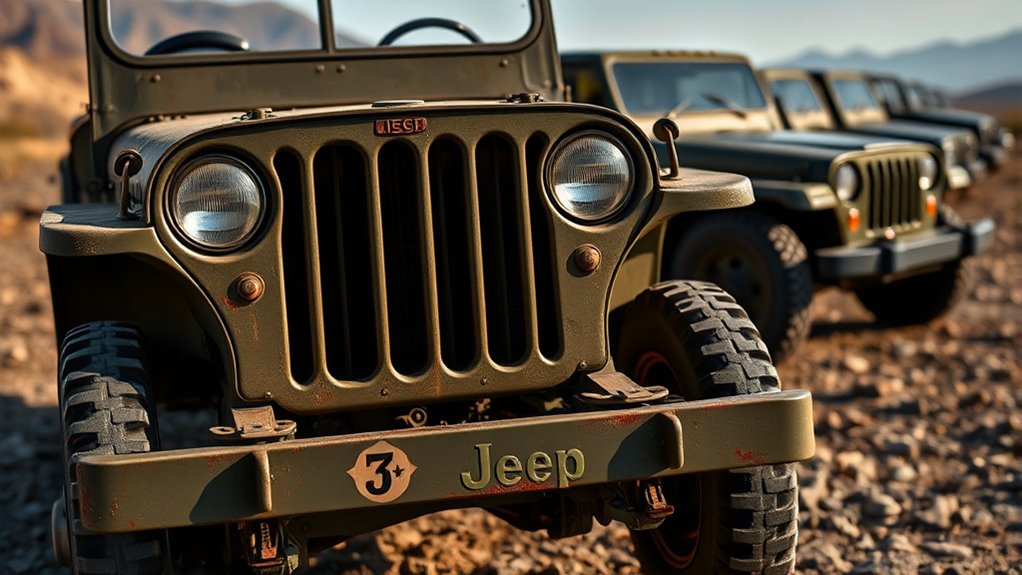
How did a rugged wartime utility vehicle become a civilian icon? You trace Jeep’s history of military origins to 1940, when the U.S. Army sought a light 4×4 for reconnaissance, transport, and field repair. Willys, Ford, and Bantam all built prototypes under tight specs, and Willys’ MB became the standard.
That design emphasized low weight, durability, and all-terrain traction, giving you a vehicle that could move supplies where roads didn’t exist. After World War II, civilian adaptation followed fast: the CJ series translated military engineering into farm, industrial, and recreation use.
- Built for combat mobility
- Engineered for reliability under stress
- Reworked for civilian utility and sales
What Other Brands Does Jeep’s Parent Company Own?
If you’re asking what other brands Jeep’s parent company owns, the answer depends on the corporate structure: Jeep sits under Stellantis, a global automaker formed in 2021 from Fiat Chrysler Automobiles and PSA Group.
You’ll also find Alfa Romeo, Dodge, Fiat, Chrysler, Ram, Peugeot, Citroën, Opel, Vauxhall, DS Automobiles, Maserati, Lancia, Abarth, and several commercial brands. This portfolio lets Stellantis spread engineering costs, purchasing power, and market risk across regions.
For you, that means Jeep branding benefits from shared platforms and broader global distribution, even while Jeep keeps its own identity. The group’s size also supports cross-brand technology development, software, and electrification investments.
In practice, Jeep doesn’t operate in isolation; it sits inside a diversified network of brands with distinct segments and customers.
Where Are Jeep Models Built?
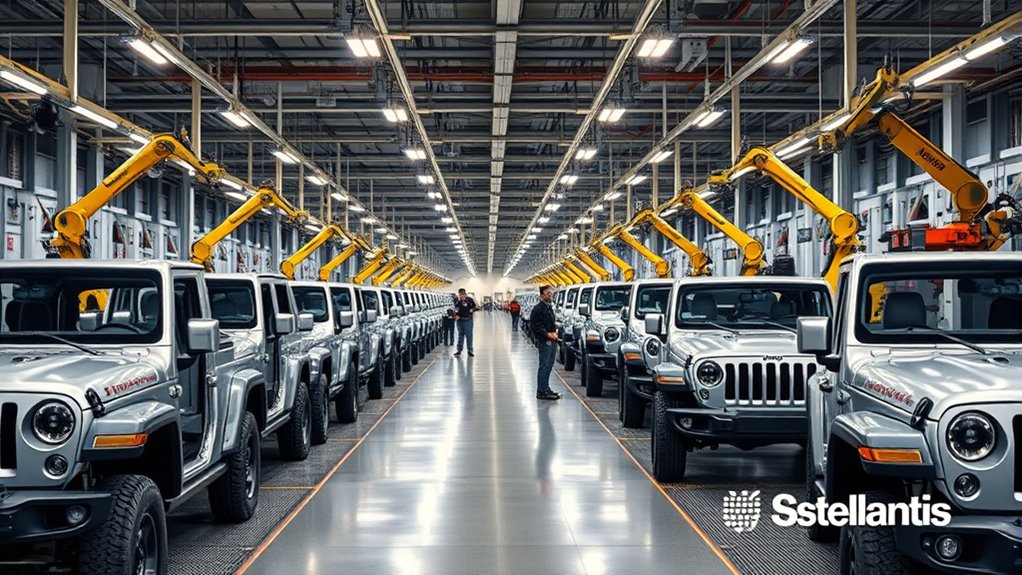
Jeep models are built in several countries, not just the United States, because Stellantis spreads production across regional plants to match demand and reduce shipping costs. You’ll see global production in the U.S., Canada, Mexico, Italy, and Brazil, depending on the model and market. That structure helps preserve Jeep heritage while keeping supply efficient.
Jeep is built across multiple countries, with Stellantis using regional plants to match demand and streamline delivery.
- U.S. plants often handle core SUVs and high-volume trims.
- Canadian and Mexican facilities support North American demand.
- European and South American plants serve local buyers with shorter lead times.
You can check a VIN to confirm the exact assembly location. Build site matters because it affects logistics, parts sourcing, and delivery timing, but Jeep’s brand identity stays consistent across plants.
How Does Jeep Compare With Dodge and Ram?
Beyond where each vehicle is assembled, the bigger distinction is brand role: Jeep focuses on SUVs and off-road capability, Dodge leans toward performance and muscle, and Ram centers on trucks and towing. You’ll see that Jeep’s lineup usually prioritizes ground clearance, 4×4 systems, and trail ratings, while Dodge often emphasizes horsepower and street tuning.
Ram, by contrast, is built for payload, torque, and work use. In a Two word discussion, Jeep vs Mitsubishi, Jeep often compares more directly with other SUV brands than with Dodge or Ram. If you want utility plus adventure, Jeep fits that niche; if you want speed or hauling, the others may suit you better.
Your choice depends on how you measure value: terrain, acceleration, or capacity.
What Does Jeep Ownership Mean for Shoppers?
Owning a Jeep usually signals that you value capability over pure comfort metrics, especially when your driving mix includes rough roads, snow, or weekend trail use. For you, that means examining what shoppers want: traction, ground clearance, towing, and a cabin that handles dirt and gear.
Jeep ownership often fits buyers who need versatility more than sedan-like efficiency. How to compare models matters, because a Wrangler, Grand Cherokee, and Compass each deliver different levels of off-road hardware, fuel economy, and price.
Jeep ownership fits buyers who need versatility, and models differ in off-road hardware, fuel economy, and price.
- You prioritize all-terrain confidence.
- You accept higher wind noise and fuel use.
- You trade some refinement for flexibility.
Frequently Asked Questions
What Year Was the First Jeep Introduced?
You’d note the first Jeep was introduced in 1940, shaping its brand heritage and delivery timeline. That prototype’s development accelerated military production, and you can trace Jeep’s legacy directly to that year.
Which Jeep Model Is Most Fuel Efficient?
You’ll usually get the best fuel efficiency from Jeep’s hybrid models, especially the Wrangler 4xe and Grand Cherokee 4xe. They deliver far better mpg-equivalent than gas-only Jeeps, making them your most efficient options overall.
Does Jeep Offer Any Hybrid Vehicles?
Yes you can choose Jeep hybrids. For example, you might drive a Grand Cherokee 4xe, which blends gas and electric power; Jeep technology delivers strong hybrid capabilities, improving efficiency, torque, and your daily commuting data.
What Does the Jeep Logo Represent?
You can read Jeep’s logo as brand symbolism for rugged utility and freedom. Logo evolution simplified the mark over time, but it still signals durability, capability, and off-road heritage through a clean, instantly recognizable identity.
Are Jeep Parts and Service Widely Available?
Yes, you’ll find Jeep parts and service widely available through strong dealership networks and aftermarket suppliers. Your Jeep maintenance options are broad, with common components easy to source, compare, and replace efficiently across many regions.
Conclusion
So, if you’re wondering who makes Jeep, you’re really looking at Stellantis, the parent company guiding the brand’s path. Jeep may wear its own rugged badge, but it shares engineering, platforms, and global manufacturing with a larger family.
For you, that means a legacy off-road name backed by a major automaker’s scale, resources, and reach. In short, you’re getting a familiar adventure brand with a rather well-supported corporate home.
To conclude, Jeep is made by Stellantis, a global automotive powerhouse ensuring the brand’s continued innovation and success.