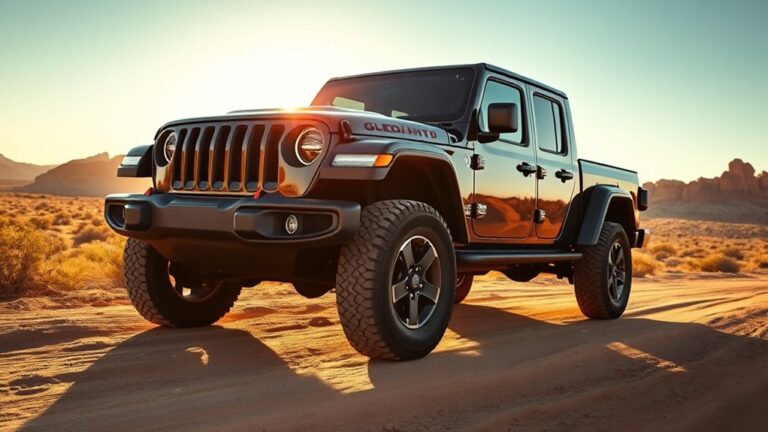
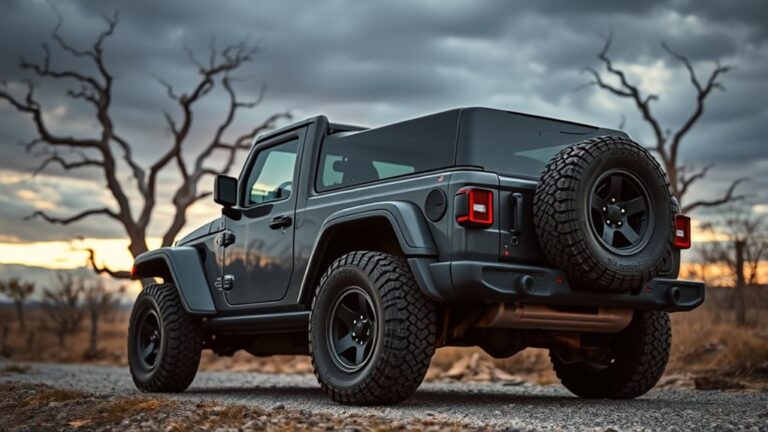
What Are the Best Years for Jeep Wrangler
As an Amazon Associate we earn from qualifying purchases.
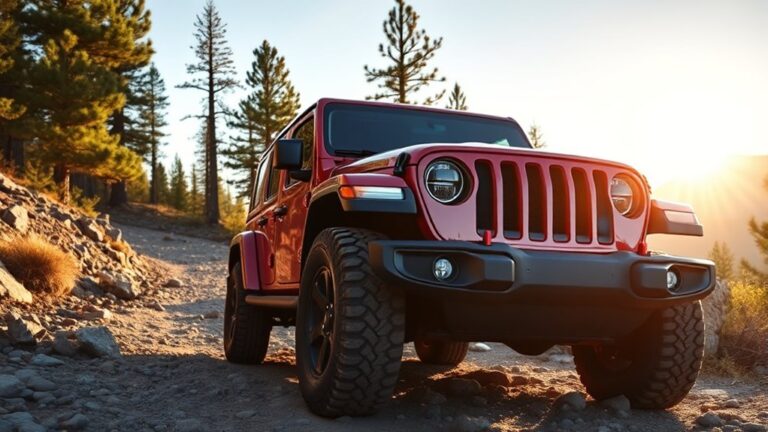
You might not realize that the best years for Jeep Wrangler often depend more on drivetrain updates and corrosion resistance than on badge nostalgia. If you want the strongest mix of reliability, off-road ability, and lower ownership headaches, certain YJ, TJ, JK, and JL model years stand out for different reasons.
A few years are clear buys, while others can cost you more than they seem at first glance.
Key Takeaways
- The best Wrangler years are generally 1991–1995, 2005–2006, 2015–2018, and 2020–2024.
- For JK models, 2015–2018 are usually the most reliable and refined choices.
- For JL models, 2020–2024 offer the best balance of comfort, capability, and durability.
- Rubicon trims are best for off-roading because they add factory locking differentials and stronger trail hardware.
- Avoid 2007, 2012, 2014, and 2018 if possible, and prioritize clean service history over low mileage.
Which Jeep Wrangler Years Are Best?
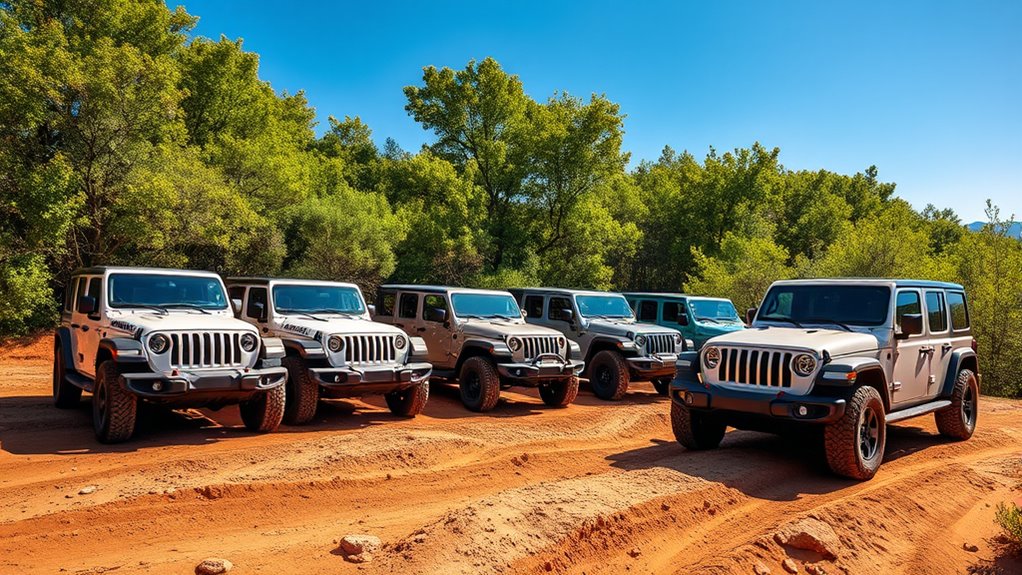
If you’re wondering which Jeep Wrangler years are best, the strongest picks are typically the models known for solid reliability, fewer recurring mechanical issues, and good owner satisfaction. You’ll often find that mid-to-late JK years and many JL trims stand out if you want a balanced mix of comfort, off-road ability, and easier ownership.
You should also compare mileage, maintenance history, and whether the vehicle still meets any warranty requirements. If you’re shopping on a budget, look at examples of affordable color options such as white, black, silver, and gray, since they often cost less to buy and insure.
You can narrow your choices by checking recall history, rust condition, and documented service records before you commit.
What Makes a Wrangler Year Worth Buying?
A Wrangler year is worth buying when it combines proven reliability, manageable repair costs, and strong owner feedback over time. You should also look for solid off road durability, because a Jeep that holds up on trails usually ages better overall.
Check whether common problems are well understood and easy to fix, since that keeps ownership simpler and less expensive. Strong aftermarket support matters too, because it gives you more repair options, upgrade choices, and access to parts.
You’ll usually get better value from years with stable mechanical designs, good parts availability, and a reputation for lasting use. Focus on models that owners trust, not just those with the lowest price. That way, you buy a Wrangler year that fits real-world needs.
Best Jeep Wrangler YJ Years
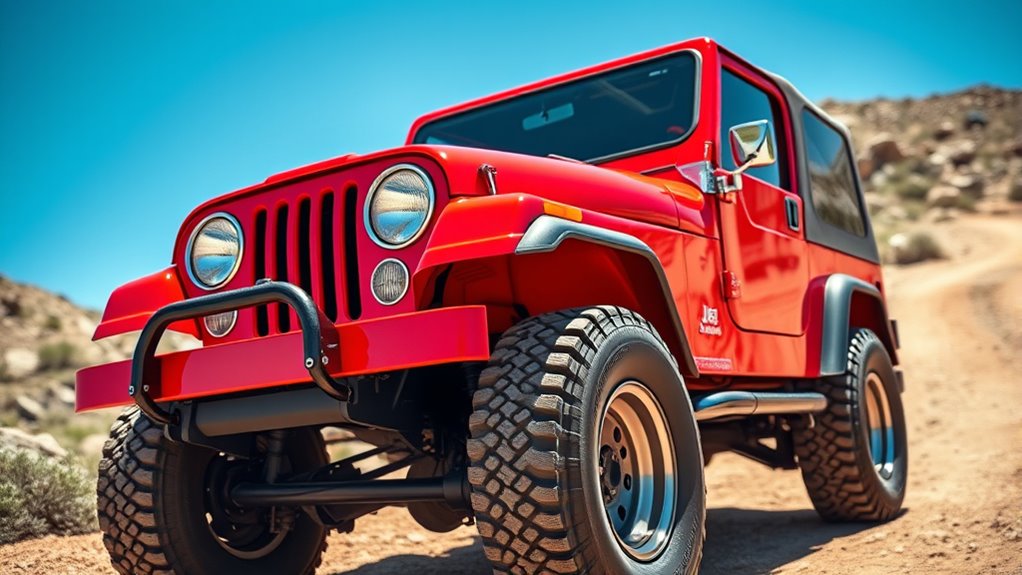
When you’re looking at the best Jeep Wrangler YJ years, the late-model years from 1989 to 1995 usually stand out because they offer the most refined version of the YJ platform. You’ll usually get better parts availability, improved drivability, and fewer reliability concerns than in earlier examples.
If you want a cleaner starting point, focus on well-kept 1991 to 1995 models, since they often saw incremental updates and less wear than older rigs. Still, condition matters more than year, so check for rust, suspension wear, and deferred maintenance.
You shouldn’t expect showroom pricing for a good YJ, especially if it’s clean and original. Instead, you can compare mileage, service history, and modifications to judge real value.
Best Jeep Wrangler TJ Years
When you look at the Jeep Wrangler TJ, the best years often stand out for better reliability, stronger engines, and improved ride quality. You’ll usually find that later TJ models offer the most refined features and fewer common issues than earlier ones.
Those year-to-year strengths can help you choose a TJ that fits your needs with less risk.
TJ Best Years
For the Jeep Wrangler TJ, the best years are generally 2005 and 2006, since these models combine the most refined version of the TJ platform with the durable 4.0-liter inline-six engine and improved features. You can also consider 2003 and 2004 if you want similar capability at a lower price.
These later TJ models usually offer the best reliability within the generation, along with strong off-road capability and straightforward maintenance. When you shop, you should focus on condition, service history, and signs of corrosion or abuse, because those factors affect ownership more than model year alone.
If you want a TJ that balances dependability, parts availability, and proven performance, the final two years are typically your safest choice.
TJ Year Strengths
The best Jeep Wrangler TJ years stand out for a mix of durability, simplicity, and strong trail performance. You’ll usually get the most value from later TJ models, when Jeep refined drivability and kept the platform mechanically straightforward. These years reward you if you want easy yearly maintenance and broad aftermarket reliability.
- Strong 4.0L inline-six support
- Simple manual and automatic options
- Proven Dana axle durability
- Excellent parts availability
You can count on the TJ’s coil-spring suspension for stable articulation and predictable road manners. If you shop carefully, you’ll find that clean examples from the final years often need fewer repairs and offer better long-term ownership confidence. For you, the best TJ years combine usable power, repair simplicity, and a massive parts ecosystem.
Best Jeep Wrangler JK Years
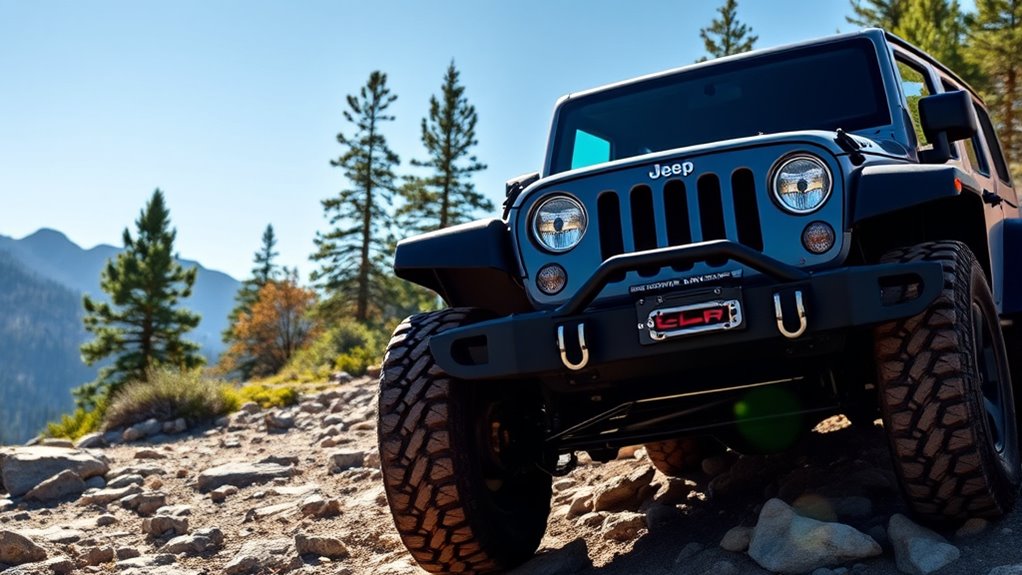
If you’re shopping for a Jeep Wrangler JK, the best model years are generally 2012 through 2018, with the later years often offering the most refined setup. You’ll usually get stronger reliability ratings from these years, plus fewer early-production quirks than the 2007 to 2011 models.
The 2012 refresh improved the powertrain, and that change helped reduce common complaints. If you want lower maintenance costs, look for a well-kept 2015 to 2018 JK, since those trucks often show better long-term durability.
You should still inspect any JK carefully for suspension wear, steering play, rust, and evidence of hard off-road use. A clean service history matters more than mileage alone, so choose the Jeep that’s been maintained consistently and hasn’t been modified poorly.
Best Jeep Wrangler JL Years
Moving from the JK to the newer JL, the best Jeep Wrangler JL years are generally 2020 through 2024, with many buyers favoring the later models for their improved refinement and updated features. You’ll get a stronger mix of comfort, tech, and capability in these years.
- 2020: solid early JL maturity
- 2021: balanced features and drivability
- 2022: improved cabin updates
- 2023–2024: the most polished choices
You can expect capable off-road suspension across the lineup, along with better steering and ride quality than older Wranglers. Fuel economy remains modest, but it’s competitive for a body-on-frame 4×4.
If you want a JL that feels modern without losing Jeep character, these model years are your best bets for everyday use and trail duty.
Jeep Wrangler Years to Avoid
When you compare Jeep Wrangler model years, you’ll notice a few that show more frequent complaints and repair needs. These common problem years often involve recurring mechanical issues, which can make ownership less predictable.
You should pay close attention to models with higher risk before you buy.
Common Problem Years
Some Jeep Wrangler model years have a reputation for recurring issues, so it’s smart to know which ones to approach with caution. You’ll want to compare reliability trends before you buy, because weak years can affect long-term ownership costs and resale values.
- 2007 often shows early JK teething problems.
- 2012 can have mixed owner feedback.
- 2014 sometimes raises concerns in used listings.
- 2018 may show more complaints than nearby years.
You can still find decent examples from these years, but you should inspect maintenance records carefully and review vehicle history reports. Focus on mileage, prior repairs, and ownership patterns. A well-kept Wrangler can outperform a neglected newer one, yet these problem years deserve extra scrutiny when you shop.
Recurring Mechanical Issues
Jeep Wranglers can develop a few recurring mechanical issues that show up often enough to matter when you’re comparing model years to avoid. You should watch for driveline vibration, steering play, leaking seals, cooling-system weaknesses, and transmission roughness in certain builds.
These problems don’t always appear together, but they can create reliability tradeoffs if you want a Wrangler that feels dependable for daily use. You’ll often see higher maintenance costs when wear items need attention sooner than expected, especially if previous owners skipped service.
Regular inspections help you spot worn bushings, fluid leaks, and loose suspension parts before they turn into bigger repairs. If you’re shopping used, focus on service history, test-drive behavior, and evidence that the vehicle received consistent preventive care throughout its life.
Models With Higher Risk
Certain Jeep Wrangler model years carry a higher risk of costly repairs and frustrating ownership because of known issues with reliability, build quality, or component durability. If you’re shopping used, focus on years to avoid that show repeated common problems in owner reports and repair data.
You’ll want to watch for early electrical glitches, failing automatic transmissions, leaking tops and doors, and worn steering and suspension parts. These issues can raise maintenance costs and reduce daily comfort.
Some model years also suffer from rust-prone body panels or weak interior materials, especially if previous owners skipped maintenance. Before you buy, check service records, inspect for leaks, and test every feature.
A careful review helps you skip the riskiest Wranglers and choose one that’s more dependable.
Most Reliable Jeep Wrangler Years
If you want a Wrangler that balances trail capability with fewer headaches, the most reliable years are generally 2018–2024 for the JL generation and 2015–2017 for the final JK models. You’ll usually see stronger reliability metrics in these years because Jeep refined the powertrains, electronics, and build quality.
That means you can expect fewer common complaints and better alignment with consumer expectations for everyday use. When you shop, focus on well-maintained examples with service records, stock drivetrains, and clean inspection histories. You should still verify recalls, but these model years tend to offer the best mix of durability and consistency.
If you want long-term ownership with fewer surprises, these are the Wrangler years worth prioritizing first.
Best Wrangler Years for Off-Roading
When you want the best Wrangler years for off-roading, the Rubicon stands out for its factory trail hardware and stronger crawl-focused setup. You also benefit from the Wrangler’s solid axles, which help maintain durability and articulation on rough terrain.
Together, these features make certain years better suited for serious trail use.
Rubicon Capability
For serious off-road use, the Wrangler Rubicon stands out as the most capable factory trim. The best years usually have the strongest axles, improved suspension tuning, and modern traction tech.
You get better control on rocks, sand, and mud when Jeep pairs the right off-road suspension with electronic aids. That’s why many buyers focus on updated Rubicon years rather than base models.
- Locking differentials help you maintain grip.
- A disconnecting sway bar improves articulation.
- Crawl-focused gearing makes slow climbs easier.
- Expect modest fuel economy, because capability costs efficiency.
If you want a Wrangler that feels ready from the factory, the Rubicon is the trim to compare first, especially when you value trail performance over comfort or mileage.
Solid Axle Strength
Beyond trim level, axle strength plays a big role in how well a Wrangler handles hard off-road use. When you choose a Jeep Wrangler, you’ll want solid axles because they resist twisting better on rocks, ruts, and uneven trails. That strength helps preserve reliability when you push the suspension hard off road.
Older models and Rubicon versions often offer stronger axles, which can reduce the chance of expensive damage. You should still inspect axle housings, seals, and gears, since wear affects performance. Maintenance matters too: regular fluid checks, differential service, and careful tire sizing help keep stress low.
If you plan frequent trail use, prioritize years known for durable axle setups and straightforward parts support, because that makes ownership simpler and more predictable.
Choose the Right Wrangler Year
The right Wrangler year depends on what you want most from the SUV: older models can offer a simpler, more affordable off-road experience, while newer ones usually deliver better safety, tech, and refinement. You should compare each generation’s strengths before you buy, since your needs may change your best pick.
Use these discussion ideas to narrow choices:
Consider budget, comfort, trail strength, and safety features to narrow down the Wrangler years that best fit you.
- Budget and maintenance costs
- Daily driving comfort
- Trail capability and axle strength
- Safety features and infotainment
If you want classic feel, a TJ or early JK may fit. If you prefer stronger road manners, look at a JL. Check service history, rust, and modifications before you decide. A careful review helps you choose the Wrangler year that matches your driving goals and long-term ownership plans.
Frequently Asked Questions
Which Wrangler Year Offers the Best Fuel Economy?
The 2018–2023 Wrangler JL four-cylinder eTorque usually gives you the best fuel economy. You’ll still get best daily driving and off-road optimization, while sacrificing some trail toughness compared with larger-engine Wrangler trims.
Are Manual or Automatic Wranglers More Dependable?
You’ll usually find automatic Wranglers more dependable, like a steady bridge over rough ground. Manual reliability can be excellent, but automatics often need less clutch wear and deliver stronger long-term automatic durability for everyday driving.
Do Wranglers Hold Resale Value Better Than Rivals?
Yes, Wranglers usually hold resale value better than many rivals, especially if you maintain yours well. You’ll also find strong demand for used models, which helps prices stay high; two word discussion ideas, subtopic irrelevant to other H2s.
What Mileage Is Too High for a Used Wrangler?
You’ll usually treat 100,000 to 120,000 miles as the caution zone; below that, you’re safer.
Mileage matters most when service records, maintenance history, and inspection results support the Jeep. Highways help, hard off-road use hurts.
Which Wrangler Trim Is Best for Daily Driving?
You’ll usually like the Sahara best for daily driving; it balances comfort, tech, and rugged usability without feeling too spartan.
If you want more off-road focus, the Sport works, but rides firmer.
Conclusion
If you’re choosing a Wrangler, you’ll get the best mix of reliability and value from 2018-and-newer JL models, plus well-kept 2015–2017 JKs. If off-roading matters most, a Rubicon trim can give you the hardware you need.
You should avoid early problem years like 2007 JKs and instead focus on rust-free, stock examples with solid service records.
In a flash, the right Jeep can feel timeless, even if its frame says otherwise. When considering the best years for Jeep Wrangler, prioritizing newer models and well-maintained trims will ensure you get the most out of your vehicle.