What Are Jeep Lockers
As an Amazon Associate we earn from qualifying purchases.
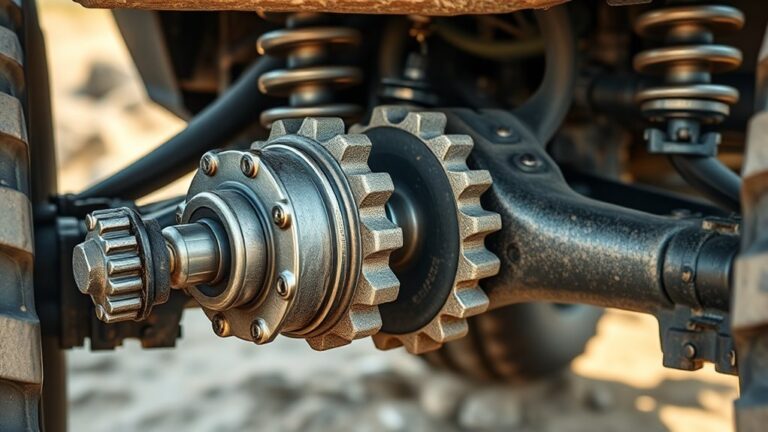
You can picture both tires on a Jeep axle biting the ground at the same time instead of one spinning uselessly in mud or rock. Jeep lockers are mechanical devices that force the left and right wheels to rotate together, so they share torque evenly when traction drops.
They aren’t the same as open differentials or limited-slips, and the choice between front and rear can change how your Jeep behaves in the field. Understanding how Jeep lockers work can make a big difference in off-road performance and vehicle control.
Key Takeaways
- Jeep lockers are differential devices that mechanically lock both axle wheels to rotate at the same speed.
- They improve traction by sending torque to the wheel with grip when the other wheel spins.
- Lockers help maintain forward motion in rocks, mud, sand, ruts, and other low-traction terrain.
- Compared with open and limited-slip differentials, lockers provide the strongest coupling and most direct traction response.
- Lockers affect steering, pavement behavior, and maintenance, so they should match your axle, terrain, and driving needs.
What Are Jeep Lockers
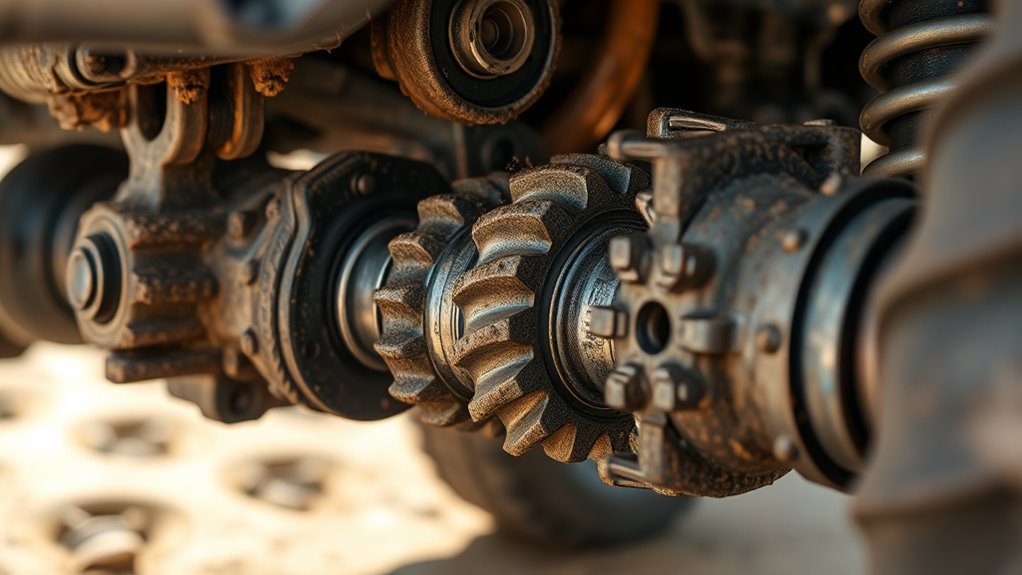
Jeep lockers are differential devices that can mechanically lock both wheels on an axle together, forcing them to turn at the same speed. You use them when traction loss makes standard differential behavior less effective on uneven terrain.
In practice, a locker helps you maintain forward motion by keeping axle torque available to both wheels, which matters on rocks, mud, sand, and ruts. You’ll see them discussed in off road fashion, but they’re functional hardware, not styling parts.
When you’re building dashboards for a Jeep project, you may also want locker status indicators or control switches integrated cleanly. A locker changes how your vehicle behaves under load, so you should choose one based on axle type, intended terrain, and driving requirements rather than appearance or trend.
How Jeep Lockers Work
A locking differential connects both axle shafts so they rotate together instead of allowing one wheel to spin faster than the other. When you engage a Jeep locker, you force equal torque to both wheels, which helps maintain drive force when one tire loses traction.
You can use this mechanism to improve traction in mud, rocks, snow, or other low-grip conditions.
Locking Differential Basics
To understand how Jeep lockers work, start with the differential itself: it lets the left and right wheels on an axle rotate at different speeds so the vehicle can turn smoothly. A locking differential adds a mechanism that can force both axle shafts to turn at the same speed when you engage it.
In normal operation, you get differential action; when locked, you reduce wheel-speed variation and change how torque flows through the axle. Some systems use electrical or pneumatic actuators, while others rely on internal gears and clutches. You’ll also see disabling features that let you switch the locker off for pavement use, which matters for street legality.
When evaluating Jeep lockers, you should consider engagement method, control interface, and how the unit integrates with your axle setup.
Traction In Action
When traction starts to fade, a locker can redirect available torque so both wheels on an axle keep turning together instead of letting the spinning wheel take most of the power. You feel the difference when one tire climbs over rock, mud, or loose gravel and the other still has grip.
Instead of allowing the differential to send speed to the easiest path, the locker forces equal rotation and helps you keep moving. In practice, that means fewer wheel spins and more controlled progress. You still need good car care habits, because worn components can limit performance.
Proper tire pressure also matters; too much or too little changes contact patch size and affects how effectively the tires can use the added torque.
Open vs Limited-Slip vs Locker
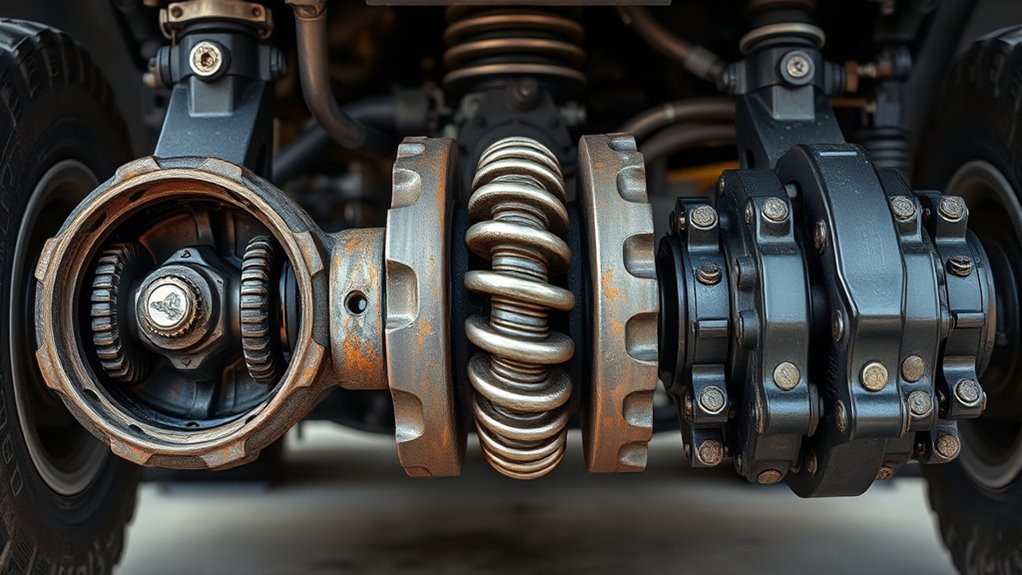
Open, limited-slip, and locker differentials all manage wheel speed differently, and that difference directly affects traction, steering, and drivability. With an open differential, you get smooth turning, but torque follows the wheel with least resistance.
A limited slip unit uses clutches or gears to bias torque, so you keep more usable grip before one tire spins. A locker goes further by forcing both axle shafts to turn together, maximizing drive force but increasing turning effort.
You can think about the tradeoffs like this:
- Open differential: predictable, but weakest for traction.
- Limited slip: balanced, with better control and manners.
- Locker: strongest coupling, most direct response.
You’ll notice each design changes how your Jeep behaves on pavement and dirt, so your setup should match your driving priorities.
When Lockers Help Off-Road
Lockers shine most on low-traction terrain where one tire can lose grip and spin freely, such as rocks, mud, deep ruts, loose sand, and steep climbs. You gain better torque transfer because the locking mechanisms force both wheels on an axle to turn together, reducing the chance that a spinning tire wastes power.
That improves off-road dynamics when articulation lifts a tire or when uneven surfaces create large traction differences side to side. You can maintain forward motion with less wheel spin, which helps preserve momentum and control. Lockers also reduce the need for excessive throttle, so you can climb more deliberately and avoid digging in.
On surfaces with mixed traction, they help you keep the axle pulling instead of letting one tire dominate.
Front vs Rear Lockers
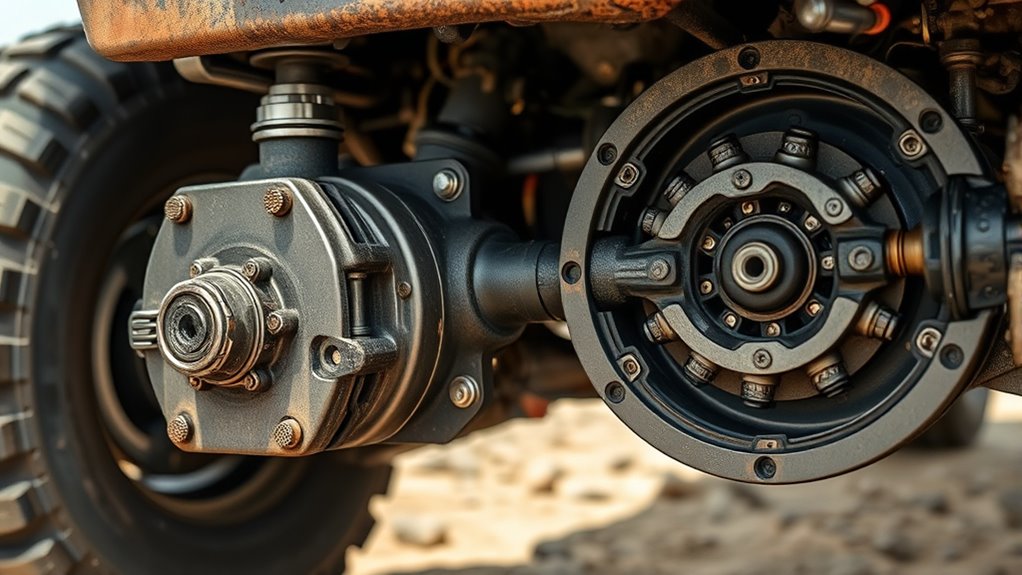
Front and rear lockers affect a Jeep differently because each axle plays a distinct role in steering, traction, and stability. You’ll notice a front locker keeps both front wheels turning together, which improves pull but also increases steering effort on slick or loose terrain.
A rear locker usually preserves more predictable tracking because the rear axle doesn’t direct the vehicle. When you’re unlocking myths, remember that locker choice isn’t about one axle being “better”; it’s about how your Jeep transfers torque and responds to wheel slip.
- Front lockers can sharpen climb control.
- Rear lockers can maintain steadier line holding.
- Street legality depends on your local rules and setup.
You should match the axle to your driving needs and axle geometry.
Pros and Cons of Lockers
Lockers can give you a major traction advantage by sending torque to both wheels on an axle, which helps you maintain forward motion on loose rock, mud, and uneven terrain. They also change how your Jeep handles, so you may notice more tire scrub, tighter turning behavior, and reduced predictability on pavement or in low-traction cornering.
You’ll also need to weigh the added cost, installation complexity, and ongoing maintenance against the performance gains.
Traction Benefits
On a loose trail or slick rock face, a locker can keep both wheels pulling instead of letting one spin uselessly, which gives your Jeep a clear traction advantage when a single tire loses grip. You’ll notice more consistent wheel torque transfer, especially when articulation unloads one axle shaft.
That extra drive helps you maintain momentum over ruts, mud, and uneven ledges, supporting off road safety when precise crawl control matters.
- Both tires share available grip.
- Wheelspin drops when one side lifts.
- Climbing force stays usable in low-traction conditions.
Because the locker reduces wasted rotation, it can also limit unnecessary throttle input, which may help fuel efficiency in technical driving. In practice, you get more mechanical bite from the axle, not more engine power.
Handling Tradeoffs
A locker can sharpen off-road control, but it also changes how your Jeep behaves on pavement and in turns. You’ll notice tighter turning geometry, more drivetrain bind, and occasional tire scrub when both rear wheels lock together. Those handling tradeoffs matter most on wet roads, steep grades, and low-speed maneuvers where predictable rotation counts.
An automatic locker can engage abruptly, while a selectable unit lets you keep open-differential behavior until you need traction. Your installation considerations should include axle type, gear setup, and whether you want rear, front, or both axles locked.
Correct setup helps preserve steering feel and reduces unwanted engagement. If you match the locker to your terrain and driving style, you’ll get stronger crawl performance without giving up too much on-road control.
Cost And Maintenance
Beyond handling behavior, lockers also affect your budget and upkeep. You’ll usually pay more upfront for selectable units and installation, but you can see cost savings over time if you avoid repeated recovery work or tire wear from spinning one wheel. Maintenance depends on design: automatic lockers need periodic inspection of gears, clutches, and lubricant; air or electric lockers add seals, wiring, or compressors that you must check for leaks and faults.
- Initial purchase and setup can strain your budget.
- Routine service is simple if you inspect fluids and adjust engagement.
- Brand comparisons matter because durability, parts availability, and warranty coverage vary.
If you want long-term reliability, factor in axle setup, service intervals, and replacement parts before you buy.
Common Jeep Locker Types
Jeep lockers commonly fall into three main categories: automatic, selectable, and limited-slip, each affecting traction, drivability, and installation complexity differently. Automatic lockers engage whenever wheel speed differs, so you get strong traction without driver input, but you may notice cornering noise and tighter pavement behavior.
Selectable lockers let you choose when to lock the axle, giving you maximum control for rocks, mud, and steep climbs, while preserving normal road manners. Limited-slip units don’t fully lock; they bias torque to the wheel with grip, which can help in snow or light trails.
You should match the type to your terrain, axle strength, and driving style. Good off road etiquette means using traction aids responsibly, especially when diesel engine torque can stress drivetrain components quickly.
What to Know Before Installing Lockers
Before you install lockers, you’ll want to verify axle strength, gear ratio, tire size, and intended use, because those factors determine whether a locker will improve performance or expose weak links. You should also assess steering effort, brake balance, and suspension travel, since lockers can alter driving ergonomics on pavement and in tight terrain. Expect more noise, sharper turns, and reduced fuel efficiency when traction demand stays low.
- Confirm the axle housing, shafts, and carrier can handle added torque.
- Match locker type to your daily driving, trail frequency, and surface conditions.
- Budget for setup labor, gears, seals, and a re-tune if needed.
If you skip these checks, you may create drivability issues, unnecessary wear, and expensive failures later.
Frequently Asked Questions
How Much Do Jeep Lockers Typically Cost?
Jeep lockers typically cost $700-$1,500 per axle, depending on type, brand, and lockers price. Installation costs can add $400-$1,200.
You’ll pay more for electronic units, upgraded gears, and professional setup.
Can Lockers Be Used Safely on Daily Commutes?
Yes, you can use lockers safely on daily commuting if you manage traction and handling carefully. You should consider safety considerations, because aggressive engagement can affect cornering, tire wear, and stability on pavement.
Do Lockers Affect Fuel Economy Noticeably?
Yes, lockers can noticeably reduce fuel economy because they increase drivetrain drag and tire scrub, especially during turns. You’ll usually see a small drop, but your driving style, terrain, and locker type affect how much.
Are Factory Jeep Lockers Better Than Aftermarket Options?
You’ll find factory lockers better if you value integration and warranty; aftermarket tradeoffs, though, can deliver stronger torque bias, cheaper repairs, and customizable control. You’ll accept more install complexity, calibration needs, and potential drivetrain noise.
How Often Do Jeep Lockers Require Maintenance?
You’ll typically inspect Jeep lockers every 3,000 to 5,000 miles, with service depending on use. Hard off-roading raises maintenance frequency. Jeep lockups need fresh lubricant and seal checks, and lockers cost more when repairs or rebuilds are needed.
Conclusion
Jeep lockers give you a decisive traction advantage because they force both wheels on an axle to turn together, even when one loses grip. In off-road testing, vehicles with locking differentials can deliver up to 100% of available torque to the wheel with traction, compared with an open differential’s much weaker split.
If you choose and install lockers correctly, you’ll improve control, climbability, and recovery performance without relying on wheelspin. Ultimately, Jeep lockers are essential for maximizing your vehicle’s off-road capability and ensuring you maintain traction in challenging conditions.