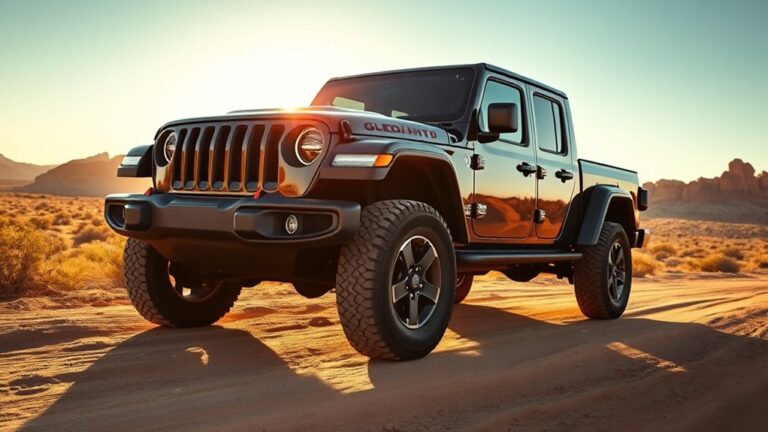
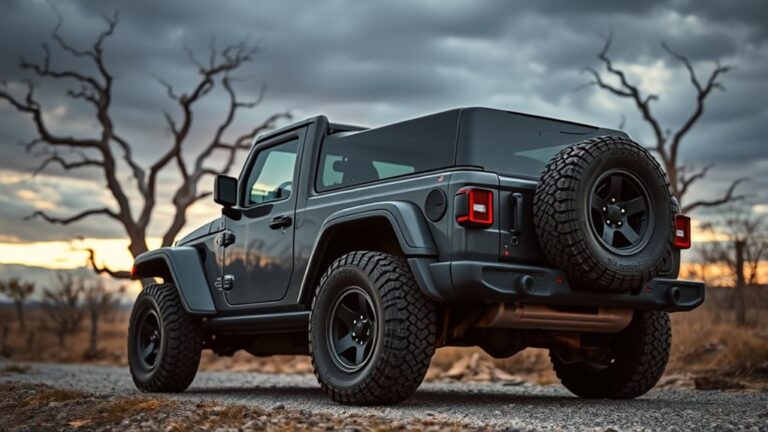
Is a Jeep Wrangler a Good First Car
As an Amazon Associate we earn from qualifying purchases.
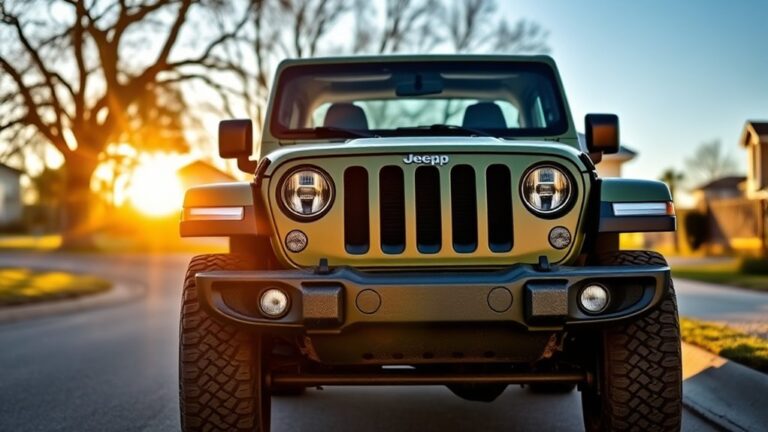
Like a knight in rugged armor, a Jeep Wrangler can look like the perfect first car if you want style and trail-ready ability, but you should weigh that appeal against its firm ride, loud cabin, tricky parking, and higher running costs.
It gives you a high driving position and strong personality, yet its daily comfort and efficiency may test your patience.
The real question is whether its strengths fit your routine better than a more practical choice.
Key Takeaways
- A Jeep Wrangler can be a good first car if you want rugged capability and a very different driving feel.
- It is not ideal for beginners seeking a quiet ride, easy parking, or low running costs.
- The high seating position and strong visibility help, but steering and ride can feel less forgiving.
- Fuel, insurance, tires, and maintenance usually cost more than in compact SUVs or hatchbacks.
- For most first-time buyers, alternatives like the HR-V, CX-30, Crosstrek, or Corolla Hatchback are easier to live with.
Is a Jeep Wrangler a Good First Car?
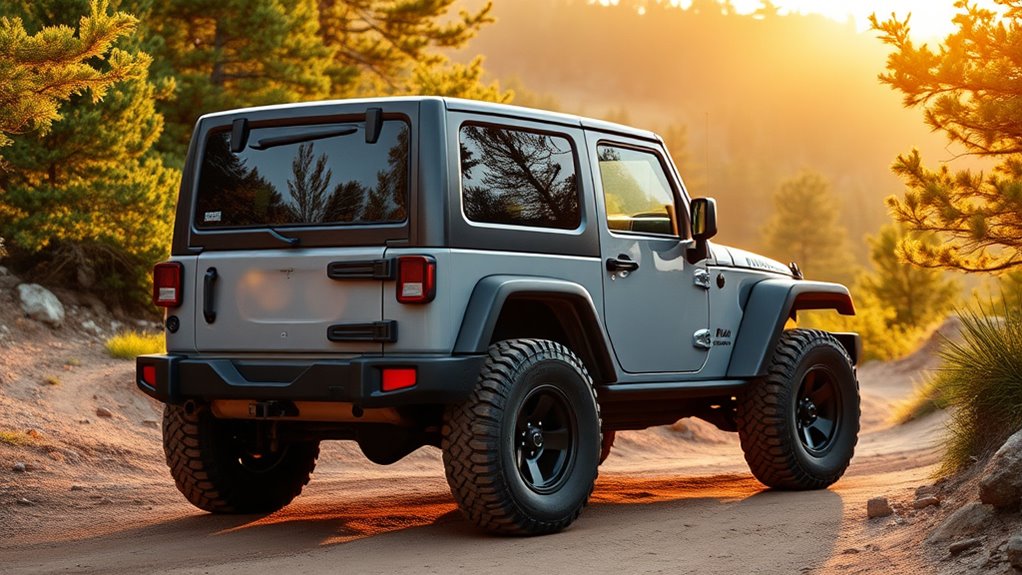
A Jeep Wrangler can be a good first car for some drivers, but it depends on what you need from a vehicle and how much driving experience you already have. You’ll likely appreciate its simple controls, strong visibility, and rugged character if you want a vehicle that feels different from a typical sedan.
Still, you should weigh fuel economy, insurance costs, and higher purchase prices against those benefits. You may also find the ride firmer and the steering less precise than in many crossovers, which can matter if you’re new to driving.
If you mostly commute, park in tight spaces, or want lower running expenses, another option could suit you better. If you value versatility and off-road ability, the Wrangler makes more sense.
What Safety Features Does a Wrangler Have?
When you look at a Wrangler’s safety setup, you’ll find airbag coverage designed to protect key seating positions in a collision. You also get stability control systems that help you maintain traction and reduce the chance of skids, especially on uneven roads.
Depending on the trim and model year, you may also have driver-assistance tech like blind-spot monitoring, rear cross-traffic alert, and parking aids.
Airbag Coverage
Safety-wise, the Wrangler includes a standard airbag system that typically covers the front seats, with supplemental side-impact airbags depending on trim and model year. You should check the exact airbag coverage on the specific Wrangler you’re considering, because Jeep has changed equipment across generations.
Front airbags protect you and your passenger in a frontal crash, while available side-impact units add another layer of protection in certain collisions. For a first car, you’ll want to compare this setup with recent crash testing results, since ratings can reveal how well the vehicle’s structure and restraints work together.
Airbags help, but they don’t eliminate risk, so you should verify the model’s full safety equipment list before you buy.
Stability Control Systems
Stability control is one of the most important safety systems to check on a Wrangler, because it helps keep the vehicle pointed where you intend when traction drops or a maneuver gets abrupt. You’ll usually get electronic stability control, traction control, and roll mitigation tuned for a high-riding SUV.
That matters when you drive on wet pavement, gravel, or uneven streets. Consider these points:
- It can reduce wheel slip.
- It may correct mild skids.
- It supports control in emergency turns.
- It works best when tires are healthy.
Opinions vary on how reassuring the system feels in a Wrangler, since its tall stance changes handling. Still, it adds a useful margin of safety, and reliability concerns are generally limited to upkeep, calibration, or sensor issues.
Driver Assistance Tech
A Wrangler can include a useful set of driver assistance features, but the exact package depends on trim and options. You may get blind-spot monitoring, rear cross-path detection, rear parking sensors, adaptive cruise control, and forward collision warning with active braking.
These systems can help you in daily traffic, where visibility is limited by the upright body and spare tire. They don’t replace careful driving, though, because steering feel, braking distance, and ride motion still require attention.
If you’re new to the vehicle, these aids can reduce stress while you learn its size and habits. On trails, they’re less central than your judgment and off road etiquette. In driving culture, that balance matters: use technology as support, not as a substitute for awareness.
How Does a Wrangler Handle on Daily Drives?
When you drive a Wrangler every day, you’ll notice that its ride feels firmer and busier than many compact SUVs, especially on rough pavement. You’ll also find that its tall stance and steering setup make parking and tight maneuvering less effortless, even though visibility is generally strong.
These traits matter if you want a first car that feels manageable in routine commuting, shopping trips, and crowded lots.
On-Road Comfort
How comfortable is a Jeep Wrangler for everyday driving? On road, you’ll notice the Wrangler’s ride quality is firm, with more vibration and body movement than most crossovers.
The suspension prioritizes durability and trail performance, so pavement imperfections transmit more clearly into the cabin. You’ll also hear more wind and tire noise at highway speeds, which can make long commutes feel busier.
Still, the seats support you well enough for routine trips, and the upright driving position gives you a clear view ahead. Consider:
- Firm suspension tuning
- Noticeable cabin noise
- Acceptable seat support
- Stable, predictable highway behavior
If you value rugged capability first, the comfort tradeoff may feel reasonable for daily use.
Parking And Maneuvering
Parking a Jeep Wrangler is manageable, but it isn’t as effortless as parking a smaller crossover. You’ll notice the tall stance, boxy body, and wide turning radius in tight lots and narrow garages. Those traits create parking limitations, especially when you need to judge the corners of the vehicle or squeeze into compact spaces.
The upright seating position helps you see traffic and curbs, but it doesn’t erase the need for careful steering. In city driving, you may need more space to complete U-turns and back-in parking. At low speeds, the Wrangler feels deliberate rather than nimble.
If you’re a new driver, expect a learning curve. Its size also can increase wear from minor scrapes, which may add to maintenance costs over time.
How Much Does a Wrangler Cost to Own?
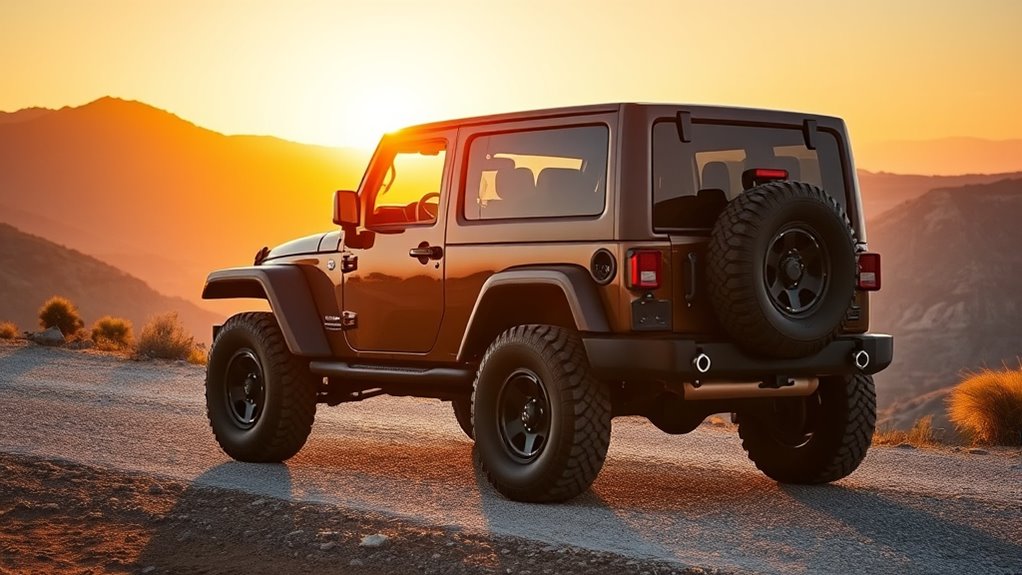
A Jeep Wrangler usually costs more to own than a typical compact first car because its gas mileage, insurance, tires, and routine maintenance can all run higher. You should compare these expenses before you buy, since they affect your monthly budget and long-term total. Use two word discussion ideas and topics to consider like fuel economy, insurance rates, tire replacement, and service intervals.
- Fuel costs add up quickly in city driving.
- Insurance often exceeds that of smaller cars.
- Off-road tires usually wear faster and cost more.
- Regular maintenance can be pricier because parts and labor may be specialized.
If you want a first vehicle with predictable ownership costs, run the numbers carefully.
What Problems Do New Wrangler Owners Face?
New Wrangler owners often run into a few predictable issues that can make the learning curve steeper than expected. You may notice more road noise, heavier steering, and a less refined ride than many vehicles in this class.
In a Jeep Wrangler, top and door removal can also expose you to extra weather checks and security concerns. As a first car, it can surprise you with higher maintenance costs, especially for tires, suspension parts, and routine service.
You should also weigh reliability concerns, since some owners report small electrical faults or fit-and-finish issues over time. These problems don’t make it unusable, but they do mean you’ll need patience, regular upkeep, and realistic expectations about how the Wrangler behaves day to day.
Is a Wrangler Comfortable for Everyday Use?
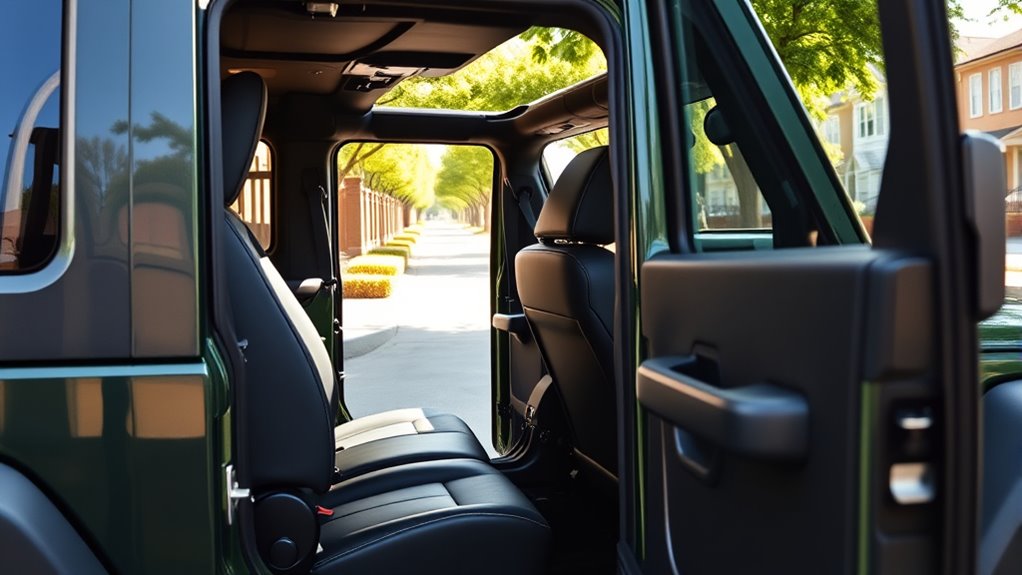
Comfort is one of the biggest trade-offs with a Wrangler, especially if you plan to use it every day. You’ll notice firm ride quality, upright seating, and more cabin noise than in many SUVs. Still, some comfort features help:
Comfort is a trade-off in a Wrangler, with a firm ride, upright seating, and extra cabin noise.
- Supportive front seats for short and medium drives
- Easy-to-reach controls that reduce distraction
- Available climate and infotainment upgrades
- Good visibility in traffic and parking
You may find the rear seat and cargo area less accommodating for long commutes or frequent errands. The cabin focuses on durability and off-road performance, so plush materials and isolation take a back seat.
If you value practicality and can accept a truck-like feel, you’ll likely adapt. If you want quiet, soft-riding transportation, you may prefer another vehicle.
What Makes the Wrangler So Fun to Drive?
What makes a Wrangler so fun to drive is the way it turns ordinary trips into something more engaging. You sit high, see the road clearly, and feel every input translate into immediate motion.
The steering and short wheelbase give you a direct, nimble feel at lower speeds, while the available four-wheel-drive hardware adds confidence on rough pavement and dirt. You also get a strong sense of connection because the cabin lets in more noise and movement than many crossovers.
That same character affects fuel economy, which isn’t a highlight, and maintenance costs can run higher than average. Still, if you value responsiveness, trail capability, and a mechanical driving experience, the Wrangler delivers a level of involvement that few first cars can match.
Who Should Skip the Jeep Wrangler?
A Jeep Wrangler isn’t the right first car for everyone, especially if you want low running costs, easy road manners, and a quiet, comfortable commute. You should skip it if you prioritize refined SUV design over rugged character, because its body-on-frame setup and off road aesthetics trade smoothness for capability.
It also works poorly for you if you:
- Drive mostly on highways.
- Need a calm, quiet cabin.
- Want simple parking and tight turning.
- Care most about fuel efficiency.
You may also find its steering, ride, and visibility less forgiving if you’re still building driving confidence. The Wrangler rewards commitment, but it asks you to accept more noise, more bounce, and more compromise than many first-time drivers expect.
Best First-Car Alternatives to a Wrangler
If you want a first car with less compromise than a Wrangler, look at compact SUVs and hatchbacks that balance visibility, easy parking, and lower operating costs. You’ll usually get better fuel economy, simpler maintenance, and more cargo flexibility from models like the Honda HR-V, Mazda CX-30, Subaru Crosstrek, or Toyota Corolla Hatchback.
These vehicles also tend to fit better into personal finance plans because you can buy, insure, and fuel them for less over time. That matters when you’re building credit or managing monthly cash flow. Insurance implications can also be favorable, since smaller vehicles often cost less to cover than a body-on-frame 4×4.
If you still want a rugged feel, choose all-wheel drive, good ground clearance, and strong safety ratings without Wrangler-level ownership costs.
Frequently Asked Questions
How Reliable Is a Jeep Wrangler Over Ten Years?
You can expect mixed reliability over ten years; Wranglers often show decent reliability trends, but maintenance, rust, and steering issues can affect long term ownership.
If you service it regularly, you’ll likely reduce major problems substantially.
Does the Wrangler Require Premium Fuel?
Usually, you don’t need premium fuel in a Wrangler; coincidence may surprise you, but checking the badge matters.
You’ll face premium fuel requirements only on some turbo or performance trims, balancing fuel economy concerns and cost.
Can a Jeep Wrangler Fit Child Car Seats?
Yes, you can fit child car seats in a Jeep Wrangler, though child seat compatibility varies by model and trim. You’ll want to check cargo space feasibility, rear-seat access, and anchoring points before buying.
How Easy Is a Wrangler to Park in Tight Spaces?
You’ll find a Wrangler manageable in tight spots, but not easy. Its boxy shape helps with compact parking, yet poor rear visibility makes backing up harder. You’ll need patience, mirrors, and careful steering.
What Trim Level Is Best for a First-Time Driver?
You should choose the Sport trim: it’s the Swiss Army knife of Wrangler trims, simple, affordable, and easy to learn. You’ll get turbocharged options, available safety tech, and a green exterior color if you want visibility.
Conclusion
If you’re considering a Jeep Wrangler as your first car, you should weigh the fun against the tradeoffs. Wranglers have a strong resale value, but they also rank poorly in fuel economy, often around 17 to 25 mpg, which can raise your daily costs. You’ll get great visibility and off-road ability, yet you’ll also deal with noise, a firmer ride, and higher insurance.
If you want easy, economical commuting, you’d likely be better off with a more conventional first car. Ultimately, whether a Jeep Wrangler is a good first car depends on your priorities and lifestyle.