Is a Jeep a Good First Car
As an Amazon Associate we earn from qualifying purchases.
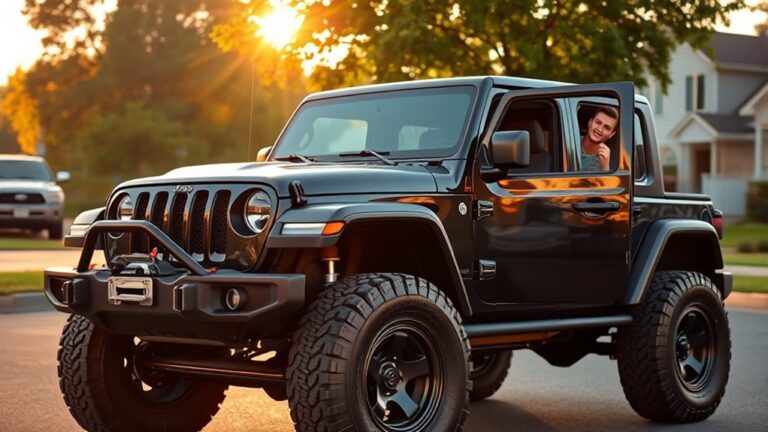
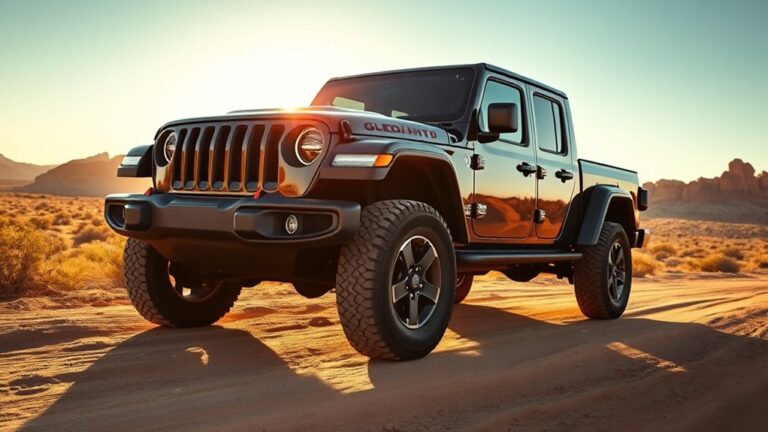
Are you really better off choosing a Jeep as your first car? If you want strong visibility, simple controls, and a vehicle that can handle rough roads, a Jeep can make sense, especially in smaller models like the Compass or Renegade.
But you also need to weigh fuel use, ride comfort, noise, and maintenance costs. Not every Jeep suits a new driver—and the right answer depends on what you expect it to do.
Key Takeaways
- Jeeps can be good first cars if you value visibility, simple controls, and a strong sense of driver confidence.
- Compact Jeep models like the Compass, Renegade, and Cherokee are usually easier for new drivers than larger Wranglers or Grand Cherokees.
- The high seating position helps with parking, spotting pedestrians, and reading traffic, but it does not replace careful driving.
- Jeeps often ride rougher, use more fuel, and cost more to insure and maintain than many smaller SUVs.
- A Jeep makes sense as a first car when daily needs, parking, and commute demands fit its size and ownership costs.
Is a Jeep a Good First Car?
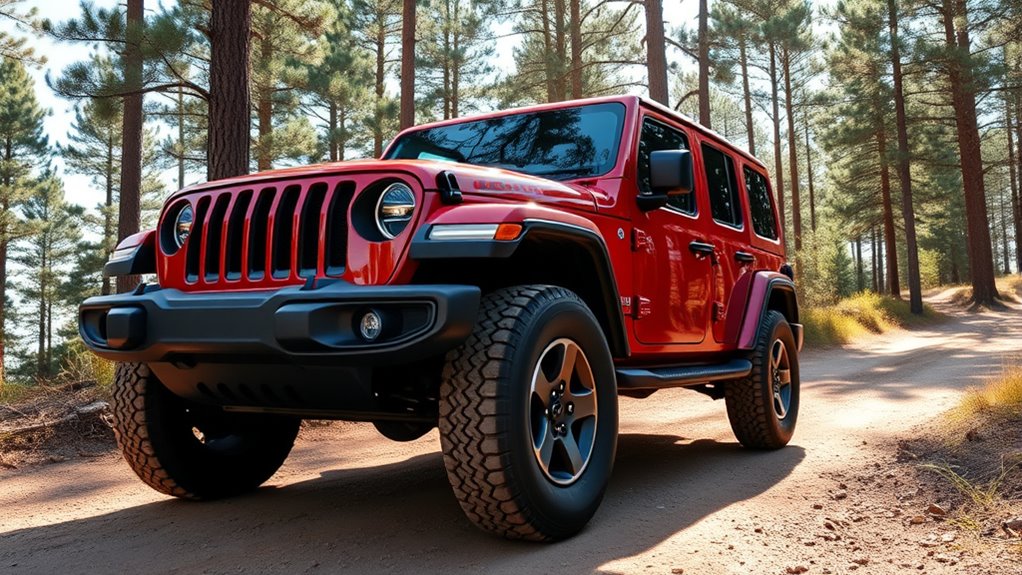
A Jeep can be a solid first car for the right driver, but it isn’t the best fit for everyone. You should weigh your needs against its strengths and compromises.
If you value higher seating, strong visibility, and all-weather capability, a Jeep may suit you. If you prioritize fuel economy, easy parking, or low running costs, you may want another option.
You also need to consider ride comfort, maintenance costs, and how often you’ll drive in city traffic. Don’t treat an unrelated topic, like custom styling, as if it proves practicality; that’s an irrelevant theme when you’re judging first-car value.
The better question is whether the vehicle matches your daily use, budget, and experience level.
Why New Drivers Like Jeeps
You may find that Jeeps appeal to new drivers because the upright seating position gives you strong visibility around the vehicle.
You also get a straightforward, rugged design that can make the driving experience feel more approachable and less complicated. For many first-time drivers, that simple off-road image adds confidence without demanding advanced driving skills.
Easy Visibility
One reason new drivers often like Jeeps is the tall seating position, which gives a clearer view of the road, lane markings, and surrounding traffic. You can use that easy visibility to judge gaps, spot pedestrians sooner, and stay oriented in busy traffic.
For many daily driving needs, that perspective reduces guesswork and can make parking feel more manageable. Still, you should evaluate the vehicle as a whole, not just the seating height. Consider:
- Mirror coverage and blind-spot size
- Window shape and pillar placement
- Your comfort when scanning intersections and merging
If you’re learning to drive, clear sightlines can support confidence, but they won’t replace careful habits, practice, and steady attention behind the wheel.
Simple Off-Road Appeal
That same straightforward design is part of Jeep’s appeal for new drivers beyond city streets, since many models make light trail driving feel approachable rather than intimidating. You get a clear sense of control on dirt roads, gravel, and mild trails, because the vehicle’s hardware is built to handle uneven surfaces without demanding expert skill.
That can make off road performance feel more usable than extreme, especially when you’re still learning how a vehicle reacts away from pavement. You also have room to grow: aftermarket upgrades let you improve tires, lighting, or suspension later, so the platform can match your experience over time.
For many beginners, that combination of simplicity, capability, and flexibility makes Jeep ownership feel practical rather than purely adventurous.
What Does a Jeep Cost to Own?
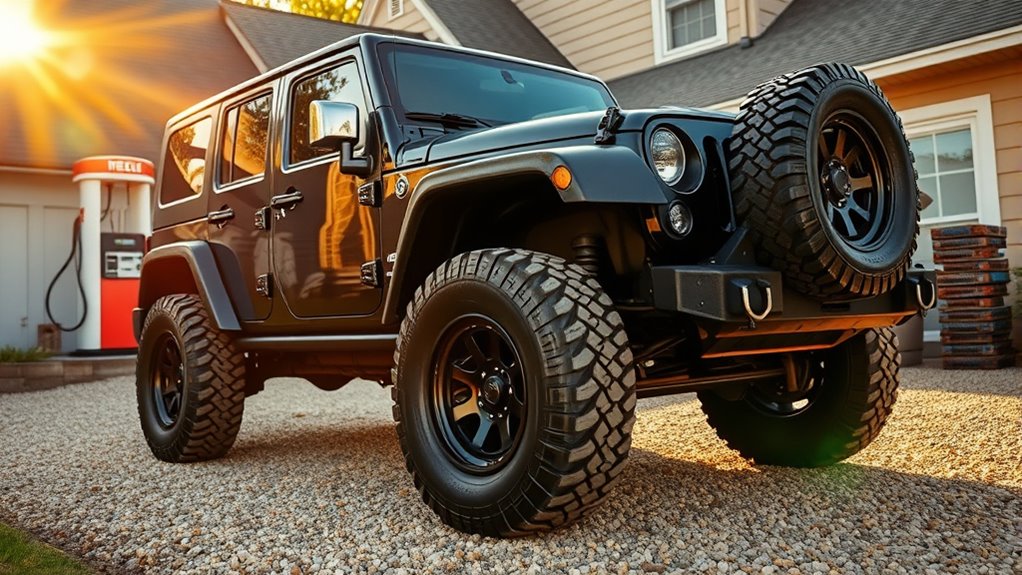
A Jeep’s ownership costs usually run higher than those of many compact cars, mainly because of fuel consumption, insurance, tires, and routine maintenance. If you build a succinct budget, you can estimate the gap before you buy. Don’t let maintenance myths distort your view; regular care isn’t exotic, but parts and labor can still cost more than average.
- Fuel: You’ll likely spend more at the pump than you would with a smaller sedan.
- Tires: You may replace larger, more aggressive tires sooner, especially with off-road use.
- Service: You should plan for fluid changes, brakes, and suspension checks that keep long-term costs predictable.
If you compare quotes and review service history, you’ll get a clearer picture of total ownership.
How Easy Is a Jeep to Drive Daily?
Day to day, a Jeep can feel easy enough to live with, but the experience depends on which model you choose and how you drive. You’ll notice upright seating, good visibility, and simple controls, which can make short trips and parking less stressful.
A Jeep can feel easy to live with, thanks to upright seating, good visibility, and simple controls.
At the same time, taller suspension and boxy styling can reduce driving comfort on rough pavement and in tight spaces. You may also deal with larger turning circles and more road noise than in a typical compact SUV.
Those are feature tradeoffs: you gain a commanding view and utility, but you give up some smoothness and refinement. If you mostly drive city streets, commute regularly, and want straightforward operation, a Jeep can be manageable.
If you expect quiet, cushioned everyday travel, compare carefully.
How Safe Is a Jeep for New Drivers?
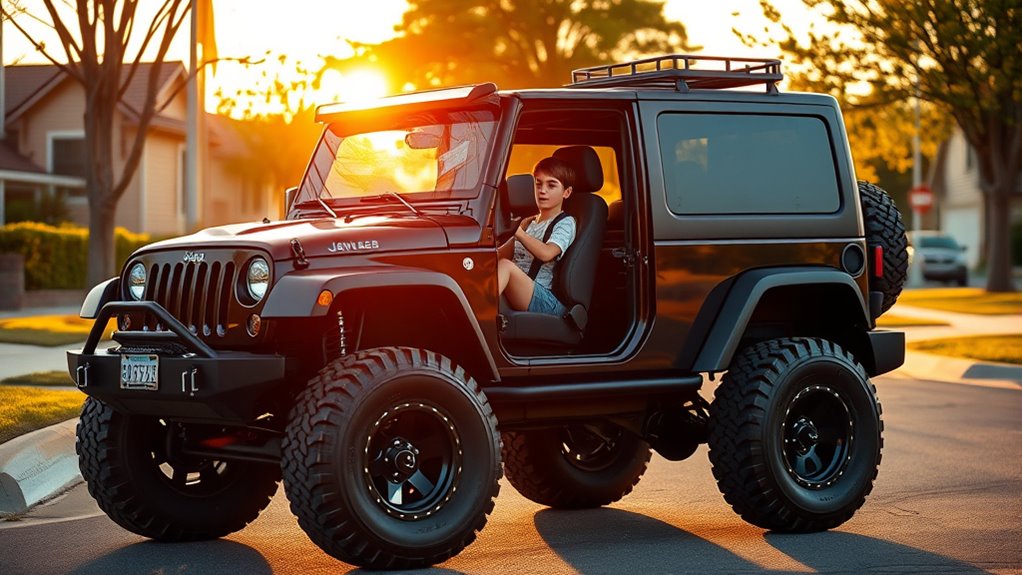
Safety is one of the biggest factors to weigh when you’re choosing a first car, and a Jeep can be a mixed fit for new drivers. You may feel confident in its high seating position, but that can create imagined safety if you rely on feel instead of data.
To judge the real picture, compare:
- crash-test results
- visibility from the driver’s seat
- active safety tech
Jeep models often offer solid structure and available driver aids, yet their taller stance can make quick maneuvers less forgiving.
You should also note aftermarket quirks, since lifted suspensions or oversized tires can change handling and braking. For new drivers, the best safety answer depends on the exact trim, the options installed, and how carefully you keep the vehicle set up.
How Reliable Is a Jeep?
Reliability is the next big question after safety, because a first car needs to start, run, and stay affordable to own. You’ll find that Jeep reliability varies by model, year, and upkeep, so you can’t assume every Jeep performs the same.
In general, you should expect more attention to service than with some mainstream compact cars. Parts and repairs can add up, and owners sometimes report inconsistent build quality or unreliable maintenance costs over time. Fuel economy also tends to be lower than average, which affects daily ownership costs.
If you keep up with scheduled service, you can reduce some risks, but you should still budget for occasional repairs. Overall, a Jeep can be dependable enough, yet it often demands more planning than a typical first car.
Which Jeep Models Make Better First Cars?
If you’re choosing a Jeep as a first car, compact models like the Compass and Renegade often make more sense than larger, more demanding SUVs.
You’ll also want to look for safety-focused trims that add driver-assist features, better visibility aids, and parking help. Models with lighter steering, smaller footprints, and simpler controls usually feel easier to handle in daily driving.
Compact Jeep Options
When you narrow the field to compact Jeep models, the Cherokee and Compass usually stand out as better first-car picks than the Wrangler. You get easier parking, lower operating costs, and a calmer driving experience, which matters if you’re still building confidence.
These compact alternatives suit daily commuting better, while subcompact options can feel even easier in tight city traffic. Consider:
- Cherokee: more space and a composed ride.
- Compass: smaller footprint and simpler maneuvering.
- Renegade: the most city-friendly, though less roomy.
You should weigh visibility, cargo needs, and fuel economy before choosing. Compared with larger Jeeps, these models reduce the learning curve without removing the brand’s character. For many first-time buyers, that balance makes them practical entry points.
Safety-Focused Trims
Safety features can make a Jeep much more suitable as a first car, especially when you choose trims with modern driver-assistance tech and stronger crash-avoidance systems. You should focus on safety trims that add blind-spot monitoring, rear cross-path alerts, lane-keeping support, and automatic emergency braking, because these systems can reduce common beginner mistakes.
Higher trims on models like the Compass, Cherokee, and Grand Cherokee often package these features more completely than base versions. You’ll need to balance those gains against affordability concerns, since better-equipped trims usually cost more upfront and can raise insurance costs too.
If you compare equipment carefully, you can identify a Jeep that offers useful protection without pushing you into unnecessary premium features or overspending for your first vehicle.
Easy-To-Drive Models
Even with strong safety equipment, not every Jeep feels equally friendly for a new driver, so the easiest models to handle deserve close attention. You’ll usually find the Compass, Renegade, and Cherokee more approachable than larger, body-on-frame Jeeps.
Their smaller footprints make parking simpler, steering lighter, and visibility more predictable in traffic. 1. Compass: balanced ride and calm road manners. 2. Renegade: compact size and straightforward controls. 3. Cherokee: more power, yet still manageable for daily use.
These models often also bring easier insurance than bigger off-road variants, which can help your budget. Before you buy, check dealer reliability, because consistent service support matters when you’re learning ownership. Choose the Jeep that feels intuitive, not just rugged.
What Jeep Features Help New Drivers?
Jeep models can offer several features that help new drivers feel more confident behind the wheel. You’ll often find high seating positions, which improve visibility and help you read traffic sooner.
Simple controls and clear gauges can reduce distraction, while available rearview cameras and parking sensors make low-speed maneuvering easier. If you’re comparing trims, look at design considerations such as cabin layout, door size, and mirror visibility, since these affect daily comfort and control.
Safety technology, including blind-spot monitoring and stability control, can also support cautious driving. For budget planning, you should weigh these features against insurance, fuel, and maintenance costs, because the right setup balances confidence with affordability.
When Is a Jeep Not the Right First Car?
A Jeep isn’t always the best first car if your daily driving is mostly city streets, tight parking lots, or long highway commutes. You may find its size, steering feel, and fuel use less practical than smaller alternatives.
That’s an unrelated topic to image appeal, and it matters more in real use than an off topic comparison with rugged adventure vehicles. Consider these limits:
- You need easy maneuvering in dense traffic.
- You want lower fuel costs and quieter road manners.
- You prefer straightforward parking and reduced driving stress.
In those situations, a Jeep can feel inefficient rather than helpful. If your routine rarely involves rough roads, you’re paying for capability you won’t use.
For a first car, practicality should outweigh style, especially when daily convenience shapes your experience.
How Do You Decide If a Jeep Is Right for You?
To decide whether a Jeep fits your needs, compare your daily driving demands with the vehicle’s size, ride comfort, fuel use, and parking practicality.
Then weigh how often you’ll actually use its off-road capabilities, since that’s the main reason many buyers choose a Jeep. If your routine is mostly commuting and errands, you’ll need a stronger case for choosing one than if trail driving is a real priority.
Daily Driving Needs
If you’re trying to decide whether a Jeep fits your daily routine, start with how you actually drive: commute length, parking conditions, weather, cargo needs, and how often you’ll carry passengers. A Jeep can work well if your days include short to moderate trips, but you should compare its size, fuel use, and ride feel against your habits.
Consider these factors:
- Parking and visibility: You may like the upright view, but tight spaces can be harder.
- Interior use: You need enough room for bags, school gear, or work equipment.
- Ownership costs: Jeep maintenance and paint protection can matter if you want to limit wear and keep the vehicle looking clean.
If those needs line up, a Jeep can be a practical choice.
Off-Road Priorities
When off-road driving matters to you, a Jeep becomes more compelling because its appeal is tied as much to terrain as to daily commuting. You should assess how often you’ll leave pavement, how difficult those trails are, and whether you need real four-wheel-drive capability or just occasional gravel-road confidence.
If your use is mostly urban, a Jeep’s advantages may not justify the higher cost maintenance and fuel use. You should also factor in insurance impact, since some trims and modifications can raise premiums.
A Jeep makes sense when you value traction, ground clearance, and rugged hardware over ride comfort and efficiency. If that off-road capability will stay mostly unused, a crossover may fit your needs better and cost less to own.
Frequently Asked Questions
Can You Finance a Jeep With No Credit History?
Yes, you can finance a Jeep with no credit history, though you’ll likely need a larger down payment, a cosigner, or special lender programs.
You should also build credit history repair while comparing financing with no established score.
Do Jeeps Fit in Small Parking Spaces Easily?
Jeeps usually feel like a bull in a china shop in tiny spaces; you’ll manage, but curb creep is easy. Their boxy width and turning radius can make tight parking tougher than with smaller cars.
Can a Jeep Handle Snowy Roads Year-Round?
Yes, you can trust a Jeep on snowy roads year round if you choose proper tires and maintain traction systems. You’ll still need cautious driving, because AWD helps, but it can’t overcome ice or worn tires.
How Much Does Jeep Insurance Cost for Teens?
Jeep insurance for teens usually costs more than average, often $2,000 to $5,000 yearly. Your teen’s insurance rate depends on Jeep pricing, model, location, driving record, and discounts.
You’ll want quotes before you decide.
Are Aftermarket Jeep Modifications Expensive for Beginners?
Yes, aftermarket Jeep mods can get expensive fast, especially for beginners. You’ll face modding costs from lift kits, tires, and lighting.
Beginner friendliness varies, since easier bolt-ons still add up quickly.
Conclusion
If you want a first car that feels high, visible, and capable, a Jeep can be a smart choice. If you need quiet comfort, low fuel costs, and easy maintenance, it may not be. That’s the tradeoff: confidence on rough roads versus convenience on smooth ones.
For you, a Compass or Renegade usually makes more sense than a Wrangler. Choose the Jeep that matches your daily driving, not just the image it gives you.
In conclusion, a Jeep can be a good first car if you prioritize capability and visibility over fuel efficiency and quiet rides.