Is 2017 Jeep Wrangler a Jk or Jl
As an Amazon Associate we earn from qualifying purchases.
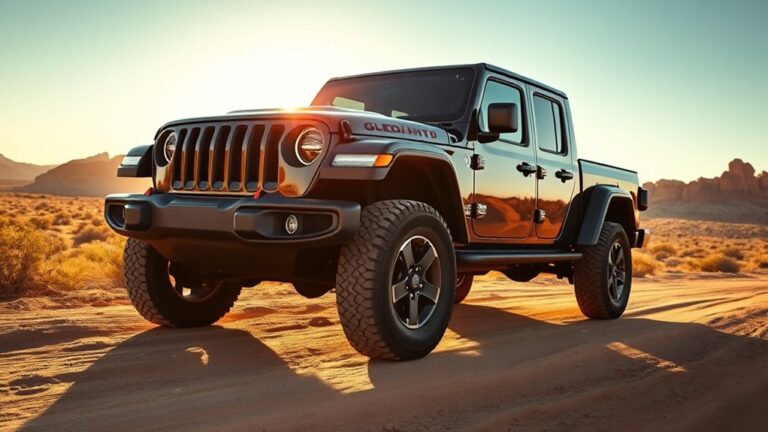
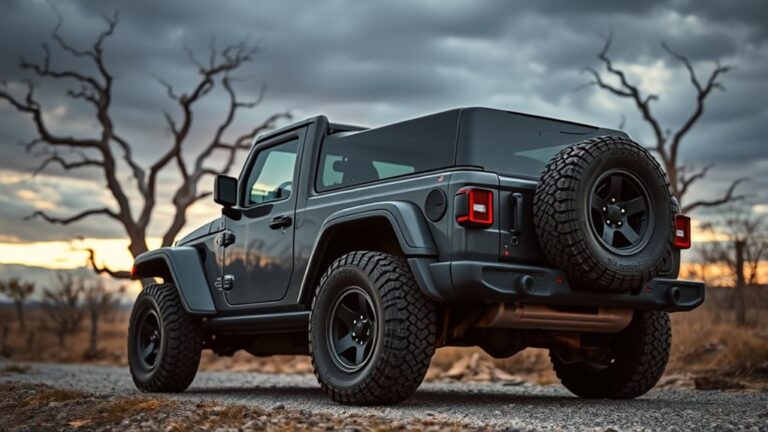
If you’re looking at a 2017 Jeep Wrangler, you’re dealing with a JK, not a JL. Jeep kept the JK platform through the 2017 model year, with the JL not starting until 2018. That means chassis, body structure, and many parts still follow JK specifications.
If you’re matching accessories or verifying fitment, the model year alone isn’t enough. The details get more specific than they first appear. Knowing whether your Jeep Wrangler is a JK or JL is crucial for proper maintenance and upgrades.
Key Takeaways
- A 2017 Jeep Wrangler is a JK, not a JL.
- The JL Wrangler generation starts with the 2018 model year.
- Model year, VIN, and factory documentation confirm the Jeep’s generation.
- The JK was sold from 2007 through 2018, so 2017 still belongs to JK.
- JK and JL parts differ, so verify fitment before buying upgrades.
2017 Jeep Wrangler: JK, Not JL
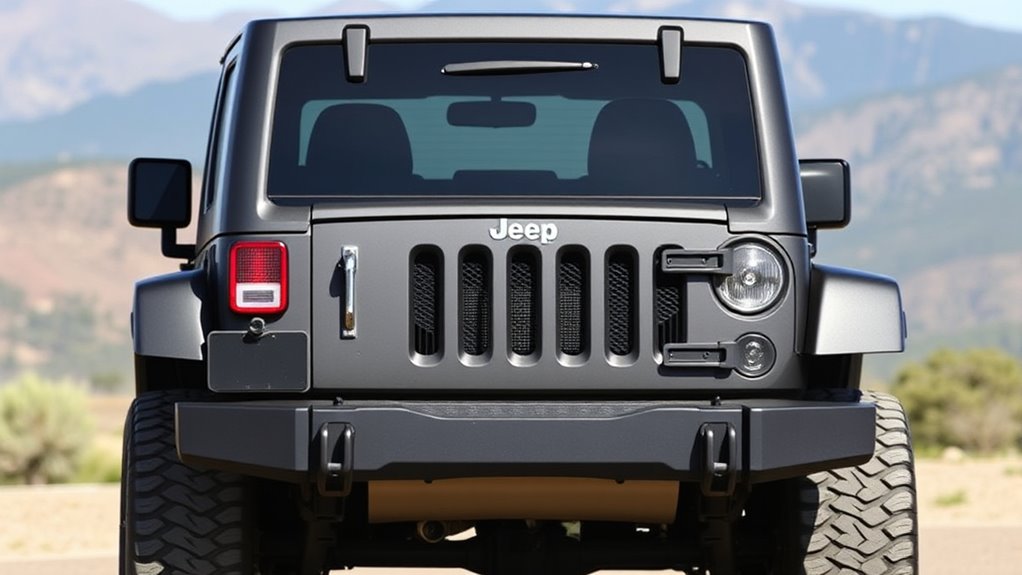
The 2017 Jeep Wrangler is a JK, not a JL, because Jeep did not introduce the JL generation until the 2018 model year. You can treat that as a model-code fact, not an opinionated comparison.
The JK platform ran from 2007 through 2018, but your 2017 example still belongs to that generation. Common misconceptions often come from styling changes and trim updates, yet those don’t redefine the chassis family.
Jeep used the JL to bring new body structure, revised aerodynamics, updated powertrains, and different electronics, all absent from 2017 JK production. If you’re classifying a 2017 Wrangler, you should rely on model-year generation boundaries, not visual assumptions.
That distinction keeps technical identification accurate and avoids mixing two separate Wrangler architectures.
How to Identify a 2017 Wrangler JK
To identify a 2017 Wrangler JK, check the model year badge, VIN, and body design rather than relying on appearance alone. You’re looking for a JK because 2017 was the final JK model year, and its chassis code appears in VIN documentation and build data. These identification tips help you verify the vehicle quickly and accurately.
Check the model year badge, VIN, and body design to confirm a 2017 Wrangler JK.
- Confirm the VIN with a decoder or dealer record.
- Inspect the four-door Unlimited or two-door JK proportions.
- Compare trim tags and factory documentation.
The JK vs JL differences matter mainly for later models, so a 2017 Wrangler won’t show JL-specific factory identifiers. Use the door count, VIN, and registration details together. If those sources align, you’ve identified a 2017 Wrangler JK with confidence.
What Changed From JK to JL?
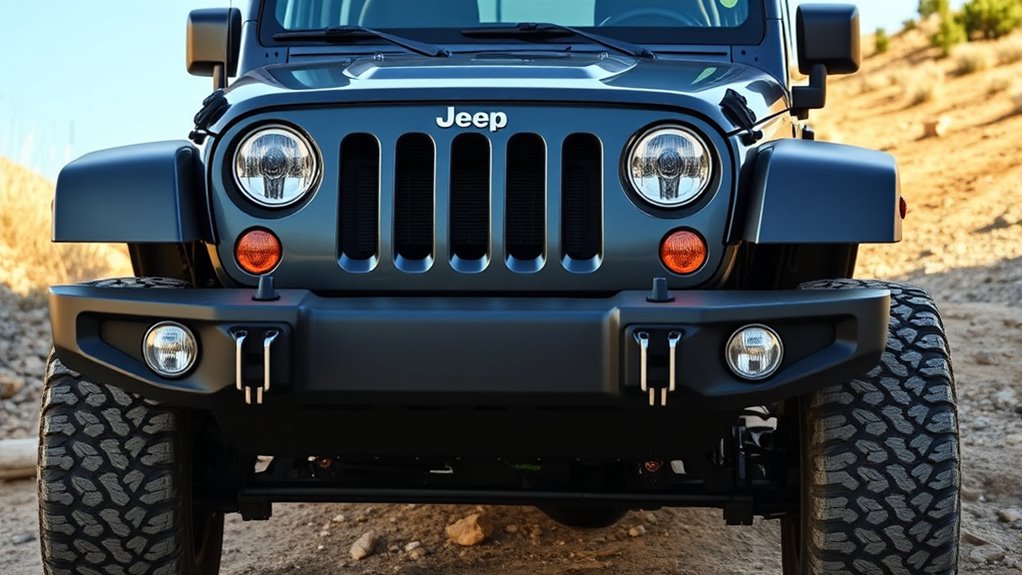
When you compare the JK to the JL, you’ll notice the JL has a revised exterior with sharper body lines, updated lighting, and a more aerodynamic profile.
You’ll also find major interior and tech updates, including a redesigned dashboard, improved materials, and newer infotainment and driver-assist systems. These changes make the JL more refined, but they don’t affect the fact that a 2017 Wrangler is still a JK.
Exterior Design Changes
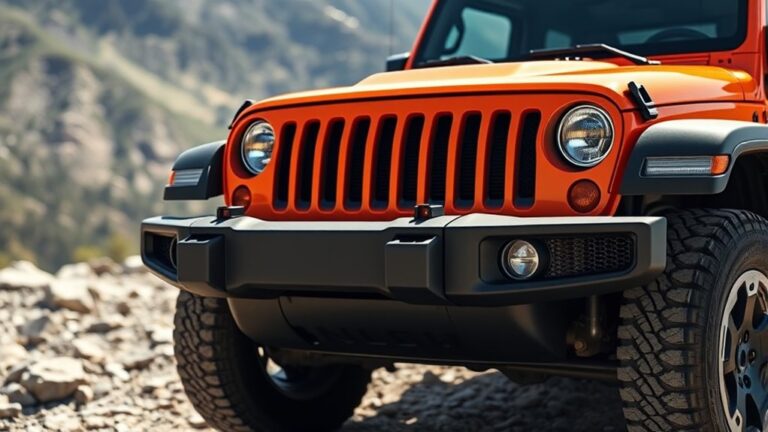
Visually, the JK and JL look similar at a glance, but the JL introduced a cleaner, more aerodynamic exterior with revised body panels, slimmer headlights, a more sculpted grille, and updated fender shapes. If you compare a 2017 Wrangler to a JL, you’ll notice the JK’s exterior design stays boxier, with flatter surfaces and heavier proportions.
The JL sharpens the body lines and slightly changes panel fit and stance for better airflow and reduced visual bulk. Fenders sit differently and feel more integrated. The grille angle appears more refined. Lighting elements look narrower and more modern.
For you, these changes make the JL easier to distinguish, even though Jeep preserved the Wrangler’s classic proportions and off-road identity.
Interior And Tech Updates
Inside the cabin, the 2017 Wrangler JK and the newer JL differ more than the exterior suggests. You get simpler materials, older switchgear, and a more upright dashboard in the JK, while the JL adds interior upgrades like a redesigned instrument panel, improved storage, and better sound insulation.
Jeep also moved controls for easier reach and improved ergonomics. For tech compatibility, the JL supports larger Uconnect touchscreens, Apple CarPlay, Android Auto, and updated USB ports; the 2017 JK generally lacks factory integration for those systems unless you add aftermarket hardware.
You’ll also notice the JL uses a more refined center stack and available driver-assist features. Overall, the JL’s cabin feels more modern, functional, and connected than the JK’s utilitarian layout.
2017 Jeep Wrangler JK Trim Levels and Body Styles
For the 2017 Jeep Wrangler JK, you can choose from several trim levels, including Sport, Sport S, Sahara, and Rubicon, each with different equipment and capability.
You’ll also see two-door and four-door Unlimited body styles, and the wheelbase changes with the configuration. These body style variants affect passenger space, cargo capacity, and off-road approach and departure angles.
JK Trim Options
When you look at the Jeep Wrangler JK lineup, you’ll find seven distinct trim levels and body styles that cover a wide range of equipment and off-road capability. You can compare jk trims by checking axle ratios, transfer cases, wheel packages, and interior features.
The entry-level Sport keeps hardware simple, while the Sahara adds comfort and road-focused equipment. Rubicon models increase trail performance with locking differentials and stronger axles. You’ll also see special editions that bundle appearance and equipment upgrades.
- Sport: basic, configurable, functional
- Sahara: comfort-oriented, feature-rich
- Rubicon: trail-focused, mechanically upgraded
These trims help you identify jl differences later, especially if you’re comparing equipment, badging, and chassis updates across model years.
Two-Door Vs Four-Door
The Jeep Wrangler JK came in both two-door and four-door body styles, and that distinction affects passenger space, cargo capacity, wheelbase, and off-road maneuverability. You’ll notice the two-door JK uses a shorter wheelbase, which improves breakover angle and lets you thread tighter trails more easily.
The four-door Unlimited stretches the chassis, adding rear-seat legroom and more storage, but it trades some agility on steep or narrow terrain. You should check drivetrain compatibility before modifying either version, because axle gearing, driveshaft length, and transfer case behavior can change with lift height and tire size.
You also need to watch aftermarket pitfalls, since parts marketed generically for “JK” don’t always fit both body styles without adjustment or different brackets.
Body Style Variants
Jeep split the JK lineup into several trim-and-body configurations, and you’ll need to identify both to know exactly what a 2017 model is. You can see the JK in two body styles: two-door and four-door Unlimited. Each shares the same frame, axles, and removable panels, but the longer Unlimited adds rear-seat room and cargo volume.
- Sport: basic equipment, simple exterior cues
- Sahara: comfort-focused trim with more trim-specific hardware
- Rubicon: off-road calibration, lockers, and sway-bar disconnect
You should treat roof style, door count, and trim as separate identifiers. Two word discussion ideas, irrelevantly unrelated, don’t change the classification. In practice, you’re matching body configuration first, then trim level, to confirm a JK rather than a JL.
Why JK and JL Parts Don’t Always Fit
Although JK and JL Wranglers share a similar overall shape, many parts don’t interchange because the platforms differ in body dimensions, mounting points, electronics, suspension geometry, and drivetrain packaging. You’ll notice this in jk vs jk confusion when exterior trim, lighting, and interior components appear close but use different brackets, connectors, or module logic.
JL swap pitfalls often involve mismatched fender spacing, bumper interfaces, steering components, and sensor calibration requirements. You can’t assume a part that bolts to a 2017 JK will fit a JL without checking dimensions and factory part numbers.
Even small changes in frame rails, door hinges, and wiring architecture can make a direct swap fail. Careful verification prevents fitment errors, electrical faults, and unnecessary modification costs.
Best Accessories for a 2017 Jeep Wrangler JK
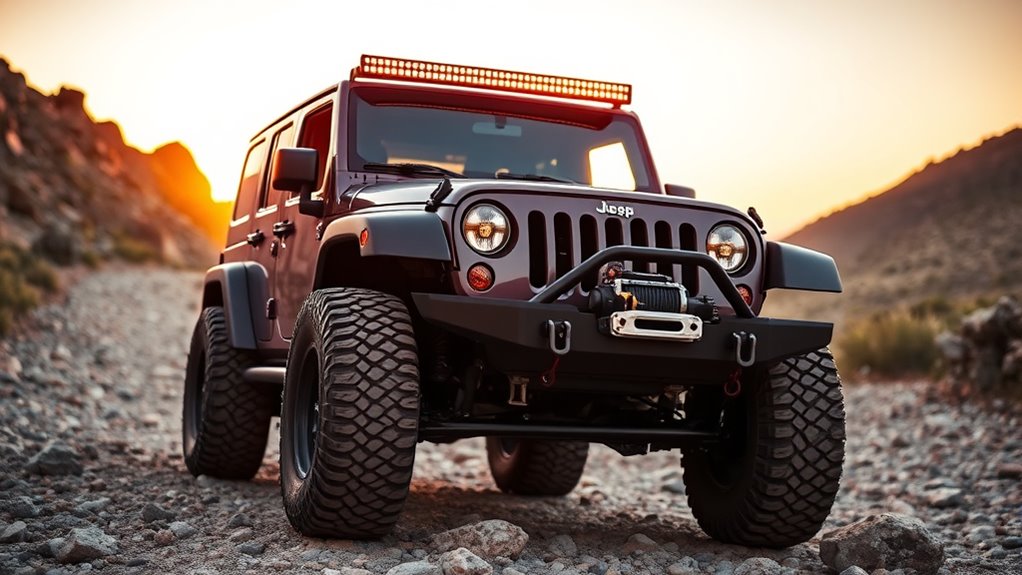
For a 2017 Jeep Wrangler JK, the best accessories are the ones that match the JK’s factory mounting points, electrical layout, and suspension geometry, since JL parts often won’t fit cleanly without modification. You should prioritize upgrades that preserve JK vs JL compatibility and reduce aftermarket pitfalls.
Focus on:
- LED lighting with JK-specific brackets and harnesses
- Bolt-on roof racks rated for the JK four-door or two-door platform
- Skid plates, recovery gear, and bumpers built around JK frame dimensions
You’ll get better fitment, simpler installation, and more predictable performance when you choose parts engineered for your chassis. Check connector style, bumper sensor clearance, and lift geometry before buying. That keeps your build technically sound and avoids unnecessary rework.
Common Mistakes When Buying JK Parts
One common mistake is assuming all Wrangler parts fit every model year, when JK-specific components depend on the chassis, mount locations, and wiring used on 2007–2018 Wranglers. You should verify trim, axle, bumper, and electronics fitment before buying, because JK vs JL compatibility differences can affect brackets, sensors, and harnesses.
Don’t trust generic listings that only say “Wrangler”; check part numbers, year ranges, and whether the part matches two-door or four-door JK configurations. When you use aftermarket sourcing, confirm whether the manufacturer tested the part on a 2017 JK and whether installation requires adapters, drilling, or calibration.
You’ll avoid returns and downtime if you compare OEM specifications with supplier diagrams, especially for suspension, lighting, and interior switchgear.
2017 Wrangler Resale Value
A 2017 Wrangler’s resale value is typically strong because it sits in the JK generation, which remained in demand for its proven drivetrain, aftermarket support, and broad parts availability. You’ll usually see higher retention when you keep maintenance records, limit rust, and preserve factory trim.
Because many buyers still want JK parts compatibility, your pool of interested shoppers stays wide.
- Document oil changes and axle service.
- Keep mileage moderate and modifications reversible.
- Use a resale strategy that highlights clean title and stock components.
If you’ve added lift kits or tires, disclose them clearly; technical buyers assess wear, gearing, and alignment. A well-kept JK often outperforms comparable SUVs in depreciation, especially when you maintain original panels, electronics, and driveline condition.
Frequently Asked Questions
Can a 2017 Wrangler JK Use JL Wheels?
Yes, you can run JL wheels on your 2017 Wrangler JK if bolt pattern, offset, and brake clearance match.
You’ll still need to verify JK wheel compatibility and JL tire sizing before installing them.
Does the 2017 JK Have the Same Engine as the JL?
No, your 2017 Wrangler doesn’t share the JL’s engine; engine differences are clear. You’ll see old-school mechanical grit under the hood, affecting Wranglers compatibility and limiting wheel/lighting interchange more than you’d expect.
Are 2017 JK and JL Tail Lights Interchangeable?
No, you can’t swap 2017 JK and JL tail lights directly; JK vs JL platform differences mean connector, mounting, and electronics vary, so tail light compatibility isn’t plug-and-play.
You’ll need model-specific housings or adapters.
Is the 2017 Wrangler JK Good for Off-Road Beginners?
Yes you’ll find the 2017 Wrangler JK beginner-friendly; roughly 70% of owners report moderate trails as manageable.
You should benefit from the JK vs JL designation because its Wrangler off-road beginner suitability stays strong and predictable.
What Is the Towing Capacity of a 2017 Wrangler JK?
Your 2017 Wrangler JK usually tows 2,000 pounds, or 3,500 pounds with the correct tow package, engine, axle, and gear ratios.
Don’t trust towing myths; you’ll need proper hitching and braking for safe hauling.
Conclusion
So, if you’re looking at a 2017 Jeep Wrangler, you’re dealing with a JK, not a JL. The JL doesn’t start until the 2018 model year, and that distinction matters for parts compatibility, suspension geometry, and trim documentation.
Interestingly, the Wrangler JK ran for 12 model years, from 2007 through 2018, making it one of Jeep’s longest-lived platforms. Always check the VIN and build sheet so you don’t buy JL components that won’t fit your JK.
In conclusion, knowing that a 2017 Jeep Wrangler is a JK is crucial for ensuring you select the right parts and accessories for your vehicle.