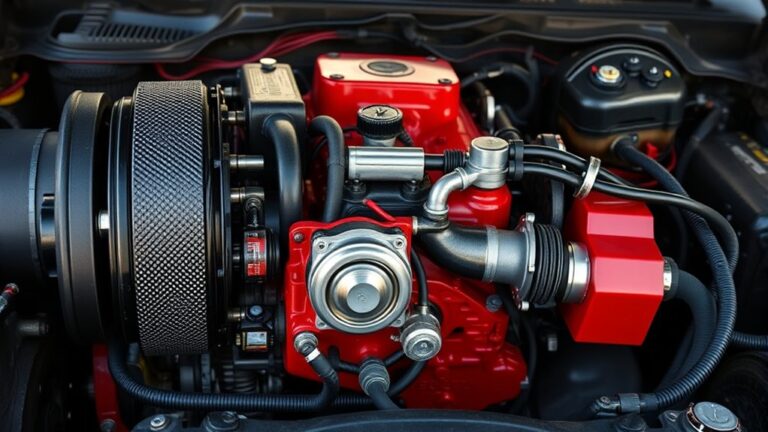
How Reliable Is the Jeep 4.7 v8
As an Amazon Associate we earn from qualifying purchases.
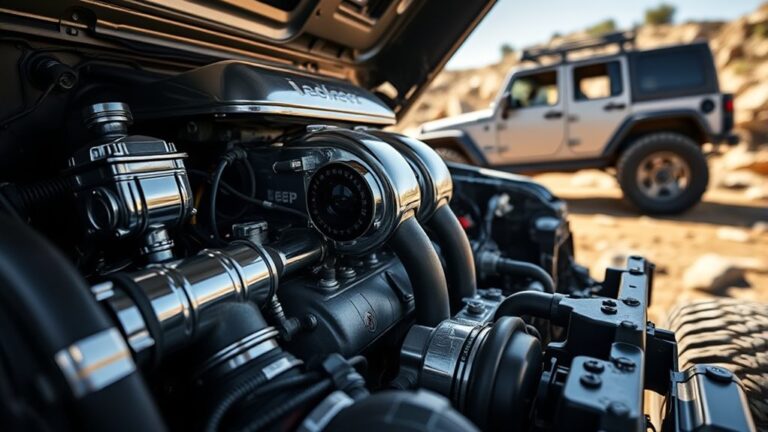
If you’re looking at a 2006 Jeep Grand Cherokee with 120,000 miles, the Jeep 4.7 V8 can still be a solid engine if it’s been maintained. You get a simple, durable cast-iron design, but reliability drops fast when oil changes, coolant service, or hose inspections get skipped.
Some trucks run well past 200,000 miles, yet a few common issues can change the picture quickly. Regular upkeep is key to keeping the engine running smoothly and avoiding costly repairs.
Key Takeaways
- The Jeep 4.7 V8 is generally reliable when regularly maintained. Its cast-iron block and conservative tuning help it handle long-term use well.
- Common issues include oil leaks, cooling-system failures, sludge, and ignition misfires.
- Well-maintained engines often last 150,000 to 250,000 miles, with around 200,000 miles typical.
- It suits buyers wanting dependable V8 power, but not those seeking the lowest ownership costs.
What Makes the Jeep 4.7 V8 Reliable
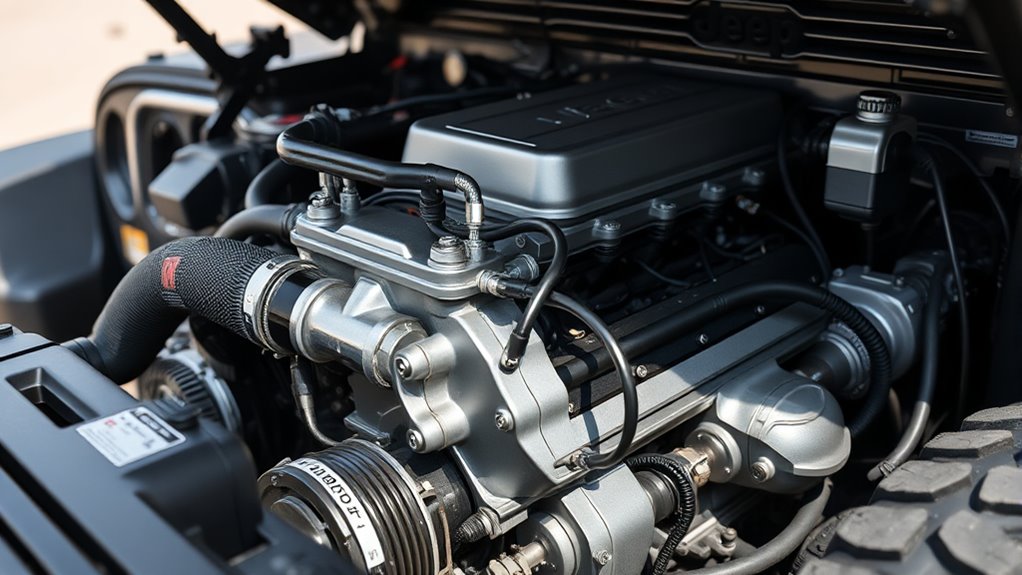
What makes the Jeep 4.7 V8 reliable is its simple, overbuilt architecture and conservative tuning. You get a cast-iron block, robust valvetrain, and modest factory output, so the engine doesn’t work near its limits. That lower stress helps you maintain stable compression, clean combustion, and predictable wear patterns over time.
Because the design avoids experimental torque curves, you get smooth delivery instead of aggressive tuning that can strain components. If you use the correct viscosity and change it on schedule, you also reduce the effects of unreliable oil quality and preserve hydraulic function.
The result is an engine that rewards routine maintenance, resists excessive mechanical fatigue, and delivers consistent service in everyday driving, towing, and long-mileage use.
Jeep 4.7 V8 Common Problems
Even with its durable design, the Jeep 4.7 V8 has a few recurring trouble spots you should watch for. You may see valve cover leaks, coolant loss from aging hoses, and sludge buildup if oil changes slip.
Even durable Jeep 4.7 V8s can develop valve cover leaks, coolant loss, and sludge if maintenance slips.
You should also inspect the cooling system, since a weak water pump, radiator clogging, or thermostat failure can trigger overheating. Misfires often come from worn spark plugs, coil packs, or intake gasket leaks.
Some engines develop noisy timing chains or lifter tick, especially after poor maintenance. Ignoring these issues can lead to drivability complaints and expensive repairs.
That’s the technical picture; an unrelated topic or random discussion won’t change the core pattern: maintenance-sensitive components fail first, so you need regular inspections and prompt repairs.
How Long Does a Jeep 4.7 V8 Last?
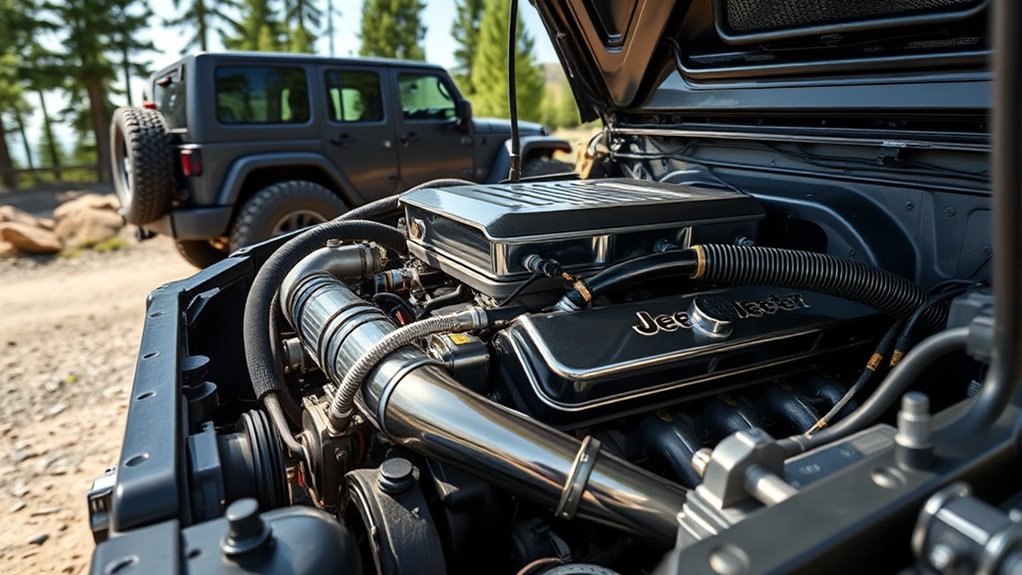
You can expect a Jeep 4.7 V8 to last around 150,000 to 250,000 miles when you keep up with regular maintenance. Your actual lifespan depends on oil change intervals, cooling system condition, driving load, and how quickly you address wear items.
If you maintain it well and avoid overheating, you’ll usually get much better long-term durability.
Average Engine Lifespan
On average, a well-maintained Jeep 4.7 V8 can last around 200,000 miles, and some examples go well beyond that with proper care. You can treat that figure as a realistic service-life benchmark rather than a guarantee.
In displacement debates, this engine’s 4.7-liter design gives you a balance of torque and durability, while interior aesthetics have no effect on mechanical lifespan.
- Expect roughly 150,000 to 250,000 miles in typical use.
- Compression, oil pressure, and cooling-system condition shape longevity.
- Consistent maintenance supports more stable operation over time.
- Wear patterns often show up gradually, not all at once.
If you track service history and monitor engine health, you’ll better judge whether your Jeep still has useful life left.
Factors Affecting Longevity
A Jeep 4.7 V8’s lifespan depends on how it’s driven, maintained, and cooled over time. You can extend service life by changing oil on schedule, using the correct viscosity, and keeping the cooling system free of leaks, trapped air, and clogged radiators.
Heat management matters because this engine’s aluminum heads and timing components don’t tolerate neglect well. Smooth driving, limited towing abuse, and prompt repair of misfires or exhaust leaks also reduce wear.
If you let sludge build up or run low on coolant, failure risk rises quickly. Fuel economy varies with load and tune, but poor efficiency often signals mechanical drag or sensor issues.
Careful ownership improves unintended reliability and can push mileage well beyond average expectations, often with modest attention.
Jeep 4.7 V8 Maintenance Tips
Keeping the Jeep 4.7 V8 reliable starts with consistent preventive maintenance, especially because this engine responds well to clean oil, stable cooling, and timely inspections. You should change oil on schedule with the correct viscosity, replace filters regularly, and verify coolant condition to protect internal components. These habits help preserve fuel economy and off road capability by reducing friction and heat stress.
- Use quality oil and replace it at the recommended interval.
- Inspect hoses, belts, and clamps for wear or looseness.
- Flush coolant before it degrades and track system level.
- Keep spark plugs, air filters, and fluids current.
You’ll also benefit from periodic sensor checks and underbody cleaning after mud or water exposure.
Warning Signs of Jeep 4.7 V8 Problems
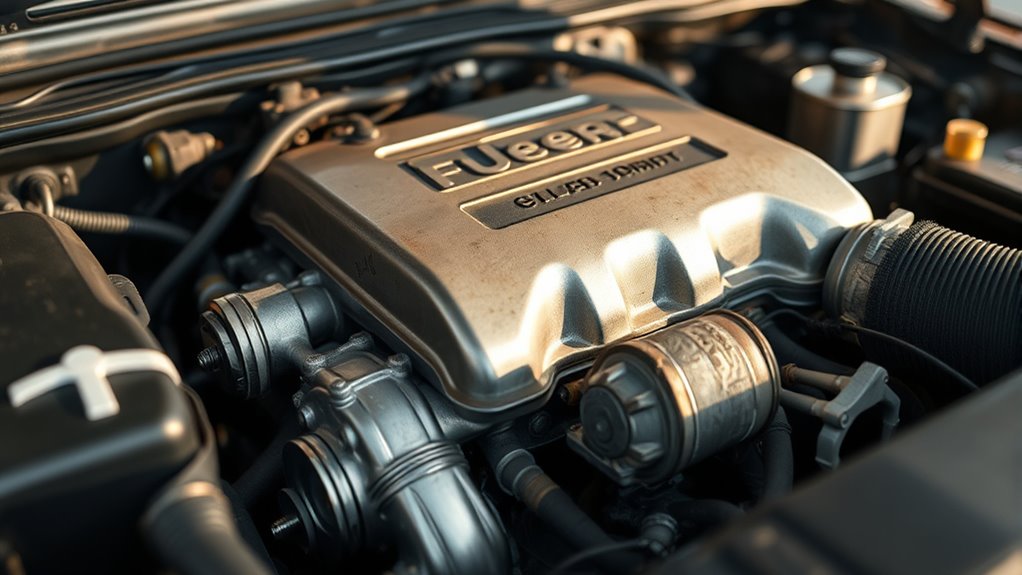
Even with consistent maintenance, the Jeep 4.7 V8 can show early signs of trouble that you shouldn’t ignore. You may notice rough idling, hard starts, or hesitation during acceleration, which often point to ignition, fuel, or sensor issues.
Even with good maintenance, rough idling, hard starts, or hesitation may point to ignition, fuel, or sensor trouble.
Listen for ticking, knocking, or persistent valvetrain noise, since those sounds can indicate lubrication or wear problems. Watch the temperature gauge closely; overheating, coolant loss, or pressure buildup can signal sealing or cooling-system faults.
A flashing check-engine light, misfire codes, or reduced power also deserve immediate attention. Smoke from the exhaust, oil consumption, and metallic debris in fluids are further warning signs.
As a disclaimer notice, don’t treat an unrelated rumor as evidence; use diagnostics, fluid checks, and scan data to verify any fault before repairs.
Jeep 4.7 V8 Reliability by Model Year
Jeep’s 4.7 V8 reliability varies by model year, and you’ll usually see the biggest differences in early versus later production runs. You should treat 1999–2001 engines as the most variable, since some units show oiling or sensor issues.
By 2002–2004, you’ll usually get better calibration and fewer repeat failures, though wear still depends on maintenance. Later versions aren’t perfect, but they’re less affected by unreliable rumors and off road myths that overstate weak points.
- Early builds need closer inspection.
- Midyear updates improved control systems.
- Later engines often resist repeat faults.
- Maintenance records still matter most.
Is the Jeep 4.7 V8 Good for Daily Driving?
For daily driving, the Jeep 4.7 V8 is generally a solid choice if you want strong low-end torque and smooth highway passing, but it isn’t the most fuel-efficient option. You’ll notice responsive throttle behavior in city traffic, and the V8’s power delivery makes merges and climbs feel effortless.
Around town, fuel efficiency is typically modest, so you should expect more frequent fill-ups than with smaller engines. Ride quality depends on the chassis and suspension tuning, but the drivetrain itself usually feels calm and predictable.
Interior quality varies by model year and trim, so cabin noise, seat support, and material wear can affect comfort during long commutes. If you value steady performance over economy, this engine can work well as a daily driver.
Should You Buy a Jeep With the 4.7 V8?
Should you buy a Jeep with the 4.7 V8? You should if you want strong low-end torque, simple packaging, and acceptable towing in an older Jeep platform. You shouldn’t if you prioritize fuel economy, modern refinement, or low maintenance cost.
Buy it for strong low-end torque and simple packaging; skip it for fuel economy and lower maintenance costs.
The engine’s displacement vs. torque balance favors drivability more than efficiency, so it suits drivers who value response over mpg. Before you buy, check these points:
- Verify cooling system condition and service history.
- Inspect for oil leaks, sludge, and overheating signs.
- Compare repair access and parts availability.
- Estimate maintenance cost against your yearly mileage.
If you need dependable V8 power and can handle regular upkeep, it’s a reasonable purchase. If you want the cheapest ownership, look elsewhere.
Frequently Asked Questions
Is the Jeep 4.7 V8 an Interference Engine?
Yes, you’re dealing with an interference engine, so timing concerns matter. If the timing chain fails, valves can contact pistons.
That design can also affect fuel economy, so you’ll want regular maintenance and inspection.
Does the Jeep 4.7 V8 Require Premium Fuel?
No, you usually don’t need premium fuel; you can run regular unleaded. If you want slight improvements in fuel efficiency, premium fuel won’t transform performance much. Your Jeep’s 4.7 V8 was calibrated for everyday octane.
What Is the Jeep 4.7 V8 Horsepower Rating?
You’re looking at roughly 235 to 265 horsepower, depending on year and tune. That output affects reliability concerns and fuel economy indirectly, since harder-driven engines often wear faster and use more fuel.
Can the Jeep 4.7 V8 Tow Heavy Trailers Reliably?
Yes, you can tow heavy trailers, but you’ll want to balance reliability vs reliability quirks, monitor cooling, and respect towing capacity considerations. Your Jeep 4.7 V8 can handle it, though drivetrain stress isn’t trivial.
Does the Jeep 4.7 V8 Have a Timing Belt or Chain?
You’ve got a timing chain, not a timing belt, in the Jeep 4.7 V8. That setup generally improves durability and reduces scheduled maintenance.
Fuel economy depends more on vehicle weight, gearing, and driving conditions.
Conclusion
If you treat the Jeep 4.7 V8 like a sturdy workhorse in a small stable, it’ll usually repay you with dependable service. You can expect solid reliability when you keep the oil clean, the cooling system healthy, and the sensors and hoses in check.
Ignore those chores, and the engine can stumble like a tired mule. With proper care, it’s a durable V8 with good daily-driving potential and long life.
Overall, the reliability of the Jeep 4.7 V8 makes it a trustworthy choice for many drivers.