How Many Miles Is a Jeep Wrangler Good for
As an Amazon Associate we earn from qualifying purchases.
If you’re wondering how many miles a Jeep Wrangler is good for, the short answer is often 200,000 miles or more with solid maintenance, and some make it well past 300,000.
But mileage alone doesn’t tell the whole story. You also need to consider service records, rust, off-road use, and model year differences.
Those factors can change the real lifespan far more than the odometer suggests.
Key Takeaways
- A well-maintained Jeep Wrangler often lasts 200,000 miles or more, and some reach 300,000 miles.
- Longevity depends heavily on maintenance, driving conditions, and how hard the Jeep is used.
- Newer Wranglers usually last longer thanks to improved powertrains and stronger protection.
- When buying high-mileage Wranglers, check maintenance records, rust, leaks, and major drivetrain components.
- Regular oil changes, fluid checks, tire care, and rust prevention help extend Wrangler life.
How Many Miles Can a Jeep Wrangler Last?
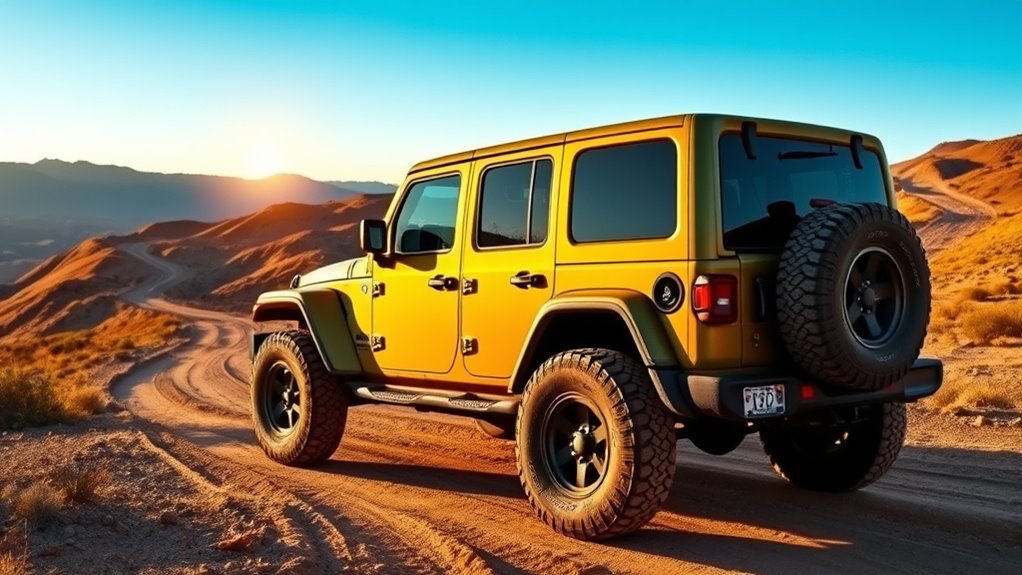
A well-maintained Jeep Wrangler can often last 200,000 miles or more, and some owners report reaching 300,000 miles with proper care. If you’re asking how many miles a Jeep Wrangler can last, the answer depends on use, but high-mileage examples are common.
You can expect strong jeep reliability when the vehicle has consistent maintenance and timely repairs. Many Wranglers remain dependable well past 150,000 miles, and their body-on-frame design supports long service life.
Your mileage goals should be realistic, because wear on major components eventually affects performance. Still, a Wrangler that receives regular oil changes, fluid service, and inspections can stay on the road for years.
What Affects Jeep Wrangler Lifespan?
Several factors shape how long a Jeep Wrangler lasts, including maintenance habits, driving conditions, and how hard you use it. What affects your lifespan most are durability factors like fluids, tires, brakes, and rust control.
You’ll also see age related wear in seals, bushings, and suspension parts as miles climb. If you tow often, off-road frequently, or skip service, maintenance costs usually rise and ownership expectations should adjust accordingly.
| Factor | Effect |
|---|---|
| Routine service | Delays wear |
| Harsh use | Shortens lifespan |
| Climate exposure | Increases corrosion |
You can extend life by staying on schedule, inspecting leaks, and fixing small issues early. That approach keeps the vehicle reliable and helps you plan realistic ownership expectations.
Jeep Wrangler Lifespan by Model Year
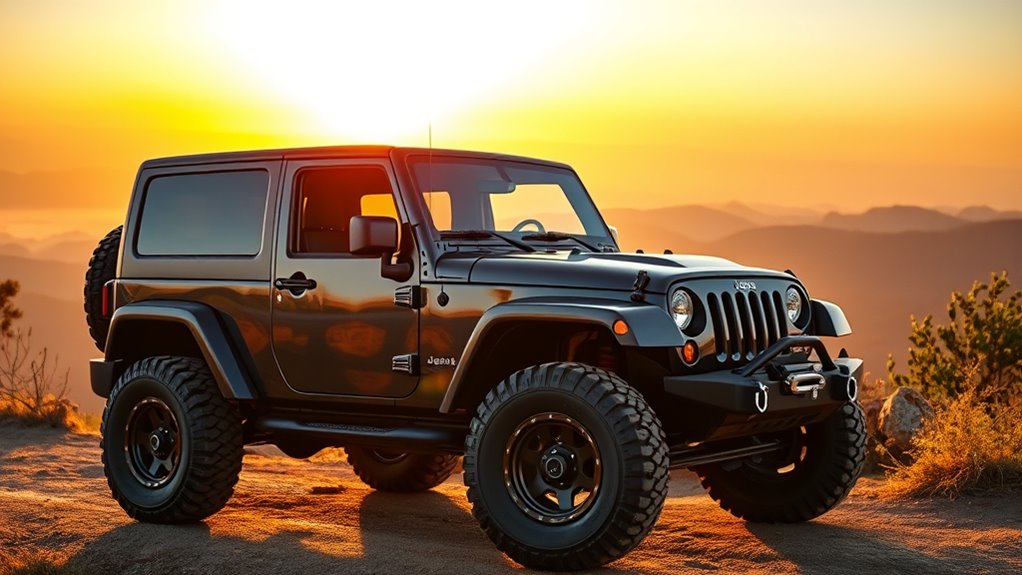
Wrangler lifespan can vary quite a bit by model year, because design changes, engine options, and build quality all affect long-term durability. If you compare generations, you’ll usually see newer Wranglers deliver stronger jeep wrangler longevity thanks to improved transmissions, better corrosion protection, and updated electronics.
Earlier TJ models can still last a long time, but their model year reliability depends heavily on maintenance and rust exposure. JK models often offer a good balance of durability and parts availability, while JL models benefit from more refined powertrains and safety systems.
You should expect mileage potential to differ by trim and drivetrain, not just year. Regular service, gentle use, and timely repairs can help any Wrangler reach high mileage and stay dependable.
How to Tell if a High-Mileage Wrangler Is Worth Buying?
To judge whether a high-mileage Wrangler is worth buying, you need to look beyond the odometer and focus on how it’s been maintained, driven, and repaired. You should review service records, accident history, and ownership patterns to see whether the Jeep received consistent care.
Check for rust on the frame, leaks, uneven tire wear, and warning lights, since these often reveal hidden issues. A clean engine bay and solid test drive matter, but they don’t outweigh neglected maintenance.
At high mileage, major components like the transmission, transfer case, axles, and suspension become key buying considerations. You should compare the asking price with likely repair costs and market value.
If the condition matches the mileage, a well-kept Wrangler can still be a smart purchase.
How to Make a Jeep Wrangler Last Longer
Keeping a Jeep Wrangler on the road for the long haul starts with consistent maintenance and smart driving habits. You can extend reliability by following a maintenance checklist and servicing fluids, filters, belts, and brakes on schedule.
Inspect tire pressure, rotate tires, and check alignment to reduce uneven wear. Use this quick guide:
| Task | Interval | Benefit |
|---|---|---|
| Oil change | 5,000-7,500 miles | Protects engine parts |
| Tire rotation | 6,000 miles | Promotes even wear |
| Fluid inspection | Monthly | Prevents hidden damage |
You should also warm up the engine in cold weather, avoid hard launches, and wash road salt from the undercarriage. Keeping detailed service records helps you track what’s due and spot patterns before minor issues become costly repairs.
Is a High-Mileage Jeep Wrangler a Smart Buy?
A high-mileage Jeep Wrangler can be a smart buy if it’s been maintained well and you’re buying it for the right kind of use. You can overlook some high mileage myths when the service history is strong and the price reflects wear.
Focus on maintenance priorities like oil changes, coolant, brakes, suspension parts, steering components, and rust inspection. You should also check for off-road damage, leaks, and transmission or transfer case issues, since these can raise repair costs fast.
If you want a weekend trail rig or an open-air daily driver, a carefully inspected high-mileage Wrangler may deliver good value. If you need trouble-free commuting, you may want a lower-mileage example with fewer surprises and less immediate upkeep.
Frequently Asked Questions
Does Off-Roading Reduce a Jeep Wrangler’s Lifespan?
Yes, off-roading can shorten your Jeep Wrangler’s lifespan because you’ll add off roading wear and drivetrain stress, especially on suspension, axles, and tires.
If you maintain it well, though, you can reduce damage and preserve longevity.
Which Jeep Wrangler Engines Are the Most Reliable?
You’ll usually find the 3.6L Pentastar V6 and 3.8L inline-six most reliable; they’re sturdy workhorses in a storm. You should expect solid engine reliability, though the 2.0L turbo often wins on fuel economy.
How Often Should Wrangler Fluids Be Changed?
You should change your Wrangler fluids every 30,000 to 60,000 miles, depending on use and conditions.
You’ll preserve fluid life by checking engine oil, coolant, transmission, transfer case, and differential fluids regularly.
Are Manual Wranglers More Durable Than Automatics?
Manuals may seem more rugged, but you’ll find durability depends on maintenance, not transmission type. Your manual transmission durability can be excellent, while automatic transmission longevity often matches it if you service fluids, inspect seals, and drive gently.
Do Lifted Wranglers Wear Out Faster?
Yes, lifted Wranglers can wear out faster because you’re adding stress to suspension, steering, and driveline parts. You’ll usually reduce off-road durability unless you upgrade components, align it properly, and maintain it closely.
Conclusion
In the end, your Jeep Wrangler can keep rolling strong well past 200,000 miles if you stay on top of care and keep rust at bay.
If you’re eyeing a higher-mileage rig, don’t just look at the odometer—check the service records, frame, and major components with a sharp eye.
With steady maintenance and sensible use, you can help your Wrangler age gracefully and remain a capable companion for many more miles.
Ultimately, knowing how many miles a Jeep Wrangler is good for depends largely on how well it’s maintained throughout its life.