How Many Miles Can a Jeep Last
As an Amazon Associate we earn from qualifying purchases.
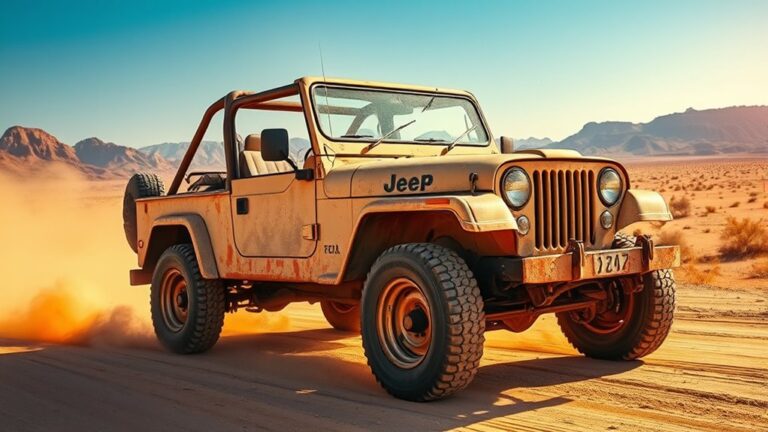
Many Jeeps can last for 200,000 miles or more with steady care, and some owners report reaching 300,000 miles. You’ll usually get the most life from a Wrangler or Grand Cherokee if you stay ahead of maintenance and avoid hard use.
Mileage alone doesn’t tell the whole story, though. What really decides how long your Jeep lasts is a mix of model, repairs, and how you drive it. Consistent upkeep and careful driving habits play a crucial role in extending your Jeep’s lifespan.
Key Takeaways
- A Jeep can often last 150,000 to 300,000 miles or more with proper maintenance.
- Wrangler models frequently reach 200,000 miles or higher, while Grand Cherokees often last 180,000 to 220,000 miles.
- Regular oil changes, fluid checks, and timely repairs greatly extend Jeep lifespan.
- Heavy off-road use, overheating, towing, and neglected maintenance shorten a Jeep’s life.
- Warning signs like transmission slipping, oil burning, or dashboard lights suggest rising wear and reduced reliability.
How Many Miles Does a Jeep Last?
A Jeep can last anywhere from 150,000 to 300,000 miles or more, depending on how well it’s maintained and how it’s driven. You can expect many models to reach higher mileage when you stay consistent with service and address issues early.
How reliability compares across trims often depends on the engine, transmission, and drivetrain you choose. Jeep innovations in modern powertrains and electronics have improved durability, but no vehicle is immune to wear.
If you drive mostly on pavement, you may see less stress than in heavy off-road use. With regular oil changes, fluid checks, and timely repairs, you’ll give your Jeep a better chance at long service life and steady performance over time.
What Shortens a Jeep’s Lifespan?
Several habits and conditions can shorten a Jeep’s lifespan, even if the vehicle is built to handle tough use. You can accelerate wear by skipping routine maintenance, ignoring fluid changes, or driving with low tire pressure for long periods.
Skipping maintenance, fluid changes, or driving on low tire pressure can shorten a Jeep’s lifespan.
Frequent off-road abuse, heavy towing, and repeated overheating also strain key components. Salt, mud, and moisture can speed corrosion, so rust prevention matters if you want the body and frame to last.
Electrical issues, including battery corrosion, can create starting problems and stress related systems. Harsh driving, delayed repairs, and neglected suspension parts all add up over time.
If you keep service on schedule and address damage early, you’ll reduce premature wear and help your Jeep reach a higher mileage.
Which Jeep Models Last the Longest?
Among Jeep models, the Wrangler and Grand Cherokee often earn the strongest reputations for long-term durability when they’re maintained properly. If you want a Jeep that tends to age well, you’ll usually focus on these two first.
The Wrangler’s simple, body-on-frame design and wide parts support make it a common choice for drivers who plan to keep it for years. The Grand Cherokee also appeals if you want a more refined SUV that still holds up with consistent care.
You’ll often see strong jeep resale values for both, especially when records show regular service. If you add off road upgrades, choose quality parts and install them correctly, since poor modifications can weaken reliability.
How Long Each Jeep Model Usually Lasts
When you compare Jeep models side by side, their lifespan can vary a lot depending on how you drive and maintain them. You can expect different ranges by model:
- Wrangler: often 200,000 miles or more with regular service.
- Grand Cherokee: usually 180,000 to 220,000 miles, depending on engine choice.
- Cherokee and Compass: commonly 150,000 to 200,000 miles, with care.
You’ll usually see longer life in stock Jeeps than in heavily modified ones, though quality parts help. If you rely on aftermarket tuners, make sure they preserve factory limits.
Proper fluids, timely repairs, and sensible use matter more than style upgrades. Some owners push beyond these ranges with engine swaps, but durability still depends on maintenance history and driving conditions.
Signs Your Jeep Is Nearing the End
If your Jeep starts using oil faster than usual, it’s often a sign of internal wear that needs attention. You may also notice transmission slipping or warning lights on the dash, both of which can point to more serious mechanical problems.
When these issues show up together, your Jeep may be nearing the end of its reliable lifespan.
Excessive Oil Consumption
Excessive oil consumption is one of the clearest warning signs that a Jeep may be nearing the end of its service life. You shouldn’t dismiss excessive oil use as just consumption rumors if you’re adding oil often and seeing no obvious leak. Check these signs:
- Blue exhaust smoke after startup or acceleration.
- Frequent low-oil warnings between regular service intervals.
- Spark plugs fouled with oil or a strong burning-oil smell.
When your Jeep burns oil faster than normal, internal wear may be affecting piston rings, valve seals, or cylinder walls. You can keep driving for a while, but you should track the rate closely and inspect the engine promptly.
Consistent oil loss usually means the engine needs serious attention, and its remaining life may be limited.
Transmission Slipping
Transmission slipping is another strong sign your Jeep may be nearing the end of its reliable service life. You may feel the engine rev, then lose drive momentum, especially on hills or during gear changes. That hesitation often points to internal wear.
| Symptom | What you notice |
|---|---|
| Slips between gears | Jerky acceleration |
| Delayed engagement | Pause after shifting |
| Burnt fluid smell | Hot, strained operation |
| Shuddering | Uneven power delivery |
| Poor response | Slower takeoff |
When transmission slipping becomes frequent, gear wear may be advanced enough that repairs won’t restore dependable performance. You can sometimes improve things with service, but repeated slipping usually means larger internal damage. At that point, your Jeep may still run, yet it won’t deliver the reliability you expect.
Engine Warning Lights
Engine warning lights are another clear sign your Jeep may be nearing the end of its dependable service life. When the engine warning or other dashboard lights stay on, you shouldn’t ignore them. They often point to worn sensors, misfires, overheating, or low oil pressure.
If repairs become frequent, your Jeep may be losing reliability faster than expected.
- The check engine light returns soon after reset.
- Multiple dashboard lights appear at once.
- Diagnostics show repeated engine or emission faults.
You can sometimes keep driving, but repeated warnings usually mean deeper wear. At that point, repair costs may outweigh the Jeep’s remaining value. A mechanic can confirm whether the issue is minor or a sign of major engine trouble.
Maintenance Tips That Add Miles
Routine care is the easiest way to help a Jeep reach higher mileage. You can protect Jeep durability by following the service schedule, changing oil and filters on time, and keeping fluids at the correct levels.
Inspect belts, hoses, brakes, suspension parts, and battery connections before small issues grow. Rotate tires, align wheels, and replace worn components promptly to reduce strain on the drivetrain.
Don’t rely on maintenance myths that say Jeeps can skip regular checks because they’re rugged. A strong vehicle still needs consistent care.
Keep records of every service so you can spot patterns and plan repairs early. Use quality parts and fluids that match factory specifications, and your Jeep’s lifespan can increase steadily.
Driving Habits That Extend Jeep Life
How you drive has a direct effect on how long your Jeep lasts. Your driving habits shape wear on the engine, transmission, brakes, and suspension, so smooth inputs matter. Use these two word discussion ideas to guide better driving habits:
How you drive directly affects your Jeep’s lifespan, and smooth inputs help engine and drivetrain parts last longer.
- Gentle starts reduce stress on the drivetrain and help parts last longer.
- Steady speeds limit unnecessary shifting and keep heat buildup lower.
- Careful braking preserves brake components and keeps control more predictable.
You should also avoid high-rpm driving unless you need it, and you can let the vehicle warm up briefly in cold weather. On rough roads, slow down and choose lines that reduce impact. Consistent, moderate driving usually adds more miles than aggressive acceleration or hard stops.
Common Jeep Problems That Cut Miles
Some Jeep problems can shorten your vehicle’s lifespan if you don’t catch them early. Engine overheating, transmission wear, and suspension or steering damage can all add stress and lead to bigger repairs.
If you monitor these systems closely, you can help your Jeep last longer.
Engine Overheating Issues
Engine overheating can quietly shorten a Jeep’s lifespan if you don’t catch it early. You should monitor engine cooling, because heat stress can damage seals, gaskets, and cylinder heads.
Regular radiator maintenance matters, especially if debris, old coolant, or leaks restrict flow. Watch for these warning signs:
- Rising temperature gauge on normal drives
- Coolant loss or visible drips
- Steam, hot smells, or dashboard alerts
If you notice any of these, stop driving and inspect the system before more damage builds. A clogged radiator, weak fan, or failing thermostat can push temperatures up fast.
When you stay ahead of overheating, you protect reliability and help your Jeep reach higher mileage with fewer costly repairs.
Transmission Wear Problems
Heat isn’t the only system that can wear a Jeep down over time; transmission problems can also cut into longevity if you ignore early warning signs. You may notice delayed shifts, slipping gears, harsh engagement, or fluid that smells burnt.
These signs often point to transmission wear, low fluid, or overheating from heavy towing and stop-and-go driving. If you keep driving without service, you can damage clutches, seals, and internal valves, which raises repair costs and shortens lifespan.
Regular fluid checks, timely filter changes, and correct fluid specs help protect the drivetrain. Good engine cooling also matters, because excess heat breaks transmission fluid down faster.
When you stay ahead of service, you reduce strain, preserve performance, and help your Jeep last more miles.
Suspension And Steering Damage
Suspension and steering damage can also shorten a Jeep’s life, especially if you drive rough trails, hit potholes often, or ignore worn parts. You should watch for clunks, loose steering, and uneven tire wear, because these signs point to steering wear and reduced suspension longevity.
When joints, bushings, or tie rods fail, your Jeep handles poorly and strains other components.
- Inspect shocks, springs, and control arms regularly.
- Replace worn ball joints, bushings, and tie rods promptly.
- Align the wheels after lifts, impacts, or part changes.
If you keep up with inspections and repairs, you’ll protect ride quality, reduce stress on the chassis, and help your Jeep last more miles.
How to Make Your Jeep Last Longer
To help your Jeep last longer, focus on consistent maintenance, gentle driving habits, and prompt repairs. Change fluids on schedule, inspect belts, hoses, brakes, and tires, and keep the cooling system clean. Rotate tires, align the wheels, and don’t overload the vehicle.
Warm the engine before hard acceleration, avoid excessive off-roading abuse, and wash the undercarriage after salt or mud exposure. If you spot corrosion, learn How to fix rust quickly so it doesn’t spread.
Address leaks, warning lights, and unusual noises right away. Use quality parts and follow the service manual. When damage becomes severe, How to bid farewell to a worn component before it harms others. Careful ownership can add many reliable miles.
Frequently Asked Questions
Does Jeep Reliability Vary by Engine Type?
Yes, Jeep reliability can vary by engine type; you’ll often see differences in engine reliability and maintenance impact.
You should compare specific models, service history, and upkeep, since some engines tolerate neglect better than others.
Can a Jeep Last Over 300,000 Miles?
Yes, you can see a Jeep last miles beyond 300,000 if you maintain it well, address issues quickly, and choose a reliable engine and drivetrain. But driving habits and upkeep still matter most.
How Often Should Jeep Fluids Be Changed?
You should change your Jeep’s fluids on schedule: engine oil every 5,000 to 7,500 miles, transmission and coolant per manual. Check the exhaust system during service, and keep your oil change cadence consistent for reliability.
Do Modified Jeeps Last as Long?
Not always. Your modified Jeep can last as long, but modified durability depends on build quality and upkeep.
You’ll improve aftermarket reliability by choosing proven parts, installing them correctly, and staying diligent with maintenance.
Is Highway Driving Better for Jeep Lifespan?
Yes, you’ll usually help your Jeep last longer with highway driving because it’s smoother and easier on components.
With high mileage, your maintenance priorities should still include oil changes, cooling, tires, and transmission service.
Conclusion
In the end, your Jeep can go far past 150,000 miles if you stay on top of maintenance and fix problems early. You’ll usually get the most life from stock models, regular fluid changes, and careful driving.
Watch for leaks, rough shifting, and suspension wear before they grow worse. With consistent care, your Jeep can feel as steady as a trail partner that never quits, mile after mile.
Ultimately, how many miles can a Jeep last depends greatly on the attention you give it. Proper upkeep ensures your Jeep remains reliable and long-lasting on every adventure.