How Long Do Jeep Batteries Last
As an Amazon Associate we earn from qualifying purchases.
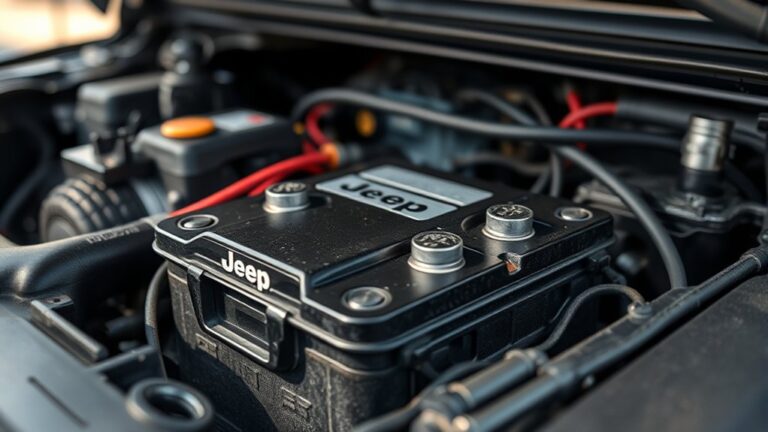
Your Jeep battery lifespan isn’t determined by age alone; how often you drive, how long it sits, and even your climate affect it more than the label on the case. In most cases, you can expect about 3 to 5 years.
However, short trips, parasitic draws, and heat can reduce that lifespan quickly. Watch for slow starts and weak voltage.
These signs usually indicate whether your battery needs service or replacement soon.
Key Takeaways
- Jeep batteries typically last 3 to 5 years, depending on usage, climate, and battery quality.
- Hot weather, cold weather, and vibration from off-road driving can shorten battery life.
- Short trips and long idle periods prevent full recharging and can cause sulfation.
- Slow cranking, dim lights, corrosion, or warning lights often mean the battery is weakening.
- Regular testing, clean terminals, and a smart maintainer during storage help extend battery life.
How Long Does a Jeep Battery Last?
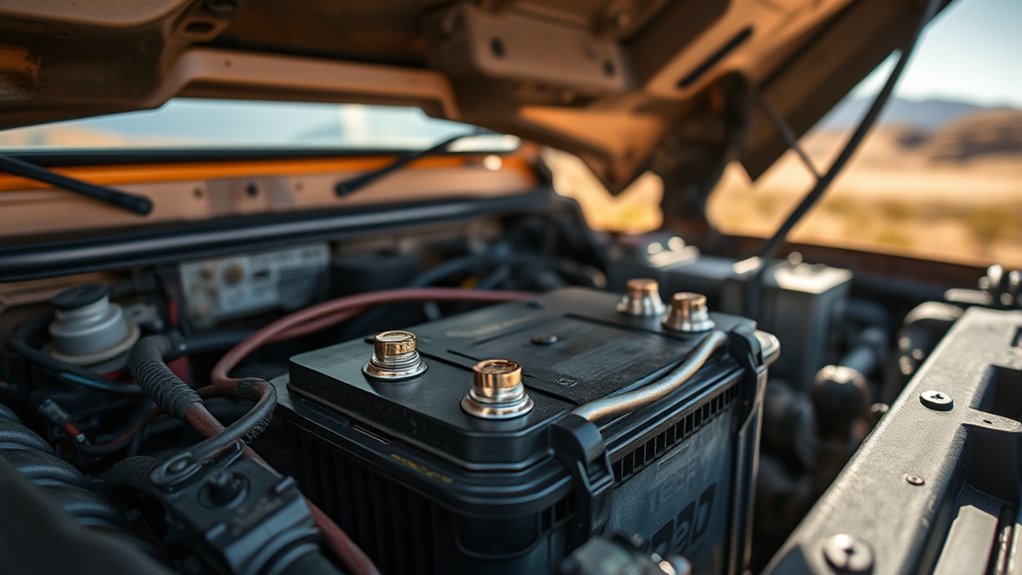
A Jeep battery typically lasts about 3 to 5 years, though actual lifespan depends on driving habits, climate, battery quality, and how often the vehicle sits unused. You can extend that range by driving regularly, keeping terminals clean, and avoiding deep discharge.
A Jeep battery typically lasts 3 to 5 years, depending on driving habits, climate, and maintenance.
In hot climates, heat accelerates internal wear; in cold climates, capacity drops and cranking load rises. If your Jeep sits for weeks, use a maintainer to preserve charge and reduce sulfation.
Choose a battery with the correct reserve capacity and cold cranking amps for your engine and accessories. You may notice battery aesthetics in AGM cases and heavy-duty housings, but performance matters more.
Your Jeep’s electrical system also affects short term memory in modules, so stable voltage helps preserve settings and operation.
Signs Your Jeep Battery Is Failing
If your Jeep battery is failing, you’ll usually notice slow engine cranking, dim headlights, or electrical accessories that act erratically before the battery quits completely. You may also see the battery warning light, hear a rapid clicking sound at startup, or need frequent jump-starts.
Check for corrosion on the terminals, a swollen case, or a strong sulfur smell, because those point to internal damage. If your Jeep sits through short trips, the battery may not recharge fully, so symptoms can appear sooner.
Extreme temperatures can also expose weakness by reducing available cranking power. Test voltage with a multimeter; a healthy, rested battery should read about 12.6 volts. If readings stay low after charging, replacement is likely the practical fix.
What Shortens Jeep Battery Life Most?
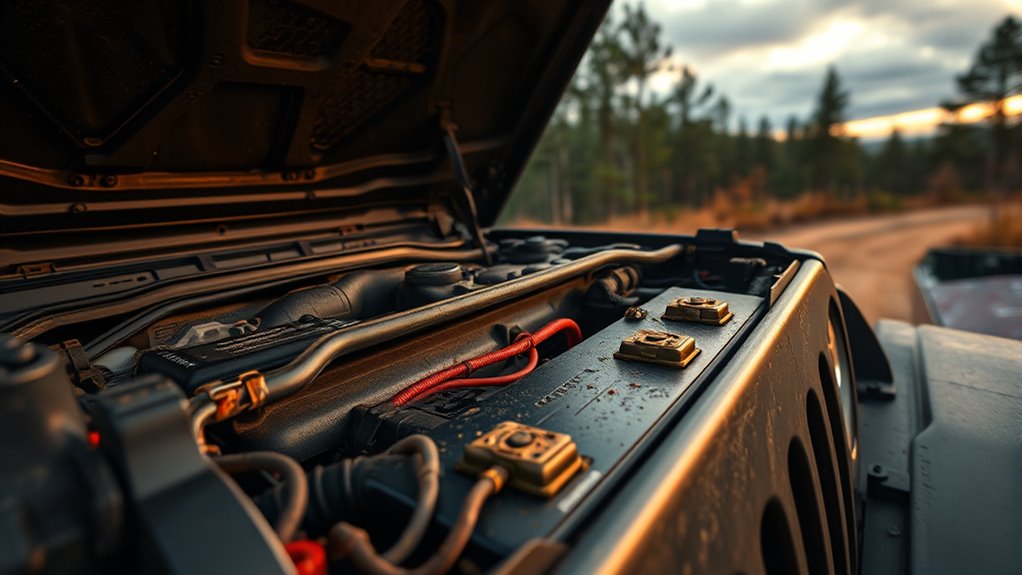
Short trips shorten your Jeep battery life because the alternator doesn’t have enough time to fully recharge it after each start.
Extreme temperatures also speed up battery wear by reducing cranking power in cold weather and accelerating chemical breakdown in heat.
Electrical drain from accessories, modules, or a weak charging system can pull the battery down even when your Jeep is parked.
Short Trips
Why do short trips drain a Jeep battery so quickly? Your starter draws a large current, but the alternator needs time to restore charge. During repeated short trips, battery chemistry can’t fully recover, so state of charge slips lower each cycle.
You also use lights, pumps, and modules before the engine reaches efficient output.
| Trip length | Charge recovery | Battery impact |
|---|---|---|
| 2 miles | Minimal | Deepens discharge |
| 5 miles | Partial | Slow recovery |
| 10 miles | Better | Less stress |
| 15 miles | Near full | Stable |
| 20+ miles | Full | Best balance |
If you mostly drive short trips, check voltage regularly, keep terminals clean, and use a maintainer when parked.
Extreme Temperatures
Extreme temperatures hit Jeep batteries harder than almost any other factor because heat speeds up chemical aging while cold reduces available cranking power. In hot weather, you’ll see faster electrolyte loss, grid corrosion, and higher internal resistance, all of which shorten service life.
In freezing conditions, the battery may still be healthy, but it can’t deliver enough current to spin the starter efficiently. You should reduce exposure whenever possible by parking in shade or a garage and keeping the battery securely mounted.
Good battery maintenance matters too: inspect terminals for corrosion, check the case for swelling, and replace weak batteries before winter. If your Jeep sees desert heat or harsh cold, test the battery seasonally so you can catch capacity loss before it leaves you stranded.
Electrical Drain
Electrical drain is one of the biggest hidden killers of Jeep batteries because even a healthy battery can be discharged by accessories, modules, or a parasitic draw. You shorten battery life when you leave lights, USB chargers, winches, or aftermarket audio systems powered with the engine off.
Short trips also hurt because the alternator doesn’t fully recharge the battery, especially after frequent starts. Your driving habits matter: if you idle a lot or run many electrical loads on short drives, the battery stays undercharged.
Check for modules that won’t sleep, loose grounds, and corroded terminals. Keep tire pressure correct, too, because underinflated tires increase load and can make the charging system work harder.
How Hot and Cold Weather Affect Jeep Batteries
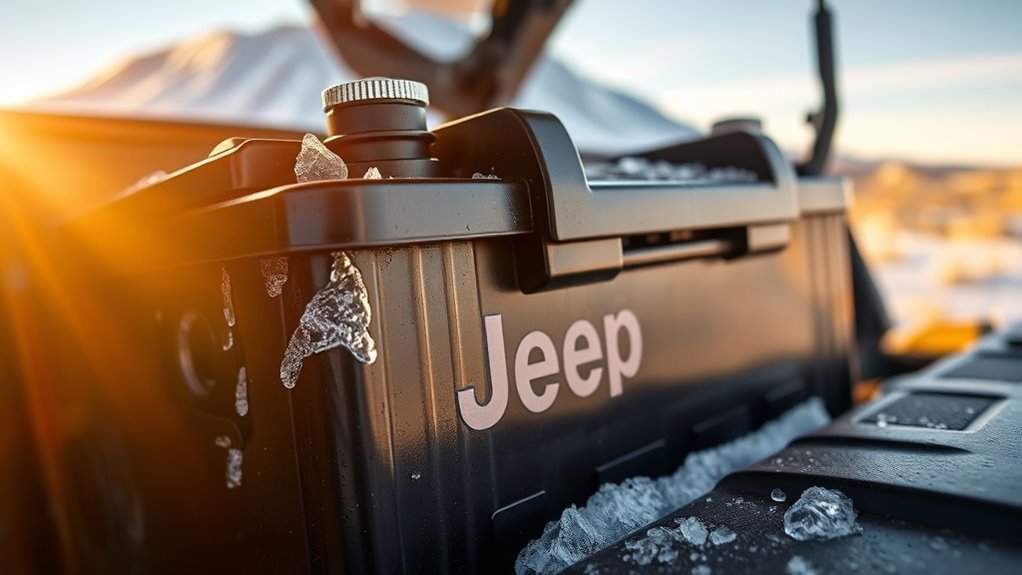
Hot and cold weather both change how long your Jeep battery lasts, but they do it in different ways. In hot weather, higher temperatures speed up chemical reactions inside the battery, which can increase self-discharge and dry out electrolyte faster. That heat also stresses internal components, so you may lose capacity sooner.
In cold weather, the battery still holds a charge, but it can’t deliver as much current, and the engine needs more power to start. You’ll notice slower cranking and reduced reserve. To limit damage, park in shade when possible, keep terminals clean, and test battery voltage before extreme seasons.
A battery that’s healthy in moderate conditions can still fail early if you ignore temperature-related stress.
How Off-Road Driving Impacts Battery Life
Off-road driving can shorten your Jeep battery’s lifespan because rough terrain creates constant vibration, deeper electrical loads, and more frequent starts and stops. When you crawl over rocks or washboard trails, the battery case, terminals, and cables take repeated shock, and loose connections can raise resistance.
Your off road suspension helps reduce some impact, but it can’t eliminate the electrical stress from lockers, lighting, air compressors, and recovery gear. If you use a winch, high current draw can drain the battery quickly, especially during long pulls or repeated attempts.
Good winch maintenance matters because binding cable, dirty contacts, or a weak solenoid increases load. Trail dust and mud can also accelerate corrosion, which can reduce charging efficiency and overall battery performance.
How to Make Your Jeep Battery Last Longer
You can extend your Jeep battery’s service life by keeping the charging system within spec and avoiding chronic undercharge or overcharge conditions. Reduce electrical drain by switching off accessories when the engine’s off and minimizing parasitic loads that can flatten the battery.
Check terminals, cables, and electrolyte condition regularly so you can catch corrosion, loose connections, or low fluid before they shorten battery life.
Proper Charging Habits
Keeping a Jeep battery healthy starts with smart charging habits. You should keep the battery at a full state of charge with proper charging, because repeated deep discharge shortens service life.
Use a quality charger that matches your battery type and output, and follow the recommended amperage settings. If your Jeep sits for long periods, connect a maintenance charger or tender to prevent sulfation.
After off-road use or short trips, drive long enough for the alternator to restore charge fully. Inspect terminals before charging, and clean corrosion so current flows efficiently.
In your battery maintenance routine, check voltage periodically with a multimeter; a healthy 12-volt battery should read about 12.6 volts when rested. Consistent charging discipline reduces strain, improves reliability, and extends battery life.
Limit Electrical Drain
To help your Jeep battery last longer, limit parasitic electrical drain whenever the vehicle is parked. You should switch off interior lights, unplug chargers, and disable accessories that keep drawing current.
A remote start module or audio amplifier can become an unrelated topic if you’re troubleshooting battery life, but they still matter when parked. Check this quick guide:
| Drain source | Action | Effect |
|---|---|---|
| Dome lights | Turn off | Reduces load |
| USB devices | Unplug | Stops draw |
| Aftermarket electronics | Isolate | Prevents drain |
If you leave your Jeep unused for days, a small current loss adds up fast. An irrelevant concept is ignoring standby loads because they seem minor.
Track every device that stays powered, and you’ll preserve battery capacity, reduce voltage drop, and extend usable service life.
Regular Battery Maintenance
Regular battery maintenance is one of the simplest ways to make your Jeep battery last longer, because it helps prevent corrosion, low charge states, and weak connections before they turn into starting problems. You should inspect the terminals monthly, clean any white or green buildup, and tighten clamps to the correct torque.
Check the case for cracks, swelling, or leaks, and verify the hold-down is secure so vibration doesn’t damage the plates. Test voltage with a multimeter; a healthy fully charged battery should read about 12.6 volts at rest.
If your Jeep sits often, use a smart maintainer to avoid deep discharge. Follow battery safety procedures with gloves and eye protection, and keep records, since proper service can support warranty coverage if a defect appears.
When to Test Your Jeep Battery
If your Jeep starts cranking slowly, needs frequent jump-starts, or shows dim lights and electrical glitches, it’s time to test the battery. You should also test it before off-road trips, after extended storage, and before cold weather hits, since low temperatures expose weak battery health fast.
Check voltage with the engine off and again while idling to verify charging output, and compare results to your service manual’s specs. If the readings drift, don’t rely on charging myths or assume a short drive will restore full capacity.
A load test gives a better picture of real performance under demand. Regular testing helps you spot declining battery health early, so you can plan maintenance based on data instead of waiting for a no-start surprise.
When to Replace Your Jeep Battery
You should replace your Jeep battery when testing shows it can’t hold proper voltage, fails a load test, or drops below the manufacturer’s cranking requirements. If you see persistent slow cranking, repeated jump starts, swollen case walls, corrosion that returns quickly, or a warning light after charging, the battery’s internal plates are likely degraded.
Age matters too: most lead-acid units last three to five years, but heat, short trips, and vibration shorten that span. Match replacement timing to your battery chemistry, because AGM and flooded designs age differently and need different charging profiles.
Use charging technology that supports your Jeep’s system, and replace the battery before it leaves you stranded. Even if it still starts, declining reserve capacity means weaker accessory performance and less cold-weather margin.
Frequently Asked Questions
Can a Jeep Battery Die Overnight?
Yes, your Jeep battery can die overnight if a sleeping battery is weak or overnight parasitics draw too much current. You should test the battery, check for key-off loads, and inspect charging-system health.
Do Aftermarket Accessories Drain Jeep Batteries Faster?
Yes, aftermarket accessories can drain your Jeep battery faster if you add load or create electrical parasitics.
You’ll see more wear when wiring, modules, or lights keep drawing power after shutdown.
Does Idling Recharge a Jeep Battery Enough?
Usually, no. Idling is a drip, not a flood, for your Jeep’s battery. You’ll get some idle recharge, but short runs rarely restore battery life.
Drive longer, or use a smart charger if needed.
Can a Jeep Battery Be Jump-Started Repeatedly?
Yes, you can jump-start your Jeep repeatedly, but you’ll face jump start risks and likely mask the real fault.
You should use recharge alternatives, then test the battery, alternator, and parasitic draw before relying on repeated boosts.
Are AGM Batteries Better for Jeeps?
Yes, AGM batteries often suit your Jeep better: you’ll get AGM battery benefits like vibration resistance and faster recharge, which can extend jeep battery lifespan. They’re pricier, but you’ll appreciate the sturdier, cleaner performance.
Conclusion
You can expect your Jeep battery to last about 3 to 5 years, but your driving habits, climate, and storage time can change that range. If you notice slow cranking, dim lights, or repeated jump-starts, test it right away.
Hot weather, short trips, and deep discharge shorten battery life fast. As the adage goes, “An ounce of prevention is worth a pound of cure.” Keep terminals clean, charge it properly, and replace it before failure.
By taking these steps, you can help ensure your Jeep battery lasts as long as possible and avoid unexpected breakdowns.