How Long Can a Jeep Cherokee Last
As an Amazon Associate we earn from qualifying purchases.
A well-kept Jeep Cherokee can last a long time, often reaching 200,000 miles or more. Some owners even push past 250,000 miles with steady maintenance.
You can improve its lifespan with regular oil changes, fluid checks, brake and suspension inspections, and prompt repairs. Mileage alone doesn’t tell the full story, though, since service history, rust, and transmission wear can change the outlook fast.
A few warning signs can also indicate when the vehicle is nearing the end of its life. Staying attentive to these signs helps ensure your Jeep Cherokee stays reliable for many miles to come.
Key Takeaways
- A well-maintained Jeep Cherokee can often last 200,000 miles or more.
- Some carefully maintained Cherokee models can reach 250,000 miles or higher.
- Maintenance history and regular service matter more than mileage alone.
- Rust, transmission issues, and repeated breakdowns can shorten its lifespan.
- Inspect the body, frame, suspension mounts, rocker panels, and brake lines for corrosion.
How Long Does a Jeep Cherokee Last?
A Jeep Cherokee can last 200,000 miles or more with proper maintenance, and some well-cared-for models can reach 250,000 miles or higher. You can expect a well-kept Cherokee to deliver long service, but lifespan varies by maintenance history and use.
Many reliability myths suggest these SUVs fail early, yet real-world results often show stronger durability than critics claim. As mileage rises, you’ll notice aging costs increase, especially for wear items, routine repairs, and general upkeep.
That doesn’t mean the vehicle is short-lived; it means ownership becomes more expensive over time. If you stay proactive with service, you can extend usable life and keep the Cherokee dependable for many years, even as older components naturally need attention.
What Impacts Jeep Cherokee Longevity?
Your Jeep Cherokee’s lifespan depends heavily on how well you maintain it, including regular oil changes, fluid checks, and timely repairs.
You’ll also see different results based on driving conditions, since stop-and-go traffic, rough roads, and extreme weather can add extra wear. When you manage both of these factors well, you can help your Cherokee last longer.
Maintenance Habits
How long a Jeep Cherokee lasts often comes down to how consistently you maintain it. You can extend its life by following the service schedule, changing oil on time, replacing filters, and checking fluids regularly.
Inspect brakes, belts, hoses, tires, and suspension parts before small issues become major repairs. Keep the battery clean and charged, and fix warning lights quickly so you don’t let problems spread.
If you own an older model, pay close attention to an unreliable transmission, because delayed service can shorten its lifespan. You should also watch for rusted frames, since corrosion weakens the vehicle over time.
Consistent maintenance won’t eliminate wear, but it does reduce repair costs and helps your Cherokee stay dependable longer.
Driving Conditions
Even with solid maintenance, the way you drive and where you drive can strongly affect a Jeep Cherokee’s lifespan. If you spend most trips in stop-and-go traffic, your engine, transmission, and brakes work harder than they do on steady highways.
Short drives can also prevent full warm-up, which lets moisture and deposits build up. Rough roads, potholes, salt, and frequent off-road use add more wear to suspension, steering, tires, and underbody components.
Hot climates can strain cooling systems, while cold weather can thicken fluids and increase startup stress. Heavy towing or constant high-speed driving raises heat and accelerates fatigue.
An irrelevant topic or filler idea won’t change these facts; your daily driving conditions matter more than guesswork.
Jeep Cherokee Mileage Milestones
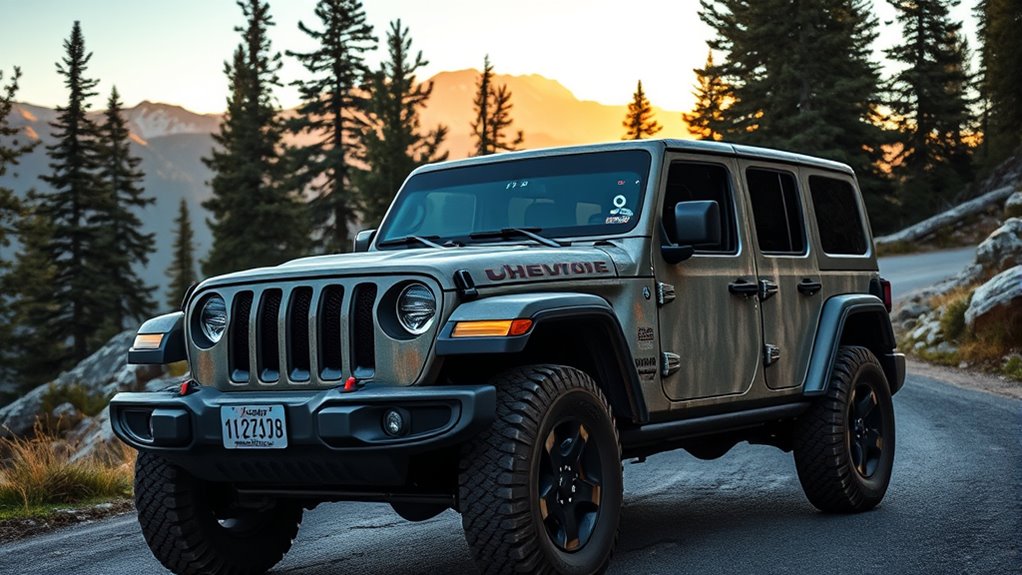
A Jeep Cherokee often reaches the 100,000-mile mark with routine maintenance and careful driving. From there, many models can move into the 150,000-mile range if you stay ahead of repairs and wear items.
With consistent upkeep, you may even see a Cherokee cross the 200,000-mile benchmark.
100,000 Mile Mark
Reaching the 100,000-mile mark is a major milestone for a Jeep Cherokee, and it usually signals that the vehicle has proven its durability. You should now focus on maintenance history and current condition, not just mileage.
At this stage, reliability versus resale often matters: a Cherokee with solid records may keep performing well, even if market value dips. Check for factory recalls that were completed and confirm all major services were done on time.
- Inspect the engine for leaks.
- Review transmission shifts and fluid condition.
- Test suspension, brakes, and steering.
- Verify recall paperwork and service receipts.
If the Cherokee runs smoothly, starts reliably, and shows no major warning lights, you can expect dependable use ahead.
150,000 Mile Range
At the 150,000-mile range, a Jeep Cherokee has crossed into high-mileage territory, so condition matters more than the odometer alone. You should compare miles vs. age, because a newer vehicle with heavy use can differ from an older one with steady maintenance.
Check service records, fluid changes, brake wear, suspension parts, and transmission behavior. Fuel economy can also hint at engine or sensor issues if it drops without a clear reason.
| Checkpoint | What it tells you |
|---|---|
| Service history | Shows upkeep consistency |
| Engine response | Reveals wear or faults |
| Ride quality | Indicates suspension condition |
| Fuel economy | Signals efficiency changes |
At this stage, a thorough inspection helps you judge whether the Cherokee still fits your needs.
200,000 Mile Benchmark
Once a Jeep Cherokee nears the 200,000-mile benchmark, you should focus on maintenance history and current mechanical condition more than mileage alone. At this point, a well-kept Cherokee can still serve daily driving, errands, or a side hustle, but you need to inspect key wear items carefully.
Fuel efficiency may decline if sensors, tires, or drivetrain parts age.
- Review service records for oil changes, cooling, and transmission work.
- Check compression, leaks, suspension, and brake wear.
- Test fuel efficiency and watch for warning lights.
- Compare repair costs with the vehicle’s remaining value.
If major systems stay solid, you can keep driving confidently. If neglect shows up, budget for repairs before committing to more miles.
Common Cherokee Problems Over Time
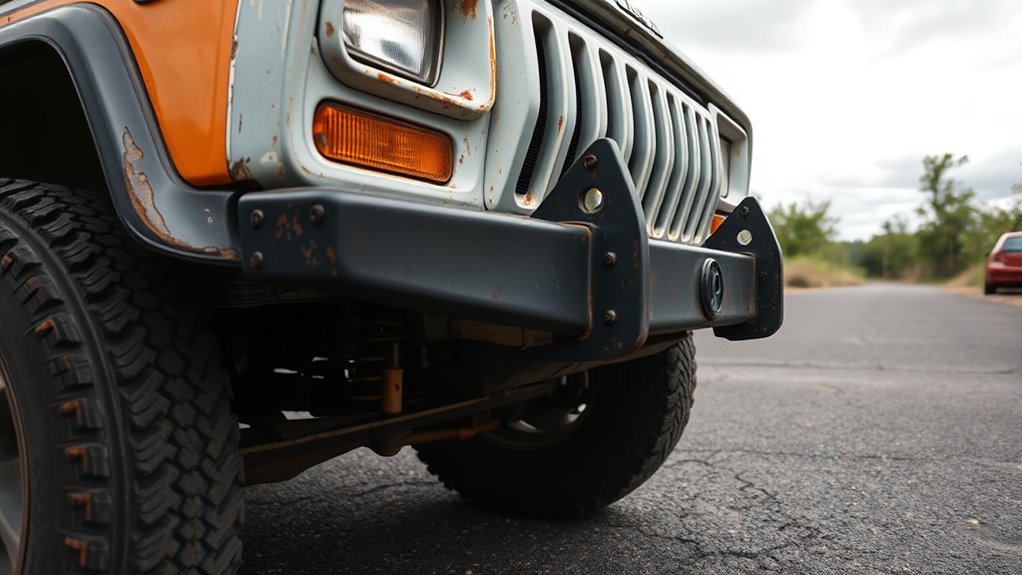
Over time, a Jeep Cherokee can develop a few common issues that often affect reliability and ownership costs. You may notice electrical glitches, worn suspension parts, and transmission hesitation, especially as mileage climbs.
Over time, Jeep Cherokee owners may face electrical glitches, worn suspension parts, and transmission hesitation.
Earlier models can also show cooling system leaks, while some engines may develop oil leaks or sensor faults. If you use the Cherokee for off-road traction, you can see extra wear on steering, driveline, and wheel components.
Interior materials and engineered interiors hold up reasonably well, but switches, displays, and trim pieces can age unevenly. These problems don’t affect every vehicle, yet they’re common enough to factor into long-term ownership.
Careful inspection helps you spot trouble before it becomes expensive.
How to Help Your Cherokee Last Longer
You can help a Jeep Cherokee last longer by staying ahead of maintenance and driving it with care. Follow the factory service schedule, use quality fluids, and fix small issues before they grow. Budget for maintenance so you’re ready for tires, brakes, belts, and routine inspections.
If you need to know how to store a Cherokee, keep it clean, fill the tank, disconnect the battery, and park it in a dry place.
- Change oil and filters on time.
- Check tires, brakes, and suspension regularly.
- Replace worn belts, hoses, and spark plugs.
- Drive smoothly and avoid harsh starts or stops.
Consistent care reduces wear, keeps systems working efficiently, and supports longer service life.
Signs Your Cherokee Is Near the End
If a Cherokee is nearing the end of its service life, it usually starts showing clear warning signs. You may notice repeated breakdowns, hard starts, or warning lights that keep returning after repairs.
Engine noise, transmission slipping, and excessive oil or coolant use can signal serious wear. If you’re spending more on repairs than the vehicle’s value, the end is likely close.
Engine noise, slipping transmission, and rising fluid use often signal serious wear and an approaching end.
Watch for unexpected fuel economy drops, since failing sensors, worn injectors, or drivetrain issues can hurt efficiency. You should also inspect the body and frame for rare rust, especially around suspension mounts, rocker panels, and brake lines.
When multiple systems fail at once, reliability falls fast. At that point, replacement often makes more sense than another repair.
Frequently Asked Questions
What Jeep Cherokee Model Years Are Most Reliable?
You’ll usually find the 2019-2023 Jeep Cherokee most reliable, especially with regular reliability timing checks and a strict maintenance schedule.
Earlier 2014-2018 models can be solid too, if you’ve got complete service records.
Does a Jeep Cherokee Hold Resale Value Well?
Yes, you’ll usually find Jeep Cherokee resale value is fair, not exceptional. You can boost it with strong model reliability, regular maintenance, clean history, and desirable trims, which buyers often pay more for.
Which Cherokee Trim Lasts the Longest?
You’ll usually get the longest life from the base or midlevel Cherokee trims, because their trims longevity often reflects fewer features and simpler systems.
If you want lasting value, choose a reliability focus and maintain it well.
Is a Used Jeep Cherokee Worth Buying?
Yes, a used Jeep Cherokee can be worth buying if you inspect service history, compare used vehicles carefully, and budget for maintenance costs.
You’ll get solid utility, but condition matters more than mileage alone.
How Does Climate Affect Cherokee Lifespan?
Climate affects your Cherokee’s lifespan by changing corrosion, heat stress, and seal wear. Climate durability varies, and regional weather impact is biggest in salty winters, extreme heat, humidity, and frequent freeze-thaw cycles.
Conclusion
So, how long can your Jeep Cherokee last? With solid maintenance, careful driving, and timely repairs, you can often push it past 200,000 miles, and sometimes well beyond 250,000.
However, rust, transmission wear, and repeated breakdowns can shorten that run. Think of your Cherokee like a loyal trail partner: treat it well, and it’ll go farther.
Watch for warning signs, keep up with service, and know when repairs no longer make sense. With the right care, your Jeep Cherokee can provide many miles of reliable adventure.