Does Jeep Wrangler Hold Its Value
As an Amazon Associate we earn from qualifying purchases.
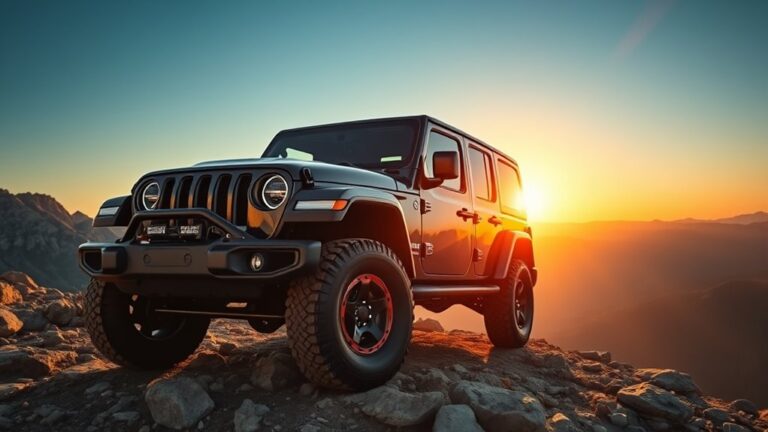
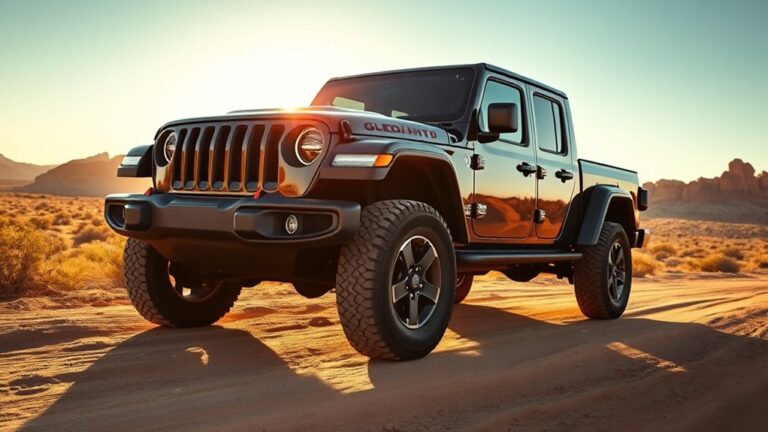
If you’re wondering whether a Jeep Wrangler holds its value, the short answer is usually yes. The Jeep Wrangler tends to depreciate slower than many other SUVs, thanks to strong demand, its recognizable styling, and genuine off-road capability.
However, not every Wrangler performs the same in terms of value retention. Mileage, condition, and modifications can quickly affect its worth.
Some trims remain especially desirable, and a few key factors can make a significant difference in how well a Wrangler holds its value over time.
Key Takeaways
- Yes, the Jeep Wrangler generally holds its value better than many SUVs and mainstream crossovers.
- Strong demand comes from its off-road capability, removable top and doors, and distinctive brand identity.
- Four-door Wrangler Unlimited models, especially Sahara and Rubicon trims, usually retain value best.
- Heavy modifications, high mileage, and poor condition can significantly reduce resale value.
- Depreciation is steepest in year one, then slows, so clean, stock Wranglers often trade well.
How Well Does the Jeep Wrangler Hold Its Value?
The Jeep Wrangler holds its value exceptionally well compared with most SUVs, and that strong resale performance is one of its biggest selling points. When you compare market data, you’ll usually see Wrangler prices decline more slowly than many mainstream crossovers.
That means your ownership cost can stay more predictable over time. You should still weigh mileage, trim, and condition carefully, because well-kept examples command stronger prices.
If you’re shopping, compare buying alternatives such as Toyota 4Runner, Ford Bronco, and used midsize trucks to judge whether the Wrangler’s pricing fits your needs. Good maintenance tips matter too: keep service records, rotate tires, and address wear early.
Why Jeep Wranglers Resell So Well
Wranglers resell so well because demand stays consistently strong across a wide range of buyers, from off-road enthusiasts to drivers who want a vehicle with a recognizable image and proven capability. You benefit from this broad market because buyers often value the Wrangler’s unique driving experience, simple design, and strong brand identity. Its removable top and doors, plus solid off-road credibility, make it stand out in listings.
| Factor | Buyer Appeal | Resale Effect |
|---|---|---|
| Brand image | High recognition | Supports demand |
| Capability | Off-road readiness | Broadens interest |
| Ownership costs | Modest upkeep | Improves confidence |
| Fuel economy | Acceptable tradeoff | Helps comparison |
You also see steady interest because many shoppers accept its fuel economy in exchange for utility and character, which helps keep prices firm over time.
Which Jeep Wrangler Models Hold Value Best?
If you’re trying to maximize resale value, you’ll usually see the strongest numbers from Wrangler Unlimited models, especially well-equipped trims like the Sahara and Rubicon, because they attract the widest pool of used buyers. You’ll also notice that four-door body styles often deliver more high resale results than two-door versions, since they fit more lifestyles.
Within each trim, clean histories and common colors help keep demand steady. If you choose rare options, such as select off-road packages or premium tech features, you can sometimes widen appeal, but only when they match what buyers want.
What Lowers Jeep Wrangler Resale Value
High mileage can lower your Jeep Wrangler’s resale value because buyers often expect more wear on key components and a shorter remaining service life.
Heavy modifications can also hurt value if they limit broad appeal or make buyers worry about reliability, maintenance, or originality.
In many cases, you’ll get stronger offers when the Jeep stays closer to stock and shows lower use.
High Mileage
Mileage matters because a Jeep Wrangler with a lot of miles usually signals more wear, more maintenance needs, and a shorter remaining lifespan to buyers. When you add up the miles, shoppers often expect higher repair risk and lower reliability, so they’ll pay less.
High mileage can also make fuel economy seem less appealing if the vehicle has endured years of stop-and-go use or harder driving. Even if the Wrangler still runs well, the odometer affects how buyers compare it with lower-mileage examples.
That perception can weaken resale value faster than age alone. You may also face higher insurance costs if a worn vehicle is more likely to need claims after breakdowns or accidents. Keeping mileage moderate helps preserve demand and support a stronger resale price.
Heavy Modifications
Heavy modifications can hurt a Jeep Wrangler’s resale value because many buyers want a truck that stays close to factory condition. When you add lifts, oversized tires, engine tunes, or cut fenders, you narrow your buyer pool and often raise repair concerns.
You may also face lower appraisals if parts look worn or poorly installed. Resale timing matters too, since selling right after major changes can make buyers worry about reliability.
| Mod Type | Buyer Impact | Value Effect |
|---|---|---|
| Lift kit | Limits interest | Often lowers |
| Engine tune | Raises risk concerns | Can lower |
| Cosmetic add-ons | Mixed appeal | Small change |
If you plan to sell, keep receipts and restore stock parts when possible. That approach can protect more value.
How Jeep Wrangler Depreciation Changes by Year
You’ll usually see the steepest depreciation in a Jeep Wrangler during the first year, when market adjustments and initial ownership costs have the biggest effect.
After that early drop, you can expect the Wrangler to hold value better than many SUVs if mileage, condition, and trim stay strong. Over several years, depreciation tends to slow, which is why long-term value retention often remains one of the Wrangler’s biggest strengths.
First-Year Depreciation
In the first year, a Jeep Wrangler typically loses less value than many SUVs, but the drop is still noticeable right after purchase. You’ll usually see the steepest percentage decline in the months after driving off the lot, when market pricing adjusts from retail to used.
Trim level matters: added luxury features can soften or worsen the hit depending on buyer demand, while higher sticker prices can raise the dollar amount lost. Mileage, condition, and options also shape the result.
If you choose a Wrangler with strong demand and avoid reliability concerns, you may limit first-year depreciation. Still, you should expect a clear early drop, because initial ownership costs and dealer markups don’t carry into resale.
Long-Term Value Retention
After the initial drop, the Jeep Wrangler usually holds value better than many mainstream SUVs, and its depreciation often slows noticeably over time. You’ll typically see the steepest loss in years 1 to 3, then a flatter curve as demand stays strong.
If you maintain it well, even high mileage examples can keep respectable resale prices because buyers trust the Wrangler’s durability and off-road image. New technologies, like updated infotainment and driver aids, can help newer models age more gracefully, but they don’t erase the model’s core value.
- You may feel reassured knowing your depreciation risk eases with time.
- You can expect better retention than many rivals.
- You’ll benefit most when condition and history stay strong.
How to Maximize Jeep Wrangler Trade-In Value
To maximize your Jeep Wrangler’s trade-in value, focus on the factors dealers weigh most: condition, mileage, maintenance history, trim, and market demand. You can improve the appraisal by fixing cosmetic damage, keeping tires and fluids in good shape, and bringing service records that verify care.
Mileage matters, so avoid unnecessary wear before trading. Clean the interior thoroughly and remove aftermarket parts unless they add clear resale appeal. Timing also helps: trade when demand is strong and before major maintenance bills arrive.
Since first year depreciation is steep, holding the vehicle longer can improve long term value retention, but only if you maintain it well. Research local prices, compare dealer offers, and negotiate from actual market data.
Frequently Asked Questions
Does Wrangler Mileage Affect Resale Value Significantly?
Yes, higher Wrangler mileage usually lowers your resale value markedly, because mileage depreciation matters to buyers. You can soften the hit with smart resale timing, but condition, maintenance, and trim still influence pricing a lot.
Are Manual Wranglers Worth More Than Automatics?
Generally, you’ll get a small premium for manual Wranglers, because manual transmission demand stays niche but loyal.
However, your aftermarket value impact often matters more; condition, mileage, and mods can outweigh gearbox preference.
Do Aftermarket Modifications Improve Jeep Wrangler Value?
Usually, you won’t boost value much; you’re often better keeping stock. Some tasteful upgrades follow aftermarket trends and resale psychology, but oversized lifts or custom parts can narrow your buyer pool and hurt prices.
Is Leasing a Wrangler Smarter Than Buying for Resale?
No, you’re usually better off buying if resale matters. Leasing vs ownership limits your equity, and lease penalties can crush savings.
If you keep it long enough, resale impact usually favors ownership.
Which Colors Help Jeep Wrangler Resale the Most?
Black, white, gray, and silver usually boost your Wrangler’s resale most. You’ll also do well with desert beige or similar earthy tones; they’re broad-appeal colors. A blue interior can help if it’s tasteful.
Conclusion
So, does your Jeep Wrangler hold its value? Usually, yes. It stands like a sturdy trail marker, weathering depreciation better than many SUVs because buyers keep returning for its rugged image, strong reputation, and proven capability.
If you keep yours clean, documented, and lightly modified, you’ll preserve more of that worth. The first year can feel like the steepest descent, but after that, the slope often softens, rewarding patience and careful ownership.
In conclusion, the Jeep Wrangler holds its value well, making it a smart choice for those who appreciate durability and long-term reliability.