Do Jeep Grand Cherokees Hold Their Value
As an Amazon Associate we earn from qualifying purchases.
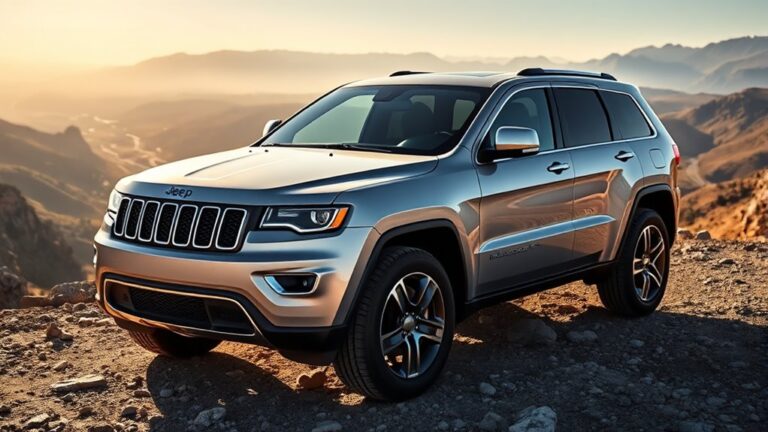
If you’re wondering whether Jeep Grand Cherokees hold their value, the answer is usually yes, but not equally across every model.
You’ll often see stronger resale from well-equipped trims and clean service histories, while high mileage, accidents, and dated features can drag prices down.
Compared with some rivals, they sit in the middle of the pack, which makes the details behind each vehicle matter more than you might expect.
Key Takeaways
- Jeep Grand Cherokees hold value reasonably well, but usually not as strongly as top resale rivals like the Toyota 4Runner.
- Used demand stays solid because of the Jeep badge, rugged image, and desirable trim and capability packages.
- Limited, off-road-equipped, and higher-spec trims typically retain value better than base models.
- Mileage, condition, maintenance history, and accident-free records have a major impact on resale price.
- Clean, well-maintained Grand Cherokees with good service records usually sell for more than neglected or heavily modified ones.
Do Jeep Grand Cherokees Hold Their Value?
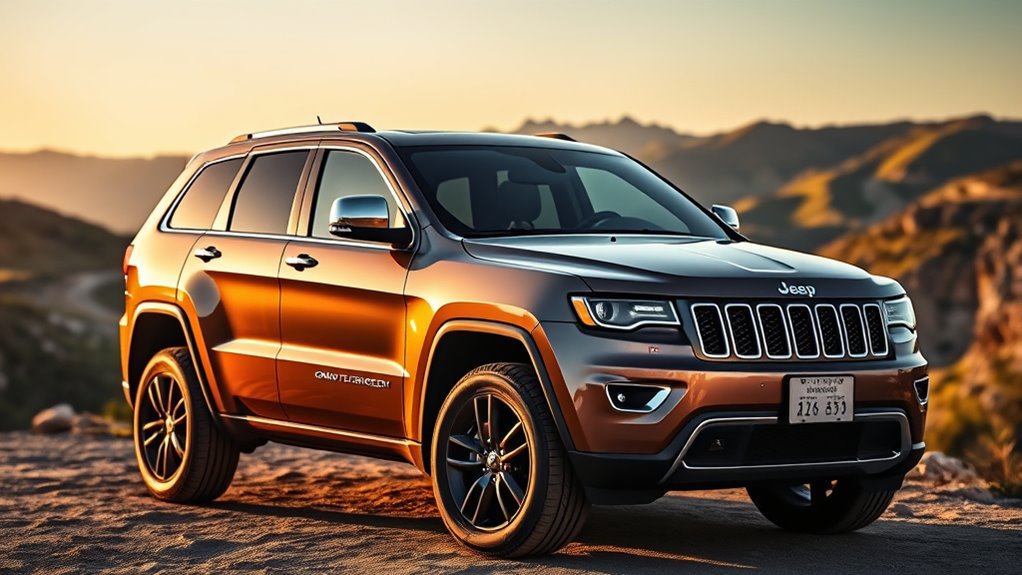
Yes, Jeep Grand Cherokees generally hold their value reasonably well, though not always as strongly as the best-performing SUVs in the segment. You can expect a solid used-market presence because buyers recognize the badge, capability, and broad trim appeal.
Resale psychology matters here: shoppers often pay more for vehicles they perceive as rugged yet comfortable, and Jeep benefits from that image. Your jeep interior also influences value, since newer cabins with better materials and technology tend to attract more interest on the used market.
Still, you shouldn’t assume every model year retains value equally. Higher trims and well-equipped versions usually perform better, while market conditions and mileage shape pricing. Overall, you’re looking at respectable retention rather than top-tier class-leading depreciation performance.
What Lowers Jeep Grand Cherokee Resale Value?
Several factors can drag down Jeep Grand Cherokee resale value, and most of them come down to condition, mileage, and market demand. You’ll usually see lower offers when the SUV shows wear, has a high odometer reading, or needs repairs buyers don’t want to absorb.
Condition, mileage, and demand are the biggest factors that can drag down Grand Cherokee resale value.
- Poor maintenance records reduce confidence.
- Accident history can cut appeal quickly.
- Out-of-warranty repairs raise ownership risk.
- Dealership incentives on new models can weaken used prices.
You’ll also face softer resale if your Jeep has outdated tech, cosmetic damage, or multiple prior owners. Strong warranty coverage can help, but once it expires, buyers often discount future repair costs.
In a crowded market, even a well-kept Grand Cherokee can lose value faster when similar used SUVs compete on price.
Which Jeep Grand Cherokee Trims Hold Value Best?
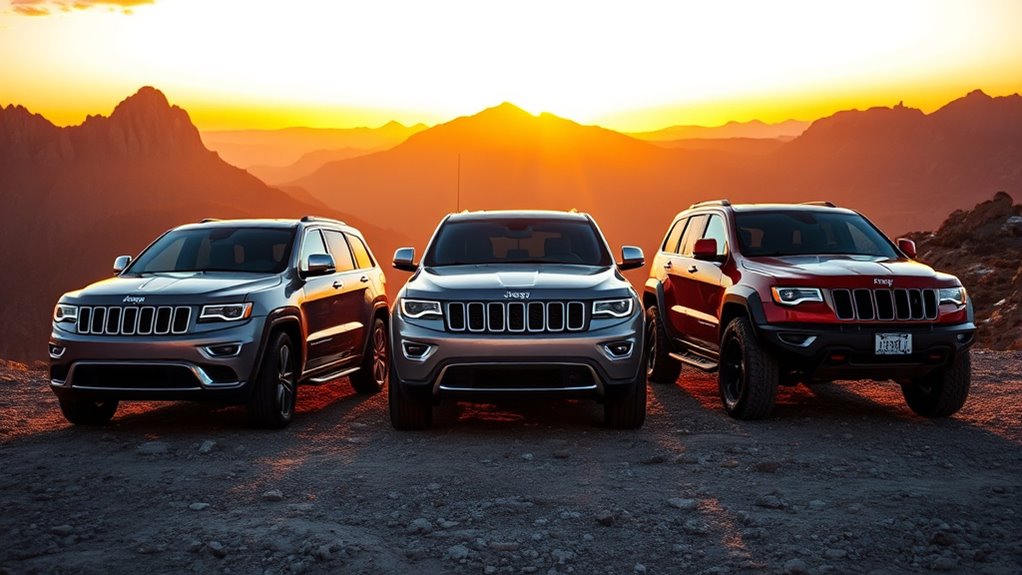
You’ll often see the strongest resale from Grand Cherokee trims that buyers want but don’t flood the market, such as well-equipped Limited models. Off-road packages can also help hold value because they appeal to a narrower group of shoppers who’re willing to pay for capability.
V8 performance trims may retain value well when demand stays strong, especially among buyers who prioritize power and tow capacity.
Limited Trim Demand
Among Jeep Grand Cherokee trims, the Limited often holds value well because it sits in the sweet spot between affordability and features. You’ll usually see stronger demand for it on the used market, since buyers want comfort without paying luxury-trim premiums. Its pricing strategy helps it stay competitive, and showroom psychology works in its favor when shoppers compare it with pricier versions.
- Broad buyer appeal
- Balanced equipment levels
- Lower depreciation than top trims
- Easier resale conversations
You can expect the Limited to attract families and commuters who want a polished SUV without extra complexity. That steady demand supports resale values, especially when mileage stays reasonable and service records are clean. Compared with niche trims, it’s often the safer choice if you care about holding value.
Off-Road Packages
Off-road packages can also influence which Jeep Grand Cherokee trims hold value best, because they add capability that many buyers actively seek. When you compare trims, you’ll often see stronger interest in versions with factory off road packages such as skid plates, terrain management, and upgraded traction systems.
These features can widen your buyer pool, especially if you shop in regions where snow, trails, or rough roads matter. The resale value impact is usually better when the package is factory-installed rather than added later, since buyers trust the original equipment more.
You should also note that a well-kept trim with off-road hardware can stay competitive against pricier luxury versions. Still, condition, mileage, and service history remain important, so capability helps, but it doesn’t guarantee top value.
V8 Performance Models
V8 performance models often hold their value well because they combine strong power with broader enthusiast appeal. If you’re comparing Jeep Grand Cherokee trims, you’ll usually see SRT and Trackhawk variants resist resale depreciation better than base V6 models. Their limited production, performance hardware, and stronger brand image help support demand.
You should still weigh v8 reliability, since maintenance costs can affect long-term ownership value.
- Higher horsepower can attract more buyers.
- Limited supply often slows resale depreciation.
- Performance badges increase collector interest.
- Maintenance history still matters to value.
If you want the best value retention, choose a well-kept V8 with low mileage and clear service records. That approach gives you stronger marketability and less value loss over time.
How Do Mileage and Condition Affect Value?
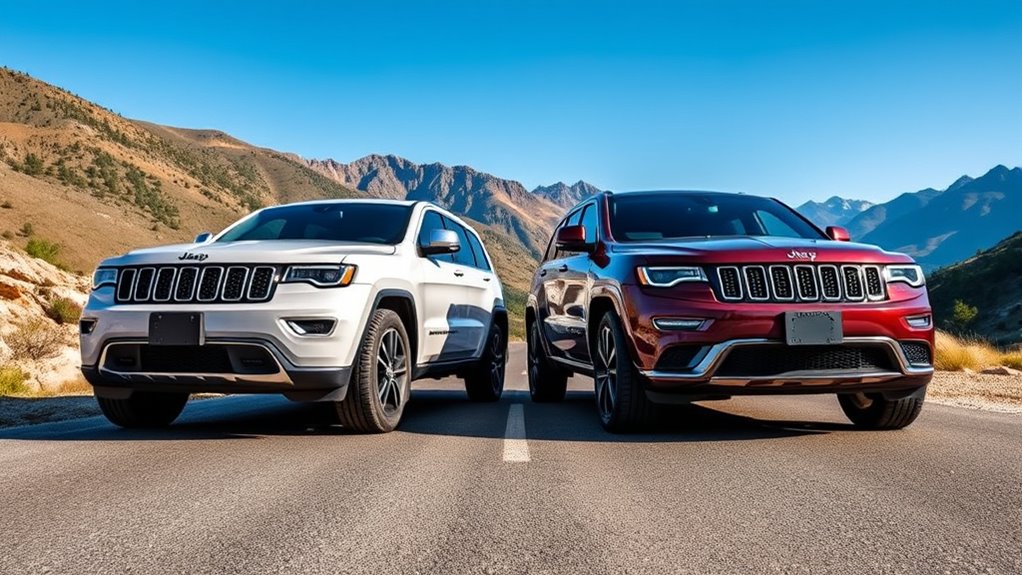
You’ll usually see higher-mileage Jeep Grand Cherokees lose value faster because buyers expect more wear and fewer remaining service years.
A clean, well-maintained vehicle can retain more value than one with similar mileage but visible damage, mechanical issues, or a neglected service history. When you compare listings, mileage and condition work together to shape resale price, so you should weigh both factors carefully.
Mileage Impact On Resale
Mileage and condition are two of the biggest factors in a Jeep Grand Cherokee’s resale value. As mileage climbs, buyers usually expect a lower price because wear affects long-term demand. You’ll often see stronger resale when the vehicle has moderate miles and clear service history.
Higher-output trims, including v8 performance models and off road packages, can soften depreciation, but they don’t erase mileage penalties.
- Low mileage typically supports stronger pricing.
- Average mileage keeps value competitive.
- High mileage narrows your buyer pool.
- Documented maintenance can offset some concern.
You should compare similar model years and trims, since mileage impacts value differently across the lineup. Even with premium features, the market rewards lower use and steady upkeep more than age alone.
Condition And Value Retention
Condition matters just as much as mileage when it comes to a Jeep Grand Cherokee’s resale value. You’ll usually see a stronger price if you’ve kept the exterior clean, the interior free of wear, and the mechanical systems serviced on schedule.
Buyers compare visible condition with maintenance records because both signal lower risk and lower future car ownership costs. A high-mileage SUV can still sell well if it’s been cared for, while a lower-mileage example can lose value fast after accidents, rust, or neglected repairs.
Dealership incentives can narrow the gap on new models, but a well-maintained used Grand Cherokee often stays competitive because it feels less costly to own and easier to trust.
How Does the Grand Cherokee Compare With Rivals?
Compared with rivals like the Toyota 4Runner, Ford Explorer, and Chevrolet Traverse, the Jeep Grand Cherokee usually sits near the middle of the pack for resale value rather than leading it. You’ll see that grand cherokee rivals often outperform it when buyers prioritize low running costs and broad market demand.
Still, the Jeep can stay competitive because shoppers value its capability and upscale feel.
- 4Runner: often stronger long-term retention
- Explorer: similar mainstream demand, but more volume
- Traverse: usually trails in resale
- Grand Cherokee: balances image, features, and depreciation
You should view this comparison as a market check, not a verdict. Different trims, mileage, and regional demand shift results, so resale strategies matter less here than overall segment strength.
How Can You Maximize Grand Cherokee Resale Price?
If you want to get the best resale price for a Grand Cherokee, focus on the factors buyers notice most: service history, trim appeal, mileage, and overall condition. Keep records organized, fix wear items early, and clean the interior and exterior thoroughly.
Choose popular trims and desirable options, since buyers often pay more for proven features.
| Factor | Best Action | Value Impact |
|---|---|---|
| Service history | Document maintenance | Higher trust |
| Mileage | Keep usage modest | Stronger demand |
| Condition | Repair cosmetic issues | Better first impression |
| Trim | Highlight sought-after packages | Wider appeal |
| Timing | Sell before vague marketing shifts | More stable pricing |
Avoid unrelated topic distractions and price against local listings. A well-presented, mechanically sound Grand Cherokee usually attracts better offers.
Frequently Asked Questions
How Often Should I Service a Grand Cherokee to Protect Resale Value?
You should service your Grand Cherokee every 5,000 to 7,500 miles, or as your manual specifies. Consistent maintenance frequency helps you catch issues early, support resale value preservation, and document care for buyers.
Do Color Choices Affect Grand Cherokee Resale Prices?
Yes, color choices can affect Grand Cherokee resale prices. You’ll usually see stronger resale demand for neutral shades like black, white, and gray.
Color value impact is modest, but flashy hues can trim interest.
Is Leasing Better Than Buying for Resale Value?
You’ll usually build more resale value by buying, not leasing, because ownership lets you sell later. Leasing vs buying for resale value favors buying, while color choices impact resale value through broader buyer appeal.
Do Aftermarket Modifications Hurt Grand Cherokee Value?
Yes, aftermarket modifications usually lower your Grand Cherokee’s resale value. Buyers often prefer stock condition, and niche upgrades like aftermarket optics or bold wheel colorways can narrow appeal.
These modifications may increase repair concerns and reduce appraisal confidence.
Which Model Years Are Most Reliable for Resale?
You’ll usually get the strongest resale from 2014-2021 Grand Cherokee model years, especially well-maintained V6 trims. They balance model year reliability, fewer early-generation issues, and a smarter resale strategy than newer, unproven redesigns.
Conclusion
So, do Jeep Grand Cherokees hold their value? Yes—just not like a rare gem locked in a vault. You’ll usually get solid resale strength if you keep mileage moderate, maintenance spotless, and trims well equipped.
Lower trims, heavy wear, accident history, and stale tech can drag your return down fast. Compared with rivals, you’ll sit in the middle of the pack, but you can still protect your price with smart ownership.
In conclusion, Jeep Grand Cherokees do hold their value reasonably well when cared for properly, making them a dependable choice for those mindful of resale.