Did Jeep Discontinue the Cherokee
As an Amazon Associate we earn from qualifying purchases.
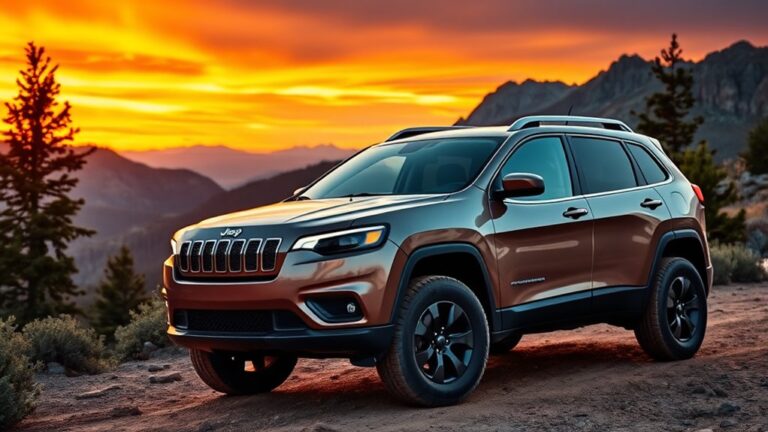
Jeep’s Cherokee, once a steady seller, was discontinued from the U.S. lineup after the 2023 model year, leaving many buyers wondering what happened. You may still spot used models on the market, but the brand shifted production to newer SUVs and electrified options.
This change came as Jeep reworked plants, tooling, and software to support its evolving lineup. The move wasn’t just a pause; it may signal a bigger change in Jeep’s strategy.
Key Takeaways
- Yes, Jeep discontinued the Cherokee in the U.S. after the 2023 model year.
- Production ended while Jeep reconfigured the plant for a new platform and updated manufacturing needs.
- The pause supported tooling changes, supplier validation, labor planning, and quality checks before restarting output.
- Market demand shifted toward hybrids, larger cabins, and newer Jeep models like the Compass and Grand Cherokee.
- A Cherokee return is possible, but Jeep has not announced a confirmed revival yet.
Did Jeep Discontinue the Cherokee?
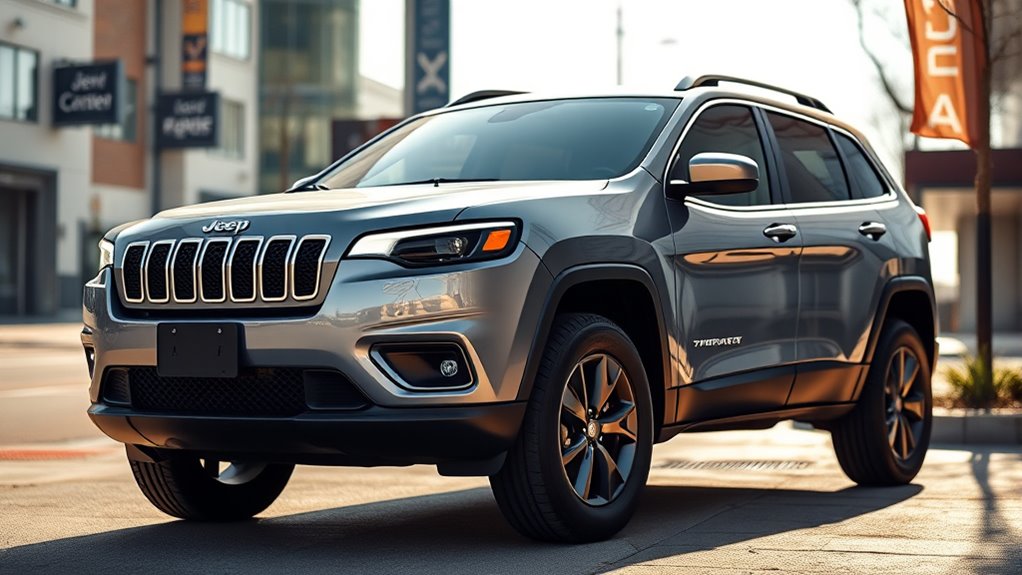
Yes, Jeep did discontinue the Cherokee in the U.S. after the 2023 model year, ending the current generation’s production as the brand shifted focus to other SUVs and electrified offerings. You can verify this through Jeep’s lineup updates and model-year availability charts.
If you’re shopping for a midsize SUV, you’ll now need to compare used Cherokees with current Jeep alternatives like the Grand Cherokee or Compass. Those options may better fit your needs for cargo space, towing, and tech.
Think of it like choosing between gaming laptops: specs matter more than the badge. For pet care, you’ll want easy-clean materials and a flat load floor. Check dealer inventories carefully, since remaining Cherokee stock may vary by region.
Why Jeep Paused Cherokee Production
You can trace Jeep’s pause in Cherokee production to plant reconfiguration, as the automaker prepared facilities for updated manufacturing needs. You’ll also see that timing around a new platform played a role, since Jeep had to align production with future product plans.
Market demand shifts added pressure too, pushing Jeep to adjust output as buyer preferences changed.
Plant Reconfiguration
Jeep paused Cherokee production largely to rework the assembly line and reallocate factory capacity, not because it had permanently ended the nameplate. You can think of plant reconfiguration as a manufacturing reset that supports updated automotive design and better fuel economy targets.
| Focus | Effect |
|---|---|
| Line tooling | Fits revised body structures |
| Supplier flow | Aligns parts sequencing |
| Labor planning | Shifts crews efficiently |
| Quality checks | Reduces build issues |
You also see this when automakers shift equipment, retrain teams, and balance output across models. Jeep’s move let the plant handle changing build requirements without locking in old processes.
That matters because factory flexibility helps you get a better-finished vehicle and keeps production efficient while engineers refine the Cherokee’s next manufacturing setup.
New Platform Timing
Why the pause? You’re seeing Jeep hold Cherokee output while it aligns production with a new platform. That change isn’t a simple swap; engineers must retest body mounts, wiring, crash structures, and software integration before assembly can restart cleanly.
Jeep also times tooling, supplier validation, and plant calibration to avoid costly defects.
Empty conveyor lines waiting for revised fixtures
Engineers scanning digital models beside prototype frames
Fresh battery modules and harnesses on pallets
rooftop gardens and electric edibles as symbolic placeholders for future electrified packaging
This pause helps Jeep build the next Cherokee on a more modern architecture without rushing quality.
Market Demand Shifts
Alongside platform changes, shifting buyer demand has also pushed Jeep to slow Cherokee production. You can see the pattern in sales data: compact SUVs still matter, but shoppers now favor hybrids, off-road-ready trims, and larger cabins. Jeep’s pause reflects a market that’s moving faster than old forecasts.
| Signal | Impact |
|---|---|
| Crossovers | Demand rises |
| Older Cherokee | Sales soften |
| Utopia trends | Buyer expectations shift |
| Unrelated hobbies | Spending competes |
| Jeep response | Production slows |
When you compare competitors, you’ll notice tighter margins and more cautious inventory planning. Jeep isn’t ignoring the Cherokee; it’s waiting for demand to justify a refreshed launch. That pause protects brand value, even if it frustrates loyal drivers.
What Changed in the Jeep Cherokee Lineup
You’ll notice the Cherokee lineup changed through trim-level adjustments that narrowed or reworked available configurations. Jeep also updated the powertrain options, shifting performance and efficiency priorities over time.
Feature packages changed too, with some equipment becoming standard while other items moved into higher trims or optional bundles.
Trim Level Changes
Jeep’s Cherokee trim lineup changed several times over its run, with some equipment packages and grade names shifting as the model evolved. You’d see Jeep adjust trims to match design trends and support its marketing strategy, often adding comfort, tech, or appearance upgrades without changing the core SUV.
Base versions usually stayed practical, while higher trims brought more upscale materials and visible styling cues. Special editions sometimes replaced familiar badges, making the lineup feel fresh from year to year.
- Matte-black grille accents on a trail-ready model
- Bright chrome trim around window frames
- Leather seats with contrast stitching
- Roof rails and larger alloy wheels
These changes helped you compare value at a glance and showed how Jeep kept the Cherokee aligned with shopper expectations.
Powertrain Updates
Over the Cherokee’s life cycle, Jeep updated the powertrain lineup to balance efficiency, towing, and off-road capability. You saw a 2.4-liter four-cylinder, a 3.2-liter V6, and, in some years, a turbocharged 2.0-liter option.
Jeep paired these engines with nine-speed automatic transmissions to improve fuel economy and highway refinement. Depending on model year and trim, you could choose front-wheel drive or Jeep’s active four-wheel-drive systems, which made the Cherokee more versatile on mixed terrain.
These changes focused on performance targets, not an unrelated topic like vehicle aesthetics. If you tracked the lineup year to year, you’d notice Jeep adjusted output, gearing, and drivability more than core architecture. That approach helped the Cherokee stay competitive while meeting changing emissions and efficiency requirements.
Feature Package Shifts
Beyond engines and transmissions, the Cherokee’s appeal also depended on its feature packages, which changed year by year to match buyer demand and market competition. You’d see Jeep reshuffle trims, safety tech, and comfort options as the lineup evolved, often bundling features that once cost extra.
This kept prospectus pricing competitive and let dealership incentives target shoppers who wanted more value without a higher sticker shock.
- Bright chrome accents on a sunlit grille
- Roof rails ready for weekend gear
- A touchscreen glowing in a quiet cabin
- All-weather mats beside rugged tires
You’ll notice that these shifts made the Cherokee feel current, even when its core identity stayed the same. That’s why package changes mattered: they helped Jeep respond quickly, protect sales, and keep your attention in a crowded SUV market.
Which Jeep SUVs Replaced the Cherokee
If you’re wondering which Jeep SUVs stepped in as the Cherokee phased out, the answer depends on the market, but the most direct replacements have been the Jeep Compass and Jeep Grand Cherokee.
If you want a smaller, city-friendly option, the Compass gives you similar practicality, updated tech, and a familiar Jeep interior. If you need more space and capability, the Grand Cherokee covers that gap with stronger towing, a roomier cabin, and available off road wheels for trail use.
You’ll also see the Wagoneer and Grand Wagoneer overlap at the premium end, though they sit above the Cherokee’s class. In short, Jeep didn’t replace the Cherokee with one model; it redistributed its role across several SUVs.
Why Jeep Changed Its SUV Lineup
Jeep changed its SUV lineup to better match shifting buyer demand, tighter emissions and safety requirements, and a need to separate each model more clearly in the market. You see this in how brands now push efficiency, tech, and distinct roles.
Jeep also has to plan for EV charging infrastructure, which affects future model placement and packaging. By streamlining names and trims, it can aim each SUV at a specific audience without overlap.
- A city street with compact crossovers
- A trailhead with mud-caked off road tires
- A charging station beside a showroom
- Clear badges on a row of SUVs
That strategy helps you compare models faster and understand where each one fits.
What the Jeep Cherokee Offered Buyers
For many buyers, the Jeep Cherokee offered a practical middle ground between a compact crossover and a larger SUV. You got a cabin that balanced passenger space, cargo room, and easier parking, plus available four-wheel drive for mixed weather and light off-road use.
Its ride quality aimed to stay composed on pavement while still keeping Jeep capability intact. Buyers also could choose efficient powertrains, including turbocharged options that improved turbochargers efficiency without sacrificing everyday drivability.
Safety tech, infotainment, and driver-assist features helped broaden its appeal. From an engineering ethics standpoint, the Cherokee showed how automakers can weigh performance, packaging, and fuel use while meeting consumer needs.
If you wanted versatility without moving up in size, it made a compelling case.
Will Jeep Bring Back the Jeep Cherokee?
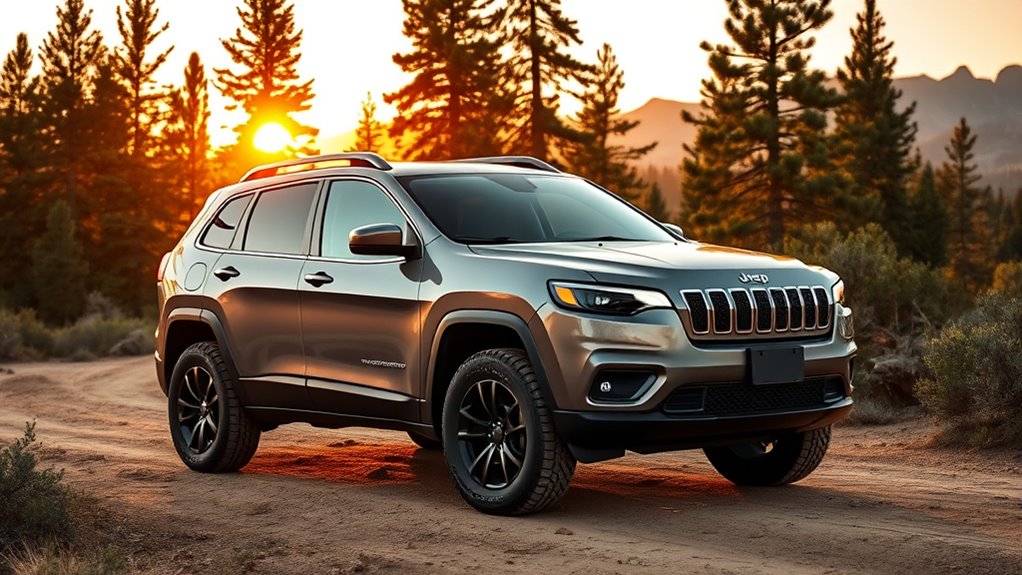
Whether the Jeep Cherokee returns depends on how Stellantis reshapes its U.S. lineup, but there’s no confirmed revival announced at this time. You should watch company filings, dealer updates, and product-roadmap signals for clues.
Jeep has shifted to newer nameplates and electrified models, so any comeback would likely hinge on market demand, planning delays, and supply chain stability.
- A Jeep badge on a refreshed midsize SUV
- A factory line restarting after pause
- Dealer lots with a familiar Cherokee shape
- Engineers tuning a modernized crossover platform
For now, you can treat a return as possible, not promised. If Jeep sees stronger midsize SUV demand and clears production bottlenecks, it may reconsider the Cherokee name later, but timing remains uncertain.
Used Jeep Cherokee Buying Tips
If you’re shopping the used market instead of waiting on a Cherokee comeback, focus on maintenance history, recalls, and drivetrain condition first. Ask for service records that show regular car maintenance, including fluid changes, brake work, and transmission service.
Check for open recall repairs through Jeep’s VIN lookup before you buy. On a test drive, watch for rough shifting, warning lights, steering vibration, and delayed engagement in 4WD models.
Inspect tires for uneven wear, which can signal alignment or suspension issues. Compare fuel economy expectations with the engine and drivetrain you’re considering, because neglected components can hurt efficiency.
Finally, have an independent mechanic scan the vehicle and review any stored codes, so you can spot hidden problems before negotiating price.
Cherokee Alternatives to Consider
Need a Cherokee-sized SUV without waiting for a comeback? You can compare several strong midsize crossovers that match the Cherokee’s footprint, comfort, and capability. The Ford Bronco Sport offers standard all-wheel drive and trail-ready trims, while the Subaru Outback delivers strong ground clearance and excellent Jeep safety scores.
Compare midsize crossovers that match the Cherokee’s footprint, comfort, and capability without waiting for the comeback.
If you want a refined cabin, the Honda Passport and Toyota 4Runner give you space, durability, and proven resale value. For more off-road focus, look at the Chevrolet Trailblazer ACTIV or Mazda CX-50 with available all-terrain packages.
- Rocky forest trail
- Rainy highway commute
- Muddy campsite entrance
- Snow-covered mountain road
Frequently Asked Questions
What Model Year Was the Last Jeep Cherokee Sold?
You’d find the last Jeep Cherokee sold as the 2023 model year, marking its Cherokee discontinuation and model year retirement.
It ended production in early 2023, after years of redesigns and trim changes.
Did the Cherokee Name Appear on Earlier Jeep Models?
Yes, you’ll find the Cherokee name on early models. Jeep used it on a 1970s trim and later on the XJ.
That naming strategy linked newer SUVs to Jeep’s heritage and recognition.
Is the Jeep Cherokee Available in Other Global Markets?
Yes, you can find Jeep Cherokee availability in some global markets, though it varies by region. Stay focused on market-specific data, not unrelated topics or off topic chatter; you’ll get clearer, research-driven answers.
How Does the Cherokee Compare to the Jeep Grand Cherokee?
You’ll find the Cherokee smaller and more affordable, while the Grand Cherokee offers more space, luxury, and towing.
For comparison accuracy, both deliver strong off road capability, but the Grand Cherokee’s suspension and powertrains are stronger.
Are There Any Special Editions of the Jeep Cherokee?
Yes, you’ll find special editions of the Jeep Cherokee, though market availability varies by year and region. You can compare trim-specific styling, badges, and packages.
Jeep’s releases balance rugged utility with occasional luxury.
Conclusion
So, yes—Jeep did discontinue the Cherokee in the U.S. after the 2023 model year, and you’re now looking at a lineup that’s been reshaped like a trail map after a storm. Jeep paused production to prepare for a new platform and cleaner, more electrified SUVs.
If you’re shopping now, you’ll likely compare used Cherokees with Grand Cherokee, Compass, or other midsize options while Jeep decides whether to bring the nameplate back.
In conclusion, Jeep discontinued the Cherokee for now, but the future of the Cherokee nameplate remains uncertain as Jeep explores new directions.