Can a Jeep Pull a Camper
As an Amazon Associate we earn from qualifying purchases.
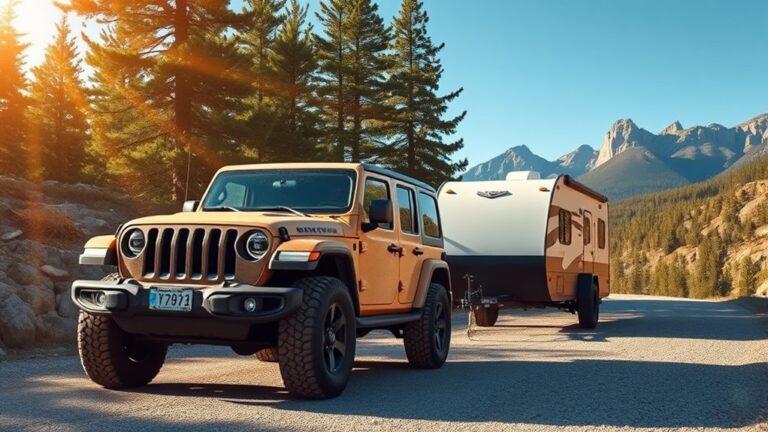
Yes, a Jeep can pull a camper, but only if you match the trailer to your specific model and stay within its tow rating, payload, and gross combined weight limits. You also need the right hitch, brakes, and electrical setup before you hit the road.
The real question isn’t just whether your Jeep can tow, but what it can tow safely—and that answer isn’t the same for every Jeep. Ensuring proper equipment and adhering to your vehicle’s specifications is key to a safe and enjoyable towing experience.
Key Takeaways
- Yes, many Jeeps can tow campers, but only within the exact model’s tow rating and payload limits.
- Wrangler models usually tow lighter campers, while Grand Cherokee and Gladiator can handle more.
- Match camper dry weight, loaded weight, and tongue weight to Jeep specs before hitching.
- Check hitch, coupler, chains, wiring, brakes, tires, and breakaway system before every trip.
- Drive smoothly, lower speed on hills, and stop if the Jeep feels overloaded or the trailer sways.
Can a Jeep Pull a Camper?
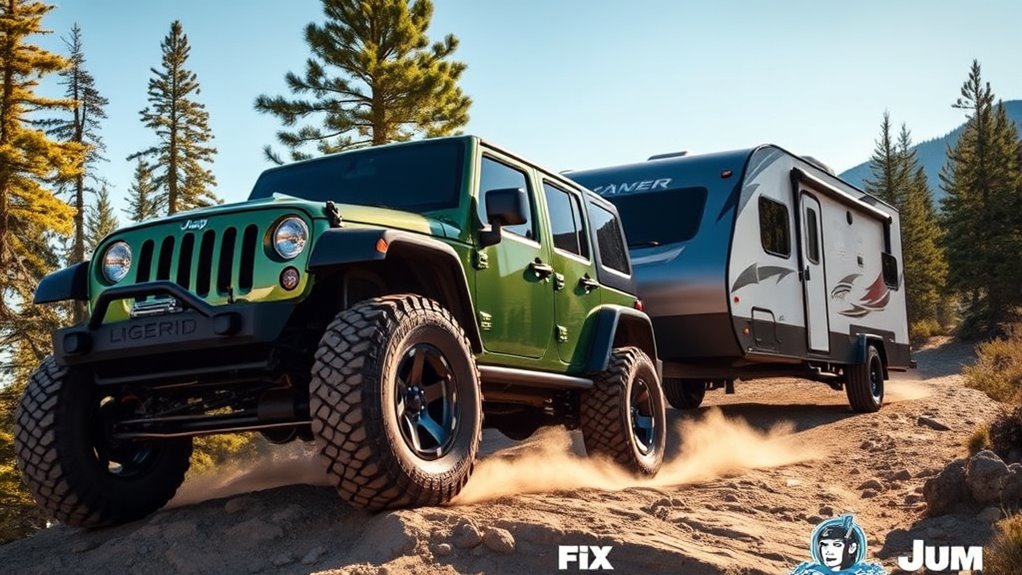
Yes, a Jeep can pull a camper, but only if the Jeep’s towing capacity matches the camper’s weight and your setup is properly equipped. You need to check the trailer’s loaded weight, including water, food, and camping gear, not just its dry figure.
You should also verify that your hitch, wiring, brakes, and tires can handle the load safely. A Jeep’s short wheelbase and off-road limits can affect stability, especially on rough pavement, steep grades, or windy highways.
You’ll get the best results when you keep the camper within rated limits and distribute weight evenly. If you exceed those limits, you’ll reduce control, strain the drivetrain, and increase stopping distance.
Which Jeeps Can Tow a Camper?
You’ll need to check each Jeep’s tow rating before you choose a camper, because capability varies by model and trim. Wrangler models can tow, but their limits are usually lower than other Jeep SUVs, so you’ll want to match the camper’s weight carefully.
If you need more towing capacity, the Grand Cherokee often offers a stronger option for hauling a camper.
Jeep Tow Ratings
Jeep tow ratings vary widely by model, so not every Jeep can safely pull a camper. You need to check your exact vehicle’s towing capacity, because trim, engine, drivetrain, and factory equipment all affect the limit.
Some Jeep SUVs can handle light campers, while others are better suited to utility trailers or gear haulers. Your Jeep’s ride height and off road tires can also influence stability, especially when you load a camper or tow on uneven pavement.
Use the manufacturer’s tow rating, not a guess, and compare it with the camper’s loaded weight, tongue weight, and cargo. If the numbers don’t match, choose a lighter camper or a different tow vehicle. Always confirm payload and hitch ratings before you hook up.
Wrangler Towing Limits
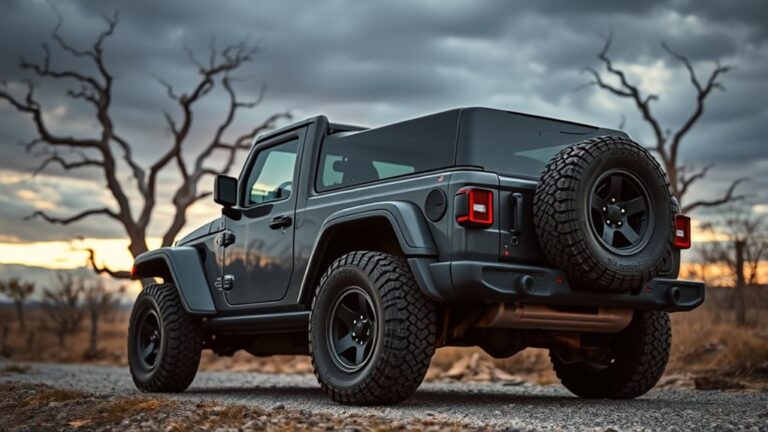
Wrangler towing limits depend on the exact trim and setup, but a properly equipped Jeep Wrangler can tow a small camper when its trailer weight stays within the factory rating. You should verify the specific tow package, axle ratio, and transmission before you hitch up, because these details affect the limit.
Most Wrangler models handle lightweight pop-ups or teardrops best, not heavy travel trailers. You also need to account for payload, passengers, gear, and tongue weight, since they all count against capacity. Keep your setup compact to preserve braking control, steering stability, and fuel economy.
When you camp, follow camping etiquette by parking responsibly, checking hookups, and respecting quiet hours. Always match the camper to your exact Wrangler, not the badge alone.
Grand Cherokee Capability
Among Jeep SUVs, the Grand Cherokee often gives you a stronger towing setup than a Wrangler, and many properly equipped models can pull a small to midsize camper within their rated limits. You still need to match camper weight to the exact tow rating on your trim, engine, and axle package.
When you stay within that number, you improve jeep safety and reduce strain on brakes, transmission, and cooling systems.
- You can tow with more confidence.
- You keep handling more stable.
- You avoid costly mechanical stress.
For best results, check tongue weight, hitch rating, and payload before you hook up. A Grand Cherokee can be a capable choice, but only if your trailer stays well under spec and you drive conservatively on hills, crosswinds, and rough roads.
Jeep Towing Capacity by Model
You’ll find that Jeep towing capacity varies a lot by model, so your camper match starts with the specific Jeep you’re considering. The Wrangler has more limited towing ratings, while the Grand Cherokee offers higher towing capability for heavier campers.
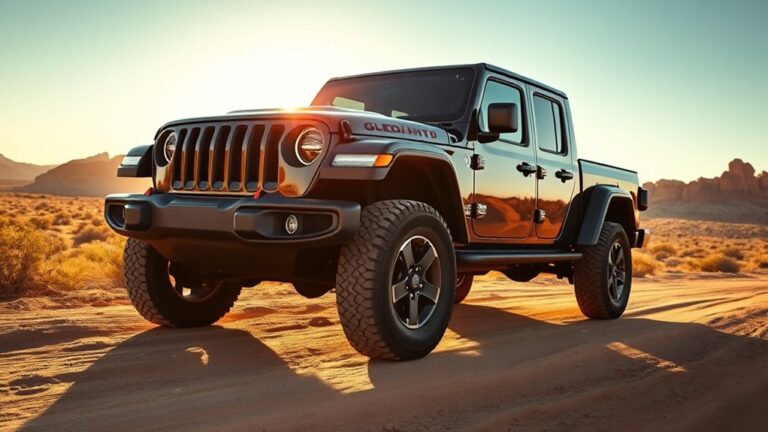
If you’re looking at a Gladiator, its payload capacity also matters because it affects how much weight you can carry and tow safely.
Wrangler Towing Limits
When it comes to towing with a Jeep Wrangler, the limit depends on the exact model and setup. You should expect ratings that vary by engine, axle ratio, transmission, and roof or tire choices.
In many cases, a properly equipped Wrangler can tow a modest camper, but you’ll need to check the door placard and owner’s manual before you hitch up. Jeep’s non Jeep aesthetics may appeal to buyers seeking style, yet off road culture still shapes the Wrangler’s core strength.
- Confidence when you tow within spec
- Relief from avoiding drivetrain stress
- Pride in a rig built for trails
Stay conservative, match the trailer weight to your configuration, and use the correct hitch and trailer brakes if required.
Grand Cherokee Ratings
If the Wrangler feels a bit tight for your camper, the Jeep Grand Cherokee gives you a stronger tow rating to work with. You can usually find models that tow far more than a Wrangler, especially when you choose the right engine and factory tow package.
That extra capacity improves camper compatibility for smaller travel trailers, pop-ups, and lightweight hybrids. Still, you need to match the trailer’s loaded weight, tongue weight, and braking needs to the exact trim you’re considering.
The Grand Cherokee also brings everyday comfort, but you’ll face towing tradeoffs: larger engines may use more fuel, and heavier trailers can reduce acceleration and handling. Check Jeep’s model-year ratings before you buy, because capacities vary by trim and drivetrain.
Gladiator Payload Capacity
The Jeep Gladiator gives you a different kind of towing advantage: strong payload capacity. You can load passengers, gear, and tongue weight with more confidence than many midsize SUVs, which helps when you’re choosing a camper.
Payload matters because it limits how much weight you can add inside the truck, including rooftop tents, coolers, and recovery tools. For glacier camping or remote trips, that flexibility can make setup easier.
- More gear without overloading
- Better balance for camping setups
- More room for practical upgrades
You still need to check your door-jamb sticker and match the camper’s tongue weight to your exact trim. If you stay within ratings, the Gladiator can support a capable, adventure-ready camping build.
How to Choose a Camper Your Jeep Can Handle
To choose a camper your Jeep can handle, start with your Jeep’s towing capacity, then stay well below that limit to account for passengers, gear, and road conditions. Next, compare the camper’s dry weight, loaded weight, and tongue weight with your Jeep’s ratings.
You should also check camper compatibility by considering length, height, and aerodynamic drag, since these affect control and fuel use. Shorter, lighter models usually suit midsize SUVs and pickups better than large travel trailers.
If you’re weighing two options, make two word discussion ideas around weight margin and storage needs. Favor campers with simple layouts, fewer slide-outs, and modest cargo demands. That approach helps you match the trailer to your Jeep without pushing performance, stability, or comfort beyond practical limits.
What Hitch and Brake Setup You Need
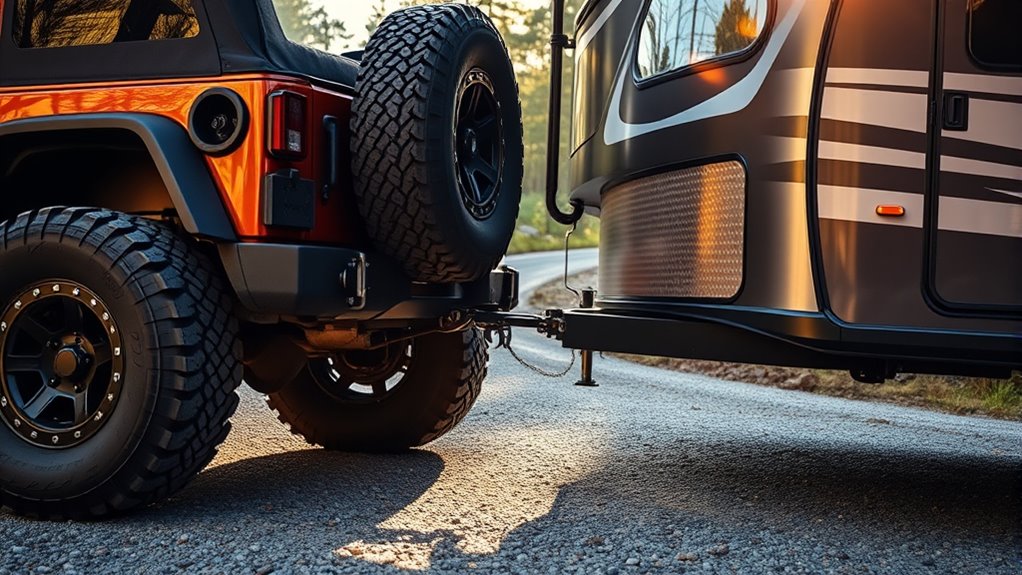
What hitch and brake setup do you need for a Jeep and camper? You need a rated tow hitch matched to your Jeep’s receiver class and the camper’s weight. Check the Jeep’s towing limit, tongue weight rating, and the hitch’s gross trailer rating before you connect anything.
If the camper has electric brakes, install a brake controller in the cabin so you can regulate braking from the driver’s seat.
- You protect your Jeep’s frame and drivetrain.
- You reduce stress on the hitch and coupler.
- You gain better control when the trailer adds load.
Use the correct ball mount and hitch ball size for a secure fit. Verify all wiring connections, then confirm the trailer lights and brake circuit work before you tow.
How to Tow a Camper Safely
Safe towing starts with staying within your Jeep’s tow rating, keeping the trailer loaded evenly, and checking that the coupler, hitch, chains, and electrical connections are all secure before you move. You should also confirm that your camper setup matches the Jeep’s capacity, with proper tongue weight and balanced cargo.
Before every trip, run safety checks on tires, lights, brakes, mirrors, and the breakaway system. Drive smoothly, leave extra following distance, and reduce speed on curves, hills, and rough pavement. Avoid abrupt steering or braking, since that can unsettle the trailer.
On descents, use lower gears to control speed. Stop after the first few miles to inspect the connection again, then repeat inspections at fuel or rest stops.
When a Jeep Can’t Tow Safely
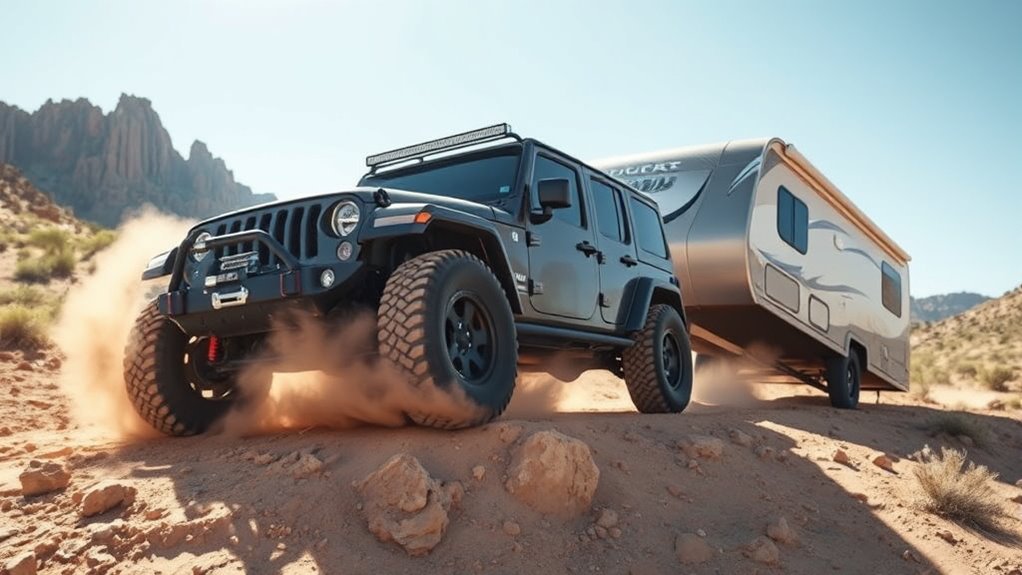
A Jeep can’t tow safely when the trailer exceeds its tow rating, tongue weight overwhelms the rear suspension, or the combined load pushes the vehicle beyond its gross combined weight limit. You should stop before you create a dangerous setup that strains brakes, tires, and steering.
If the camper sways, the Jeep squats hard, or acceleration feels sluggish, you’re already near the limit.
- You risk losing control on hills.
- You can overheat drivetrain components.
- You can turn a trip into a crash.
Don’t let an unrelated topic or off topic discussion distract you from the numbers on your door sticker and owner’s manual. If the math fails, choose a lighter trailer or a heavier tow vehicle. Safe towing starts with honest limits, not wishful thinking.
Frequently Asked Questions
How Does Altitude Affect a Jeep’s Towing Performance?
At higher altitude, your Jeep loses power because thinner air reduces engine output, which hurts towing performance. You’ll also need more throttle, and heat can build faster, so altitude effects make hills feel heavier.
Can a Jeep Tow a Camper in Snowy Conditions?
Yes, you can tow a camper in snowy conditions if you manage it carefully, but ice can turn towing into a slippery dance.
You’ll need good tire treadwise, proper weight distribution, and reduced speed.
Do Aftermarket Suspension Upgrades Increase Towing Stability?
Yes, aftermarket suspension can improve towing stability if you choose quality shocks, springs, and sway bars. You’ll reduce sag and body roll, but upgrades won’t increase your Jeep’s legal tow rating or replace proper load distribution.
How Often Should Trailer Bearings Be Serviced?
You should service trailer bearings every 12 months or 12,000 miles, whichever comes first; rough use may need sooner.
Regular bearing maintenance and trailer lubrication help prevent heat, wear, and costly roadside failures.
Can Crosswinds Make Jeep Towing More Dangerous?
Yes, crosswinds can make Jeep towing more dangerous by pushing the trailer sideways and reducing control.
You should slow down, keep firm steering, and use towing safety measurements to reduce crosswinds risks.
Conclusion
So yes, you can have your Jeep pull the camper, but only if you treat the journey like crossing a narrow bridge with a careful load. You need the right tow rating, proper hitch gear, and a camper that fits your Jeep’s strength.
Stay within the limits, check your brakes and connections, and drive with patience. When you match the rig to the road, you keep control and reach camp safely.
In conclusion, ensuring your Jeep can pull a camper safely requires careful preparation and attention to your vehicle’s capabilities.