Are Jeep Wagoneers Reliable
As an Amazon Associate we earn from qualifying purchases.
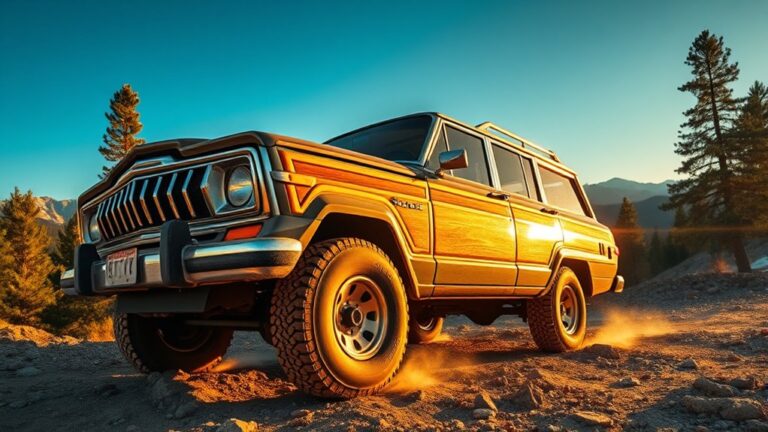
If you’re asking whether Jeep Wagoneers are reliable, the answer is mixed.
Jeep Wagoneers offer strong comfort, towing ability, and upscale features that appeal to many buyers. However, they may also come with higher maintenance costs and some common issues.
These problems can include electronics glitches, occasional suspension concerns, and fit-and-finish inconsistencies. Reliability often depends heavily on the model year and how well the vehicle has been maintained over time.
Before you decide, it’s helpful to understand which problems arise most frequently and how they might impact long-term ownership. This knowledge can guide you in making a more informed choice about the Jeep Wagoneer.
Key Takeaways
- Jeep Wagoneer reliability is mixed, with results varying by model year, trim, and maintenance history.
- Owners often praise comfort and space, but independent reviews note uneven dependability.
- Common issues include electrical glitches, infotainment bugs, rattles, and suspension noise.
- The twin-turbo inline-six can hold up well with regular oil changes, cooling checks, and prompt repairs.
- Ownership costs are high because of fuel use, maintenance, and potentially weaker resale value.
Are Jeep Wagoneers Reliable?
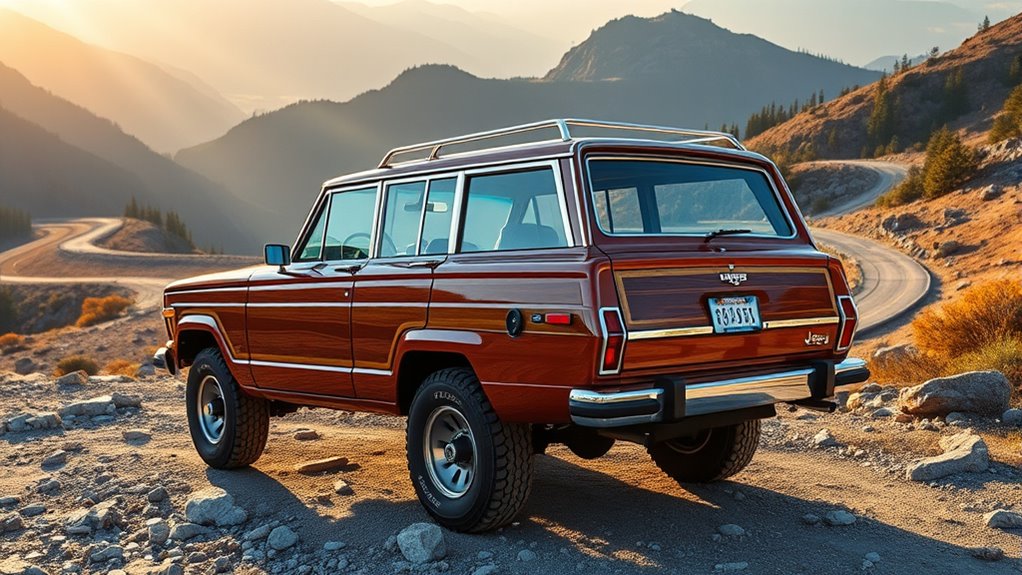
Jeep Wagoneers have a mixed reliability record, so you shouldn’t assume they’re trouble-free or unreliable without looking at the specific model year and maintenance history. You should expect variation across generations, because engineering changes, parts quality, and owner upkeep all affect results.
Some versions can deliver strong comfort and capability, but you may also face repair risks that raise ownership costs. To judge reliability fairly, you should check recall data, service schedules, and long-term repair reports rather than rely on unreliable myths.
You should also consider resale uncertainty, since inconsistent dependability can affect future value. If you compare examples carefully, you’ll get a clearer view of whether a specific Wagoneer fits your needs and budget.
What Do Wagoneer Owners Say?
Owners often describe Wagoneers as comfortable, quiet, and roomy SUVs that handle family duty well, but they also mention that reliability can vary by model year and trim. If you’re asking Are Jeep Wagoneers reliable or not, owner feedback usually sounds more positive than you might expect.
Many owners praise the ride quality, cabin materials, and towing confidence, then note that long-term ownership depends on how well the vehicle ages. You’ll also see owner satisfaction ratings vs. independent reviews diverge: owners may rate the Wagoneer highly for daily use, while reviewers focus more on overall dependability trends.
That difference suggests you should weigh both perspectives before deciding. In short, owner opinions often highlight comfort and value, while reliability assessments remain mixed.
Common Jeep Wagoneer Problems
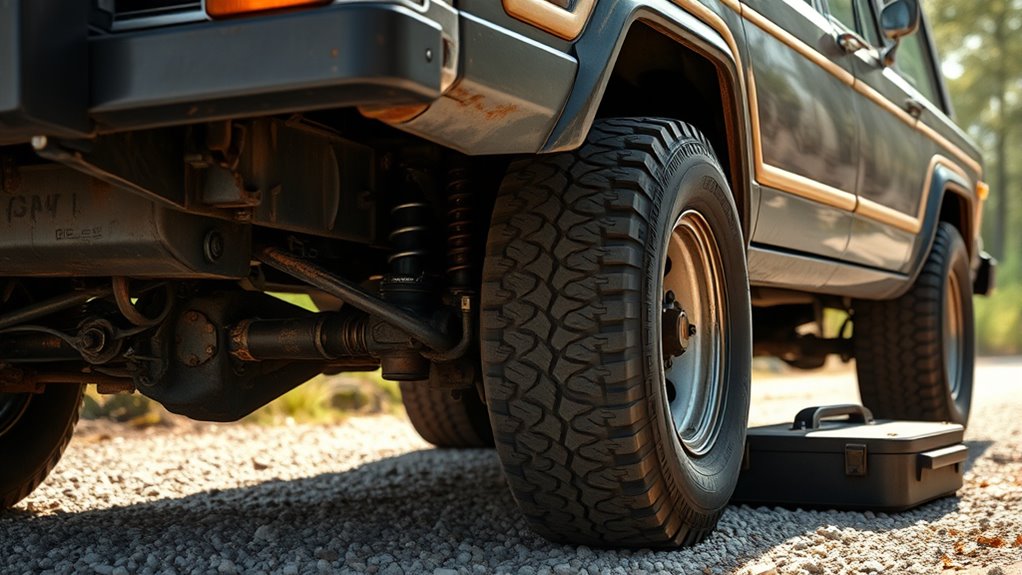
Common Wagoneer complaints usually center on electrical glitches, infotainment freezes, fit-and-finish issues, and occasional drivetrain or suspension concerns. You may notice warning lights, delayed touch responses, rattles, or uneven ride quality. These problems don’t affect every vehicle, but they do shape ownership costs and satisfaction.
Watch for:
- software updates that fail to stick
- trim pieces that loosen or misalign
- fuel efficiency that’s below class averages
- unreliable resale tied to mixed reviews
You should also inspect cabin electronics, steering feel, and suspension noise during a test drive. If you need a full-size SUV, the Wagoneer offers space and capability, but these common issues can make it less predictable than rivals. Careful shopping helps you avoid a poorly sorted example.
How the Jeep Wagoneer Holds Up Long Term
Over time, you’ll want to watch how the Jeep Wagoneer’s engine holds up, since long-term durability depends on maintenance and driving conditions.
You can also expect transmission wear to become more noticeable as mileage climbs, especially if the vehicle has seen heavy towing or frequent stop-and-go use. Suspension components and interior materials may age at different rates, so regular inspections help you catch wear before it affects comfort or performance.
Long-Term Engine Durability
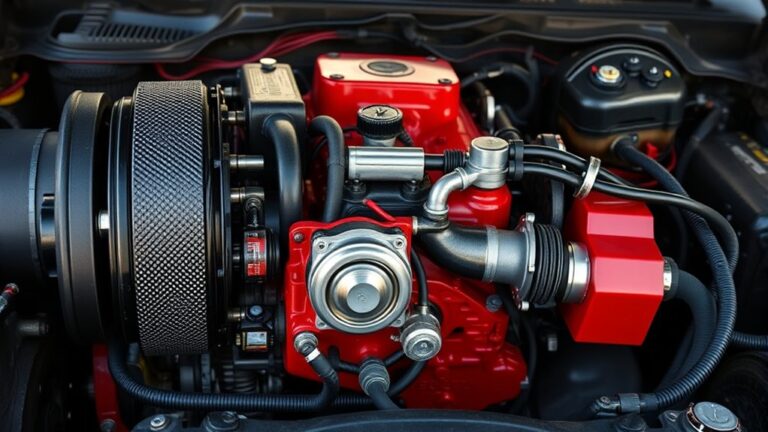
When you look at the Jeep Wagoneer’s long-term engine durability, the main question is whether its twin-turbo inline-six can stay dependable as mileage climbs. You should focus on maintenance, because consistent engine oiling and clean fuel keep wear in check.
The design aims to balance power and fuel efficiency, but long-term results still depend on heat control and service quality. You can expect better durability when you follow the schedule and address small issues early.
Key factors include:
- Regular oil changes
- Quality filters and fluids
- Timely cooling-system checks
- Careful attention to warning lights
If you maintain it properly, you can reduce stress on internal parts and help the engine hold up well over time.
Transmission Wear Over Time
Transmission wear in the Jeep Wagoneer depends heavily on how often you service the fluid and how hard you drive it. If you follow the maintenance schedule, you can reduce heat buildup and help preserve gear longevity over the long term.
The transmission is built to handle a large SUV’s weight, but frequent towing, stop-and-go traffic, and aggressive acceleration can speed up transmission wear. You should watch for delayed shifts, rough engagement, or slipping, since those signs often point to early wear.
Regular fluid checks and timely service matter more than mileage alone. With consistent care, the transmission can hold up well for many years, but neglected maintenance usually shortens its useful life and raises repair risk.
Suspension And Interior Aging
Beyond the drivetrain, the Jeep Wagoneer’s long-term durability also depends on how well its suspension and cabin materials hold up. You may notice suspension aging through clunks, sagging, or uneven ride height as bushings, shocks, and air components wear.
Interior wear can show up faster in high-use areas such as seats, switches, and trim pieces, especially if you use the vehicle for family hauling or towing. To assess condition, check:
- Front-end looseness
- Rear ride quality
- Seat bolstering wear
- Dashboard and door trim fit
Regular inspections and timely repairs help you manage these issues. If you keep the suspension aligned and protect the cabin from heat and abrasion, you can slow visible deterioration and preserve long-term comfort and value.
Jeep Wagoneer Maintenance Costs
You’ll typically pay more for routine service on a Jeep Wagoneer than on a midsize SUV because of its size, V8 power, and premium components. Common repair costs can add up if you need suspension, electronics, or drivetrain work, especially after the warranty ends.
Your total ownership cost also depends on mileage, driving conditions, and how closely you follow the maintenance schedule.
Routine Service Costs
Routine service costs for a Jeep Wagoneer are generally higher than average, largely because it’s a large, premium SUV with a powerful engine and more complex systems. You should budget for regular oil changes, tire rotations, brake inspections, and fluid checks, especially if you drive often in city driving conditions.
Lower fuel efficiency can also increase your total operating cost, so frequent refueling adds up. To keep expenses predictable, plan for:
- Scheduled oil and filter changes
- Tire rotation and alignment
- Brake system inspections
- Battery and fluid maintenance
These routine items help you avoid skipped service and keep the vehicle operating as intended. If you follow the maintenance schedule closely, you can better control long-term ownership costs.
Common Repair Expenses
Common repair expenses for a Jeep Wagoneer can be significant because its size, technology, and premium components often make parts and labor more expensive than average. You may pay more for suspension work, brake replacements, air-conditioning repairs, or electronic module fixes than you would on a smaller SUV.
If you drive in harsh conditions, you can also see faster wear on tires and wheel components. When warning lights appear, diagnostic time can add to the bill. You should also expect higher costs for body and glass repairs due to the vehicle’s dimensions and feature content.
This is not an unrelated topic or off topic discussion; these repairs directly affect ownership. Careful maintenance can help you avoid bigger repair bills later.
Ownership Cost Factors
Jeep Wagoneer maintenance costs can run higher than those of many mainstream SUVs because of its size, advanced features, and premium parts. You’ll also face ownership expenses beyond routine service, so plan your budget carefully.
- Oil changes, brake work, and tire replacements often cost more due to the Wagoneer’s weight.
- Advanced electronics and driver-assist systems can increase diagnostic labor and repair bills.
- Fuel efficiency is lower than that of smaller SUVs, so you’ll spend more at the pump.
- Low resale can raise long-term ownership cost by reducing what you recover later.
If you keep up with scheduled maintenance, you can limit surprise repairs. Still, you should expect higher running costs than average and compare them against the Wagoneer’s comfort and capability.
Is a Jeep Wagoneer a Smart Buy?
A Jeep Wagoneer can be a smart buy if you want a large, upscale SUV with strong towing capability, a spacious cabin, and plenty of technology. You get a refined ride, adult-friendly third-row seating, and solid towing capacity for boats or trailers.
If you often travel on rough roads, its off road capability can help, though it isn’t a true trail rig. You should also weigh its fuel economy, higher purchase price, and maintenance costs against its features.
If you need family comfort and premium space more than efficiency, it makes sense. If you value low ownership costs or simpler dependability, you may want to compare other full-size SUVs before you buy.
Frequently Asked Questions
Does the Wagoneer Come With a Full-Size Spare Tire?
Yes, you can get a full-size spare tire on some Wagoneer trims or with certain packages, but it isn’t always standard.
You’ll also notice less road noise with proper tire selection and inflation.
How Many Passengers Can a Jeep Wagoneer Seat?
You can seat up to eight passengers in a Jeep Wagoneer, depending on the configuration. Its passenger capacity and interior comfort make it a roomy choice, with available captain’s chairs reducing seating to seven.
Is the Wagoneer Good for Towing Heavy Trailers?
Yes, you can tow heavy trailers with a Wagoneer; it offers strong towing capacity, up to about 10,000 pounds when properly equipped.
Still, you’ll want to verify trailer weight, payload, and braking before playing hero.
What Infotainment Features Does the Wagoneer Offer?
You get a large touchscreen, wireless Apple CarPlay and Android Auto, navigation, voice control, and available rear-seat entertainment.
Jeep’s infotainment reliability is decent, and screen usability feels straightforward, though some menus take time to learn.
Does the Wagoneer Have Advanced Off-Road Driving Modes?
Yes, you can get advanced off-road modes and advanced traction control in some Wagoneer trims. Jeep also offers electric powertrain and hybrid options in related models, though the Wagoneer itself focuses on gasoline power.
Conclusion
So, are Jeep Wagoneers reliable? You’ll find a mixed picture that often matches the old rule: take care of a vehicle, and it usually takes care of you.
If you buy one, expect strong comfort, towing ability, and off-road strength, but also higher running costs and occasional electronics or suspension issues.
For you, the smartest move is a careful test drive, full service records, and a close look at long-term maintenance before you commit.
In conclusion, Jeep Wagoneers can be reliable if properly maintained, making thorough evaluation essential before purchase.