Are Jeep Renegades Good
As an Amazon Associate we earn from qualifying purchases.
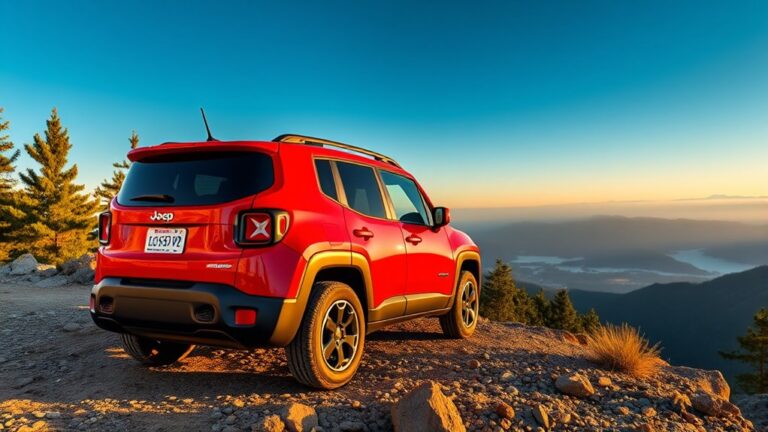
If you’re considering a Jeep Renegade, you’re looking at a compact SUV with real personality, decent practicality, and available all-wheel drive. The Jeep Renegade is easy to park and offers good visibility, making it a convenient choice for city driving. The Trailhawk trim adds light off-road ability for those who want a bit more adventure.
However, you should also weigh mixed reliability, a tight cabin, and performance that’s adequate rather than quick.
The interior space can feel cramped compared to some rivals, and the engine options prioritize efficiency over speed. The real question is whether its strengths matter more than its compromises.
Key Takeaways
- Jeep Renegades are good for buyers wanting personality, compact size, and easy city maneuverability.
- They offer available all-wheel drive and decent light-trail capability, especially in Trailhawk trim.
- Cabin visibility is strong, and the boxy shape makes parking and loading practical.
- Ride comfort and refinement are only average, with a busier feel than many rivals.
- Reliability is mixed, so ownership satisfaction depends on choosing a well-maintained model year.
Are Jeep Renegades Good?
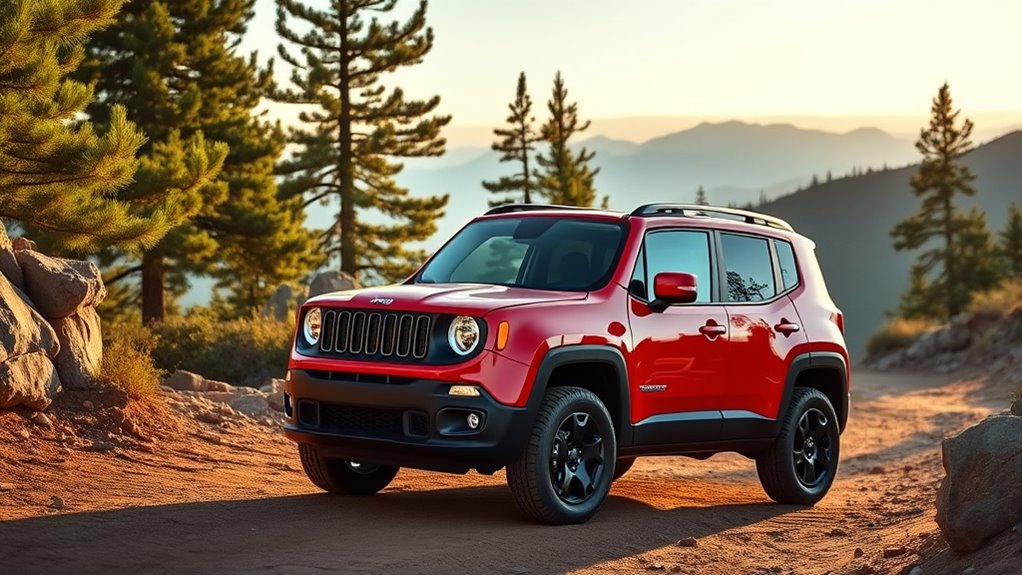
Jeep Renegades can be a good choice if you want a small SUV with distinctive styling, available all-wheel drive, and a more rugged image than many rivals. You get a cabin that’s easy to understand, a short body that helps in tight spaces, and trim choices that let you compare equipment without much confusion.
You should also weigh its limits: the ride can feel busy, and some rivals offer stronger performance or a quieter interior. If you value personality and simple utility over polish, it can make sense.
When you’re sorting two word ideas like “city friendly” or “trail capable,” keep off topic thoughts out of the decision. Overall, you’ll see a compact SUV that fits a narrow set of priorities well.
Are Jeep Renegades Good for Daily Driving?
If you drive a Jeep Renegade every day, you’ll likely notice that its fuel economy is respectable rather than exceptional, so it can fit commuting needs without being especially efficient. Its compact size helps you maneuver through city traffic and park in tight spaces with ease, which adds to its daily practicality.
Ride comfort is generally acceptable for most trips, though you may feel more road texture than in some other small SUVs.
Fuel Economy
When you’re looking at the Jeep Renegade for daily driving, fuel economy is one of its more practical strengths, though it isn’t class-leading. You’ll usually see results that are competitive for a small SUV with available four-wheel drive, especially if you drive smoothly and avoid aggressive acceleration.
That said, real-world mileage can vary based on engine choice, terrain, and how often you use all-wheel-drive traction.
- EPA estimates are decent for most trims.
- Highway driving often helps you stretch each gallon.
- Stop-and-go traffic can lower efficiency noticeably.
- Reasonable fuel economy may also help offset maintenance costs.
City Maneuverability
Beyond fuel economy, the Renegade’s small footprint makes it easy to place in city traffic and tight parking spots. You’ll appreciate its upright seating position, which gives you a clear view of lane markers, cyclists, and crosswalks.
Light steering helps with quick direction changes, so city handling feels predictable when you’re threading through crowded streets or making frequent turns. The short wheelbase also helps you maneuver around narrow alleys and pull into compact spaces with less effort.
At the same time, the boxy shape improves curb appeal if you want a small SUV with a distinctive look. Still, the tall profile can catch more wind than lower vehicles, so it won’t feel as settled at higher speeds. For daily urban driving, though, it’s practical and easy to manage.
Ride Comfort
Ride comfort in the Jeep Renegade is decent for everyday driving, but it’s not the softest small SUV in the class. You’ll feel sharp pavement edges and larger bumps more than in some rivals, yet the suspension does a fair job of settling after rough sections.
For daily commutes, the seats offer adequate support, and the upright driving position helps you stay relaxed.
- Ride comfort feels firmer than plush.
- Interior noise rises on highways and coarse surfaces.
- Short trips stay manageable and predictable.
- Long drives may tire you more than smoother competitors.
If you value easy handling and a confident feel, the Renegade works well enough. If you want the quietest, most cushioned ride comfort, you should compare it with softer alternatives.
How Does the Jeep Renegade Ride and Perform?
The Jeep Renegade delivers a composed, easygoing ride in town, with light steering and a small footprint that make it simple to maneuver and park. You’ll notice a firmer suspension than many small SUVs, so bumps can feel a bit busy, but it helps the body stay controlled.
On winding roads, the Renegade feels secure rather than sporty, and its available all-wheel-drive setup adds confidence in poor weather. If you choose a trail-focused version, you get stronger off-road capacity without losing everyday usability.
The cabin’s upright interior design also gives you good visibility, which supports relaxed driving. Engine output is adequate for commuting and errands, though quick passes on the highway take planning. Overall, it balances comfort, control, and versatility well.
How Reliable Is the Jeep Renegade?
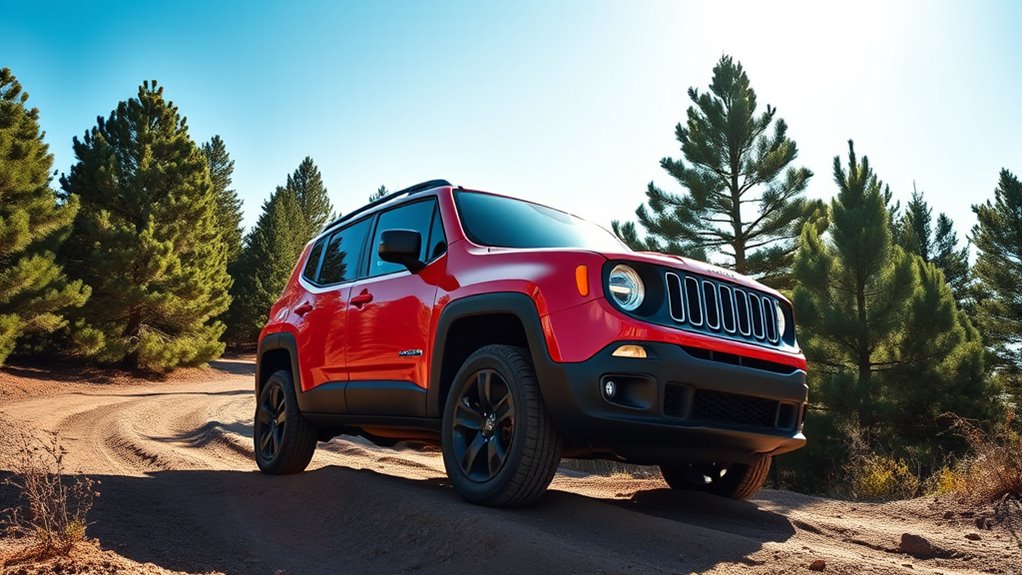
When you look at the Jeep Renegade’s reliability over time, you’ll find that it can be solid in some model years but less consistent in others. You may also run into common mechanical issues, including transmission concerns, electrical glitches, and occasional engine-related problems.
Reliability Over Time
Over time, the Jeep Renegade has shown mixed reliability, so you’ll want to weigh its strengths against its maintenance record. Your decision should hinge on its reliability history, which improves in some model years and softens in others.
You may find ownership costs stay moderate when you keep up with scheduled service, but they can rise if you skip routine care. Consider these factors:
- Model-year consistency matters.
- Service intervals affect long-term durability.
- Driving habits influence wear.
- Resale value reflects perceived trustworthiness.
If you plan to keep yours for several years, you should review maintenance data before buying. That way, you can judge whether the Renegade’s value matches your expectations for dependable daily use and predictable expenses over time.
Common Mechanical Issues
Beyond long-term reliability trends, you should also look at the common mechanical problems that have shaped the Jeep Renegade’s reputation. You may encounter transmission hesitation, electrical glitches, and occasional cooling-system leaks, especially on higher-mileage vehicles.
Some owners report issues with the turbo engine’s oil consumption and rough shifts in stop-and-go traffic. These complaints are often poorly documented across model years, which can make diagnosis harder.
You’ll want to check service records carefully and confirm whether warranty coverage handled earlier repairs. In some regions, aftermarket support helps you source replacement parts, but availability can vary.
If you drive in extreme weather, inspect seals, batteries, and driveline components more often, since heat, cold, and moisture can accelerate wear and expose weaknesses.
How Much Space Does the Jeep Renegade Have?
How much space does the Jeep Renegade actually offer? You get a compact cabin that prioritizes space efficiency over outright size, so it feels manageable in tight city driving. Up front, you’ll find enough headroom and legroom for most adults, though taller passengers may notice limits.
In the rear, room is acceptable for short trips, but it’s not class-leading.
- Cargo space stays useful for daily errands.
- The rear seats fold to improve cargo versatility.
- The boxy shape helps you load bulky items.
- Storage bins and pockets add practical everyday utility.
Which Jeep Renegade Trims Are Worth It?
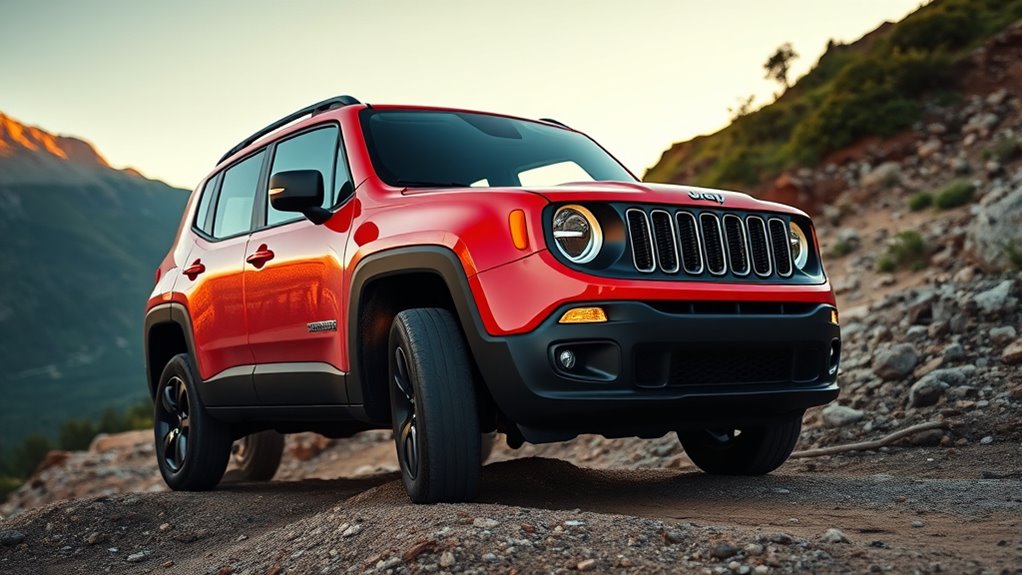
Which Jeep Renegade trim is worth your money depends on what you want from the SUV, because each version adds features without changing the Renegade’s basic formula. If you want the best value, the Sport or Latitude usually makes the most sense, since you get solid tech, useful safety gear, and a decent interior design upgrade over the base setup.
The Altitude can appeal if you care about style more than extra capability. If you want more comfort, the Limited adds nicer materials and more convenience features. You should only choose the Trailhawk if you’ll use its extra off road features and specialized hardware, because it costs more and focuses less on everyday value.
Is the Jeep Renegade Good Off-Road?
Yes, the Jeep Renegade can be good off-road, but only in the right configuration and for the right kind of terrain. You should treat it as a capable light-trail SUV, not a hardcore crawler. With Jeep’s 4×4 system, decent ground clearance, and short overhangs, it handles gravel, mud, and rutted tracks well.
Still, you’ll want to understand off roading basics before you push it too far.
- Choose the Trailhawk for the best traction.
- Use terrain modes for loose or slippery surfaces.
- Expect limited articulation on steep obstacles.
- Consider urban vs rural suitability when you plan trips.
For two word discussion ideas, think “trail ready” and “city capable.” It’s balanced, but not ideal for extreme rock sections.
Who Should Buy a Jeep Renegade?
The Jeep Renegade suits buyers who want a small SUV with real personality, available 4×4 capability, and easy city maneuverability. You should consider it if you value compact dimensions, upright visibility, and occasional trail use more than class-leading refinement.
Its off-road performance can satisfy light adventuring, while the cabin’s interior materials are decent but not premium. If you mostly commute, park in tight spaces, or need a budget-friendly crossover with character, it fits well.
| Buyer Type | Fit | Notes |
|---|---|---|
| Urban driver | Strong | Easy to park and see out of |
| Weekend explorer | Good | Useful 4×4 and trail manners |
| Luxury seeker | Weak | Interior materials feel basic |
Frequently Asked Questions
What Is the Jeep Renegade’s Fuel Economy Like?
You’ll usually see about 22 to 24 mpg city and 27 to 32 mpg highway, depending on drivetrain and engine. Its fuel economy is modest, while towing capacity is limited, so you won’t save much on long trips.
Does the Jeep Renegade Have Advanced Safety Features?
Yes, you can get advanced safety features on some Jeep Renegade trims, including lane departure warnings and blind-spot monitoring.
You’ll still want to weigh towing capabilities, since they’re limited compared with many rivals.
How Much Does Jeep Renegade Maintenance Cost Annually?
You’ll typically spend about $500 to $900 annually on Jeep Renegade maintenance. Like a steady drumbeat, costs vary by mileage and repairs.
Discussion ideas about dealer pricing are not relevant, and your upkeep depends on service history.
Can the Jeep Renegade Tow a Small Trailer?
Yes, you can tow a small trailer with a Jeep Renegade, but you’ll need to respect towing limitations and engine performance.
You should check your exact trim’s rating, since capability varies by drivetrain and equipment.
What Tech Features Come Standard on the Jeep Renegade?
You’ll get standard tech features like a touchscreen, Bluetooth, USB ports, and smartphone integration, plus basic driver assists. These help your fuel economy awareness, but equipment varies by trim, so you should verify specifics before buying.
Conclusion
So, are Jeep Renegades good? If you want a compact SUV with character, easy city manners, and some genuine light off-road ability, you’ll likely like it. You’ll also get upright visibility and useful trim choices, which is a nice coincidence for buyers who want style and practicality.
But you should weigh that against mixed reliability and a cabin that isn’t the roomiest. Overall, it’s a solid pick if your priorities match its strengths.
In conclusion, Jeep Renegades are good for those seeking a unique, versatile compact SUV with off-road capability and distinctive design.