Are Jeep Libertys Good Cars
As an Amazon Associate we earn from qualifying purchases.
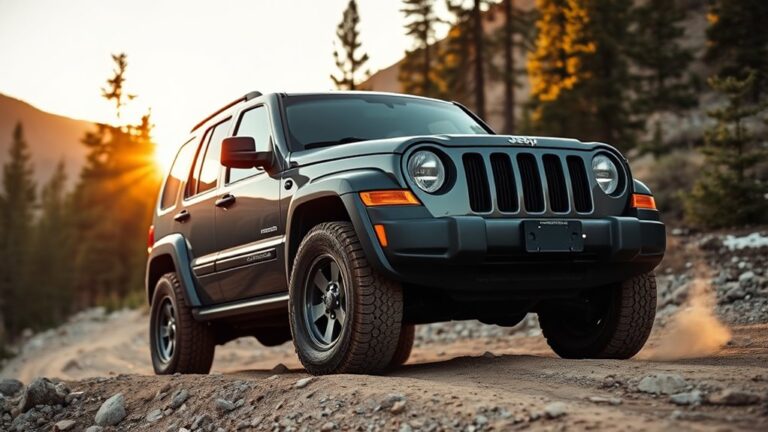
If you’re considering a Jeep Liberty, you’re looking at a compact SUV that trades refinement for capability. Jeep Libertys are known for handling rough roads and light off-road use well. However, you’ll also notice a firm ride, average fuel economy, and interior materials that feel basic.
Reliability depends a lot on the model year and maintenance history. Some years are far better than others. So, the real question is whether those tradeoffs fit what you need.
Key Takeaways
- Jeep Libertys are good if you want a compact SUV with real off-road ability and practical cargo space.
- They ride firmly and handle like a truck, so they are not as refined or agile as crossovers.
- Reliability is mixed, so maintenance records, rust, leaks, and electrical issues should be checked carefully.
- Best buys are usually 2004–2007 KJ and 2008–2010 KK models with documented service history.
- Expect modest fuel economy and possible repair costs, making condition and upkeep more important than low mileage alone.
Jeep Liberty: Pros and Cons at a Glance
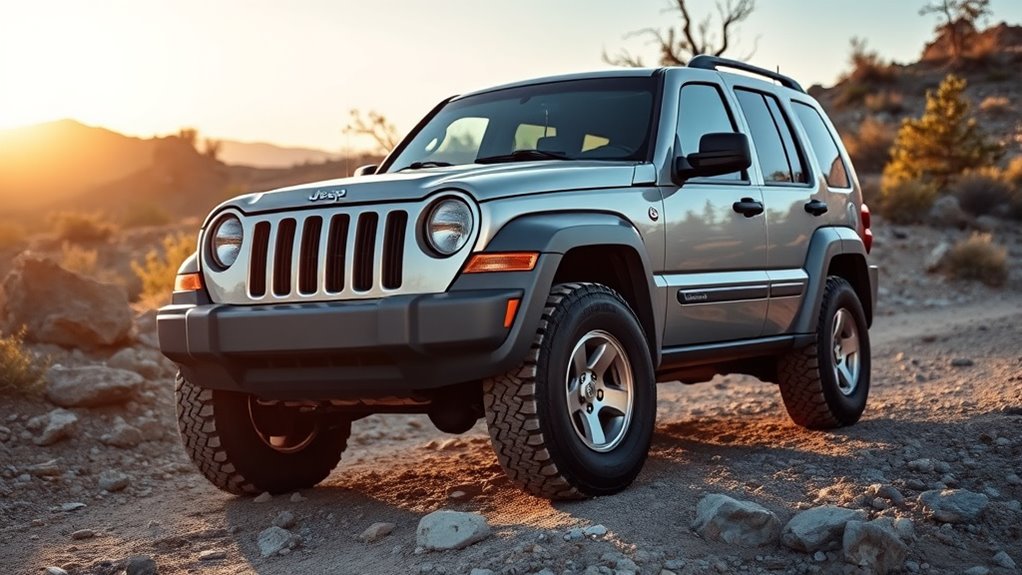
The Jeep Liberty offers a mix of real strengths and notable trade-offs, so whether it’s a “good” car depends on what you value most. In this quick overview, you’ll see clear pros and cons.
You get a boxy SUV with strong off-road capability, good visibility, and a practical cargo area for its size. Its compact footprint can make it easier to maneuver than larger trucks, yet it still feels rugged and capable on rough roads.
On the downside, you may notice a firm ride, modest fuel economy, and interior materials that don’t feel especially refined. If you want a simple, trail-ready SUV, it can fit well. If you expect carlike comfort and efficiency, you may want to look elsewhere.
How Reliable Is the Jeep Liberty?
Reliability is where the Jeep Liberty can be a mixed bag, and that matters if you’re weighing long-term ownership against its off-road appeal. You’ll see some examples that run well past 150,000 miles, but you’ll also find trucks with recurring electrical, cooling, and suspension issues.
Regular oil changes, fluid checks, and prompt repairs usually make the biggest difference. If you ignore warning lights or defer service, small problems can turn into expensive ones fast.
Don’t trust prospective myths that every Liberty is a money pit, but don’t buy into maintenance myths that it needs only basic care either. You should inspect service records, test all accessories, and look for rust or leaks before buying.
Consistent upkeep is the key to acceptable reliability.
How the Jeep Liberty Drives on Pavement
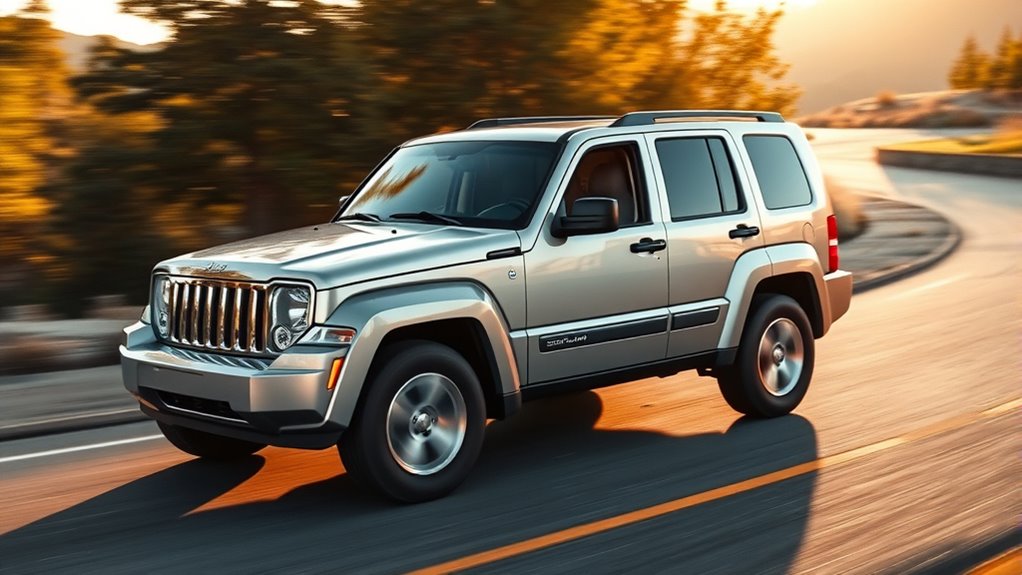
On pavement, the Jeep Liberty feels more trucklike than carlike, with a tall seating position, slower steering response, and a suspension tuned more for durability than sharp handling. You’ll notice that its driving dynamics favor stability over agility, so lane changes and quick cornering feel deliberate rather than crisp.
Body roll is present, and the steering gives limited feedback, which can make the vehicle feel less precise in tight urban traffic. At moderate speeds, pavement comfort is acceptable, but rough surfaces send noticeable impacts through the cabin. The ride can feel firm, especially over patched roads and expansion joints.
If you value an upright view and predictable behavior, you may find it usable. If you expect a refined crossover-like feel, you probably won’t.
What the Jeep Liberty Does Well Off-Road
Off-road, the Jeep Liberty benefits from its body-on-frame-like toughness, short wheelbase, and available four-wheel-drive systems, which help it handle uneven terrain with more confidence than many crossovers. You’ll notice its approach and departure angles make climbs and drops easier to manage, while the suspension keeps tires in contact with rough ground.
- Low-range gearing gives you better control on steep trails.
- Solid ground clearance reduces scraping on rocks and ruts.
- Traction systems help you maintain grip on loose dirt.
- Tire choices and off-road improvements can further sharpen its capability.
You won’t get Wrangler-level trail performance, but you do get a compact SUV that can handle mild to moderate off-road use with a practical, no-nonsense setup.
Jeep Liberty Fuel Economy and Repair Costs
That rugged, trail-friendly setup comes with tradeoffs at the pump and in the shop. When you evaluate jeep liberty fuel economy, expect modest efficiency rather than class-leading numbers. You’ll usually see lower mileage in city driving, especially with four-wheel drive and V6 power.
On highways, it improves some, but the boxy shape still adds drag.
| Metric | Typical Effect | Buyer Impact |
|---|---|---|
| City MPG | Low | More frequent fill-ups |
| Highway MPG | Moderate | Better on longer trips |
| Repair costs for jeep liberty | Variable | Budget for age-related upkeep |
Repair costs for jeep liberty can stay manageable if you maintain fluids, brakes, and suspension components on schedule. Still, you should plan for wear items and occasional drivetrain or electrical fixes.
Best and Worst Jeep Liberty Model Years
When you compare Jeep Liberty model years, you’ll find that some stand out for better reliability and fewer complaints, while others have more frequent mechanical and electrical issues. You should focus on the best years with stronger owner feedback and the worst years with known problem patterns, especially when you’re weighing repair risk against price.
If you’re shopping for one, you’ll want to check service history, recall status, and common failure points before you decide.
Best Model Years
If you’re trying to pick the best Jeep Liberty model years, the later first-generation trucks are usually the safest bets, while the early second-generation models are often the ones to watch most closely. You’ll get the most balanced mix of durability, simpler engineering, and lower ownership stress when you focus on well-kept examples with documented service history.
Don’t let reliability myths or maintenance myths push you toward a bad assumption; condition matters more than badges. Prioritize:
- 2004–2007 KJ models with regular fluid changes
- 2008–2010 KK models with clean maintenance records
- V6 examples that shift smoothly and idle consistently
- Trucks with original paperwork, inspections, and no deferred repairs
When you compare these years, you’ll usually find better parts availability, more predictable upkeep, and fewer surprises over time.
Worst Model Years
The worst Jeep Liberty model years are usually the ones with the most reported mechanical issues, the weakest maintenance records, and the highest repair risk for owners. You should pay close attention to early first-generation and some mid-2000s models, which often show unreliable transmissions, electrical faults, and suspension wear.
In these years, you’re more likely to face repeat repairs that raise ownership costs quickly. You should also watch for rust hotspots around the rear wheel arches, frame rails, and underbody, since corrosion can shorten service life and complicate inspections.
Later model years generally improved, but the weakest examples still stand out for drivability problems and inconsistent build quality. If you’re comparing options, these years usually rank lowest because they combine higher failure rates with more expensive long-term maintenance and less predictable performance.
Buying Tips
Which Jeep Liberty years should you buy, and which should you avoid? You should target the 2008–2012 models for better reliability, while steering clear of many 2002–2006 and 2005–2007 examples with recurring drivetrain and electrical issues.
Inspect service records, because maintenance history matters more than mileage alone. Check these points before you decide:
- Confirm smooth transmission shifts and no warning lights.
- Look for rust under the doors, frame, and rear suspension.
- Test accessible features like power locks, windows, and HVAC controls.
- Evaluate interior design wear, especially seat bolsters, trim, and headliner.
If you want a Liberty, buy one with documented repairs, clean ownership, and a thorough pre-purchase inspection.
Should You Buy a Used Jeep Liberty?
If you’re considering a used Jeep Liberty, you should weigh its reliability history and repair needs carefully, since maintenance can vary by model year and mileage. You’ll also want to judge whether its solid off-road capability matters enough to offset its higher ownership costs, including fuel, parts, and upkeep.
For the right buyer, a used Liberty can make sense, but you need a clear view of its condition and long-term expenses before you buy.
Reliability and Repairs
When you look at a used Jeep Liberty, reliability depends heavily on maintenance history and model year, since some versions hold up better than others. You’ll want to inspect service records closely because reliability concerns often show up in neglected fluids, sensors, and cooling components.
Repair budgeting matters, too, since unexpected fixes can quickly raise ownership costs.
- Check for regular oil changes and timely transmission service.
- Review recall completion and past repair invoices.
- Test for warning lights, rough idling, and electrical glitches.
- Compare mileage with condition, not just age.
If you’re methodical, you can estimate whether the Jeep’s asking price leaves enough room for repairs. A clean history won’t guarantee trouble-free ownership, but it does improve your odds.
Off-Road Capability
Jeep Liberty’s off-road ability is one of the main reasons to contemplate a used one, especially if you want a compact SUV with real trail credentials instead of just rugged styling. You get short overhangs, decent ground clearance, and available four-wheel drive systems that help on rocky climbs, mud, and snow.
If you pick a Trail Rated model, you’ll usually have better traction management and more capable suspension hardware than many crossover rivals. You can also improve performance with off-road accessories like skid plates, all-terrain tires, and recovery gear.
Aftermarket tuning can sharpen throttle response or adjust suspension geometry, but the Liberty already handles moderate trails well in stock form. For serious overlanding, you should inspect tires, clearance, and drivetrain condition carefully.
Ownership Costs
Before you buy a used Jeep Liberty, you should weigh the full ownership picture, not just the purchase price. Fuel economy is modest, so your weekly costs can stay higher than many compact SUVs. Expect these factors to shape your budget:
- Routine oil, brake, and tire service
- Drivetrain maintenance on aging 4WD systems
- Possible suspension and cooling repairs
- Interior comfort trade-offs versus newer rivals
If you choose a higher-mileage example, inspect records carefully and set aside repair money. Insurance and parts pricing are usually manageable, but labor can rise if previous owners skipped maintenance. Overall, a well-kept Liberty can be affordable, yet you’ll need to accept higher running costs than you might with a newer crossover.
Frequently Asked Questions
What Engine Options Did the Jeep Liberty Offer?
Jeep Liberty offered you 2.4L four-cylinder and 3.7L V6 gas engines, plus a 2.8L turbo-diesel in some markets.
You’ll weigh engine reliability and off road capability, depending on your driving needs and maintenance habits.
Does the Jeep Liberty Have Third-Row Seating?
No, you won’t find third-row seating in a Jeep Liberty. You’ll get two rows only, with ride quality and interior design focused on compact SUV practicality rather than family-hauling capacity or extra passenger space.
How Much Cargo Space Does the Jeep Liberty Have?
You get about 29.7 cubic feet behind the rear seats, and roughly 64.2 with them folded. But wait, engine options don’t change cargo space much; trim features and seating layout do affect usable room.
What Safety Features Come Standard on the Jeep Liberty?
You’ll usually get standard airbags, anti-lock brakes, traction control, stability control, and tire-pressure monitoring.
You should check parking lot etiquette with active sensors and verify aftermarket mods feasibility, since equipment varies by trim and year.
Is the Jeep Liberty Good for Towing?
Yes, you can tow with a Jeep Liberty, like a workhorse with extra grit. You’ll get decent capacity, but reliability myths and off road capability matter.
Check engine condition, brakes, and factory ratings before hauling.
Conclusion
If you want a rugged SUV that can handle real trails, the Jeep Liberty can be a smart pick for you, especially if you value capability over comfort. You should know, though, that its fuel economy is poor—many versions return around 16 to 20 mpg combined, which shapes ownership costs.
If you find one with solid maintenance records, you can get dependable off-road utility without paying for a more refined, expensive SUV. Overall, Jeep Libertys are good cars for those who prioritize off-road performance and toughness over luxury and fuel efficiency.