Are Jeep Grand Cherokees Reliable
As an Amazon Associate we earn from qualifying purchases.
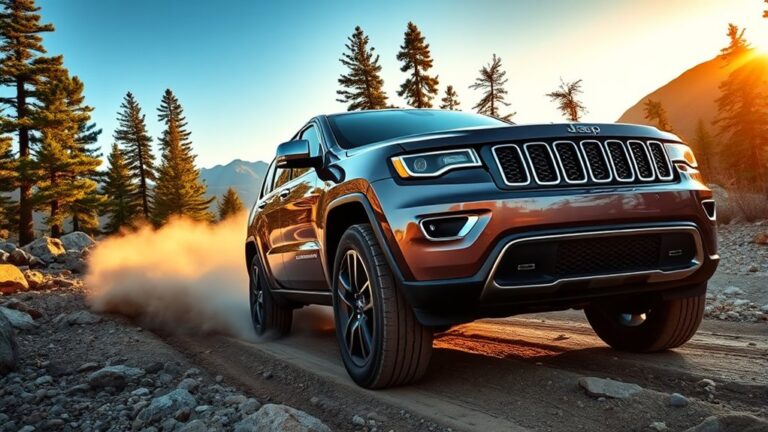
Jeep Grand Cherokees are often discussed when it comes to reliability. They can surprise you: some run past 150,000 miles with few issues, while others rack up repair bills early. Your experience depends on the model year, engine, and how well the previous owner maintained it.
You’ll want to weigh common faults, long-term costs, and the stronger trims before deciding whether one fits your needs.
Taking these factors into account can help you make a more informed decision about owning a Jeep Grand Cherokee.
Key Takeaways
- Jeep Grand Cherokees can be reliable, but dependability varies widely by model year, engine, and maintenance history.
- Common problems include electrical glitches, infotainment freezes, suspension wear, oil leaks, cooling issues, and transmission hesitation.
- Stronger reliability years include 2011, 2013, 2019, and 2020, while 2005, early WK models, and 2014–2015 are weaker.
- Well-maintained examples can last about 150,000 to 200,000 miles or more, depending on driving conditions and upkeep.
- Ownership costs are often above average, with higher fuel, maintenance, repair, tire, brake, and insurance expenses.
Are Jeep Grand Cherokees Reliable?
Jeep Grand Cherokees can be reliable, but their dependability tends to vary by model year, engine, and maintenance history. You can get solid long-term service if you choose a well-regarded year and keep up with scheduled care.
In a non technical comparison, you may find them less predictable than some mainstream SUVs, yet more appealing if you value capability and comfort together. Owner nostalgia often shapes opinions, but you should separate sentiment from evidence such as repair records and ownership reports.
If you want a balanced choice, review specific trims, check service documentation, and compare them with rivals on durability, resale value, and running costs. That approach gives you a clearer picture of reliability than general reputation alone.
Common Jeep Grand Cherokee Problems
Common issues with the Jeep Grand Cherokee often depend on the model year, powertrain, and how the vehicle was maintained. You’ll often see electrical glitches, infotainment freezes, suspension wear, oil leaks, and cooling-system faults.
Some owners also report unreliable transmissions, which can cause harsh shifts, hesitation, or premature service needs. Frequent recalls have affected certain components, so you should verify that safety work’s been completed.
- Electrical system faults
- Transmission hesitation
- Suspension component wear
- Engine oil and coolant leaks
- Frequent recalls on key parts
If you’re evaluating one, you should inspect service records, scan for stored codes, and check for warning lights. A thorough pre-purchase inspection can help you identify issues before they turn into costly repairs.
Best and Worst Jeep Grand Cherokee Years
Model year matters a lot when you’re judging Grand Cherokee reliability, because some versions have a much stronger track record than others. If you’re shopping used, you should favor the best and worst split carefully: 2011, 2013, 2019, and 2020 often stand out as stronger choices, while 2005, 2011? no—avoid confusion with early WK models, and be cautious with 2014 and 2015, which rank among the unreliable years.
You’ll also want to pay close attention to recall history, transmission behavior, and electrical complaints, since those issues separate solid years from risky ones. In general, newer redesigns can improve refinement, but they don’t guarantee dependability. Your safest approach is to compare specific model-year data, not just the badge, before you decide.
How Long Does a Jeep Grand Cherokee Last?
How long a Jeep Grand Cherokee lasts depends heavily on how well it’s maintained, how it’s driven, and which model year you buy. You can expect many well-kept examples to reach 150,000 to 200,000 miles, and some go farther with careful use.
Older models with unreliable engines or excessive recalls often fall short of that range, while stronger years tend to age more predictably. Your driving habits matter too, since stop-and-go commutes, towing, and harsh climates increase wear.
- Well-kept models last longer
- Weak model years age faster
- Engine quality affects lifespan
- Recalls can signal risk
- Driving style changes durability
Jeep Grand Cherokee Maintenance Costs
When you own a Jeep Grand Cherokee, routine service costs can stay manageable, but they still add up over time. You may also see repair expenses rise in uneven patterns, especially if certain components need attention more than once.
Mileage plays a major role too, since higher odometer readings usually bring more frequent maintenance and a greater chance of costly fixes.
Routine Service Costs
Routine Jeep Grand Cherokee service costs are generally higher than average for the midsize SUV class, especially if you choose a trim with a larger engine, four-wheel drive, or more advanced features. You’ll usually pay more for routine upkeep than you would on a simpler crossover, so frugal maintenance matters. Smart service scheduling helps you control expenses and keep the SUV in good condition.
Oil changes can cost more with synthetic oil. Tire rotations stay fairly standard. Brake services vary by trim and use. Fluid checks and top-offs are routine. Dealer labor rates can raise total costs.
If you compare shops, follow the maintenance schedule, and stay ahead of basic services, you can keep ownership costs more predictable.
Repair Expense Patterns
Beyond regular upkeep, Jeep Grand Cherokee repair expenses can vary widely depending on the model year, drivetrain, and optional equipment. You’ll usually see higher repair costs on vehicles with air suspension, complex infotainment, or advanced four-wheel-drive systems, because those parts can be pricier to diagnose and replace.
Repair frequency also matters: a Grand Cherokee that needs occasional minor fixes can stay manageable, while one with repeated electrical or cooling issues can become expensive quickly. You should compare ownership histories and service records, since well-maintained examples often avoid the most costly surprises.
In general, the pattern is less about one fixed bill and more about how many systems your trim level adds, how well previous owners cared for it, and how promptly problems were addressed.
Mileage-Driven Maintenance
As mileage climbs, Jeep Grand Cherokee maintenance costs usually rise in predictable steps, since wear items like brakes, tires, batteries, fluids, and suspension parts need more frequent attention. You’ll typically see higher mileage maintenance after 30,000, 60,000, and 100,000 miles, when inspections and replacements become less optional.
Your fuel efficiency can also dip if filters, spark plugs, or alignment issues go unchecked, adding to operating costs.
- Brake pads and rotors
- Tire replacement and balancing
- Battery and charging checks
- Fluid flushes and filter changes
- Shocks, bushings, and joints
If you stay ahead of scheduled service, you can reduce surprise repairs and keep ownership costs steadier over time.
Most Reliable Jeep Grand Cherokee Trims
If you’re looking for the most reliable Jeep Grand Cherokee trims, the safest bets are usually the lower-complexity versions with fewer high-end features to fail over time. You’ll often find that base or midlevel trims deliver steadier ownership because they use simpler electronics and fewer air suspension or luxury systems.
That matters when you’re assessing high mileage concerns, since aging components tend to surface sooner on well-equipped models. You can also expect more predictable off road reliability from trims that emphasize traditional hardware over added convenience features.
In practice, you should favor trims with proven powertrains and conservative option lists, because they usually generate fewer repair variables. If you want the most dependable choice, focus on the trims with the least complexity, not the longest feature sheet.
Is a Jeep Grand Cherokee Worth Buying?
Whether a Jeep Grand Cherokee is worth buying depends on how much you value its comfort, capability, and available features against its purchase price. You’ll also want to weigh long-term ownership costs, including fuel, maintenance, and repairs, because they can change the overall value quite a bit.
If those costs fit your budget and the SUV meets your needs, it can be a strong buy.
Purchase Value Factors
When you weigh a Jeep Grand Cherokee’s value, you’re balancing strong capability, upscale features, and solid resale potential against higher ownership costs and mixed long-term reliability. For your purchase value, focus on trim level, drivetrain, mileage, condition, and available tech.
A well-kept example can feel premium without luxury-brand pricing, and that helps offset its depreciation impact.
- Check service records
- Compare trim equipment
- Inspect tires and brakes
- Review accident history
- Gauge market demand
You’ll usually get more utility than many midsize SUVs, especially if you need towing, all-weather traction, or a refined cabin. Still, you should buy only when the price reflects its age and wear.
If the numbers line up, the Grand Cherokee can be a smart buy.
Long-Term Ownership Costs
Beyond the purchase price, a Jeep Grand Cherokee’s long-term ownership costs can make or break the value equation. You’ll need to budget for fuel, insurance, tires, brakes, and scheduled maintenance, all of which can run above average for a midsize SUV.
If you choose a V8 or four-wheel-drive trim, your fuel spend rises further, especially when economic indicators push gasoline prices higher. Repairs can also become more expensive as the vehicle ages, so reliability history matters.
Resale value helps offset some expenses, but it won’t erase them. You should also consider climate impact: heavier engines and lower efficiency increase emissions over time. If you plan to keep it long term, compare these costs against your driving habits and annual mileage before buying.
Frequently Asked Questions
Does the Jeep Grand Cherokee Hold Its Resale Value Well?
Not especially; you’ll usually see average resale compared with rivals. Your long term ownership costs can rise if maintenance costs increase, so condition, mileage, trim, and service history matter more than badge strength.
Is the Jeep Grand Cherokee Good for Towing Heavy Loads?
Yes, you can tow heavy loads with a Jeep Grand Cherokee if you choose the right trim and package. You’ll want to check towing capacity and heavy haul durability, since they vary by engine and setup.
How Does the Grand Cherokee Perform in Winter Driving Conditions?
You’ll find the Grand Cherokee handles winter well, especially with four-wheel drive and winter tires, which boost winter handling and snow traction.
You might expect slippage, but its weight and traction systems help maintain control on slick roads.
What Safety Features Come Standard on a Jeep Grand Cherokee?
You’ll typically get standard safety features like automatic emergency braking, blind-spot monitoring, rear cross-traffic alert, lane-keeping assist, and parking sensors.
You should still weigh reliability concerns, since equipment varies by trim and model year.
Is the Jeep Grand Cherokee Comfortable for Long Road Trips?
Yes, you’ll find the Jeep Grand Cherokee comfortable for long road trips; J.D. Power’s 2024 model scored above average for ride quality.
You get comfortable seating, and cabin noise stays relatively low on highways.
Conclusion
So, are Jeep Grand Cherokees reliable? You can count on them, but only if you choose carefully and stay on top of maintenance. A well-kept Grand Cherokee can cruise for 150,000 to 200,000 miles, yet weak years may leave you chasing electrical gremlins, leaks, or transmission issues like shadows in the dark.
If you compare model years, check service records, and budget for upkeep, you’ll make a smarter buy. Ultimately, the reliability of Jeep Grand Cherokees depends on these factors, so doing your homework is key to owning one that lasts.