Are Jeep Gladiators Reliable
As an Amazon Associate we earn from qualifying purchases.
If you’re asking whether a Jeep Gladiator is reliable, the answer depends on how you plan to use it and which model year you choose.
The Jeep Gladiator offers a durable frame and a capable powertrain designed for rugged use and off-road adventures.
However, some owners report electrical quirks and steering complaints that can affect the overall experience.
Its long wheelbase and rugged setup add complexity, which means maintenance history is especially important.
Off-road wear is also something to consider if you frequently take your Gladiator on tough terrains.
Ultimately, reliability varies, so weighing your specific needs and upkeep is key.
Key Takeaways
- Jeep Gladiators are moderately reliable, with solid engine and 4×4 durability but more complexity than a typical pickup.
- Later model years are generally more dependable because Jeep fixed early-generation quirks and updated components.
- Common issues include electrical glitches, steering play, and occasional transmission roughness or hesitation.
- The 3.6-liter Pentastar V6 and the drivetrain are usually durable when serviced regularly and checked for leaks.
- Ownership is best with documented maintenance, because reliability varies by trim, usage, and how well the truck was cared for.
How Reliable Is the Jeep Gladiator?
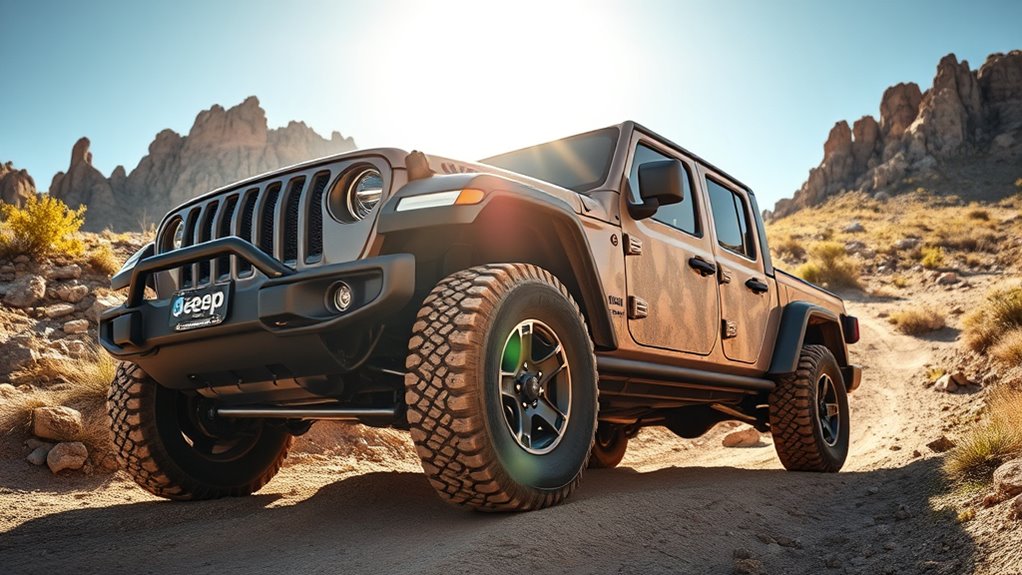
When you look at the Jeep Gladiator’s reliability, the picture is mixed rather than clearly good or bad. You get a truck built on proven Wrangler hardware, which supports the reliability myth that simple mechanical layouts always hold up well.
Yet you also deal with added complexity from the pickup body, longer wheelbase, and heavier use cases. That combination can introduce off road quirks, especially if you push it hard or skip maintenance.
You can expect solid basic durability from the frame and powertrain, but you shouldn’t assume trouble-free ownership. Reliability depends heavily on trim, drivetrain, and how you use it.
If you want a vehicle for occasional trails and daily driving, the Gladiator can be dependable; if you demand refinement, you may notice more issues over time.
What Do Reliability Ratings and Owners Say?
Reliability ratings and owner feedback paint a cautious but not disastrous picture of the Jeep Gladiator. You’ll usually see average scores rather than standout results, which suggests the truck isn’t a segment leader for dependability, but it isn’t an automatic concern either.
Owners often praise its rugged capability, open-air appeal, and distinctive character, while noting that its glamorous interiors and off road cosmetics don’t always translate into class-leading durability. In surveys and long-term reviews, you’ll find satisfaction tied more to personality and utility than to flawless ownership.
If you want a pickup that feels unique and can handle trail duty, the Gladiator earns loyal support. If you expect sedan-like polish and trouble-free consistency, the ratings suggest you should stay measured.
What Common Problems Should You Watch For?
When you assess a Jeep Gladiator’s reliability, you should watch for electrical glitches that can affect controls, displays, and accessory functions. You’ll also want to pay close attention to steering concerns and any signs of transmission issues, since both can affect drivability and long-term ownership costs.
Tracking these problem areas early can help you judge how well a specific Gladiator has held up over time.
Electrical Glitches
Electrical glitches can show up in a Jeep Gladiator as intermittent warning lights, infotainment freezes, sensor faults, or battery-related issues, so it’s worth paying close attention to patterns rather than isolated incidents. You should track when the problem appears, because temperature swings, short trips, or long storage can expose weak connections.
These electrical glitches don’t always mean a major failure, but they can affect electrical reliability if you ignore them.
| Symptom | What it may indicate |
|---|---|
| Flickering dash lights | Loose connection or low voltage |
| Screen resets | Software or power interruption |
| Dead battery | Charging or parasitic draw issue |
You can improve diagnosis by checking battery health, scan codes, and recall history. If faults repeat, schedule service quickly.
Steering Concerns
Steering concerns in a Jeep Gladiator often show up as play in the wheel, wandering on the highway, uneven return-to-center, or a steering wheel that feels loose or vague. You may also notice a wheel shimmy at certain speeds, especially after hitting potholes or driving on rough pavement.
These symptoms can point to worn tie rods, steering components, or incorrect steering alignment rather than a single obvious failure. You should inspect the front end for looseness, check tire wear patterns, and verify that the suspension hasn’t shifted.
If the truck feels darty or requires constant correction, don’t ignore it. Early diagnosis can prevent faster tire wear and more expensive repairs, and it helps you judge whether the Gladiator’s steering remains dependable.
Transmission Issues
If the steering in a Jeep Gladiator feels off, it’s also worth paying close attention to the transmission, since drivability problems can overlap and make the truck feel less predictable overall. You may notice delayed shifts, rough gear changes, shuddering, or hesitation when accelerating, especially under load or at low speeds.
In automatic models, overheating fluid or software calibration issues can worsen behavior. In manual versions, you should watch for clutch wear, difficulty engaging gears, or a slipping clutch that raises engine speed without matching road speed.
Regular transmission maintenance helps you catch low fluid, leaks, or abnormal wear before they turn into costly repairs. If you hear whining, feel vibration, or see warning lights, you’ll want a prompt inspection to protect long-term reliability.
How Do the Engine and Drivetrain Hold Up?
When you look at the Gladiator’s reliability, the engine’s durability is a key factor because it affects long-term confidence and repair frequency. You’ll also want to assess how smoothly the transmission shifts under load, since that can shape daily drivability and towing performance.
The 4×4 system’s longevity matters too, because consistent transfer case and axle performance can determine how well the truck holds up in real use.
Engine Durability
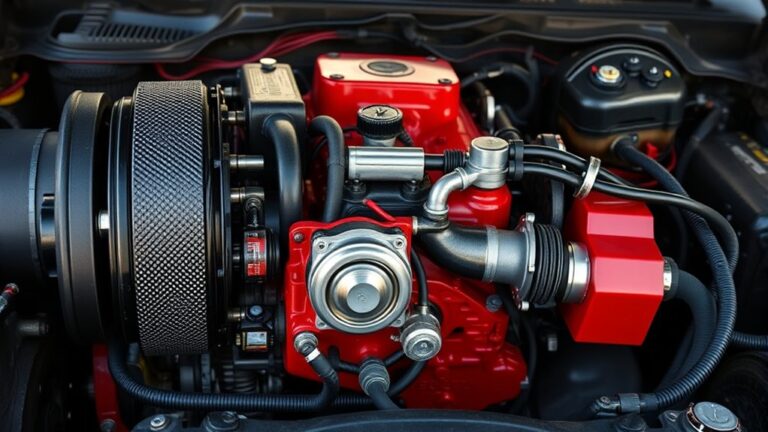
How durable is the Jeep Gladiator’s engine and drivetrain? You’ll find the 3.6-liter Pentastar V6 generally holds up well when you keep up with maintenance and address leaks early. Its engine casting has proven sturdy in many Jeep applications, and most owners report acceptable oil consumption, though you should monitor levels between services.
The drivetrain also benefits from proven components that handle daily use and moderate off-road stress without frequent failures.
- Change oil on schedule and use the correct viscosity.
- Inspect seals, hoses, and mounts for wear or seepage.
- Listen for unusual noises that may signal developing issues.
Transmission Performance
The Gladiator’s transmission choices are generally solid, with the automatic and manual units both drawing on hardware that’s already proven in other Jeep and Stellantis models. In everyday driving, you’ll usually find the automatic shifts smoothly and keeps the V6 in its useful power band, which supports consistent transmission performance.
The manual gives you more control, but it can feel less refined in stop-and-go traffic. Either way, you’re unlikely to face major issues if you keep up with fluid changes and clutch care.
From a reliability standpoint, the gearbox doesn’t raise many red flags, and it complements the truck’s engine durability well. Most complaints center on tuning preferences, not systemic failure, so you can expect acceptable long-term dependability overall.
4×4 System Longevity
Jeep’s 4×4 hardware gives the Gladiator a strong foundation for long-term use, since it borrows heavily from components that have already proven durable in other Wrangler-based setups. You can expect the drivetrain to handle regular trail work if you keep up with fluid changes and inspect wear items early.
The engine durability is generally solid, but heat, towing, and neglect can shorten service life. Fuel economy stays modest, so you shouldn’t judge reliability by efficiency alone. Consider these factors:
- Front axle and transfer case service intervals
- Driveshaft and U-joint inspection
- Cooling-system condition under load
If you maintain the system, you’ll likely see dependable 4×4 performance over time.
What Does Jeep Gladiator Ownership Cost?
When you own a Jeep Gladiator, the sticker price is only part of the equation. You’ll also budget for fuel economy, which trails many midsize pickups because of the truck’s weight and aerodynamic shape. Insurance and routine maintenance usually land in the middle of the segment, but repairs can rise if you use dealer parts or specialized labor.
Your total cost depends on how hard you drive, where you live, and how long you keep it. Strong aftermarket support can help you manage expenses by giving you more choices for accessories and replacement components, though upgrades can also increase spending.
If you buy a well-equipped trim and maintain it regularly, ownership costs stay predictable, but they’re rarely low.
Which Jeep Gladiator Model Years Are Best?
Model year matters just as much as purchase price and running costs, because some Gladiator years have a stronger reliability record than others. You should usually focus on later model years, since Jeep has had more time to refine early quirks and update components.
If you’re comparing new vs used, the newest trucks often reduce uncertainty, while older examples can make sense if they show consistent maintenance and clean history.
- Later model years tend to offer fewer first-run issues.
- Used examples can be smart if records are complete.
- Strong aftermarket support helps you find parts and fixes easily.
You’ll want to compare trim-specific equipment too, because content levels can affect complexity and ownership experience.
Is It a Reliable Long-Term Buy?
Yes, the Jeep Gladiator can be a reliable long-term buy, but your experience depends heavily on the exact year, maintenance history, and how hard the truck has been used. If you buy one with documented service and no major off-road abuse, you’re more likely to avoid expensive surprises.
Later models generally benefit from updates, while early examples show more generation gaps in refinement and electronics. You should also judge it by use case, not marketing hype: the Gladiator’s solid axles, removable body panels, and pickup format add character, but they can mean more wear points than in a typical midsize truck.
If you want long-term ownership, inspect suspension, steering, and roof seals closely, and budget for maintenance that matches its rugged design.
Frequently Asked Questions
How Well Does the Jeep Gladiator Handle Off-Road Abuse?
You’ll find the Jeep Gladiator handles off-road abuse well, with solid axles and strong off-road durability. It can take punishment, though warranty coverage won’t erase wear from hard use, neglect, or modifications.
Does the Gladiator Hold Its Value Over Time?
Yes, you’ll usually see decent resale, especially with low mileage and desirable trims. Your first two word discussion idea and second two word discussion idea both matter, since market demand, condition, and options strongly influence depreciation over time.
How Comfortable Is the Gladiator for Daily Commuting?
You’ll find the Gladiator’s comfort level acceptable for a daily commute, though it’s more steel trailhorse than velvet sofa. It handles abuse well, but its ride, steering, and cabin noise stay truck-like rather than plush.
What Aftermarket Upgrades Improve Gladiator Reliability?
You’ll improve reliability with quality shocks, stronger steering components, better cooling, skid plates, and corrosion-resistant fasteners.
Pair upgrades with aftermarket durability and maintenance tips: fluid checks, alignment, torque inspections, and prompt repairs to prevent wear.
Is the Gladiator Expensive to Insure?
Usually, yes. Your Gladiator can cost more to insure than average; some insurers report midsize off-road trucks run about 15% higher.
Whether insurance is worth it depends on your driving, off-road maintenance, and coverage choices.
Conclusion
So, are Jeep Gladiators reliable? You can count on the frame and powertrain to take a beating, but you should expect a few gremlins along the way—especially if you push it hard off-road or buy a neglected example.
If you choose a newer, well-maintained model, you’ll likely get solid durability with a personality as loud as a canyon echo.
In short, the Gladiator isn’t bulletproof, but it can be a dependable long-term buy. When considering reliability, the Jeep Gladiator offers a balance of toughness and character that stands up well over time.