Are Goodyear Wrangler Tires Good
As an Amazon Associate we earn from qualifying purchases.
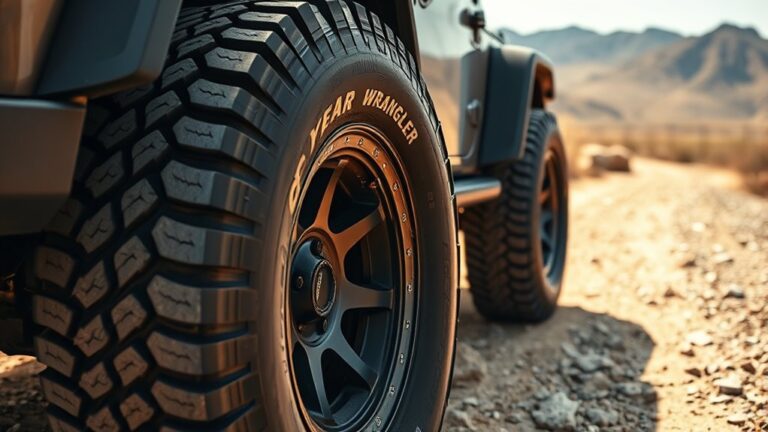
If you’re considering Goodyear Wrangler tires, you’re looking at a lineup built for trucks, SUVs, and crossovers, but not every model suits the same driving demands.
You can choose a highway-focused tread for quieter pavement use or a more aggressive design for mud, rocks, and snow.
The real question is how well each version matches your load, climate, and road conditions—and the answer depends on a few key tradeoffs.
Key Takeaways
- Goodyear Wrangler tires are generally good for light trucks, SUVs, and crossovers needing dependable all-season performance.
- They offer a broad lineup, so you can choose between quieter highway comfort and stronger off-road capability.
- Models like Wrangler Workhorse HT suit pavement driving, while Duratrac and All-Terrain Adventure fit tougher terrain.
- Off-road-focused Wrangler tires provide strong traction, reinforced sidewalls, and good debris evacuation in dirt, gravel, and mud.
- Tradeoffs include more noise and firmer ride quality on aggressive models, so pick based on driving surface and comfort needs.
Are Goodyear Wrangler Tires Good for Most Drivers?
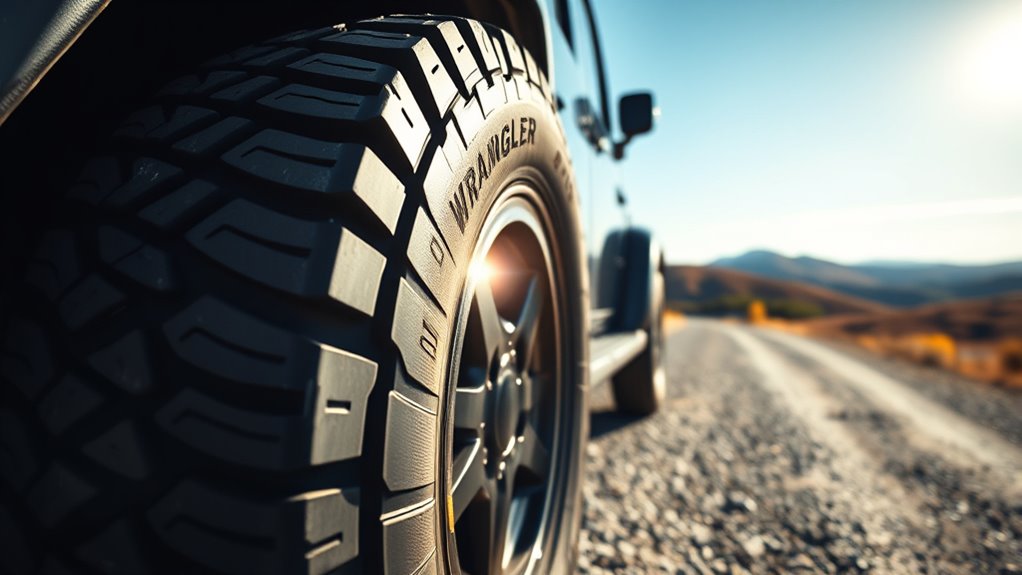
For most drivers, Goodyear Wrangler tires are a practical choice if you need dependable all-season performance with a focus on light trucks, SUVs, and crossovers. You get a broad lineup, so you can match tread design, load rating, and road noise priorities to your vehicle.
Goodyear’s tire branding emphasizes durability and everyday usability, which helps if you want a mainstream option from a major manufacturer. You’ll also notice a pricing strategy that spans budget-friendly models and higher-tier choices, letting you balance upfront cost against expected tread life and ride quality.
If you drive mostly on pavement and want predictable handling, the Wrangler range usually makes sense. If you need maximum specialization, you may want to compare specific trims more carefully.
What Are Goodyear Wrangler Tires Built For?
Goodyear Wrangler tires are built to handle off-road performance, with tread designs that improve traction on loose surfaces, gravel, mud, and uneven terrain.
At the same time, you’ll find that many Wrangler models are tuned for highway comfort, using tread patterns and compounds that help reduce noise and support stable on-road handling. That balance makes them suitable if you need a tire that can move between trail use and daily driving.
Off-Road Performance
When you take a Wrangler off pavement, its behavior depends heavily on the specific tread design, but most Goodyear Wrangler tires are built to handle light-to-moderate off-road use rather than extreme rock crawling or deep mud. You’ll usually get solid off-road durability from reinforced sidewalls, optimized void ratios, and tread compounds that resist chip and tear damage on gravel or hard-packed trails.
All-terrain variants can maintain traction on dirt, sand, and loose shale by using staggered shoulder blocks and open grooves to evacuate debris. Mud performance varies: aggressive all-terrain and mud-terrain versions clear slush better, while highway-focused Wranglers can clog sooner.
If you need consistent trail capability, choose the model’s tread pattern carefully, because Goodyear tunes each Wrangler for a different balance of grip, wear, and terrain control.
Highway Comfort
On pavement, Goodyear Wrangler tires are generally built to prioritize stable handling, predictable braking, and a quieter ride over maximum off-road aggression. You’ll usually notice better highway comfort when the tread blocks are closely spaced and the compound resists squirm at speed.
That design helps reduce road noise and keeps steering response more consistent during lane changes, merging, and long-distance cruising. Still, exact behavior varies by Wrangler model and size.
- Lower tread voids can cut hum.
- Stiffer sidewalls can improve stability.
- All-terrain patterns may trade comfort for traction.
- Proper inflation can preserve ride quality.
If you drive mostly on highways, you should compare each model’s tread pattern, load rating, and noise rating before choosing.
Goodyear Wrangler Tire Models and Best Uses
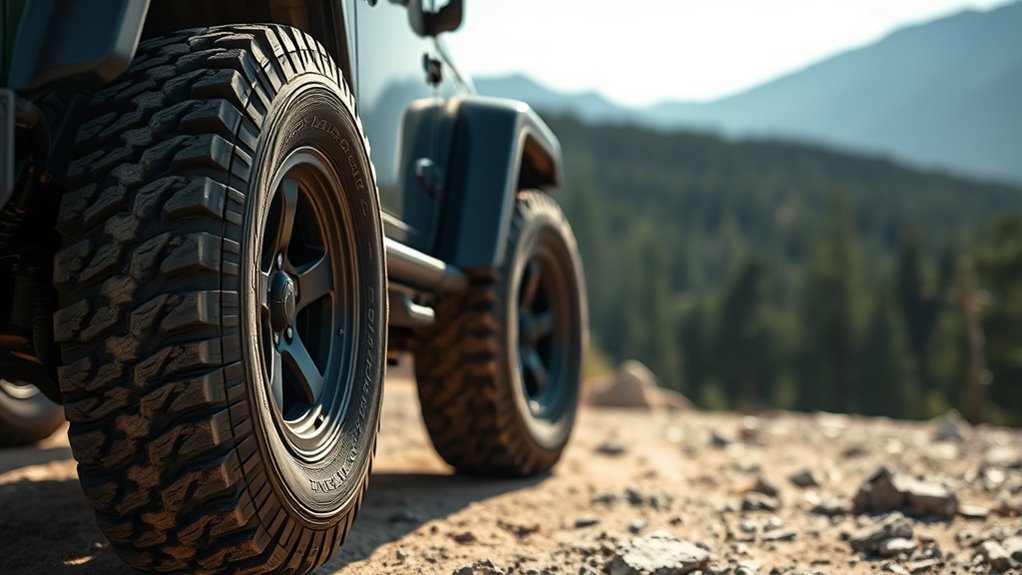
Goodyear’s Wrangler lineup includes several tire models tailored to different driving needs, so the “best” option depends on how and where you drive. If you stay mostly on pavement, the Wrangler Workhorse HT gives you stable handling, long tread life, and lower road noise.
For mixed use, the Wrangler All-Terrain Adventure with Kevlar adds stronger sidewall protection and better grip on gravel, mud, and light snow. If you need more aggressive off-road traction, the Wrangler Duratrac uses deep voids and self-cleaning tread blocks to improve bite in loose terrain.
You should compare durability vs. price and branding vs. performance, because some Wrangler tires cost more due to construction features, not just the name. That helps you evaluate real value more accurately.
Which Goodyear Wrangler Tire Is Right for You?
Choosing the right Goodyear Wrangler tire comes down to your driving surface, climate, load needs, and how much road noise you’re willing to accept. You should match tread design to use, not brand hype or an unrelated topic.
- For mixed dirt and highway travel, choose an all-terrain Wrangler.
- For frequent towing or payloads, choose a load-rated model with stronger sidewalls.
- For snow-prone regions, pick a tire with deeper voids and winter certification.
- For mostly dry, light-duty use, select a highway-oriented Wrangler.
An offhand comparison helps: aggressive lugs usually trade efficiency for traction, while tighter tread blocks favor stability. Check size, load index, and speed rating before you buy, then verify vehicle fitment and pressure recommendations.
How Wrangler Tires Perform on Pavement
How well do Wrangler tires behave on pavement? You’ll notice that most Wrangler models deliver stable straight-line tracking and predictable steering response on dry roads. Their tread blocks and casing construction aim to balance grip with tread durability, so you get consistent wear under daily driving loads.
On wet pavement, performance depends on the specific model, but the tread patterns generally evacuate water effectively enough for controlled braking and cornering. Ride quality tends to stay firm rather than plush, which supports handling precision.
Tire noise varies by design, yet many Wrangler variants use pattern tuning for noise reduction, helping keep highway drone in check. If you drive mostly on asphalt, you can expect competent road manners, durable construction, and acceptable comfort from the lineup.
Off-Road Traction in Dirt, Mud, and Rock
Off road, Wrangler tires generally lean toward confident traction in dirt, mud, and over mixed rock surfaces, but the exact grip you get depends heavily on the tread design and tire category. You’ll notice stronger off road traction when wider voids, staggered shoulder lugs, and tougher rubber help the tire bite and self-clean.
In loose soil, dirt performance stays predictable if the carcass resists squirm and the tread evacuates debris quickly. On rock, you benefit from flexible sidewalls that conform to ledges and reduce wheelspin.
- Deep lugs improve bite in ruts.
- Open channels clear mud faster.
- Reinforced shoulders aid crawling control.
- Aggressive patterns trade noise for grip.
Wet, Snow, and All-Season Grip
On wet pavement, snow, and mixed-season roads, Goodyear Wrangler tires can perform well, but the result depends on the specific Wrangler model and its tread compound. If you choose an all-terrain version with siping and a silica-rich compound, you’ll usually get better hydroplaning resistance, braking, and light-snow traction than with a mud-focused tire.
You should check for the Three-Peak Mountain Snowflake rating if you need credible winter grip. More aggressive tread blocks can still maintain off-road durability, but they may trade some wet-road precision.
In colder conditions, the rubber can harden faster, which reduces bite. For year-round use, you’ll want a Wrangler that balances void ratio, compound flexibility, and tire lifespan without sacrificing the traction you need.
Ride Comfort, Noise, and Tread Life
Ride comfort depends heavily on the Wrangler’s tread pattern and construction: highway-oriented versions usually generate less vibration and steering shimmy, while more aggressive all-terrain and mud-terrain models transmit more road texture through the cabin. You’ll notice ride quality changes with sidewall stiffness and tread block spacing.
- Close-shoulder highway treads keep noise levels lower at cruising speed.
- Open, stepped lugs create a steady hum on coarse pavement.
- Rotating tires regularly helps even tread life and slows cupping.
- Monitoring wear patterns lets you catch alignment issues early.
If you drive mostly on paved roads, you’ll likely value the quieter, smoother behavior. If you use your truck for mixed terrain, expect firmer response and more cabin noise as the tread works harder.
Goodyear Wrangler Pros and Cons
You’ll notice that Goodyear Wrangler tires often deliver strong off-road traction, with tread patterns and compound choices that help you maintain grip on loose dirt, gravel, and mud.
You may also find that this capability comes with road comfort tradeoffs, since some Wrangler designs can transmit more vibration, road texture, and noise on pavement. Overall, you should weigh the traction gains against the daily driving compromises to judge whether a Wrangler model fits your use case.
Off-Road Traction Strengths
When the trail gets loose, Goodyear Wrangler tires tend to show their strongest off-road traits through aggressive tread patterns, wide voids, and reinforced sidewalls that help them bite into dirt, gravel, sand, and mud. You’ll notice how the block edges and siping work with off road tuning to improve mechanical grip on uneven terrain.
- Deep lugs evacuate loose soil.
- Open shoulder design clears mud quickly.
- Stiff carcass construction resists punctures.
- Shoulder traction helps in ruts and climbs.
That layout supports consistent mud performance when you’re crawling through soft ground or accelerating out of a wash. You get controlled bite, self-cleaning tread, and dependable traction transfer, which makes these tires a solid choice when your routes demand real off-road capability.
Road Comfort Tradeoffs
On pavement, Goodyear Wrangler tires usually trade some refinement for their off-road hardware, so road comfort depends heavily on the specific model and tread design. You’ll notice that aggressive blocks and wide voids improve grip in off-road mud, but they also raise highway noise and can add tread vibration.
Rugged all-terrain versions often ride firmer than touring tires because their stiffer sidewalls resist deflection under load. If you prioritize daily commuting, you should expect more steering feel and less isolation from impacts on expansion joints and coarse asphalt.
In return, you get better durability and predictable performance when the surface turns rough. Choosing a less aggressive Wrangler pattern can reduce noise and improve comfort without fully giving up capability.
Frequently Asked Questions
How Much Do Goodyear Wrangler Tires Cost?
Goodyear Wrangler tires usually cost you about $130 to $350 each, depending on size and model.
You’ll want pricing comparisons and tread life testing, since those factors change what you actually pay overall.
Are Goodyear Wrangler Tires Available in LT Sizes?
Yes, Goodyear Wrangler tires do come in LT sizes, and you can choose them for trucks and SUVs. You’ll get Goodyear durability and Wrangler versatility, with load ratings, tread options, and sidewall strength tailored to tougher applications.
Can Wrangler Tires Be Used for Towing?
Yes, you can use Wrangler tires for towing if you match the load rating to your trailer weight and account for towing implications like heat buildup, stability, and braking.
You’ll also need proper inflation.
Do Wrangler Tires Come With a Mileage Warranty?
Like a contract in rubber, you’ll find some Wrangler tires do include a tire warranty with mileage coverage, but it varies by model.
You should check the exact tire’s specs, since not every Wrangler line’s covered.
Where Are Goodyear Wrangler Tires Made?
You’ll find Goodyear Wrangler tires made in multiple factories worldwide, including the U.S., Canada, and other countries, depending on model.
Goodyear sourcing and Wrangler branding vary by plant, so check the sidewall for origin details.
Conclusion
Overall, you can trust Goodyear Wrangler tires if you want a capable, purpose-built option for SUVs, crossovers, and light trucks. You’ll get reliable all-season traction, strong load support, and solid off-road options. However, aggressive tread designs can add noise on pavement.
Choosing the right Wrangler model matters because each one fits a different job. Think of the lineup like a toolbox: the right tool delivers the best result for your roads, climate, and driving demands.
In conclusion, Goodyear Wrangler tires are a solid choice for those seeking durability and performance tailored to various driving conditions.