Where to Add Transmission Fluid Ford f150
As an Amazon Associate we earn from qualifying purchases.
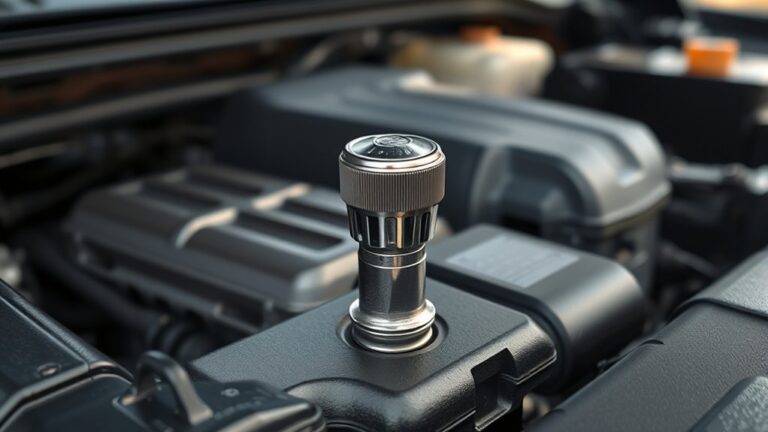
On most Ford F-150s, you add transmission fluid at the side fill port on the transmission case, not through a dipstick tube. Identifying the exact plug is crucial before starting the process. You also need to confirm the correct Ford-approved ATF and fill only to the specified level.
Using the wrong port or overfilling can cause foaming, leaks, or shifting problems, so the details matter. The tricky part is knowing which F-150 setup you’re dealing with. Always double-check your model’s specifications to avoid mistakes.
Key Takeaways
- Add transmission fluid through the transmission fill plug on the case, not through a dipstick tube on most newer F-150s.
- The fill plug is usually on the side of the transmission case, often near the transmission pan.
- Clean the area first and use the correct tool for square-drive, hex, or Torx plug heads.
- Do not confuse the drain plug with the fill port, and trace upward from the pan if no side plug is visible.
- Use only the Ford-approved fluid specified for your F-150’s transmission, model year, and service procedure.
Where to Add Fluid in an F-150
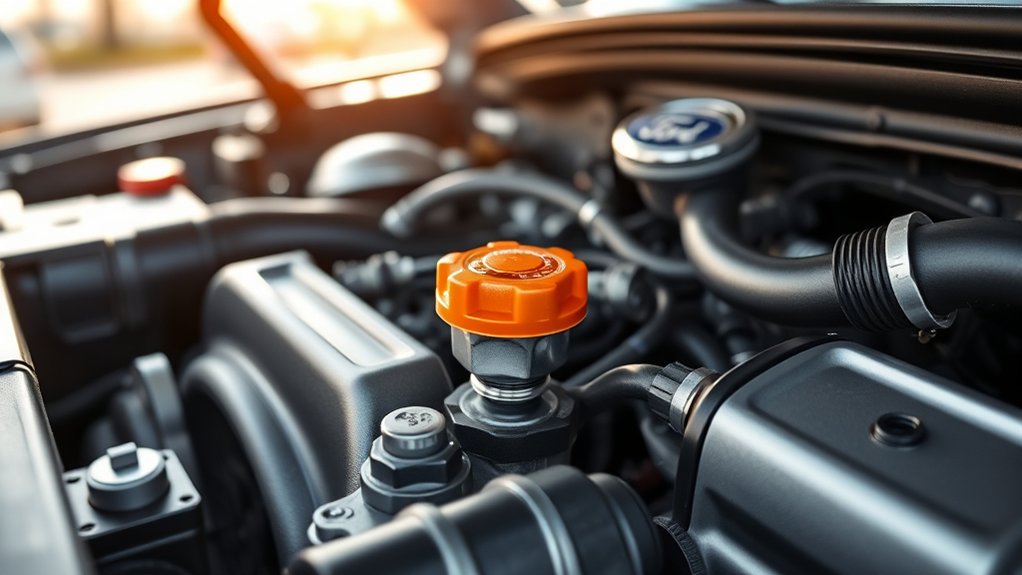
On a Ford F-150, you add transmission fluid through the transmission fill port, which is typically on the top or side of the transmission case, not through a separate dipstick tube on most newer models.
You should confirm the correct fluid specification before you add anything, because the wrong fluid can affect shift quality and damage components. Keep the engine off unless the service procedure requires otherwise, and use a pump to move fluid into the case cleanly.
Don’t let an irrelevant topic or random discussion distract you from the exact service point and fluid type. Add fluid only to the specified level, since overfilling can cause foaming, leaks, and erratic operation. Always follow the factory service information for your model year and transmission.
How to Find the Fill Port
To find the fill port on your Ford F-150, locate the transmission fill plug on the side of the transmission case. You’ll usually see it near the transmission pan, which helps you confirm you’re at the correct assembly.
Inspect the area carefully so you can identify the plug before adding fluid.
Locate Fill Plug
Where is the fill plug on your Ford F-150 transmission? You’ll usually find it on the transmission case, not the pan, often on the side of the unit above the fluid line. Clean the area first so you can spot the plug head, which may be a square-drive, hex, or Torx fitting.
Use the correct tool and keep disassembly safety in mind; support the truck properly and avoid working near hot components. If you’re confirming fluid compatibility, check the transmission model before opening the port, since Ford units can require different ATF specifications.
Once you locate the plug, break it loose carefully and verify access before adding fluid. Don’t force the fastener; damaged threads or a stripped head can complicate service and cause leaks later.
Check Transmission Pan
Check the transmission pan next, because some Ford F-150 units place the fill port low on the case near the pan rail or use the pan area as your reference point. You should inspect the pan perimeter, gasket seam, and nearby bosses for a threaded plug or service port.
If you see a recessed plug above the pan, that’s likely your fill access. Clean the area first, then verify the plug size before loosening anything. Don’t confuse the drain plug, if equipped, with the fill point.
Ignore any irrelevant topic or stray discussion that doesn’t help you identify the port. On units without a visible side plug, the pan location helps you trace the case upward to the correct fill opening.
Which F-150s Use a Fill Plug?
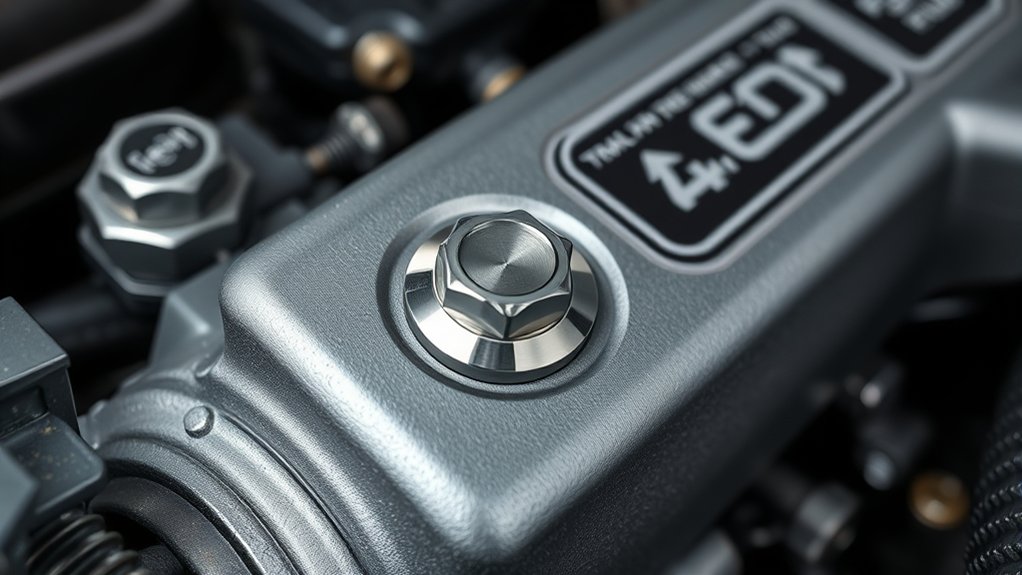
Most F-150s with an automatic transmission use a dedicated fill plug on the transmission case, especially earlier models and units that aren’t serviced through the dipstick tube. You’ll usually find this setup on 4R70W, 5R55, and many 6R80 trucks, while some newer units rely on sealed designs or separate service ports.
If you’re working on a truck with a fill plug, use the case location, not the vehicle interior, to identify service access. Don’t confuse this with an unrelated topic like engine oil or differential service. Manuals, shop guides, and transmission tags help you confirm the exact layout.
When in doubt, match the transmission code to your model year before you open anything, because Ford changed fill methods across generations and drivetrains.
How to Check Transmission Fluid Level
Before you add fluid, you need to verify the level the right way, because Ford transmission checks vary by model year and transmission type. Warm the truck, park on level ground, set the brake, and keep the engine running if the manual calls for it.
Move the shifter through each gear to fill circuits, then return to Park or Neutral. Look for seepage at the pan, cooler lines, and transmission cooling fittings.
| Step | Action | Result |
|---|---|---|
| 1 | Confirm operating temp | Fluid expands correctly |
| 2 | Check fill point | Level stays accurate |
| 3 | Inspect range | Gear ratios engage cleanly |
Use the dipstick or inspection plug only as specified. A low reading can affect lubrication, shift quality, and gear ratios, so correct it before driving.
What Transmission Fluid Your F-150 Uses
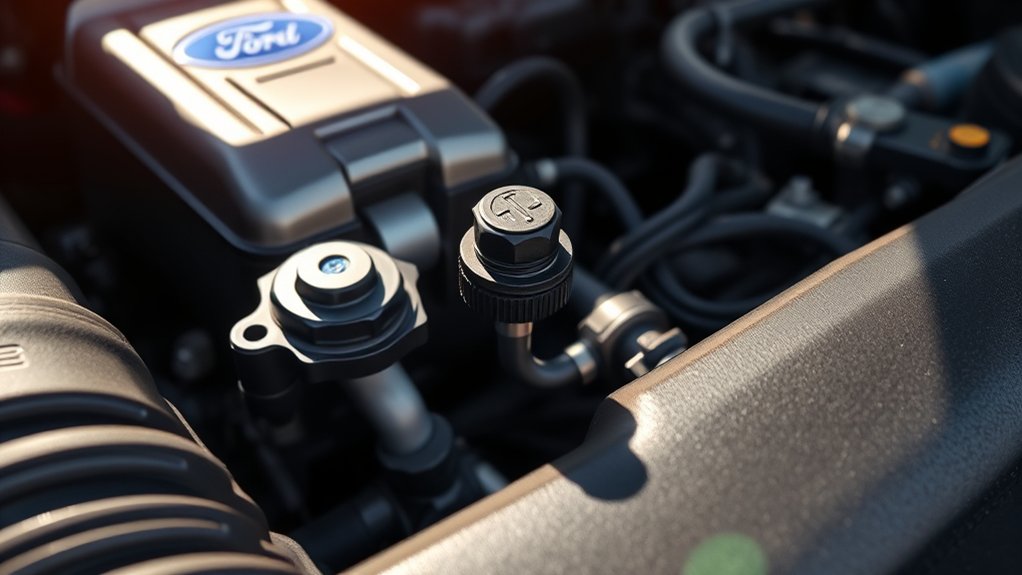
What fluid does your F-150 actually need? You should use the exact automatic transmission fluid specified for your model year, engine, and transmission code. Ford often calls for MERCON LV, while some older F-150s use MERCON V or another approved ATF.
Check the owner’s manual, the under-hood label, or Ford’s service information before you buy anything. Don’t rely on non technical jargon from a parts counter or marketing buzzwords on the bottle; those claims can hide the wrong specification.
Check the owner’s manual, the under-hood label, or Ford’s service info before buying fluid.
The fluid must meet Ford’s approval, not just look “universal” or “full synthetic.” If your truck has a sealed transmission, the spec matters even more because you can’t correct a mismatch with casual topping off.
Use only the listed fluid, and verify the exact fill requirement before adding anything.
Common Transmission Fluid Filling Mistakes
A few common mistakes can turn a simple top-off into a transmission problem, so double-check the fluid type, the fill method, and the level check procedure before you add anything. You can overfill the unit, underfill it, or use the wrong fluid spec, and each mistake can affect shifting, temperature, and seal life.
Don’t guess at capacity; use the dipstick or fill plug procedure specified for your F-150 year and transmission. Keep the truck level, engine running if required, and shift through gears before rechecking.
Avoid unrelated chatter and tangential tips that distract you from the exact fill sequence. Clean the area first, use a proper funnel or pump, and stop as soon as the level reaches the mark.
Frequently Asked Questions
How Often Should I Change Ford F-150 Transmission Fluid?
You should change your Ford F-150 transmission fluid every 30,000 to 60,000 miles, or sooner under heavy use.
Follow how-to guides, avoid common mistakes, and check your owner’s manual for exact intervals.
Can I Add Fluid if the Truck Is Hot?
Yes, you can add fluid when it’s hot, but you’ve gotta check it at the correct operating temperature; for example, after towing, you’d idle first. This maintains transmission safety and accurate two word discussion ideas.
What Tools Do I Need to Add Transmission Fluid?
You’ll need a funnel or pump with suitable nozzle types, a clean drain pan, gloves, rags, and your fluid compatibility chart.
Check the dipstick or fill plug, then add the correct transmission fluid carefully.
Can Overfilling Damage the Transmission?
Yes, overfilling can damage the transmission. You’ll create overfilling risk, which foams fluid, raises pressure, and harms transmission health.
Check level carefully, use the correct procedure, and remove excess fluid if needed.
Should I Use a Funnel or Pump for Adding Fluid?
Use a funnel for easy access if you can reach the fill tube; use a pump for sealed or tight ports. For hot fluid addition, a pump’s safer.
Compare funnel vs pump by fit, control, and spill risk.
Conclusion
On most Ford F-150s, you add transmission fluid at the side fill plug, not the drain bolt or a dipstick tube. That matters because the wrong port can leave you underfilled or overfilled.
Ford service data shows transmission complaints are far more common than engine oil issues, and many are linked to incorrect fluid level. Use the exact Ford-approved ATF, fill to spec, and verify the level with the proper procedure.
Always remember the correct place to add transmission fluid on a Ford F-150 to avoid potential transmission problems and ensure optimal performance.


