What Year f150 to Avoid
As an Amazon Associate we earn from qualifying purchases.

You might not know that some F-150 years to avoid look solid on the outside but hide costly rust, trim, and transmission problems. If you’re shopping used, you’ll want to watch 1997–2003 trucks for cab corner and rocker corrosion.
Avoid many 2004–2008 models with body wear, and be cautious with 2009–2014 trucks for finish issues. A few later years also carry transmission risk, and the details matter more than the badge.
Key Takeaways
- Avoid 2004–2005 F-150s because transmission failures, rough shifting, and costly repairs are common.
- Skip 2011–2014 models if possible; they’re known for transmission issues and electrical glitches.
- Be cautious with 1997–2003 trucks, which often have heavy rust and corrosion problems.
- Some 2017–2019 F-150s also report transmission shuddering, hesitation, and torque-converter issues.
- Always check service records, rust, engine noise, and test-drive behavior before buying any used F-150.
Ford F-150 Years to Avoid First
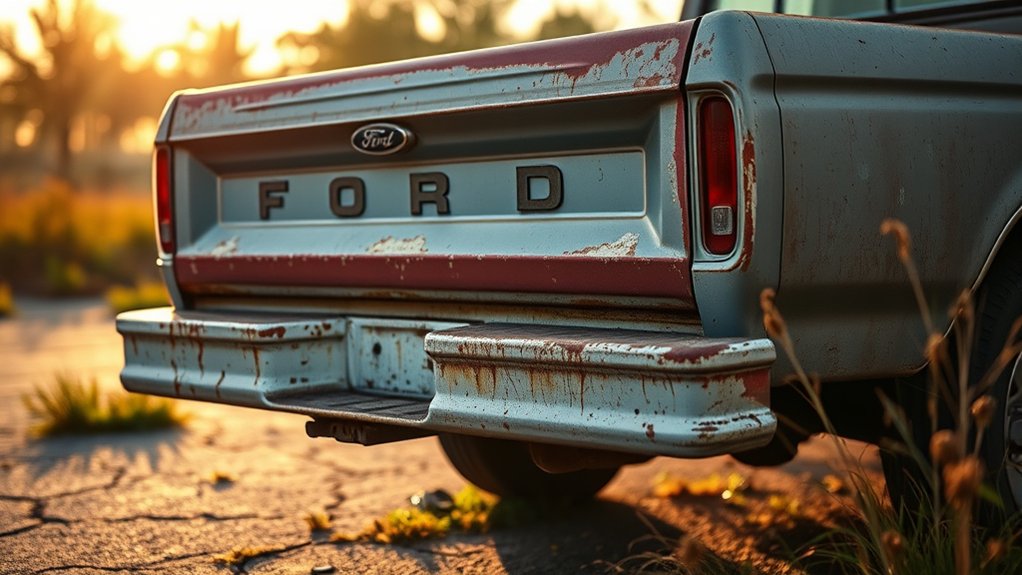
If you’re trying to figure out which Ford F-150 years to avoid first, start with the model years that have the most consistent complaints about reliability, transmission behavior, and costly repairs. You should pay close attention to trucks with repeated engine issues, electrical glitches, and premature wear, because those problems can erase any savings from a lower purchase price.
You’ll also want to compare maintenance records, since poor service history often signals bigger trouble ahead. Some examples may look appealing because of strong fuel economy or attractive trim levels, but that doesn’t guarantee dependable ownership. Instead, you should prioritize models with documented durability, clear repair histories, and fewer owner complaints. That approach helps you avoid buying a truck that seems affordable but becomes expensive quickly.
Worst F-150 Years by Generation
When you narrow the search by generation, the worst Ford F-150 years become easier to spot because the same problem patterns often repeat within specific design eras. You should pay close attention to early 2004–2008 trucks, where body corrosion, interior wear, and inconsistent build quality can raise ownership costs.
In the 2009–2014 generation, some models stand out for paint consistency issues, especially on panels that fade or peel faster than expected. Older 1997–2003 trucks can also demand frequent rust repair, particularly around cab corners, rockers, and wheel arches.
F-150 Transmission Problems by Year

Transmission problems can be one of the biggest reasons to avoid certain F-150 years, especially in trucks with hard shifting, delayed engagement, or premature gear wear. You should pay close attention to 2004-2005, 2011-2014, and some 2017-2019 models, where owners report rough downshifts, slipping, and shuddering.
These issues can stem from valve body wear, software calibration, or torque converter faults, and they often show up before 100,000 miles. Focus on service records, test drives, and transmission fluid condition rather than two word ideas or other nonessential trends unrelated to main topics.
If you notice hesitation when you accelerate or clunks between gears, treat it as a warning sign. A smooth transmission matters more than cosmetic details when you’re choosing a used F-150.
F-150 Engine Issues to Watch For
When you look at used F-150s, you’ll want to check for engine oil consumption, which can signal worn internals or neglected maintenance. You should also listen for timing chain noise and watch for EcoBoost cooling issues, since both can point to serious engine wear or overheating risks.
These problems don’t affect every truck, but they can help you narrow down which model years deserve extra caution.
Engine Oil Consumption
Engine oil consumption is one F-150 issue you shouldn’t ignore, because it can lead to low oil levels, increased wear, and costly engine damage if you don’t catch it early. You should check the dipstick often, especially if you’re looking at a truck with bad mileage or unknown service history.
Some engines use oil between changes, but excessive loss can point to worn piston rings, valve seals, or PCV problems. Watch for blue smoke, oily spark plugs, and the need to top off oil frequently.
If the truck’s maintenance records are incomplete, you can’t assume the issue is minor. A pre-purchase inspection and oil-level monitoring can help you judge whether the engine has a healthy baseline or a hidden consumption problem.
Timing Chain Failures
Timing chain failures can turn into a major F-150 repair, because a stretched or worn chain can throw off valve timing, create rattling noises on startup, and eventually cause rough running or even engine damage. You should listen for persistent cold-start rattle, especially if it lasts more than a few seconds or returns when you rev the engine.
On some model years, a stretched timing chain, failing guides, or weak tensioners can appear before high mileage, so maintenance records matter. Check the truck’s recall history and service bulletins, since Ford has addressed some timing-related concerns in certain engines.
If you buy used, ask for proof of oil changes and timing inspections. Catching this early can help you avoid costly internal repairs and downtime.
EcoBoost Cooling Issues
EcoBoost cooling problems can show up as overheating, coolant loss, or a sweet smell from a leaking system, and they deserve close attention on any used F-150. You should inspect hoses, the water pump, and the radiator for seepage, because this engine design runs hot when parts age.
Poor cooling can also hurt fuel economy and trigger limp mode.
| Symptom | Likely Cause | What You Should Check |
|---|---|---|
| Overheating | Low coolant | Reservoir level, leaks |
| Sweet smell | Hose or pump leak | Wet spots, residue |
| White smoke | Internal leak | Exhaust, coolant use |
During a test drive, watch the gauge, verify steady cabin heat, and scan for stored codes. If the truck overheats or loses coolant, budget for repairs before you buy.
F-150 Electrical Problems by Year
When you look at F-150 electrical problems by year, certain model years stand out for recurring issues like dead batteries, alternator failures, faulty wiring, and malfunctioning body control modules. You should pay close attention to early-2000s and some 2011 to 2014 trucks, where charging and module faults can trigger warning lights, no-start conditions, and intermittent accessories.
These concerns don’t change engine myths or F 150 nostalgia, but they do affect engine durability and towing considerations. Later trucks improve fuel economy, interior design, front end safety, aerodynamics efficiency, aluminum vs steel choices, and auto technology, yet electrical glitches can still appear.
Check service records, test battery voltage, inspect harnesses, and scan for stored codes before you buy.
Most Common F-150 Problems
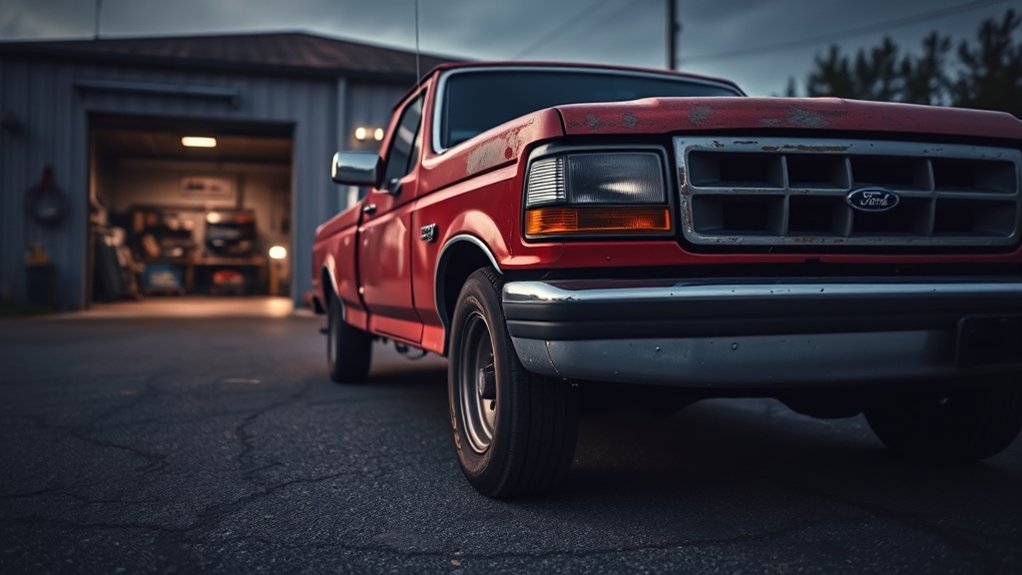
When you look at the most common F-150 problems, engine failures, transmission issues, and rust or corrosion often stand out as the main concerns.
You’ll want to watch for rough running, slipping gears, delayed shifts, and visible body or frame rust, since these can point to costly repairs. Knowing these warning signs can help you judge which model years may carry higher risk.
Engine Failures
Engine failures are one of the most expensive problems you can face in an F-150, especially on model years with known issues like timing chain wear, oil consumption, or overheating. If you’re shopping used, you should check engine reliability records before you buy, because repeated repairs can quickly raise ownership costs and hurt market value.
- Listen for cold-start rattle or knocking.
- Watch for blue smoke, low oil, or coolant loss.
- Review service history for regular oil changes.
- Pay for a compression test and scan codes.
When you inspect these trucks, focus on maintenance proof, not just mileage. A clean running engine may still hide neglected components, so ask for repair receipts and a pre-purchase inspection. If you spot chronic overheating or persistent oil use, walk away.
Transmission Issues
Transmission problems are among the most common and costly issues on some F-150 model years, and they can show up as harsh shifting, slipping, delayed engagement, shuddering, or outright failure. If you’re shopping for a used truck, you should pay close attention to the transmission’s service history, fluid condition, and any signs of hesitation during test drives.
Some owners report recurring valve body, torque converter, or software calibration problems that lead to expensive repairs. You may also want to verify whether any transmission upgrades were completed and whether they preserve drivetrain compatibility.
A truck that tows, hauls, or sees stop-and-go driving can expose weaknesses faster, so you should prioritize examples with documented maintenance and clear repair records before you buy.
Rust and Corrosion
Rust can quietly erode an F-150’s value and reliability, especially on trucks that have spent years in salt, snow, or coastal humidity. You should inspect rocker panels, wheel wells, cab corners, frame rails, and the bed for bubbling paint, flaking metal, and weakened mounting points.
Rust often starts small, but it can spread into brake lines, suspension components, and body seams if you ignore it. Regular washing, underbody rinsing, and wax-based protection help with rust prevention, while quick touch-ups stop moisture intrusion.
If you find advanced damage, corrosion repair may require cutting, welding, or panel replacement.
- Check the frame with a flashlight.
- Look under door seals and trim.
- Review service history for winter use.
- Compare surface rust with structural damage.
How to Spot a Bad Used F-150
When you’re checking out a used F-150, the quickest way to spot trouble is to look for signs that the truck’s condition doesn’t match its age, mileage, or asking price. Inspect the body for uneven panel gaps, fresh paint, or rust around the cab, bed, and wheel arches.
Under the hood, listen for rough idling, warning lights, and any timing issues that could point to neglected maintenance. Check the ignition system for slow starts, misfires, or hard cranking.
Inside, make sure switches, gauges, and the climate controls work properly. Review service records, accident history, and title status.
A bad used F-150 often shows multiple small problems, not just one major flaw, so trust your inspection and walk away if the truck seems poorly maintained.
Best F-150 Years to Buy Instead
If you’ve spotted red flags in a used F-150, the next step is narrowing your search to the model years with the best track record. You’ll usually get stronger reliability from well-kept 2011–2014 and 2018–2020 trucks, especially in midrange trims that balance features and simpler equipment. These years tend to avoid the most costly issues tied to unreliable electricals and other repeat complaints.
- 2011–2014: strong parts support and broad owner data
- 2015–2017: better if maintenance records are consistent
- 2018–2020: updated tech with fewer early-production issues
- XLT and Lariat: often deliver value without excess complexity
You should still prefer trucks with clean histories, but these years give you a better starting point and a lower-risk shortlist overall.
How to Check an F-150 Before Buying
Before you buy an F-150, start with a careful inspection of the body, frame, engine bay, and interior. Check for rust, uneven panel gaps, fluid leaks, and signs of prior collision repair.
Look under the truck for frame damage, fresh undercoating, or bent suspension parts. In the engine bay, listen for rough idle, smoke, and unusual noises, and verify that maintenance records match the mileage.
Test every feature inside the cab, including electronics, seats, and climate control, while checking the interior materials for excessive wear or water damage.
During a test drive, watch for transmission hesitation, steering vibration, and brake noise. Also compare the truck’s gas mileage to the seller’s claim, since poor efficiency can signal mechanical problems.
Frequently Asked Questions
Which F-150 Trim Is Most Reliable Overall?
You’ll usually find the XLT among the most reliable F 150 trims overall, especially with the 5.0L V8. It balances durability, simpler equipment, and lower long-term repair risk better than luxury-focused models.
Do F-150 Rust Issues Vary by Climate?
Yes, your F-150’s rust risk varies by rust climate; salt, humidity, and coastal air speed corrosion. You’ll see the canary in the coal mine sooner in harsh areas, so inspect more often and boost maintenance frequency.
How Much Should I Budget for Repairs?
You should budget $1,000 to $3,000 yearly for repairs, depending on mileage and condition. Check quality ratings and maintenance costs, since older F-150s can need suspension, brakes, fluids, and rust-related work sooner than newer trucks.
Are Extended Warranties Worth It for Used F-150s?
Yes, extended warranties can pay off on used F-150s, especially if repair costs and your budget align by chance. You should compare coverage, exclusions, and expected repairs to judge the real cost benefit.
Which F-150 Cab Style Holds Value Best?
You’ll usually get the best cab value from a crew cab, especially if you want strong resale and broad buyer appeal. In pickup history, four-door layouts have held value best because they fit families and work needs.
Conclusion
When you shop for an F-150, you should avoid the years with rust, paint, and transmission problems unless you can verify strong maintenance and a clean history. Focus on truck condition, not just the badge, because a bad example can cost you like a leaky roof in a storm.
If you want fewer surprises, check service records, body corrosion, shifting behavior, and electrical function before you buy. Paying close attention to these details will help you make a safer choice.
In conclusion, knowing what year F-150 to avoid can save you money and headaches down the road. Always prioritize condition and history over model year alone.


