What Is Ford Ranger Lug Pattern
As an Amazon Associate we earn from qualifying purchases.
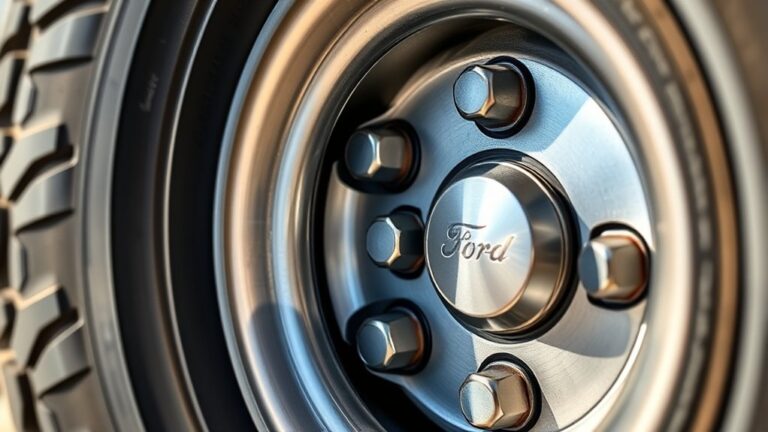
Like any key that only fits one lock, your Ford Ranger lug pattern has to match exactly for the wheel to seat safely. You’ll usually find a 5-lug setup, but the bolt pattern can change by year and trim, so you need the exact specs before buying wheels.
A small mismatch can mean vibration, poor fitment, or worse—so the details matter more than you might think. Always double-check your Ford Ranger lug pattern to ensure a secure and smooth ride.
Key Takeaways
- Ford Ranger lug pattern is the bolt layout that secures the wheel to the hub.
- It affects wheel fitment, safe installation, and compatibility with OEM or aftermarket wheels.
- Ford Ranger lug patterns can vary by model year and trim, so verify the exact spec first.
- Check the owner’s manual, wheel markings, or stamped wheel data to confirm the pattern.
- Match lug pattern, wheel size, offset, and center bore to avoid fitment and clearance problems.
What Is the Ford Ranger Lug Pattern?
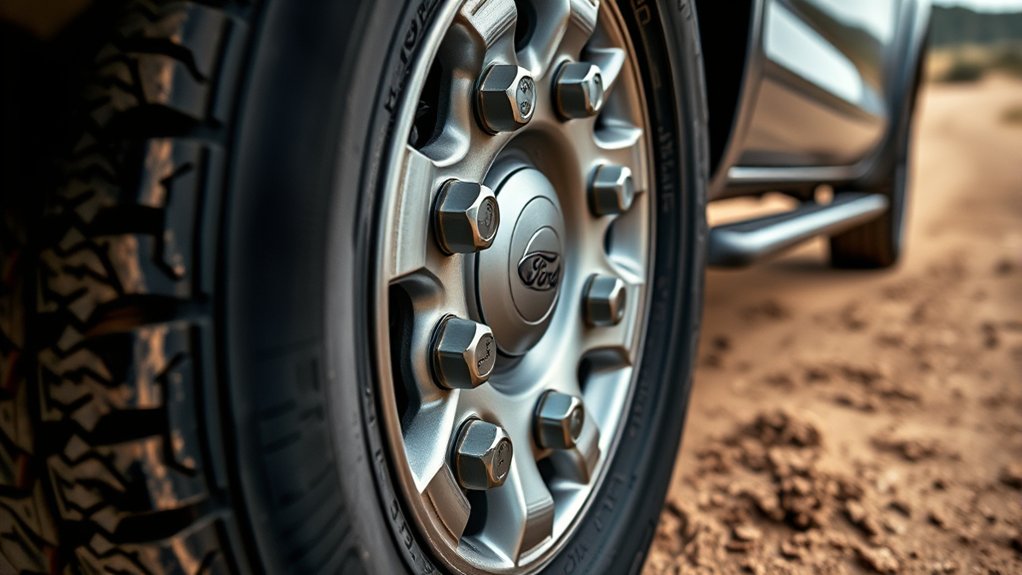
The Ford Ranger lug pattern is the bolt pattern that determines how the wheels mount to the hub. You need to match this pattern when choosing wheels, because it affects wheel fitment and safe installation.
Most Ford Ranger models use a 5-lug setup, but the exact spacing and hub dimensions can vary by year and trim. That means one Ranger’s wheels won’t always fit another without checking the correct specifications.
When you understand the lug pattern, you can compare wheels more confidently and avoid mounting problems. It also helps you choose replacement or aftermarket wheels that line up properly with the studs.
In short, the lug pattern is a key measurement for getting the right wheel fitment on your Ford Ranger.
How Do You Find Your Bolt Pattern?
You can find your Ford Ranger bolt pattern by checking the owner’s manual, looking at the wheel markings, or measuring the lug holes directly. The bolt pattern tells you how many lug holes the wheel has and how far apart they sit.
If the wheel already has a stamp, use that first because it’s the fastest method. If not, count the lugs and measure from one hole to the opposite hole on even-numbered patterns.
For odd-numbered patterns, measure from the center of one hole to the far edge of another. This helps you confirm wheel compatibility before you buy or install new wheels.
Always double-check your measurements, since the wrong bolt pattern can prevent proper fitment and create safety issues.
Ford Ranger Bolt Pattern by Year
Ford Ranger bolt patterns have changed by year, so matching your wheel to the correct model year matters. You’ll usually see the pattern listed as 5-lug, but the exact spacing depends on the generation. If you’re checking your truck, use the year first, then confirm the bolt pattern in the spec sheet. This keeps you from mixing up engine room details with wheel data.
Ford Ranger bolt patterns vary by year, so always match the model year before checking wheel specs.
- Early Rangers often used one pattern.
- Mid-era models may differ from early trucks.
- Later models can shift again.
- Always verify the exact year before you buy.
Your best move is to compare the year, trim, and factory specs. A small mismatch can create a big headache, so accuracy matters.
Which Wheels Fit a Ford Ranger?
To find wheels that fit a Ford Ranger, match the lug pattern, wheel size, offset, and center bore to your truck’s specs. You’ll usually need a wheel with the same bolt circle, proper diameter, and enough backspacing to clear brakes and suspension.
If you choose aftermarket wheels, check load rating too. OEM Ford Ranger wheels often fit best because they’re built for the factory setup. Some wheels from other trucks can work if all measurements line up, but don’t guess.
Measure carefully and verify fitment before buying. For two word discussion ideas, wheel fit and bolt match are useful. Avoid unrelated topic searches that don’t list exact dimensions. A correct fit helps you install wheels safely and keeps steering, handling, and tire wear in check.
Why Does the Lug Pattern Matter?
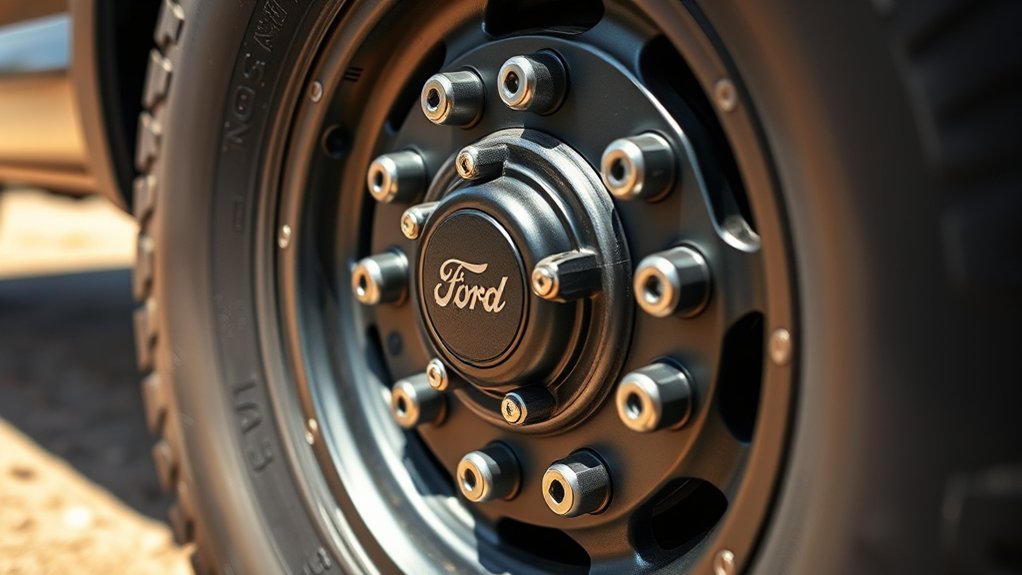
Why does the lug pattern matter? It determines whether your wheel seats correctly on your Ford Ranger, and that affects safety, fitment, and handling. The lug pattern and bolt geometry must match the hub so each lug nut shares load evenly and keeps the wheel centered.
The lug pattern ensures your wheel seats properly, supporting safety, fitment, and handling on your Ford Ranger.
If you choose the wrong pattern, you can’t mount the wheel properly, and you risk vibration, uneven wear, or loosening over time.
- It locks the wheel in the correct position.
- It spreads force across the hub evenly.
- It helps maintain stable steering response.
- It lets you verify wheel compatibility fast.
Can You Use Adapters or Spacers?
Yes, you can use adapters or spacers on a Ford Ranger, but only if they’re the correct size, thickness, and bolt pattern for your setup. You still need to match the hub and wheel mount cleanly, or you risk vibration and poor fit.
Many lug pattern myths suggest every spacer solves clearance issues, but that’s not true. Check spacer legality in your area before you buy.
| Type | Benefit | Risk |
|---|---|---|
| Adapter | Changes bolt pattern | More stress |
| Spacer | Adds clearance | Fit issues |
| Wrong part | None | Unsafe setup |
Use quality hardware and follow torque specs exactly. If you’re unsure, choose a part made for your Ranger and your wheels.
Ford Ranger Wheel Specs to Check Before Buying
Before you buy Ford Ranger wheels, check the lug pattern, wheel diameter, width, offset, center bore, and load rating to make sure they’ll fit your truck safely. You should also verify wheel compatibility with your exact model year, since specs can vary. A quick fitment check helps you avoid rubbing, vibration, and unsafe handling.
- Confirm the lug pattern matches your Ranger’s hub.
- Match wheel diameter and width to approved tire sizing.
- Check offset and backspacing to keep suspension clearance.
- Verify center bore and load rating for secure, durable support.
Use your owner’s manual or a trusted fitment guide before you buy. If you’re upgrading, compare the wheel specs against your current setup, then choose tires that preserve correct speedometer reading and steering response.
Frequently Asked Questions
Can a Ford Ranger Use Ford Explorer Wheels?
Yes, you can sometimes fit Ford Explorer wheels on your Ford Ranger if bolt pattern, offset, hub size, and brake clearance match.
Discussion ideas: fitment checks. Exploration topics: spacer use, tire clearance, load rating.
How Do I Measure Lug Nut Thread Size?
You’ll want a thread gauge or bolt-sized nut to identify lug nut size, then measure diameter and pitch.
To measure lug pattern, count studs and measure center-to-center carefully; it’s easier than it sounds.
Are Aftermarket Wheels Safe for Off-Road Driving?
Yes, aftermarket wheels can be safe off-road if you choose properly rated, correctly sized wheels with good off-road compatibility.
You should verify wheel safety, load capacity, fitment, and quality before driving on rough terrain.
Do Steel and Alloy Wheels Use the Same Lug Pattern?
Yes, you can use either steel or alloy wheels if the lug pattern matches. Watch for lug pattern differences and wheel size compatibility too, since offset, load rating, and center bore still need to fit.
How Often Should Lug Nuts Be Retorqued?
Like a belt that settles, you should retorque lug nuts after 25 to 50 miles on new wheels, then during regular maintenance timing.
Your discussion ideas should include checking torque anytime you remove wheels or notice vibration.
Conclusion
Now you know the Ford Ranger lug pattern isn’t one-size-fits-all, so you need to check your exact year, trim, and wheel specs before buying. When you match the bolt pattern, center bore, offset, and lug spacing, you’ll avoid fitment problems and keep your truck riding smoothly.
Don’t cut corners here—getting it right is the name of the game. Take a few minutes to verify specs, and you’ll save yourself time, money, and hassle.
In the end, making sure you have the correct Ford Ranger lug pattern is key to ensuring a proper fit and safe driving experience.


