What Gas Does a Ford f150 Take
As an Amazon Associate we earn from qualifying purchases.
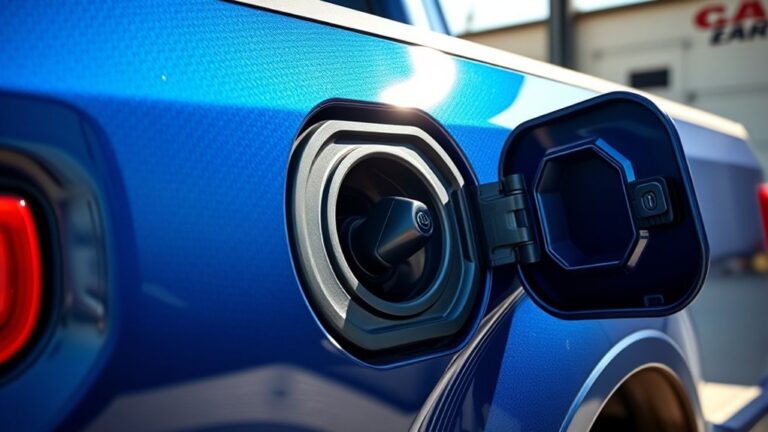
Like a vehicle built for the long haul, your Ford F-150 usually takes regular unleaded gasoline, 87 octane, but the exact grade can change by engine and model year. You should check the owner’s manual or fuel door label before filling up, since some EcoBoost versions may respond better to higher octane.
Use the recommended fuel, and you’ll avoid problems that can show up when the wrong grade goes in. Following these guidelines ensures your Ford F-150 runs smoothly and efficiently.
Key Takeaways
- Most Ford F-150 models use regular unleaded gasoline with 87 octane.
- Check your owner’s manual or fuel door label, since fuel requirements vary by engine and model year.
- Some turbocharged EcoBoost engines may recommend higher octane for best performance.
- Premium gasoline is usually optional, not required, unless your manual specifically says so.
- Using the wrong fuel can cause knocking, rough running, poor performance, or engine damage.
What Gas Does a Ford F-150 Take?
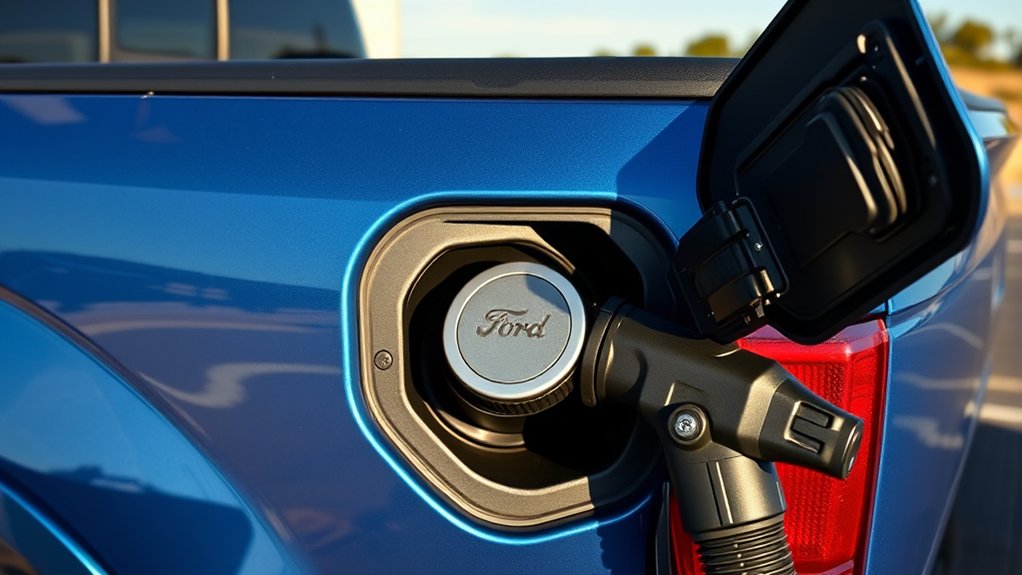
What gas does a Ford F-150 take? You’ll usually use regular unleaded gasoline with an octane rating of 87. That’s the standard choice at the pump, and it keeps your truck running as designed.
Check your owner’s manual or the fuel door label before you fill up, since recommendations can vary by model year and setup. You don’t need premium unless your truck specifically calls for it.
Avoid mixing in unnecessary fuel additives unless the manufacturer approves them. At the station, follow basic gas station etiquette: turn off the engine, don’t smoke, and don’t overfill the tank.
If you’re unsure, ask the attendant or consult Ford’s guidance. Using the right fuel helps protect performance, efficiency, and long-term reliability.
Ford F-150 Fuel Requirements by Engine
Different F-150 engines can call for different fuel grades, so you should always match the octane rating to your specific powertrain. Your owner’s manual gives the exact fuel requirement for engine compatibility and helps protect performance.
- Turbocharged EcoBoost engines may need higher octane for best power.
- Naturally aspirated V8 and V6 engines often run on regular fuel.
- Hybrid powertrains follow their own fuel spec, so check yours closely.
- Correct fuel choice supports fuel economy and smooth operation.
You should use the grade Ford specifies for your model year and engine code. That simple step helps your truck deliver the output, efficiency, and drivability you expect without unnecessary strain on the fuel system.
Can You Use Premium Gas in a Ford F-150?
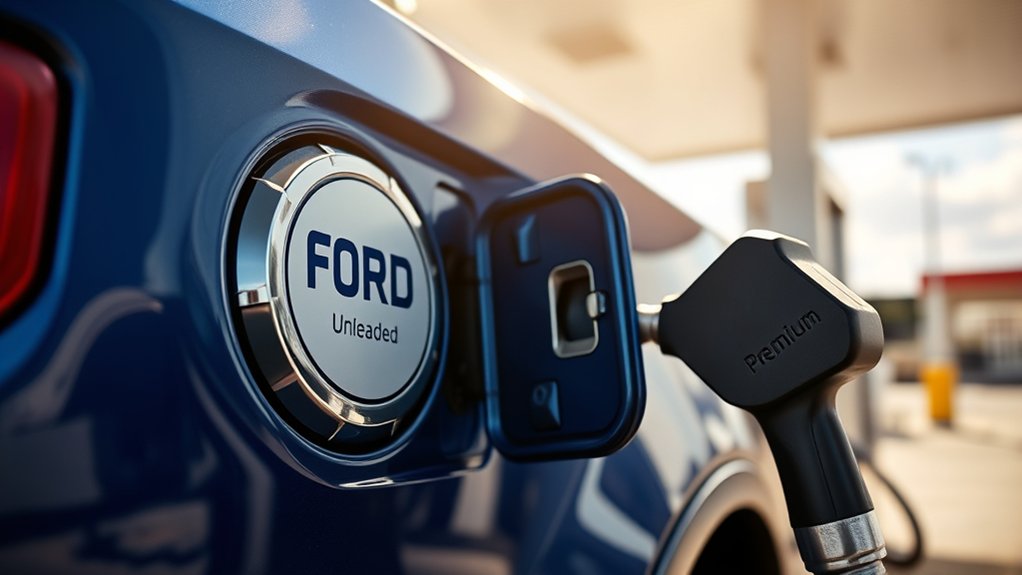
Yes, you can usually use premium gas in a Ford F-150, but it doesn’t always give you a benefit. You can choose premium options if you want, and your truck should run normally.
Most F-150 engines are designed to work well on regular fuel, so higher octane ratings often won’t improve power, towing, or mileage. If your owner’s manual lists premium as recommended for your engine, follow that guidance for the best results.
If it only says premium is optional, you can still use it, but you may not notice a difference. Check the fuel door label and manual before you fill up. That helps you match the fuel to your engine and avoid paying more than you need to.
What Happens If You Use the Wrong Fuel?
If you put the wrong fuel in a Ford F-150, it can cause rough running, poor performance, or trouble starting, depending on how far off the fuel is from what the engine needs. You may also notice knocking, hesitation, or a check engine light. In severe cases, wrong fuel can lead to engine damage if you keep driving.
- Misfires can happen when combustion can’t stay stable.
- Fuel system parts may wear faster from improper fuel.
- Power drops because the engine can’t burn fuel correctly.
- Damage risk rises if you ignore the problem.
Stop the truck, avoid adding more fuel, and have the tank checked before you drive again.
Ford F-150 Fueling Tips
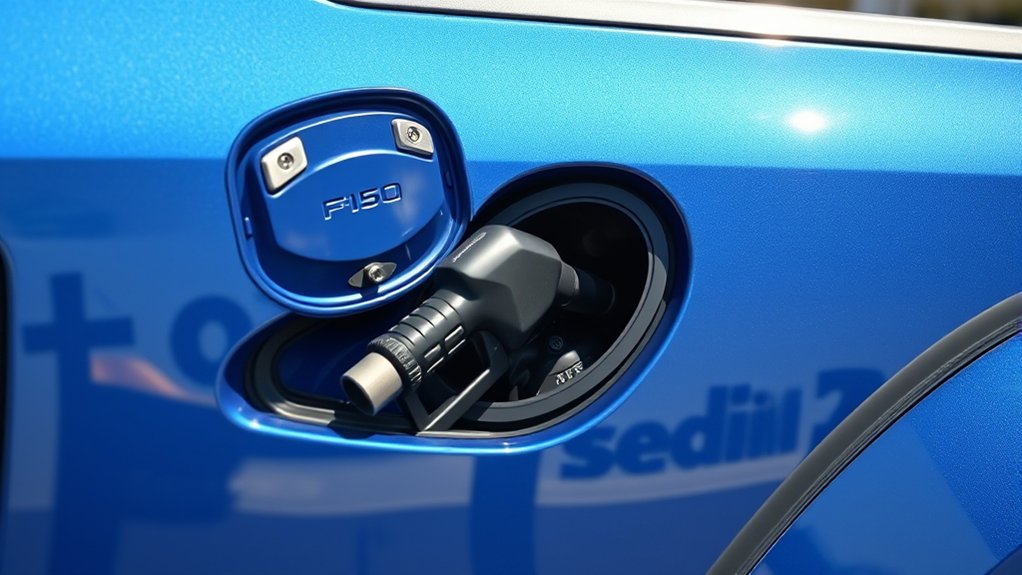
For best results, use the octane grade listed in your Ford F-150 owner’s manual and stick with a reputable fuel brand when you can. You should check engine compatibility before choosing regular, midgrade, or premium fuel, since some engines respond better to specific octane ratings.
Avoid unnecessary fuel additives unless Ford recommends them; most quality gasoline already meets your truck’s needs. Keep the tank at least one-quarter full to reduce fuel-pump strain and condensation.
| Tip | Why it matters | Your action |
|---|---|---|
| Use correct octane | Supports proper combustion | Follow the manual |
| Buy trusted fuel | Helps avoid contaminants | Choose reputable stations |
| Limit additives | Prevents wasted money | Use only when needed |
If your driving changes, review fuel needs again.
Frequently Asked Questions
How Much Fuel Does a Ford F-150 Hold?
You’ll usually hold 23 to 36 gallons, depending on your F-150’s cab, bed, and tank option. That affects fuel economy and towing capacity, so check your owner’s manual or door label for exact specs.
Does the F-150 Have a Fuel Capless System?
Yes, you do, on most recent F-150s. You insert the nozzle into a capless filler, so diesel rumors and hybrid myths don’t change it.
This design helps you refuel quickly and reduces spills.
Can a Ford F-150 Run on E85?
Yes, you can if your F-150 is a flex-fuel model. Check your owner’s manual or fuel door.
Using E85 affects efficiency, so weigh two word ideas and fuel ethics before choosing.
How Often Should the Fuel Filter Be Changed?
You should replace your fuel filter according to your truck’s maintenance intervals and replacement schedule, usually every 30,000 to 60,000 miles.
How often you change it depends on driving conditions and fuel quality.
Does Altitude Affect F-150 Fuel Performance?
Yes, altitude affects your F-150’s fuel performance: thinner air changes engine air-fuel mix, reduces power, and can improve fuel efficiency slightly.
You’ll notice altitude effects most when towing, accelerating, or climbing steep grades.
Conclusion
In the end, you should fuel your Ford F-150 with the octane listed in your owner’s manual or on the fuel door, which is usually regular unleaded 87. You can use premium when your engine calls for it, but it’s not a magic boost for every truck.
Think of fuel choice like choosing the right key for a lock—using the right one keeps your F-150 running smoothly, efficiently, and reliably mile after mile.
Always refer to your owner’s manual to ensure you are using the correct gas. Proper fuel type is essential for maintaining the performance and longevity of your Ford F-150.


