What Ford Cars Are Made in Mexico
As an Amazon Associate we earn from qualifying purchases.
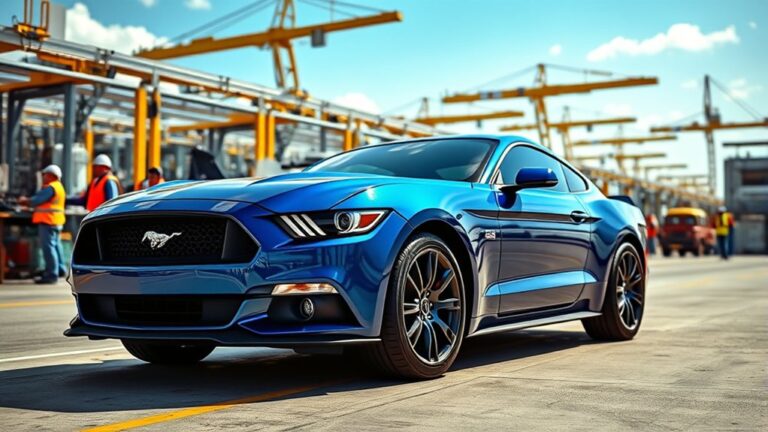
Which Ford cars are made in Mexico, and why should you care? You’ll find Mexico-made Fords across SUVs, trucks, vans, and EVs, with the Bronco Sport assembled in Hermosillo as a key example.
Ford uses Mexican plants for proximity to U.S. demand, established supplier networks, and lower production costs. However, the full list of models isn’t obvious—and that’s where the details get interesting.
Key Takeaways
- Ford models made in Mexico include the Bronco Sport, Maverick, and Mustang Mach-E.
- The Bronco Sport is the clearest Mexico-built Ford SUV, assembled at the Hermosillo plant.
- Mexico-based Ford production covers compact trucks, crossovers, and electric vehicles.
- Ford uses Mexico plants for efficient supply chains, competitive pricing, and steady output.
- Build quality is generally comparable to U.S.-assembled Ford models, so inspect the specific vehicle first.
Ford Models Made in Mexico
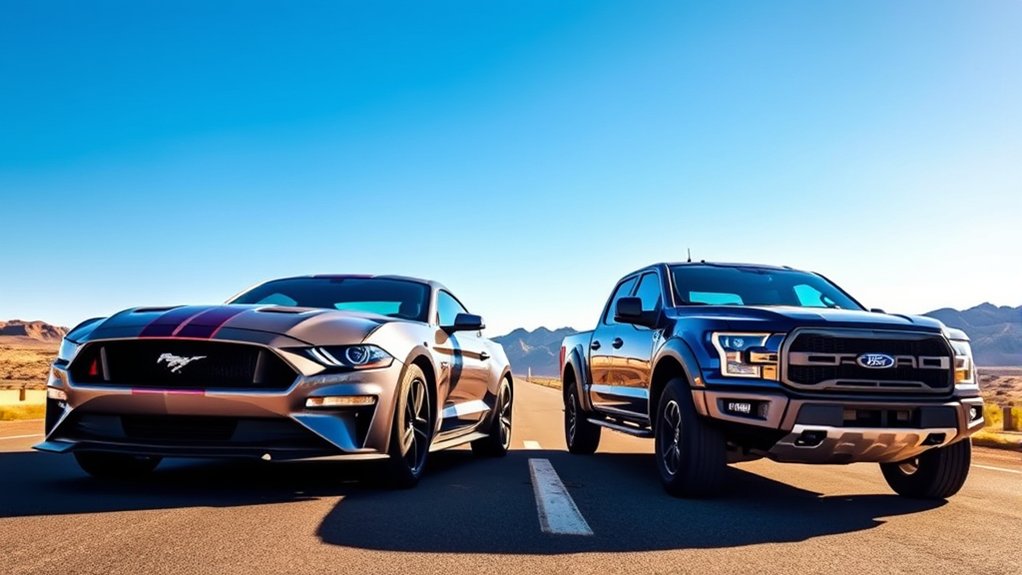
Several Ford models are built in Mexico, including the Ford Bronco Sport, Ford Maverick, and Ford Mustang Mach-E, reflecting the company’s use of Mexican production for both mainstream and electric vehicles. You can see how Ford allocates assembly to optimize labor, logistics, and capacity across North American plants.
Mexico production supports competitive pricing while keeping output flexible for U.S. demand. You should also note that the ford union influences sourcing, wages, and plant negotiations, which can shape model placement over time. If you compare VIN data and plant disclosures, you’ll find that Ford’s Mexico-based vehicles span compact trucks, crossovers, and EVs.
That mix shows a deliberate manufacturing strategy, not an isolated cost move, and it helps you understand where Ford’s volume and margin priorities align.
Ford SUVs Built in Mexico
Among Ford SUVs built in Mexico, the Bronco Sport stands out as the clearest example, with assembly centered at Ford’s Hermosillo plant to serve North American demand efficiently. You’ll also see how Mexican manufacturing helps Ford balance volume, quality, and FORD prices across trim levels.
Ford’s Hermosillo plant makes the Bronco Sport a standout Mexico-built SUV for North American buyers.
This setup lets you compare value without paying extra import costs. Key points:
- The Bronco Sport is the main Mexico-built Ford SUV you’ll notice.
- Hermosillo supports efficient supply chains and steady output.
- Local production can help keep FORD prices more competitive.
If you’re shopping, focus on equipment, incentives, and delivery timing. You’ll get a clearer view of where Ford’s cost advantage comes from, and you’ll spot which SUV fits your budget best.
Ford Trucks and Vans Made in Mexico
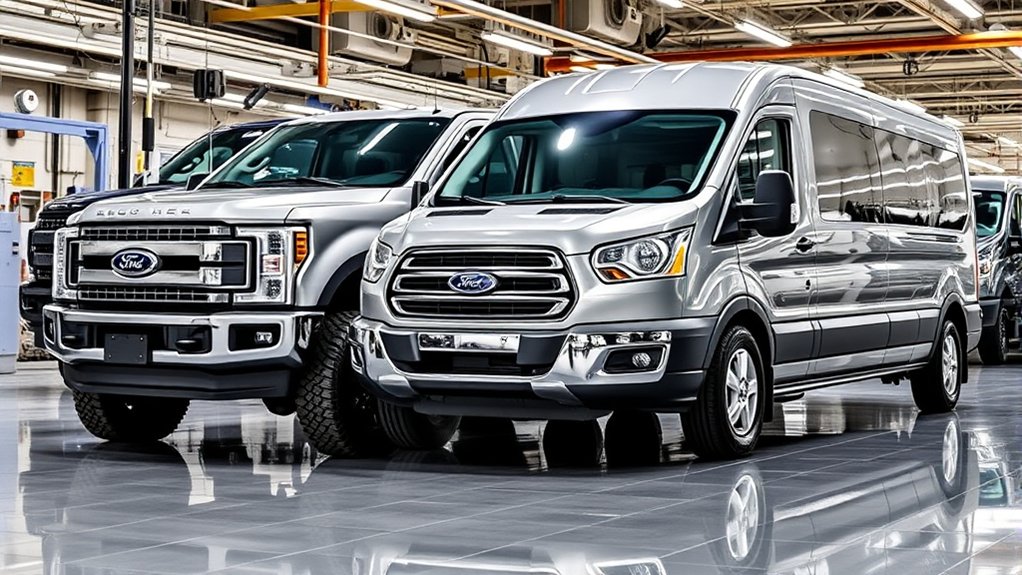
Ford also builds important trucks and vans in Mexico, with production focused on models that support commercial and family use at scale. You’ll find that Ford plants in Mexico assemble high-volume vehicles that serve fleets, contractors, and large households.
The main output includes full-size and midsize utility vehicles, plus commercial vans designed for cargo efficiency and route durability. From a supply-chain view, Mexico sourcing helps Ford match components to regional assembly, reducing complexity across multiple product lines.
You can see this strategy in consistent build volume and broad market reach. These vehicles don’t just fill niche demand; they anchor Ford’s North American production mix. If you track Ford trucks and vans, Mexico remains a key manufacturing base.
Why Ford Builds Vehicles in Mexico
Why does Ford build so many vehicles in Mexico? You can trace the answer to Mexico production dynamics, where labor, logistics, and capacity align for efficient output. Ford uses cross border supply chains to move parts quickly between U.S. plants and Mexican assembly lines, cutting transport time and keeping inventory lean.
- Lower production costs support competitive pricing.
- Proximity to U.S. markets shortens delivery cycles.
- Established supplier networks improve scale and flexibility.
You’ll also see that Mexico offers Ford room to allocate production across multiple sites, reducing bottlenecks when demand shifts. The result is a manufacturing setup that’s data-driven, cost-sensitive, and built for steady throughput rather than excess complexity.
Should You Buy a Mexico-Built Ford?
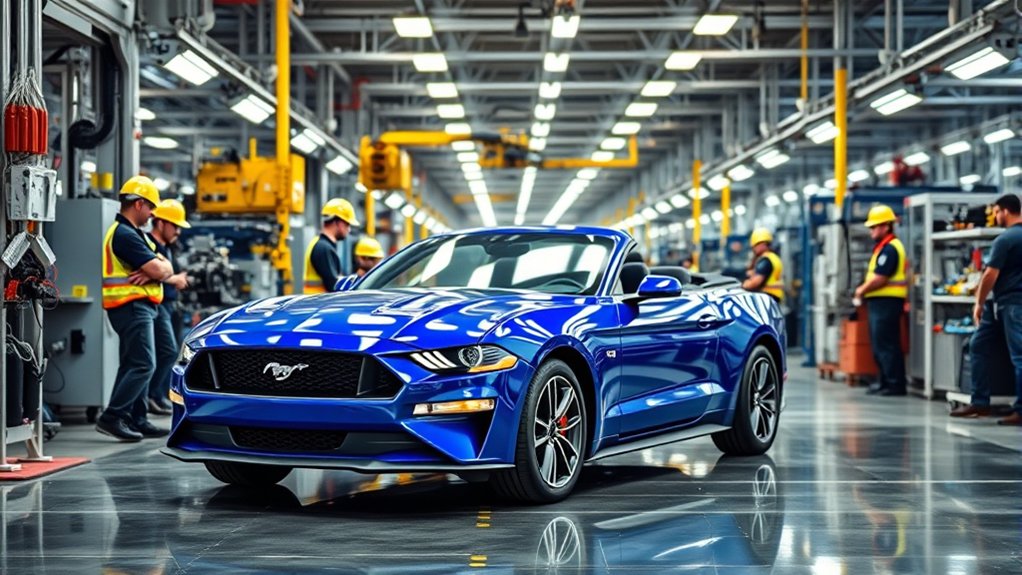
You should evaluate a Mexico-built Ford on the same metrics you’d use for any other vehicle: assembly quality, reliability data, and feature content. If the model scores well in owner reports and inspection results, you may get strong value for the price.
Resale depends more on demand, trim, and condition than on the country of assembly alone.
Build Quality Considerations
Build quality on Mexico-built Ford vehicles is generally comparable to U.S.-assembled models, because Ford uses the same engineering standards, supplier specs, and final inspection processes across plants. You should focus on measurable cues, not origin alone.
Durability opinions often come from how a vehicle’s specific trim, powertrain, and maintenance history perform over time. Craftsmanship factors matter too, especially panel fit, paint consistency, and interior trim alignment.
- Check service records for repeat issues.
- Inspect gaps, seals, and fasteners.
- Compare warranty claims data, if available.
If you test-drive and inspect carefully, you can judge quality more accurately than by plant location. Many Mexico-built Fords meet the same production targets, so your decision should rest on condition, build consistency, and how the vehicle feels under load.
Value And Resale
Value and resale depend more on model demand, trim, mileage, and condition than on whether a Ford was assembled in Mexico. You should treat country of assembly as one of several resale value factors, not the main one.
If a Mexico-built Ford matches your needs and has strong reliability data, you can buy with confidence. Your budget strategy should focus on purchase price, depreciation rate, warranty coverage, and local market demand.
Popular trims and efficient powertrains often hold value better than niche variants. You’ll usually get better long-term returns by choosing a well-equipped, widely sought model than by chasing a domestic badge.
Check recent used listings, auction trends, and mileage-adjusted pricing before you decide. If the numbers work, the build location shouldn’t stop you.
How to Check Where Your Ford Was Built
To verify where your Ford was built, start with the vehicle identification number (VIN), which usually appears on the dashboard near the windshield, inside the driver’s door jamb, or on registration documents. You can use it to determine assembly location, then cross-check factory data.
When learning how to verify VIN, focus on the first three characters and the plant identifier. Those codes often reveal the country and assembly site. For locating factory codes, compare the VIN with Ford’s build sheet or an online decoder.
Check the VIN against the door sticker. Match plant codes with Ford’s production tables. Confirm details through dealer records or the owner portal.
If the codes align, you’ll know where your vehicle was assembled.
Frequently Asked Questions
Are Mexico-Built Fords Eligible for the Same Warranty Coverage?
Yes, you usually get the same warranty coverage if your Ford’s build location is Mexico, because warranty terms follow the vehicle, not the plant.
You should verify your VIN and regional warranty booklet for exceptions.
Do Mexico-Built Fords Have Different Quality Standards?
You shouldn’t expect different quality standards; Ford manufacturing uses global specs and audits, and Mexico parity is a core goal.
You’ll see the same processes, suppliers, and inspections, so build quality should be comparable.
Can I Find the Build Location on My Ford VIN?
Yes, you can, like decoding a map. You’ll find a Vehicle identification location hint in your Ford VIN; use Ford’s decoder to see which models are produced in Mexico. It’s data-driven, precise, and quick.
Are Parts Availability and Repairs Different for Mexico-Built Fords?
Not usually; you’ll see similar availability of spare parts and repair procedures, since Ford standardizes many components.
Still, your local dealer’s service network expansion, regional inventory, and model-specific sourcing can affect wait times and repair costs.
Does Ford Plan to Move More Production to Mexico?
You’ll see Ford shifting some production if the numbers work: lower labor costs and a Mexico supply chain can cut expenses by 10% or more.
But Ford hasn’t announced a broad new Mexico expansion yet.
Conclusion
If you’re shopping Ford’s Mexico-built lineup, you’ll see a smart mix of SUVs, trucks, and vans engineered for value and efficiency. You get the Bronco Sport and other models backed by a supply chain that works like a well-tuned engine—fast, steady, and cost-effective.
Check the door-jamb label or VIN, and you’ll know exactly where your vehicle was born.
In the end, Mexico production helps Ford balance price, quality, and delivery with precision. Understanding what Ford cars are made in Mexico gives you insight into the craftsmanship and strategy behind these vehicles.


