What Does Ford Xlt Mean
As an Amazon Associate we earn from qualifying purchases.
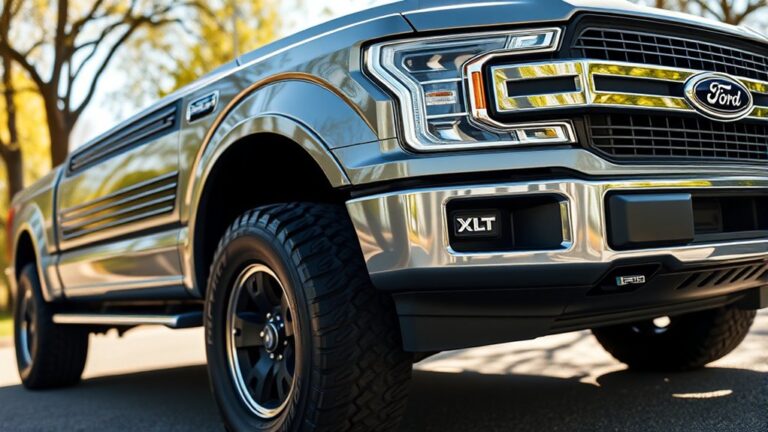
If you’re looking at Ford XLT, you’re seeing a mid-level trim that adds more comfort, convenience, and tech than the base model without jumping into premium pricing. The Ford XLT trim usually gives you a better cabin, more useful features, and a stronger sense of value across Ford trucks, SUVs, and vans.
But what exactly do you get with the Ford XLT, and how does it compare with other trims? This trim strikes a balance between affordability and added amenities, making it a popular choice for many buyers. Let’s explore the key features and benefits that come with the Ford XLT.
Key Takeaways
- Ford XLT is a trim-level designation, not a fixed acronym, used for mid-level models.
- It sits above base XL trims and below higher-end trims like Lariat.
- XLT means more comfort, convenience, and styling features than the standard model.
- It often includes upgraded seats, tech, exterior accents, and more power accessories.
- XLT is a popular “sweet spot” choice for buyers wanting value without luxury pricing.
What Does Ford XLT Mean?
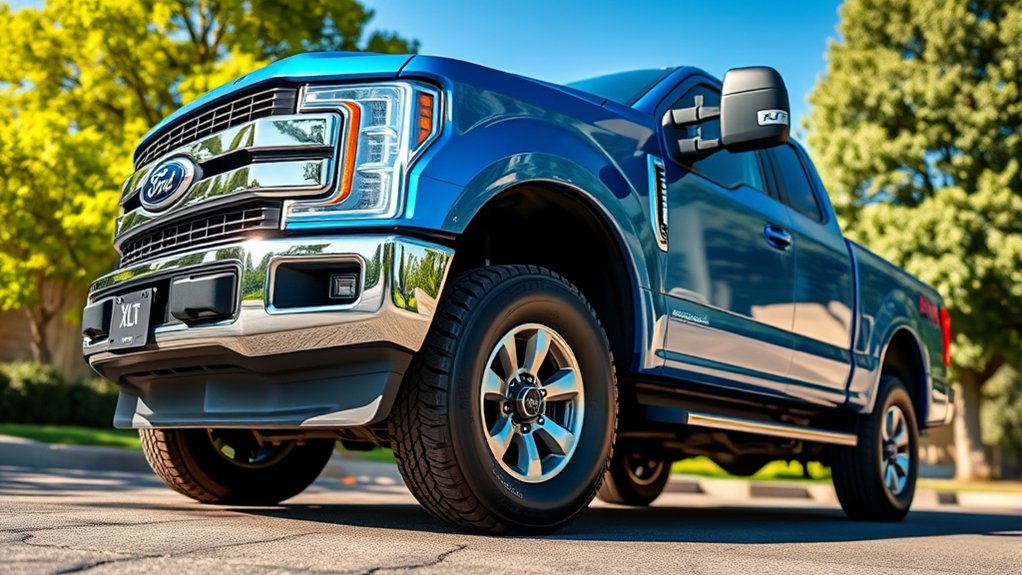
Ford uses XLT as a trim-level designation, not an acronym with a single official meaning. When you see XLT on a Ford vehicle, you’re looking at a label that identifies a specific equipment grade above the base model.
Ford has never offered one universally accepted expansion of the letters, so you shouldn’t treat it as a fixed phrase. Instead, the badge tells you the vehicle sits in a more refined trim position, often with nicer truck aesthetics and upgraded seating materials than entry-level versions.
You can think of XLT as shorthand for a balanced mix of appearance, comfort, and value. The exact meaning can vary by model and year, but the core idea stays the same: XLT signals a mid-level Ford trim, not a defined acronym.
What Ford XLT Includes
On a typical Ford model, XLT usually adds a more polished mix of convenience and comfort features than the base trim. You’ll often notice a smarter cabin layout, added tech, and a few exterior upgrades that make the truck or SUV feel less plain. The exact package can vary by model year, so check your window sticker.
| Common area | Typical XLT inclusion |
|---|---|
| Seating | Improved cloth trim |
| Tech | Extra connectivity options |
| Exterior | Distinctive trim accents |
| Convenience | More power accessories |
That’s the core idea; an unrelated topic may sound tempting, but it won’t help here. If you’re chasing off topic appeal, you’ll miss the practical value XLT brings: a balanced upgrade without moving into premium territory.
Ford XLT Features You Get
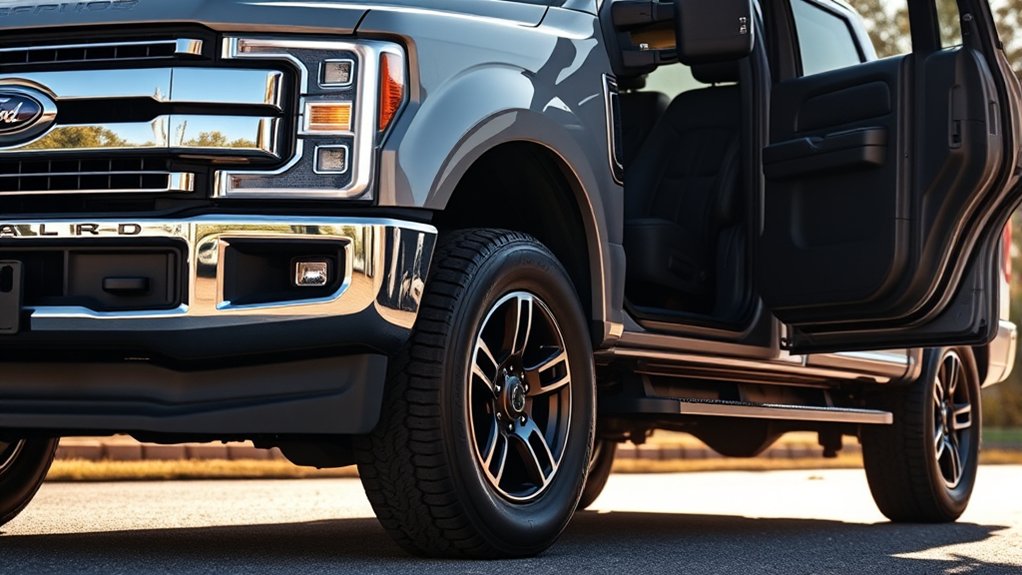
The XLT trim usually gives you a noticeable step up from the base model without pushing into luxury territory. You’ll often get alloy wheels, upgraded seat materials, more storage options, and extra chrome or body-color accents.
Ford usually adds convenience touches such as power accessories, keyless entry, and a better infotainment screen with smartphone integration. In many models, you also get more driver-assist technology and additional USB ports. These upgrades make daily driving easier and the cabin feel more refined.
If you’re comparing a work-focused truck with a more comfortable setup, the XLT often hits the middle ground well. It balances practicality and value, so you get useful features without paying for premium extras you may not need.
Ford XLT vs. XL and Lariat
When you compare the Ford XLT with the XL, you’ll usually see more convenience and comfort features in the XLT for a higher price.
Against the Lariat, the XLT sits in the middle, giving you a stronger mix of equipment and value without the premium trim’s added luxury. Your best choice depends on which features you want most and how much you’re willing to spend.
XLT Vs. XL Trim
Ford’s XLT trim sits above the base XL, so you get a few more comfort and convenience features without jumping all the way to a premium model like the Lariat. In a side-by-side comparison, you’ll usually notice upgraded upholstery, added tech, and more exterior chrome or styling cues on the XLT.
The XL keeps things simpler and more work focused, which can help if you want the lowest starting price. Owner experiences often show that the XLT feels more practical for daily driving because it balances value and convenience.
If you need basic capability, the XL can be enough. If you want a nicer cabin and more standard equipment, the XLT gives you that middle ground without adding unnecessary complexity.
XLT Vs. Lariat Trim
If you’re deciding between the XLT and Lariat, the biggest difference is usually how much luxury and convenience equipment you want. You’ll find the XLT gives you a balanced mix of capability and everyday comfort, while the Lariat adds a more upscale cabin and more standard tech.
Both can deliver similar horsepower and towing capacity when equipped with the same engine, so performance often comes down to configuration rather than trim alone. You’ll also see little difference in fuel economy between them.
Cargo space stays essentially the same, since trim level doesn’t change the truck’s basic size. If you want a practical truck with useful upgrades, XLT fits well. If you prefer a more refined driving experience, Lariat makes more sense.
Features And Price Differences
Price is one of the clearest ways to separate Ford’s XLT trim from the base XL and the more upscale Lariat. You’ll usually pay more for XLT than XL because you get extra comfort and tech, but less than Lariat, which adds premium materials and more driver aids. If you want a balanced option, XLT often makes sense.
- XL: lowest price, simplest equipment
- XLT: added convenience, better ride quality
- Lariat: highest price, richer features
You’ll notice XLT can also support strong resale value because it sits in the middle of the lineup. It gives you useful upgrades without pushing into luxury pricing. If you want value and everyday usability, XLT is the practical middle ground.
Ford XLT in Trucks and SUVs
On Ford trucks and SUVs, XLT usually marks a mid-level trim that adds more comfort, convenience, and style than the base model without stepping into the highest-priced versions. You’ll often see it on F-150, Ranger, Explorer, and Expedition models, where Ford pairs practical equipment with a more finished look.
In trucks, XLT can bring upgraded wheels, better infotainment, and added driver aids while still keeping strong towing and hauling abilities. In SUVs, it often adds extra seating features, refined cabin materials, and more tech for daily use.
You may also find turbocharged efficiency in some engines and useful off road capability in certain truck setups, depending on the model and package.
Why Buyers Pick Ford XLT
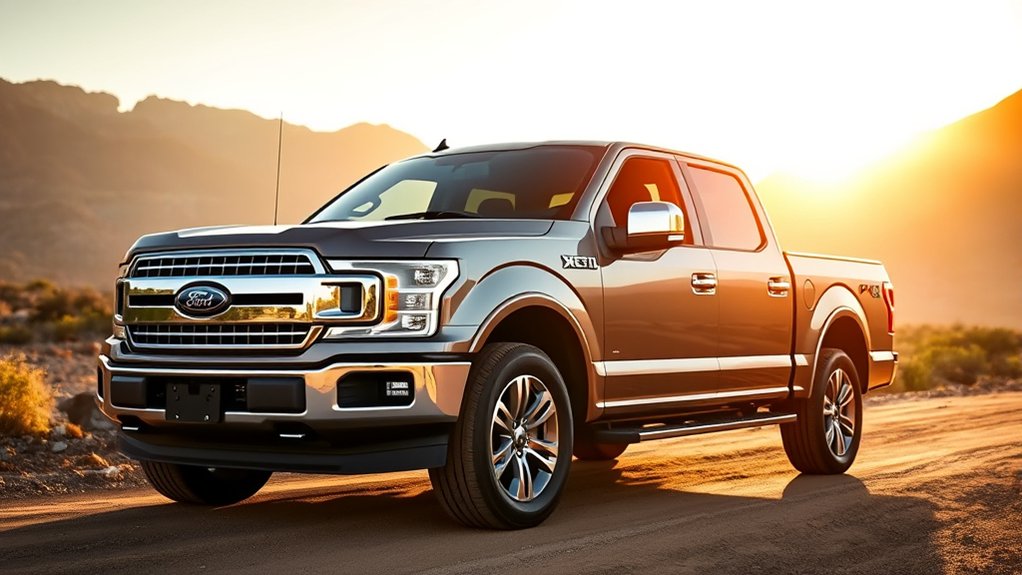
You may choose the Ford XLT because it adds extra comfort features that make daily driving feel more refined. It also gives you a balanced mix of equipment and price, so you get more value without moving to a higher trim.
For many buyers, its popular trim appeal makes it a practical, familiar choice across Ford’s lineup.
Extra Comfort Features
Ford XLT trims often appeal to buyers because they add comfort-focused features that make daily driving feel easier and more refined. You’ll notice the extra features in the cabin right away, especially in the interior design, which usually feels more supportive and polished than base models. These upgrades can make commuting and long trips less tiring.
- You get improved seat materials that feel better over time.
- You benefit from added convenience touches, such as more available power adjustments.
- You enjoy a quieter, more pleasant driving environment that supports everyday use.
If you value comfort without moving to a luxury trim, XLT gives you a practical middle ground. It focuses on making your time behind the wheel feel more relaxed, organized, and enjoyable.
Balanced Value Package
Why do so many buyers choose the Ford XLT? You get balanced value that sits between basic trims and higher-priced models. The XLT gives you useful upgrades without pushing the price too far, so the price vs. features tradeoff stays appealing.
You’re paying for practical comfort, convenience, and everyday capability rather than extra luxury details.
| Aspect | XLT Benefit |
|---|---|
| Cost | Moderate entry point |
| Features | Strong everyday upgrades |
| Value | Good price vs. features |
| Use | Practical for daily driving |
This trim helps you match your budget to the equipment you actually use. If you want a sensible middle ground, the XLT often delivers exactly that.
Popular Trim Appeal
That balanced value helps explain the XLT’s broad appeal. You get a trim that feels practical without seeming bare, which makes it easy to justify. Ford pairs useful equipment with innovative engineering, so you notice smart features, efficient drivetrains, and solid towing confidence.
You also avoid paying for luxury extras you may not need. Buyers often choose XLT because it fits daily driving, work duties, and family use with equal ease. Its popularity can also support stronger resale value, since many shoppers want a well-equipped middle trim.
- Useful standard features
- Competitive pricing
- Broad market demand
Ford XLT vs. Higher Trims
Compared with higher trims, XLT usually gives you a strong balance of features and value without pushing into luxury pricing. You get more convenience and comfort than base models, but you skip many premium extras that raise cost quickly.
XLT strikes a strong balance of value, comfort, and features without the higher price of luxury trims.
If you’re comparing an unrelated topic, focus on equipment rather than prestige. An off topic comparison can distract you from the real question: which features do you’ll actually use?
Higher trims often add upgraded materials, advanced tech, and driver aids, yet XLT may already cover most daily needs. That makes it a practical choice if you want capability and comfort without paying for amenities you won’t notice often.
For many buyers, XLT sits in the sweet spot between affordability and a more polished driving experience.
Which Ford Models Offer XLT?
Ford uses the XLT trim on several of its most popular models, including the F-150, Ranger, Maverick, Explorer, Expedition, and Transit. You’ll also see it on some years of the Bronco and other work-focused variants. That broad availability means you can compare one trim name across trucks, SUVs, and vans without guessing.
- Trucks: F-150, Ranger, Maverick
- SUVs: Explorer, Expedition, Bronco
- Van: Transit
When you shop, check the exact model year, because features can vary. You should also compare safety ratings and resale value by model, since those factors differ more than the XLT badge itself. The trim identifies a midlevel setup, but the vehicle platform still shapes how it drives, carries passengers, and fits your needs.
Is Ford XLT Worth It?
Whether an XLT trim is worth it depends on how you plan to use the vehicle and which features matter most to you. You usually get more comfort and convenience than base trims, without jumping to a top package. That balance can improve Ford resale if you keep the truck well maintained.
It can also preserve Ford mpg when the added equipment stays modest.
| Factor | XLT Value |
|---|---|
| Price | Moderate |
| Comfort | Better |
| Tech | More |
| Efficiency | Good |
| Resale | Strong |
If you want useful upgrades and a sensible cost, XLT often makes sense. If you only need basic transport, you may not need it.
Where XLT Fits in Ford’s Lineup
XLT usually sits in the middle of Ford’s trim lineup, giving you more features than the base model without moving all the way to the top.
You’ll find XLT on several Ford vehicles, including popular trucks and SUVs, where it often balances value and equipment. That position makes it a common choice if you want added convenience without paying for higher-end trims.
Trim Level Positioning
So where does XLT fit in Ford’s lineup? You’ll usually find it as the mid-level trim, placed above the base model and below higher-featured versions. That positioning helps you balance comfort, capability, and cost without stepping into premium pricing.
Ford uses this trim for buyers who want useful upgrades but don’t need every luxury feature. Pricing psychology matters here: XLT often feels like the “sweet spot,” because factory incentives can make it look especially attractive against lower or higher trims.
- More equipment than the entry trim
- Less cost than top trims
- A practical value-focused choice
In short, XLT sits where you get better features and a sensible price, and that’s the point.
Models That Offer XLT
Ford offers the XLT nameplate across a wide range of vehicles, which is why it shows up so often in discussions of trim levels. You’ll usually see it on trucks, vans, and SUVs, where it sits above the base model and below premium trims. That gives you a useful balance of comfort and value.
Here’s a quick overview:
| Model | XLT Role | Typical Appeal |
|---|---|---|
| F-150 | Core truck trim | Practical upgrades |
| Super Duty | Midline work trim | Capability |
| Ranger | Step-up option | Added convenience |
| Expedition | Family SUV trim | More features |
| Transit | Cargo/passenger choice | Flexibility |
In two word discussion idea 1 terms, XLT is Ford’s mainstream upgrade. In two word discussion idea 2 terms, it keeps features accessible without pushing you into luxury pricing.
Frequently Asked Questions
Does Ford XLT Include All-Wheel Drive?
Not always; you’ll find XLT trims with front-wheel, rear-wheel, or all-wheel drive, depending on model and options.
Check the exact vehicle’s specs, and you’ll avoid confusion from discussion ideas and unrelated topics.
Can You Add XLT Features to an XL Model?
Not directly, though you can often add some comfort and tech touches to an XL. You’ll still face variant comparison limits and trim pricing differences, and some XLT features need factory integration or costly aftermarket work.
Is XLT Available on Older Ford Vehicles?
Yes, you can find XLT on many older models, but availability varies by year and trim. You’ll need to check feature compatibility, because Ford changed equipment packages and naming across generations.
Does Ford XLT Affect Insurance Costs?
Ford XLT usually won’t greatly affect your insurance costs, but higher trim features can raise ownership costs slightly.
You should compare quotes, since coverage depends more on vehicle value, repairs, safety equipment, and your driving history.
What Does XLT Stand for in Ford History?
XLT stands for “Extra Luxurious Truck” in Ford history, though you might expect a simple trim code.
You’ll see it tied to discussion ideas, vehicle features, insurance costs and model trims, and XLT relevance.
Conclusion
If you’re considering a Ford XLT, you’re looking at the sweet spot in the lineup: more comfort and tech than the base trim, but without the higher price of premium models. You get practical upgrades that make daily driving easier and more enjoyable.
In many ways, XLT is the bridge between basic and upscale, giving you solid value without overcomplicating things. If you want balance, this trim’s worth a close look.
For those wondering what Ford XLT means, it represents a well-rounded option that combines convenience, style, and affordability into one appealing package.


