What Does a Wrench Light Mean on a Ford
As an Amazon Associate we earn from qualifying purchases.
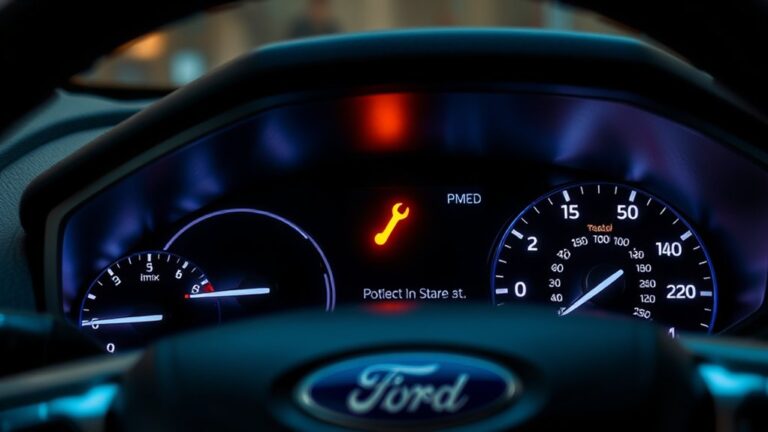
When the wrench light pops up on your Ford, it’s a sign that something needs attention in the powertrain system. This wrench light is not just a cosmetic reminder; it indicates a fault that could affect the engine, transmission, or throttle control.
The vehicle may limit performance to protect itself. However, the real cause won’t be obvious until you scan the stored codes and check what the modules are reporting.
Key Takeaways
- On a Ford, the wrench light usually signals a powertrain or throttle system fault, not a cosmetic warning.
- It often means the vehicle may enter limp mode to protect the engine or transmission.
- You can sometimes keep driving if the car feels normal, but reduced power or rough shifting needs immediate attention.
- Common causes include throttle body issues, accelerator pedal sensor faults, wiring problems, or transmission control faults.
- A scan tool is needed to read trouble codes and pinpoint the exact cause before repairs.
What Does the Wrench Light Mean on a Ford?
The wrench light on a Ford means the powertrain has detected a fault that may affect engine, transmission, or throttle control performance. You should treat it as a diagnostic warning indicator, not a cosmetic alert.
The light often points to electronic throttle issues, sensor faults, transmission control errors, or other drivetrain maintenance needs. When it appears, your vehicle’s modules have stored a code that helps pinpoint the problem.
You can’t confirm the exact cause by the icon alone, so you’ll need a scan tool or a technician’s diagnosis. If the light stays on, your Ford may enter reduced-power mode to protect components. Check related symptoms, such as poor acceleration, shifting changes, or rough idle, and address the fault promptly.
Can You Keep Driving With the Wrench Light On?
You can keep driving only if the Ford still responds normally, but the wrench light means a drivetrain or powertrain fault that can reduce safety margins.
In many cases, the vehicle enters limited power mode, which cuts acceleration and may affect traffic merging or passing. If you notice rough shifting, loss of power, or abnormal noise, pull over and diagnose the fault before continuing.
Driving Safety Risks
Can you keep driving with the wrench light on? You can, but you shouldn’t treat it as normal. The light means the powertrain control system has detected a fault that can change throttle response, transmission behavior, or engine output.
That raises real safety risks in traffic, during merging, or on steep grades, where sudden hesitation or reduced acceleration can leave you exposed. If the light appears with rough shifting, flashing indicators, or a persistent warning message, your margin for error drops fast.
Check for active wrench warnings, scan for diagnostic trouble codes, and review any safety recalls tied to your Ford model. If symptoms worsen, reduce speed, avoid heavy loads, and schedule inspection immediately.
Limited Power Mode
When Ford drops into limited power mode, the vehicle deliberately restricts throttle response, engine output, or transmission operation to protect the powertrain after it detects a fault. You may still move, but acceleration, shifting, and top speed can feel severely reduced.
That means you can sometimes continue driving, yet only as long as the truck or car responds predictably and doesn’t worsen the fault. Expect poorer fuel economy, because the control module may command conservative strategies. You’ll also notice more brake wear if you compensate with frequent braking instead of normal throttle use.
Limited power mode isn’t a fix; it’s a diagnostic warning. Read the wrench light as an active fault indicator, not a minor nuisance. The system needs inspection soon.
When To Pull Over
If the wrench light comes on and the vehicle still drives normally, you can usually reach a safe location or service center without stopping immediately. You should pull over right away if you notice rough shifting, strong vibrations, loss of power, overheating, or a flashing ford warning.
Those symptoms suggest the wrench light is reporting a drivability fault that can worsen quickly. Move to the shoulder, reduce speed, and shut the engine off if the fault is severe. Don’t continue driving if the transmission slips, the accelerator response drops, or the vehicle enters limp mode.
Check for obvious issues only after it’s safe. If the light stays on after a restart, you need a scan tool and diagnostic service before driving far.
What Causes the Ford Wrench Light to Come On?
The Ford wrench light usually comes on when the powertrain control system detects a fault in the throttle system or transmission. You may have a bad electronic throttle body, accelerator pedal sensor, wiring issue, or a transmission control problem.
When the light appears, you should scan for diagnostic trouble codes to pinpoint the exact cause.
Throttle System Issues
A malfunction in Ford’s electronic throttle system can trigger the wrench light, especially when the throttle body, accelerator pedal sensor, or related wiring sends faulty signals to the PCM. You may notice reduced throttle response, unstable idle, or limp mode as the system limits power to protect itself.
Carbon buildup in the throttle plate, a sticking actuator, or a damaged connector can cause these faults. Your driving habits can worsen deposits if you make mostly short trips or rarely hold steady speeds.
Use diagnostic tools to read throttle and pedal position codes, then inspect live data for mismatched values. Clean the throttle body if needed, verify wiring continuity, and replace failed sensors or the throttle body assembly when tests confirm the problem.
Transmission Problems
Transmission faults can also trigger Ford’s wrench light when the PCM detects slipping, harsh shifting, low line pressure, or internal sensor errors in the transmission control system. You may notice delayed engagement, flare shifts, shuddering, or limp mode before the light appears.
Low fluid, contaminated fluid, a failing solenoid pack, a damaged speed sensor, or wiring faults can all set the fault. If you keep driving, you can worsen clutch wear and valve body damage.
Check the transmission fluid level and condition, then scan for codes before replacing parts. These dashboard indicators help you catch drivetrain faults early.
Regular drivetrain maintenance, including fluid service and inspection of connectors, reduces repeat warnings and keeps the transmission operating within spec.
How Is the Wrench Light Different From the Check Engine Light?
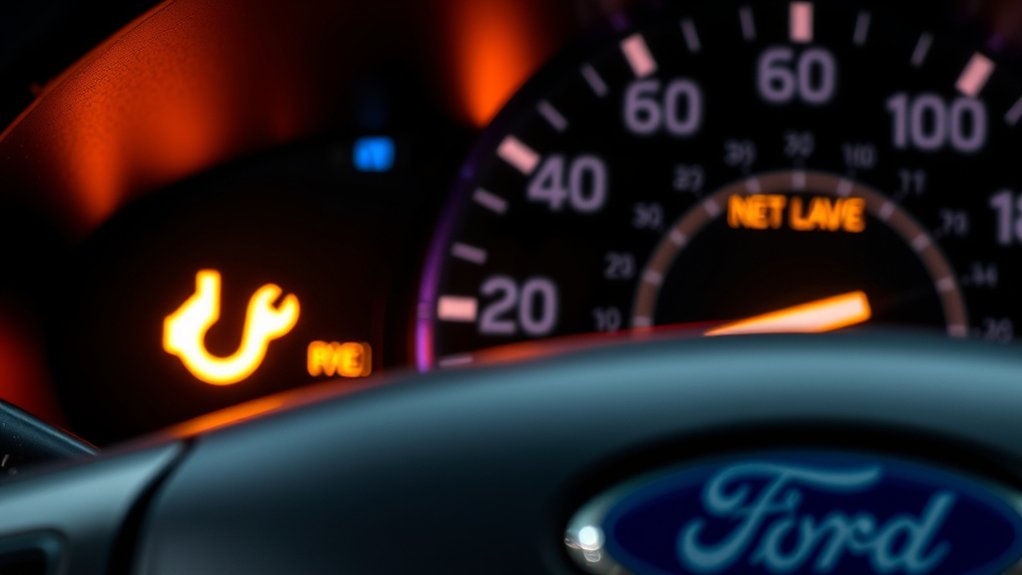
While both warning lights signal a problem, the wrench light and check engine light point to different fault systems on your Ford. The wrench light usually means a powertrain or throttle-control fault, often tied to electronic control modules, transmission behavior, or reduced engine performance.
The wrench light usually means a powertrain or throttle-control fault, often tied to reduced engine performance.
The check engine light covers emissions, fuel, and sensor issues that affect engine management more broadly. You can’t treat them the same during car maintenance, because each one demands a different diagnostic path.
The wrench light may appear with driveability limits, while the check engine light can stay on with normal drivability. If you’re checking battery health, remember low voltage can trigger either light and skew sensor readings.
Use a scan tool to read codes and confirm the specific system fault.
What Should You Do When the Wrench Light Stays On?
When the wrench light stays on, start by checking whether your Ford is in reduced-power mode and note any symptoms like hesitation, rough shifting, or limited throttle response. Ease off hard acceleration, keep speeds moderate, and practice careful driving etiquette to avoid adding load.
If the vehicle still drives normally, limit trips to essential use and avoid towing or steep grades. Review the maintenance schedule for overdue services such as oil changes, air filters, or transmission fluid checks, since missed intervals can trigger fault logic.
Restart the vehicle once; if the light returns, don’t ignore it. Record when it appears, what conditions trigger it, and whether other warning lamps join it. That information helps you judge urgency and decide whether you should stop driving soon.
How Do Mechanics Diagnose Ford Wrench Light Problems?
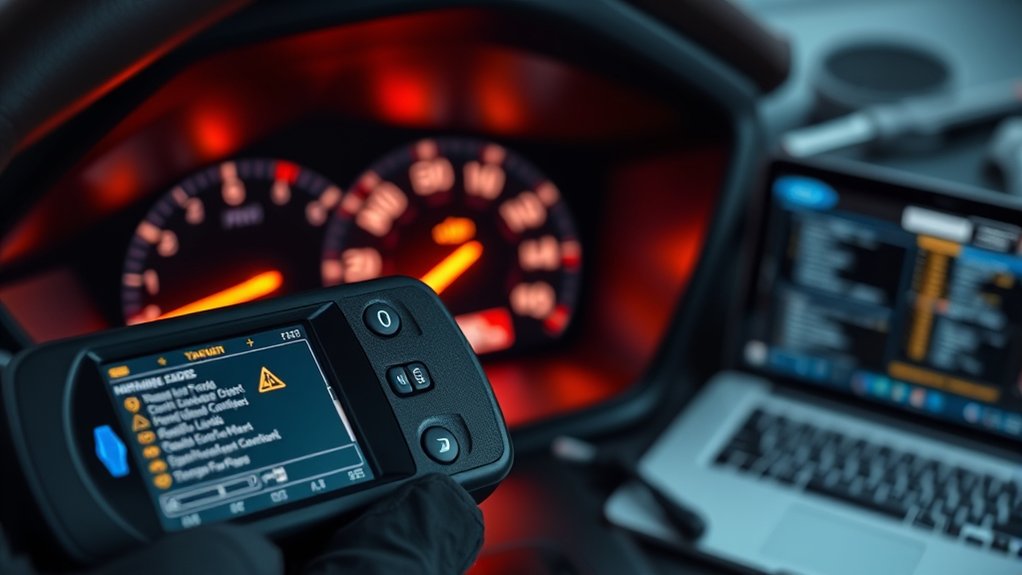
Mechanics start by scanning the Ford’s modules for diagnostic trouble codes, because the wrench light usually points to a powertrain or drivability fault rather than a simple reminder. You’ll then see live data checked for throttle position, transmission commands, misfires, and temperature swings.
Technicians compare sensor diagnostics against expected ranges to spot a bad input, wiring issue, or control-module fault. They also inspect drivetrain lubrication levels and fluid condition when shift quality, noise, or heat suggests mechanical drag.
If the codes point to limp mode, they’ll verify battery voltage, grounds, and network communication before replacing parts. This process isolates the exact subsystem, so you’re not paying for guesswork or unnecessary repairs.
How Can You Prevent the Wrench Light From Coming Back?
To keep the Ford wrench light from returning, you need to fix the root cause and maintain the systems that triggered it in the first place. Use preventative maintenance to reduce repeat faults: change fluids on schedule, inspect wiring, clean sensors, and replace worn filters. Don’t ignore warning indicators like rough shifting, reduced power, or delayed throttle response.
| Check | Action |
|---|---|
| Battery/charging | Test voltage and terminals |
| Transmission | Service fluid and scan codes |
| Throttle body | Clean carbon buildup |
| Sensors | Replace faulty units |
If the light reappears, scan the vehicle immediately and compare live data to spec. You’ll catch intermittent faults before they escalate. Keep records, follow Ford’s service intervals, and verify repairs with a road test.
Frequently Asked Questions
Can Cold Weather Trigger the Ford Wrench Light?
Yes, cold weather can trigger the Ford wrench light if battery health drops or voltage falls. You’ll want to test the battery, scan codes, and inspect charging-system connections, since low power can force limp-mode behavior.
Does the Wrench Light Affect Fuel Economy?
Yes, the wrench light can hurt your fuel economy. Your Ford may enter a maintenance alert mode, and an engine check condition can reduce efficiency.
This can limit power and make you use more fuel.
Will a Bad Battery Cause the Wrench Light?
Yes, a bad battery can trigger the wrench light, especially in cold weather when voltage drops. You should test battery voltage, alternator output, and related fault codes. Low power can force reduced-power operation.
Can a Loose Gas Cap Trigger the Wrench Light?
Yes, a loose gas cap usually won’t trigger the wrench light; it can cause a check-engine light instead.
Tighten the loose gas cap, especially in cold weather, then scan codes to confirm the fault.
Is the Wrench Light Covered Under Ford Warranty?
Usually, you’re covered only if the wrench light stems from a warrantable defect. If unrelated warranty issues or unrelated triggers caused it, Ford won’t pay.
You’ll need diagnosis, codes, and dealer verification.
Conclusion
When your Ford shows the wrench light, think of it as a gatekeeper at the edge of the road: it’s not there to punish you, but to stop a small fault from becoming a major failure. You should scan the system, confirm the stored codes, and fix the root cause before you keep driving.
If you ignore it, the warning can grow louder, and the repair can become harder, costlier, and more urgent. Understanding what does a wrench light mean on a Ford is key to preventing serious damage and ensuring your vehicle stays in good condition.


