Is the Ford 6.0 Diesel a Good Engine
As an Amazon Associate we earn from qualifying purchases.
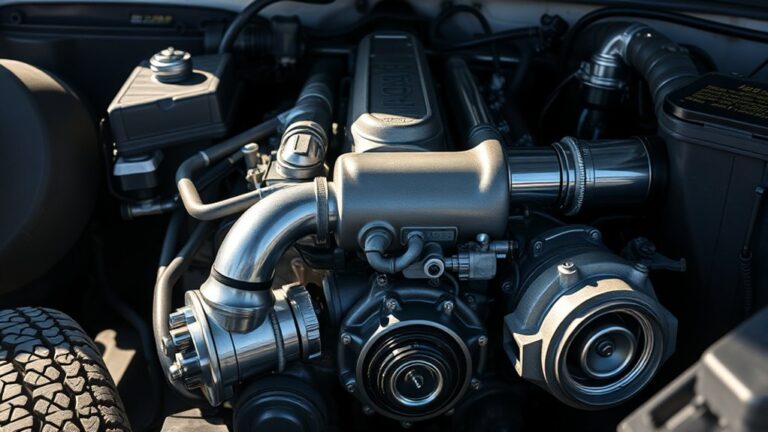
If you’re considering a Ford 6.0 diesel, you’re looking at an engine that can tow hard and run well when it’s maintained correctly. The Ford 6.0 diesel offers strong low-end torque and a refined feel, making it a solid choice for many users.
However, this engine demands more attention than many buyers expect. Issues like head gaskets, EGR problems, and oil system leaks can quickly change the ownership experience.
Whether it’s a smart buy depends largely on what you’re willing to inspect and fix along the way. Proper maintenance is key to getting the most out of the Ford 6.0 diesel.
Key Takeaways
- The Ford 6.0 diesel can be good if well maintained, with strong low-end torque and solid towing performance.
- Its reliability depends heavily on maintenance history, repair quality, and how hard it was used.
- Common problems include EGR cooler failures, head gasket issues, oil system leaks, and FICM voltage problems.
- A clean service record and good diagnostics make it a more reasonable buy than a neglected example.
- Preventive upgrades and careful cooling-system maintenance can improve long-term ownership and reduce downtime.
Is the Ford 6.0 Diesel a Good Engine?
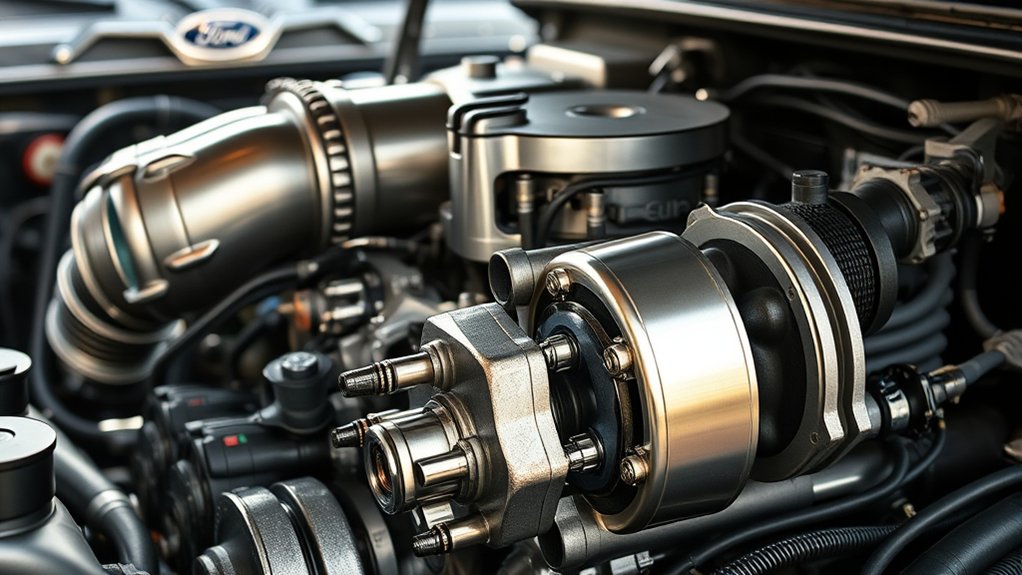
Whether the Ford 6.0 diesel is a good engine depends on how it’s used and how well it’s been maintained. You shouldn’t judge it by popular myths alone.
In stock form, it can deliver solid torque and acceptable fuel economy for a heavy-duty pickup, but neglect quickly exposes weak points. If you inspect maintenance records, monitor coolant condition, and confirm that previous repairs were done correctly, you can reduce risk.
You also need to understand that tuning, overheating, and poor fuel quality can shorten service life. For a well-documented truck, the engine may serve you reliably. For an abused example, repairs can outweigh any savings.
Ford 6.0 Diesel Strengths and Best Uses
The Ford 6.0 diesel’s main strengths are its strong low-end torque, quick throttle response, and solid towing performance when it’s kept in good condition. You get useful power delivery for hauling trailers, moving heavy equipment, and daily driving with frequent stop-and-go loads.
Among Ford 6.0 strengths, the engine’s responsive turbo behavior helps you merge, climb grades, and maintain speed without constant downshifts. Its best uses include work trucks, ranch trucks, and tow rigs that spend most of their time under moderate, controlled loads.
You’ll also appreciate its compatibility with heavy-duty chassis and transmission setups. If you want a diesel that feels lively and practical, and you maintain it properly, this engine can serve you well in demanding commercial or personal use.
Common Ford 6.0 Diesel Problems
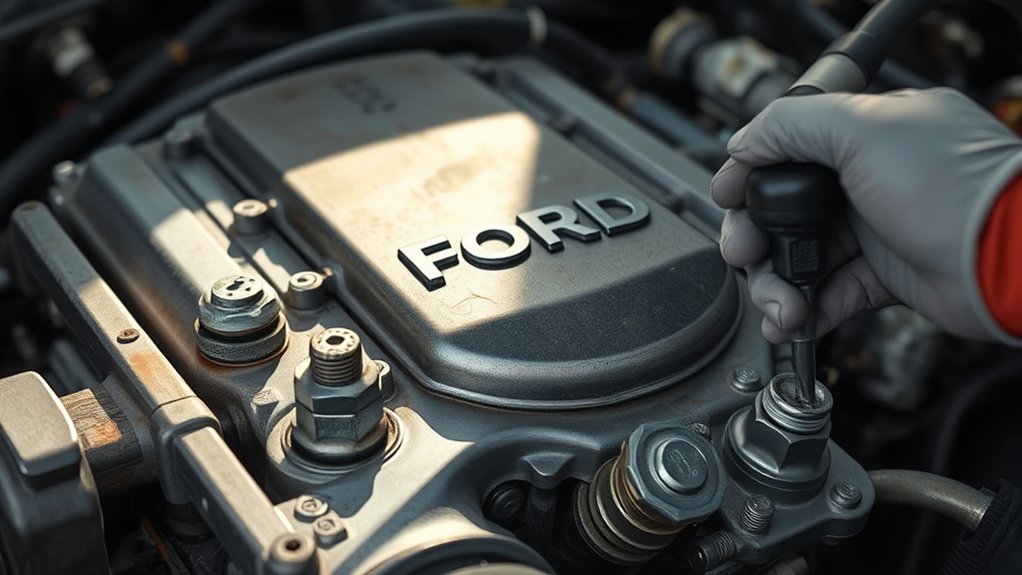
Even with its strong towing manners and responsive power, the Ford 6.0 diesel has a few well-known weak points you need to watch. You’ll see head gasket failures when boost and coolant pressure climb, and the EGR cooler can crack, send coolant into the exhaust, and trigger overheating.
The high-pressure oil system can leak at standpipes, dummy plugs, or injector seals, causing hard starts and no-starts. You may also face FICM voltage drops, which create rough running and injector issues.
That’s why is 6.0 notorious among buyers? Mostly because torque concerns, reliability myths, and mixed fuel economy reports get repeated without context. Inspect maintenance records, monitor coolant temps, and test the oil and charging systems before you buy.
How the 6.0 Performs Stock
From the factory, the Ford 6.0 Power Stroke delivers strong low-end torque, quick throttle response, and solid towing performance when it’s maintained correctly. You’ll notice it pulls hard off idle and holds boost well under load.
| Stock trait | Effect |
|---|---|
| Torque curve | Strong low-end pull |
| Throttle response | Snappy acceleration |
| Towing | Stable, capable output |
| Fuel delivery | Consistent power |
| Turbo system | Fast spool |
In daily use, it feels refined for a heavy-duty diesel. The calibration supports useful power, but unreliable emissions hardware can interrupt otherwise smooth operation.
If you keep up with maintenance, you can expect dependable service from the stock setup. The turbo responds quickly, though turbo failures can still occur if you ignore oil quality, heat management, or service intervals.
Why 6.0 Owners Have Mixed Opinions
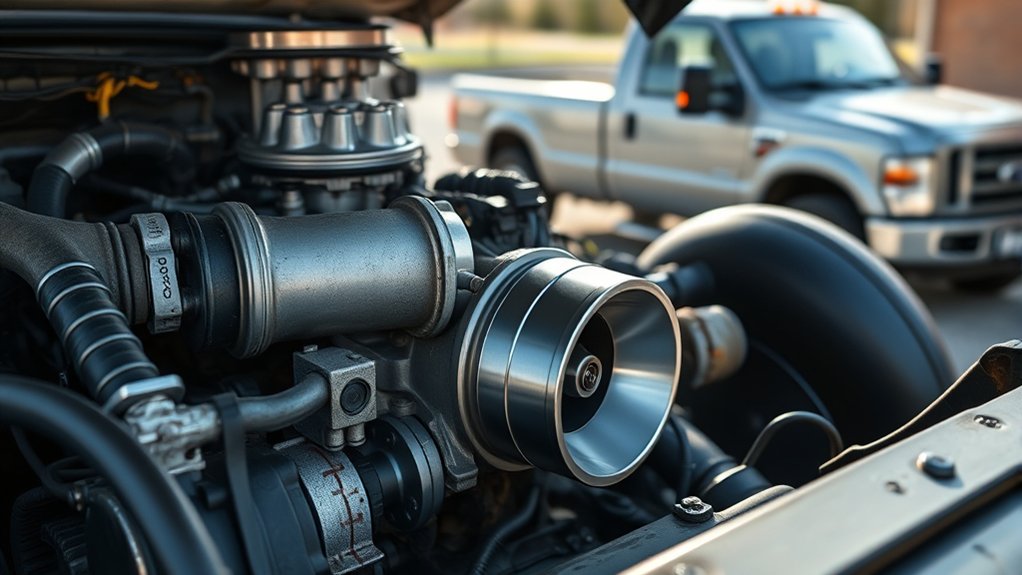
You’ll hear mixed opinions on the Ford 6.0 because its reliability depends heavily on maintenance history and prior repairs. When key components fail, the cost can climb fast, especially if you’re dealing with head gaskets, oil cooler issues, or EGR-related problems.
Even so, many owners stay loyal because a properly sorted 6.0 can run strong and deliver solid power.
Reliability Concerns
Why do opinions on the Ford 6.0 diesel vary so much? You’ll hear confidence from owners who keep up with inspections, and frustration from those who ignore early warning signs. Many reliability myths come from treating this engine like a low-maintenance gas truck.
In reality, you need disciplined service intervals, clean oil, quality filters, and accurate diagnostics. When you stay proactive, the engine can run consistently; when you don’t, minor issues can cascade into downtime and higher maintenance costs.
- Monitor coolant condition regularly.
- Verify sensor and EGR performance.
- Track oil quality and service history.
Your experience depends on how closely you manage heat, contamination, and system health. The 6.0 rewards attention, but it punishes neglect quickly.
Costly Repairs
Costly repairs are a major reason the Ford 6.0 diesel divides owners, because one neglected component can trigger a chain of expensive failures. You may face injector replacement, EGR cooler damage, head gasket leaks, or high-pressure oil system faults, and each repair can quickly exceed a normal budget.
When you ignore early symptoms like hard starts, coolant loss, or rough idle, labor time rises and parts costs stack up. Diagnostic work also isn’t cheap, since technicians often need pressure tests, scan data, and teardown inspection to isolate the fault.
That’s why the engine earns mixed opinions: you can keep it dependable, but only if you stay ahead of maintenance and repair issues before they spread.
Loyal Enthusiasts
Even so, the Ford 6.0 diesel still has a loyal following because many owners value its strong power potential, solid towing performance, and responsiveness once the known weak points are addressed. You may like it if you want a truck that feels lively after tuning and careful service.
Your opinion often depends on how much drivetrain maintenance you’re willing to do and how well you manage the emissions systems.
- You get strong torque when the engine runs correctly.
- You need preventive repairs to avoid downtime.
- You’ll tolerate complexity if you value capability.
Some owners call it unreliable; others see a durable platform with manageable risks. If you stay ahead of cooling, oil, and fuel issues, the engine can reward you with dependable work-truck performance and real pulling strength.
Best Upgrades for Reliability and Towing
If you want a 6.0 Power Stroke to live longer and tow harder, focus first on the parts that directly reduce heat and stress. A coolant filtration kit, upgraded EGR cooler, and improved oil cooler help you control temperatures under load.
Pair those with a quality exhaust and conservative aftermarket tuning, and you’ll cut cylinder pressure and EGTs. Keep the upstream fuel path clean with a good filter and inspect supply restrictions so the injectors aren’t starved during long pulls.
| Upgrade | Benefit |
|---|---|
| Coolant filtration | Removes debris |
| Oil cooler | Lowers heat |
| EGR cooler | Improves durability |
| Tuning | Reduces stress |
For towing, these upgrades work together, so you get steadier power, better thermal margin, and fewer surprises on steep grades.
What to Check Before Buying a 6.0 Power Stroke
When you inspect a 6.0 Power Stroke, start with the service history to confirm regular oil changes, coolant maintenance, and prior repairs. Then check for head gasket leaks, coolant loss, and combustion pressure signs, since these engines can fail there under boost.
You should also evaluate the EGR system for clogging, excessive soot, and prior delete or replacement work.
Service History Check
Before you buy a 6.0 Power Stroke, review the service history carefully and look for evidence of the common repairs these engines need. You should verify dates, mileage, and shop invoices, not just seller claims. A clean service history tells you how the truck was treated and whether maintenance habits were consistent.
- Check oil change intervals and filter replacements.
- Confirm coolant, fuel, and transmission service records.
- Look for documented updates to the EGR, turbo, and injectors.
You want proof that fluid changes happened on schedule and that repairs used quality parts. Gaps in records can signal deferred maintenance, overheating, or poor diagnostics. If the paperwork looks incomplete, assume the truck may need catch-up work and price it accordingly.
Head Gasket Inspection
A head gasket check is critical on a 6.0 Power Stroke, because overheating, coolant loss, or prior stud work can point to sealing problems that aren’t obvious at idle. During a head gasket inspection, look for degas bottle pressure, exhaust bubbles in the coolant, dried residue around the bottle cap, and evidence of combustion leakage at cold start.
You should also review the service history check for repeated cooling repairs, head bolt replacement, or coolant flushes that suggest previous failure. Inspect oil for milkiness and coolant for oily sheen, then confirm the engine holds pressure after shutdown.
If you find unexplained coolant loss, hard-start behavior, or uneven compression, assume the gasket may be compromised and budget for a proper repair before you buy.
EGR System Condition
Next, inspect the EGR system, since the 6.0 Power Stroke’s cooler and valve are common failure points that can trigger overheating, coolant loss, white smoke, and rough running. You should verify EGR reliability by checking coolant level, pressure testing the system, and scanning for fault codes.
Pull the oil fill cap and look for sludge, then inspect the coolant reservoir for soot or oil contamination. Watch for exhaust leaks, stuck valves, or a failed cooler that raises EGTs.
- Check for pressure buildup in the cooling system.
- Confirm the EGR valve opens and closes properly.
- Review service records for emissions systems repairs.
If the truck has delete parts, make sure they were installed correctly and meet your local requirements.
Is the Ford 6.0 Diesel Worth It for You?
Whether the Ford 6.0 diesel is worth it depends on how you’ll use it and how much maintenance you’re willing to handle. If you tow regularly, want strong torque, and can inspect the cooling, oil, and fuel systems, it can be a solid choice.
You’ll get manageable fuel costs for a heavy-duty truck, plus strong aftermarket support for upgrades and repairs. But if you want low-risk ownership with minimal downtime, you may prefer a newer diesel or a gas engine.
The 6.0 rewards you when you stay ahead of common issues like EGR failure, oil leaks, and injector wear. Buy one only if service records are complete, diagnostics look clean, and you’ve budgeted for preventive work.
Frequently Asked Questions
How Often Should the 6.0 Power Stroke Oil Be Changed?
You should change your 6.0 Power Stroke oil every 5,000 miles, or sooner under heavy towing.
Regular oil change intervals help fuel system longevity, biodiesel compatibility, head stud costs, and transmission pairing concerns.
What Year Ford 6.0 Diesel Is Most Reliable?
The 2006 Ford 6.0 diesel’s usually your most reliable pick; you’ll dodge many reliability myths if you verify maintenance cost and service records.
An ounce of prevention saves trouble, so inspect coolant, EGR, and head studs.
Can the 6.0 Diesel Run on Biodiesel?
Yes, you can run biodiesel in a 6.0 diesel if you verify biodiesel compatibility and watch oil change frequency closely.
You’ll need clean fuel, proper filtration, and frequent fuel-system inspections to avoid injector and seal issues.
How Much Does a 6.0 Head Stud Upgrade Cost?
Head stud upgrades typically cost you $1,000–$2,500, plus labor. Need stronger clamping for your head gasket? You’ll often spend more if you want better fuel economy under load, because installation’s labor-intensive.
What Transmission Pairs Best With the Ford 6.0 Diesel?
You’ll get the best transmission pairing with a built 5R110 TorqShift; it handles torque, shifting, and reliability questions better than most automatics.
If you tow hard, it’s your most practical, durable choice.
Conclusion
If you keep up with maintenance, the Ford 6.0 diesel can be a solid engine for you, especially for towing and low-end torque. But if you skip oil changes, ignore EGR issues, or buy one with poor records, you may end up with expensive repairs.
For example, a well-maintained fleet truck can run reliably for years, while a neglected one may need head gaskets and injectors. Choose carefully, and inspect it thoroughly.
In conclusion, the Ford 6.0 diesel can be a good engine if properly cared for and maintained.


