Is Ford Escape a Reliable Car
As an Amazon Associate we earn from qualifying purchases.
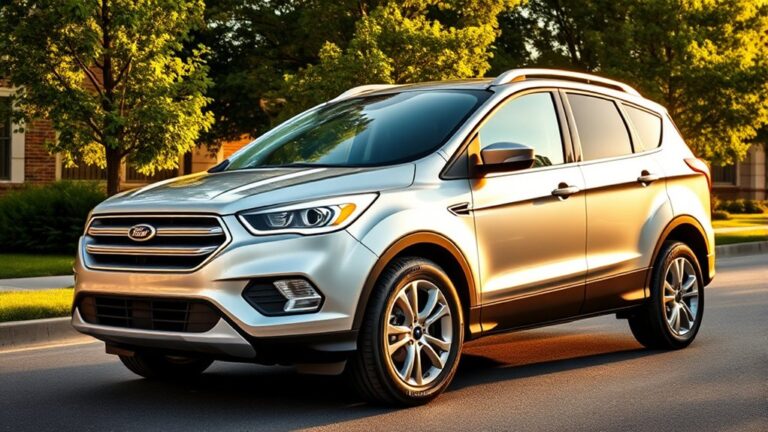
If you’ve seen a Ford Escape that’s still running smoothly after 150,000 miles, it’s a bit like finding a bridge that’s held up through years of traffic.
The Ford Escape can be a reliable car, but its dependability varies greatly depending on the model year and maintenance.
You can expect a decent compact SUV, but reliability depends heavily on the model year, service history, and how well you handle known issues like transmission, electrical, and cooling problems.
The details behind the best and worst versions matter more than the badge. Paying attention to these factors can make a significant difference in your experience with the Ford Escape.
Key Takeaways
- The Ford Escape is generally reliable, but dependability varies by model year and maintenance history.
- Well-kept 2017–2019 models and some 2014–2016 models are often the safest used buys.
- Older Escapes may have transmission, electrical, coolant leak, or suspension issues.
- The naturally aspirated 2.5L engine is usually the most durable; EcoBoost engines need more care.
- Regular service can help an Escape last 150,000–200,000+ miles with fewer major repairs.
Is the Ford Escape Reliable?
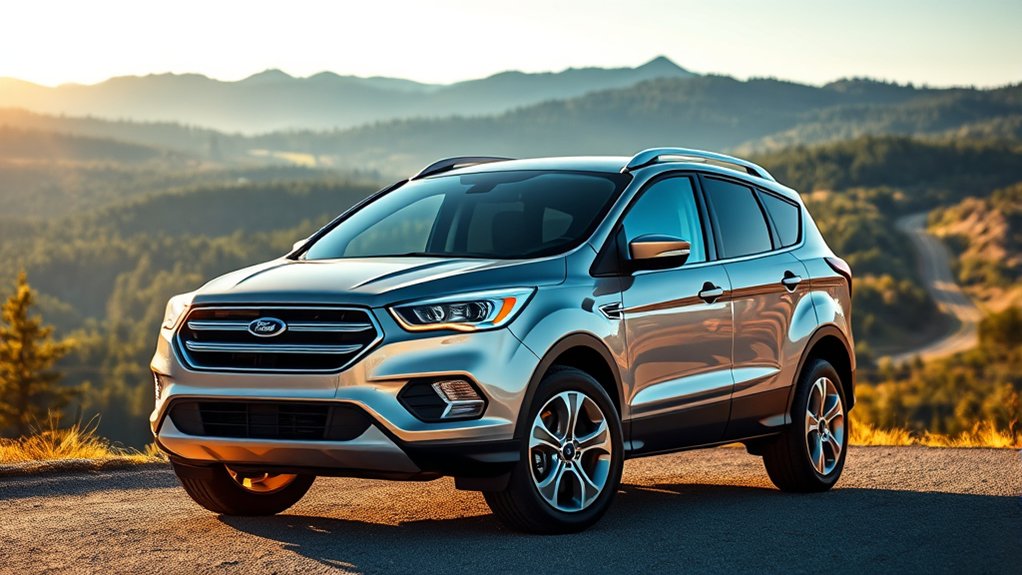
Yes, the Ford Escape is generally considered a reliable compact SUV, but its dependability can vary by model year, engine, and maintenance history. You can expect solid everyday transportation if you stay current on oil changes, fluid checks, and scheduled inspections.
Many owners report dependable performance when they address small issues early and avoid neglecting routine care. Your experience may also depend on how you drive and whether the vehicle has a clean service record.
Reliability discussions should stay focused on ownership factors, not an unrelated topic or irrelevant discussion. Overall, the Escape can be a practical choice if you want a compact SUV with decent durability, but you should still review maintenance records and inspect the vehicle carefully before buying.
Which Ford Escape Years Are Most Reliable?
Some Ford Escape model years have a stronger reliability record than others, so it pays to narrow your search by generation and maintenance history. You’ll usually get the most dependable results from well-kept 2017–2019 models, along with many late second-generation years like 2014 and 2016.
These years benefit from refinements made after earlier redesigns, and owners often report steadier long-term performance. You should still verify service records, because maintenance habits matter more than mileage alone.
Regular oil changes, fluid checks, and timely repairs help preserve reliability. Don’t rely on reliability myths that treat every Escape year the same; condition and upkeep change the picture. If you compare trims carefully and inspect documentation, you can focus on the years that have earned the strongest reputation.
What Problems Do Ford Escapes Have?
When you look at Ford Escape problems, transmission troubles often stand out because they can cause harsh shifting, hesitation, or loss of power.
You may also notice engine stalling issues, which can happen at idle or while driving and create obvious safety concerns. Electrical system faults can add to the frustration by affecting warning lights, accessories, and other vehicle functions.
Transmission Troubles
Transmission problems are among the most common complaints about Ford Escapes, especially in older models and some years with known reliability issues. You may notice delayed shifting, harsh gear changes, or slipping that points to reduced transmission reliability. These symptoms often come from mechanical wear inside the transmission, low fluid quality, or electronic control faults.
If you’re evaluating an Escape, pay close attention during a test drive and service review.
- Check for shuddering during acceleration.
- Look for delayed engagement when shifting into drive or reverse.
- Review maintenance records for fluid changes and repairs.
Catching these signs early can help you judge whether a specific Escape has manageable wear or a costly transmission problem.
Engine Stalling Issues
Engine stalling is another Ford Escape issue that can affect drivability and safety, especially in models with fuel, ignition, or sensor-related faults. You may notice the engine die at idle, while slowing, or after a hard start, which can leave you stranded in traffic.
This problem often appears in the reliability debate because it disrupts normal use and can be hard to reproduce.
| Symptom | Possible trigger | Impact |
|---|---|---|
| Idle stall | Air or fuel imbalance | Rough stops |
| Sudden cutout | Sensor input error | Loss of power |
| Restart hesitation | Fuel delivery issue | Delayed driving |
If you’re evaluating a used Escape, ask for repair records and test-drive it until fully warm to see whether engine stalling returns.
Electrical System Faults
Electrical faults are another area where Ford Escape reliability can vary, and they can show up as warning lights, dead batteries, faulty sensors, infotainment glitches, or intermittent power-accessory failures. You may notice these electrical faults first as hard starts, dim lights, or modules that stop communicating with the car’s systems.
A weak battery, corroded terminals, or a failing alternator can trigger repeated resets and make battery replacement seem like only a temporary fix.
- Check battery age and charging performance regularly
- Inspect fuses, wiring, and ground connections
- Scan for stored diagnostic trouble codes
If you ignore these signs, you could face unpredictable behavior and extra repair costs. Careful testing helps you separate a simple battery replacement from a deeper electrical problem.
Which Ford Escape Engines Are Most Reliable?
If you’re comparing Ford Escape powertrains for long-term dependability, the most reliable choices are generally the simpler, naturally aspirated engines, especially the 2.5L four-cylinder used in earlier model years. You’ll usually find better engine durability here because it avoids turbocharger stress and complex boost-related components.
This setup also delivers predictable fuel economy without adding too much mechanical complexity. The 1.5L and 2.0L EcoBoost engines can perform well, but they rely on more parts that may demand closer maintenance.
If you want the safest bet, focus on trims with the 2.5L or, in newer models, a well-maintained hybrid powertrain. You should still check service records, because regular oil changes and cooling-system care matter more than mileage alone.
How Long Does a Ford Escape Last?
A Ford Escape can last well past 150,000 miles, and many well-maintained examples reach 200,000 miles or more. You can extend its life by following the service schedule, driving gently, and fixing small issues early.
Reliability myths often suggest that every compact SUV wears out quickly, but real-world results depend more on upkeep and driving habits than on the badge.
Reliability myths fade when upkeep and driving habits matter more than the badge.
- Consistent oil changes help protect the engine.
- Timely brake, tire, and fluid service reduces wear.
- Quality repairs can keep aging parts working longer.
When you compare ownership over time, maintenance costs matter because neglected vehicles age faster and may fail sooner. If you want a longer-lasting Escape, treat warning lights seriously and stay current on inspections.
What Does It Cost to Maintain a Ford Escape?
Maintaining a Ford Escape usually means paying for routine service like oil changes, tire rotations, brake inspections, and fluid replacements on a regular schedule.
You can also expect common repair costs over time, such as work on the brakes, battery, suspension, or cooling system, depending on the model year and mileage. Your total maintenance cost will depend on how well you keep up with service and how often parts need replacement.
Routine Service Costs
Routine service costs for a Ford Escape are generally moderate, but they can vary based on model year, engine choice, mileage, and where you have the work done. You’ll usually spend on oil changes, tire rotations, brake inspections, and fluid checks. These jobs help you keep the SUV efficient and comfortable.
If you compare dealerships, independent shops, and DIY care, you can find budget options that fit your driving habits and preserve interior comfort by keeping systems clean and operating smoothly.
- Oil and filter service: usually the most frequent expense
- Tire rotation and alignment checks: help maintain even wear
- Multi-point inspections: catch issues early and support reliability
Planning ahead lets you spread costs across the year and avoid surprises.
Common Repair Expenses
Even with steady routine service, Ford Escape owners should budget for common repair expenses that can show up as the vehicle ages. You may face brake pad and rotor replacement, battery changes, tire wear, coolant leaks, and suspension parts like struts or control arms.
Older models can also need transmission-related work, ignition components, or sensor repairs, especially if prior maintenance was skipped. These jobs can push your maintenance costs above average in some years, even when the Escape’s reliability ratings are solid overall.
Labor rates and parts prices vary by model year and engine, so you should compare estimates before authorizing work. If you track repairs early, you can often limit bigger bills and keep the vehicle dependable longer.
What Do Ford Escape Owners Say?
Ford Escape owners tend to give the SUV mixed but generally practical feedback. You’ll often hear praise for its comfortable ride, easy maneuvering, and useful fuel economy, while Ford Escape reliability opinions vary by model year and maintenance history.
Many owners report that routine service keeps the vehicle dependable, but they also note occasional electrical, transmission, or sensor issues that can affect confidence over time. This owner feedback usually points to a vehicle that suits everyday commuting more than heavy-duty use.
- Comfortable cabin and user-friendly controls
- Good efficiency for city and highway driving
- Reliability concerns tied to specific components
If you’re judging long-term value, you should weigh maintenance records, repair trends, and how consistently previous owners describe their experience.
Which Ford Escape Should You Buy?
Which Ford Escape should you buy depends mostly on how you plan to use it and which model year fits your budget. If you want the best value, you should compare reliability records, mileage, and maintenance history before choosing.
Newer models often give you better safety tech, while older ones can save money if they’ve been well maintained. Focus on which trims add the features you’ll actually use, such as all-wheel drive, driver aids, or a more efficient engine.
| Trim | Best For | Note |
|---|---|---|
| S | Budget buyers | Basic equipment |
| SE | Balanced value | Good feature mix |
| Titanium | Comfort seekers | More upscale options |
You should also check service costs and warranty coverage.
Frequently Asked Questions
Does the Ford Escape Hold Its Resale Value Well?
The Ford Escape usually holds decent resale value, but you’ll see stronger prices if you avoid reliability concerns and keep maintenance records.
Compared with top rivals, its resale value is average, not exceptional.
Is the Ford Escape Good in Snow?
Yes if you choose all-wheel drive and proper tires, you’ll handle snowy roads well. Like a sure-footed mountain goat, it climbs through slush confidently; still, your snow handling depends heavily on tire choice and traction settings.
How Fuel Efficient Is the Ford Escape?
The Ford Escape’s fuel economy varies by trim, but you’ll usually get solid mileage for an SUV. Smaller engines boost engine performance and efficiency, while hybrids deliver the best fuel economy, especially in city driving.
Does the Ford Escape Require Premium Gas?
No, you usually don’t need premium gas in your Ford Escape. You can use regular fuel quality, and the engine performance should remain normal unless your owner’s manual specifically recommends higher octane for your trim.
Is the Ford Escape Comfortable for Tall Drivers?
Yes, you’ll likely find the Ford Escape comfortable for tall drivers, with comfortable seating and decent headroom, but try the driver’s seat first. Small details matter. Its resale value and efficiency stay competitive too.
Conclusion
In short, you can count on a Ford Escape to be a reliable compact SUV if you choose carefully and keep up with maintenance. Some model years and engines hold up better than others, so checking service records matters.
One useful stat: well-maintained Escapes can often last 200,000 miles or more. If you want strong value, focus on newer, refined trims or older examples with clean histories and prompt repairs.
Overall, the Ford Escape can be a reliable car when selected thoughtfully and properly maintained.


