Is Ford Edge Bigger Than Ford Escape
As an Amazon Associate we earn from qualifying purchases.
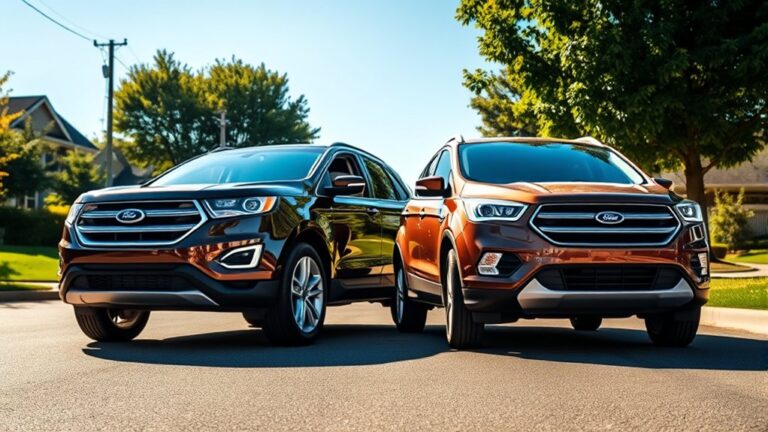
If you’re wondering whether the Ford Edge is bigger than the Ford Escape, the answer is yes, but the details matter.
You get more rear-seat space, a larger cargo area, and a broader cabin in the Edge.
Meanwhile, the Escape stays smaller and easier to handle in tight spaces.
That size gap also affects ride feel, performance, and efficiency in ways you may not expect.
So, while the Edge offers more room and comfort, the Escape provides greater maneuverability and potentially better fuel economy.
Choosing between them depends on what you prioritize most in a vehicle.
Key Takeaways
- Yes, the Ford Edge is bigger than the Ford Escape in overall size.
- The Edge offers more rear-seat room and a roomier cabin.
- The Edge has a larger cargo area and wider load opening.
- The Escape is smaller, lighter, and easier to maneuver in cities.
- The Edge also feels more stable on highways and better for family trips.
Is the Ford Edge Bigger Than the Ford Escape?
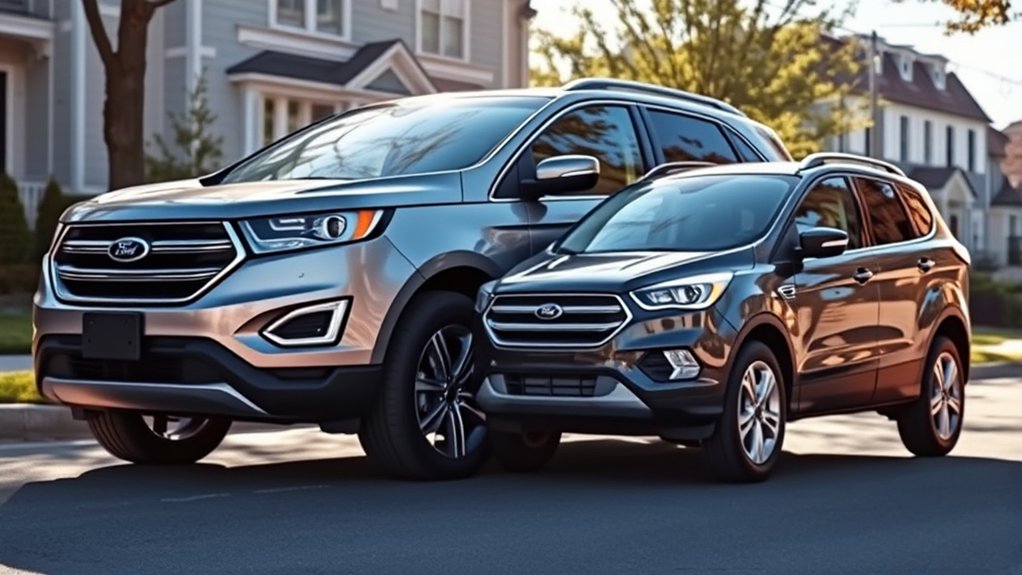
Yes, the Ford Edge is bigger than the Ford Escape in overall size, and you’ll notice that difference in both passenger room and cargo space. You get a midsize SUV with a wider cabin, a longer body, and a more substantial road presence, while the Escape stays more compact and easier to place in tight spots.
If you compare seating, the Edge generally gives you more stretch-out comfort, especially in the rear. You’ll also see differences in interior aesthetics, since the Edge often feels roomier and more upscale by design.
Both models can offer similar warranty coverage, so that factor doesn’t usually determine size choice. If you want more space and a larger feel, the Edge clearly sits above the Escape.
How the Edge and Escape Compare in Size
You’ll notice the Ford Edge is the larger vehicle overall, with a longer wheelbase, greater length, and more width than the Ford Escape. That extra size gives you a roomier cabin, especially in rear-seat and cargo space.
The Escape stays smaller and easier to maneuver, but the Edge offers the more spacious layout.
Overall Dimensions
When you compare the Ford Edge and Ford Escape side by side, the Edge is the larger SUV in nearly every key dimension. You’ll notice its longer body, wider stance, and taller profile, which give it more road presence.
The Escape stays more compact, so it’s easier to place in tight spaces.
| Dimension | Edge vs. Escape |
|---|---|
| Length | Edge is longer |
| Width | Edge is wider |
| Height | Edge is taller |
| Wheelbase | Edge is longer |
These differences shape how each SUV feels on the road. For two word discussion ideas, think “size comparison” or “vehicle proportions.”
An unrelated topic would be fuel economy, which doesn’t change the basic exterior sizing.
Interior Space
Inside, the Ford Edge gives you more room to stretch out than the Ford Escape. You’ll notice this most in the rear seat, where the Edge offers greater legroom and shoulder room, making long trips feel less cramped.
Up front, both SUVs provide supportive seating and clear sightlines, but the Edge’s cabin layout feels a bit broader and more open. The Escape still works well for daily driving, and its compact footprint makes parking easier, yet its smaller interior limits passenger comfort compared with the Edge.
If you value edge ergonomics, you’ll likely prefer the Edge’s easier reach to controls and roomier feel. If you care more about escape aesthetics, the Escape delivers a sleeker, tighter cabin, though it sacrifices space.
Edge Passenger Space
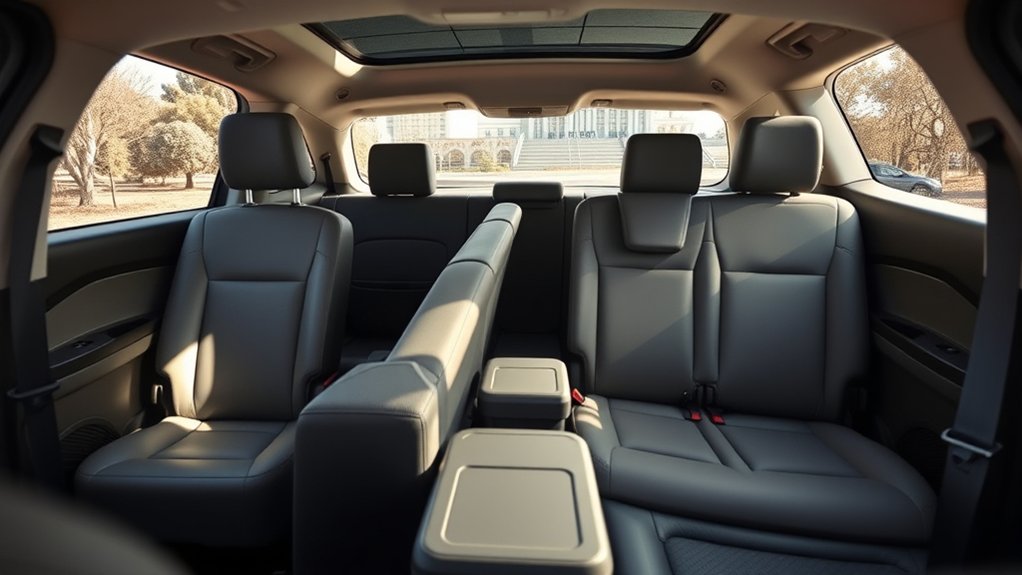
When you compare the Ford Edge’s passenger space with the Escape’s, you’ll notice more generous front-row legroom that can make long drives feel less cramped. You’ll also find that the Edge’s second row usually offers a roomier, more comfortable fit for adults, which can matter if you carry rear passengers often.
Beyond seating, its cargo area adds useful versatility, giving you more flexibility for groceries, gear, or larger items.
Front Row Legroom
Up front, the Ford Edge gives you more breathing room than the Ford Escape, especially if you care about driver and passenger legroom on longer drives. In this front row space legroom comparison, you’ll notice the Edge’s cabin feels wider and less restrictive at the knees.
The Escape still fits adults well, but it prioritizes compact packaging over extra stretch-out room.
| Model | Front legroom | Feel |
|---|---|---|
| Ford Edge | More generous | Open |
| Ford Escape | Less generous | Tighter |
| Difference | Edge leads | Noticeable |
If you’re tall or often adjust your seat back, the Edge gives you a clearer advantage. The Escape remains practical, yet the Edge makes daily commuting and highway travel feel less cramped without sacrificing control.
Second Row Comfort
The Ford Edge also gives rear passengers more room to settle in, with a second row that feels particularly more spacious than the Ford Escape’s. You’ll notice the extra width right away, and that makes second row comfort easier on longer trips.
Your knees get more space, and the seat base sits in a way that supports a more relaxed posture. The interior layout also helps, since the cabin feels open rather than tightly packaged.
Compared with the Escape, the Edge gives you a less cramped rear bench and a more comfortable place to ride with adults. If you often carry passengers in back, you’ll likely appreciate the Edge’s added room and easier entry, even though both SUVs keep their focus on practical everyday use.
Cargo Area Versatility
Cargo space is another area where the Ford Edge gives you more flexibility than the Ford Escape. You get a wider, flatter load floor, so you can fit bulkier items with less hassle.
The Edge also lets you use its passenger space more efficiently when you fold seats, which helps on road trips or home projects.
| Model | Cargo Use | Advantage |
|---|---|---|
| Edge | Wider opening | Easier loading |
| Escape | Smaller footprint | Easier parking |
| Edge | More usable volume | Better versatility |
| Escape | Lower escape pricing | Lower entry cost |
If you value edge reliability and room to adapt, the Edge feels more capable. If your priorities lean toward city use and lower escape pricing, the Escape remains practical.
Escape Passenger Space
When you step inside the Ford Escape, you’ll find a cabin designed to make the most of its footprint, with seating for five and a layout that feels roomy for a compact SUV. Up front, you get supportive seats and clear sightlines, and the escape ergonomics help you settle in quickly.
Compared with the Ford Edge, the Escape feels tighter overall, but it still gives you practical shoulder room and enough legroom for daily driving. In the second row, you can fit adults for shorter trips, though the edge interior usually feels airier and more accommodating for taller passengers.
If you value a compact SUV that maximizes usable space without growing bulky, the Escape delivers a balanced passenger package.
Edge Cargo Room
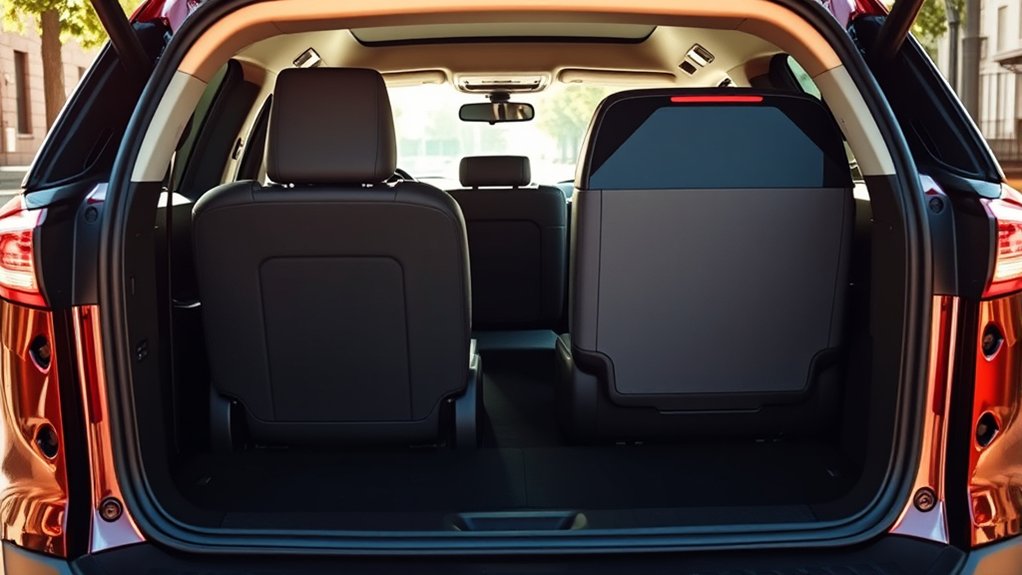
If passenger comfort matters, the Ford Edge also gives you more room to work with behind the second row. You’ll notice its edge dimensions create a wider, taller load area that can handle bulkier items with less fuss.
Compared with the Escape, the Edge gives you a roomier cargo bay, so you can stack bags, boxes, and gear with fewer compromises. The flatter floor and broader opening improve cargo versatility, especially when you need to load irregular shapes or keep luggage organized.
You also get more usable space with the rear seats folded, which helps when you’re moving larger items. If you want a midsize SUV that prioritizes practical hauling, the Edge delivers a clear advantage in everyday utility.
Escape Cargo Room
The Ford Escape still offers useful cargo space for a compact SUV, and it can handle everyday errands with ease. You get a practical rear area that fits groceries, sports gear, and luggage without much fuss.
Compared with Ford Edge cargo room, the Escape gives you less total volume, but its smaller footprint can make loading simpler in tight parking spaces. A cargo redesign in recent models improved access and created a flatter load floor, which helps you stack items more efficiently.
When you fold the rear seats, you gain more versatility for bulky objects, though not as much room as in the larger Edge. If you value easy access and efficient packaging over maximum capacity, the Escape works well.
Edge vs. Escape Performance
Cargo space matters, but performance often decides how a compact SUV feels in daily driving. You’ll notice that Edge performance is generally stronger, with available turbocharged power that delivers quicker acceleration and more relaxed highway passing.
The Escape, by comparison, feels lighter and more nimble, so its escape handling can seem easier in city traffic and tighter parking lots. You get a more substantial ride in the Edge, which can feel steadier on rough roads, while the Escape responds with a sharper, more agile character.
If you value composed power and a bigger-suv feel, the Edge stands out. If you prefer easier steering and a more compact driving experience, the Escape offers that with less effort and more confidence.
Edge vs. Escape Fuel Economy
Fuel economy is one area where the Escape usually has the advantage, thanks to its smaller size and lighter weight. These factors help it use less fuel in everyday driving. When you compare the two, you’ll notice that the Edge often trades efficiency for extra power and space.
| SUV | Typical Efficiency | Note |
|---|---|---|
| Escape | Higher | Best for lower running costs |
| Edge | Lower | More mass affects mileage |
| Escape Hybrid | Highest | Strong city results |
| Edge AWD | Lower still | AWD can reduce mpg |
| Your choice | Depends | Balance efficiency and needs |
If your main question is fuel economy, the Escape makes sense. If you also care about towing capacity, the Edge can offer more capability, but that usually comes with more fuel use.
Which Ford SUV Is Right for You?
Which Ford SUV fits you best depends on how you plan to use it. If you want easier parking, lower running costs, and enough space for daily errands, the Escape usually makes more sense. If you need more rear-seat room, a larger cargo area, and a steadier highway feel, the Edge is the stronger pick.
Choose Escape for easy city driving; choose Edge for more room, comfort, and highway stability.
Your choice comes down to size tradeoffs, comfort needs, and budget priorities.
- Choose Escape for city driving and leaner ownership.
- Choose Edge for family travel and extra versatility.
- Compare seating room, cargo space, and towing needs before deciding.
In a practical vehicle match discussion, you should weigh how often you carry passengers, how much gear you haul, and whether a compact or midsize SUV better fits your routine.
Frequently Asked Questions
Which Ford SUV Has a Higher Towing Capacity?
You’ll get higher towing capacity from the Ford Edge, especially with the tow package, while the Escape usually trails it. For your two word discussion ideas, towing capacity comparisons favor the Edge for heavier loads.
Does the Edge Offer All-Wheel Drive?
Yes, you can get all-wheel drive on the Edge; its edge size and passenger space feel substantial, and you’ll notice confident traction as the road turns slick, compared with many two-row SUVs.
Is the Escape Easier to Park in Tight Spaces?
Yes, the Escape is usually easier to park in tight spaces because you get better compact maneuverability and parking is easier with its smaller footprint. You’ll find it simpler to navigate, turn, and fit into cramped spots.
Which Model Has Better Safety Technology?
You’ll usually get more advanced safety tech in the Edge, with stronger edge safety features and more tech upgrades. The Escape still offers solid driver aids, but the Edge often includes richer available systems.
How Much Do the Edge and Escape Cost?
You’ll typically pay about $29,000 for an Escape and $39,000 for an Edge; that roughly $10,000 gap reflects pricing comparisons and larger interior dimensions.
You can compare trims and options to narrow your budget.
Conclusion
So, yes—the Ford Edge is bigger than the Ford Escape, which is about as surprising as noticing a couch has more room than a dining chair. You get more passenger space, a larger cargo area, and a roomier cabin in the Edge, while the Escape keeps things compact and easier to park.
If you want space and stability, you’ll like the Edge; if you want nimble city driving, you’ll probably prefer the Escape. Ultimately, if size matters to you, the Ford Edge is the bigger option compared to the Ford Escape.


