Is Ford Discontinuing the Escape
As an Amazon Associate we earn from qualifying purchases.
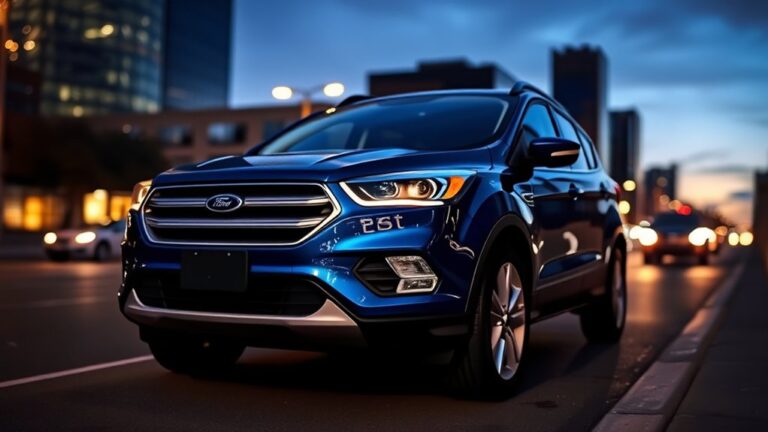
You probably don’t know that Ford Escape isn’t being discontinued, as Ford hasn’t issued a formal statement saying so. Instead, the SUV still shows ongoing production, trim changes, and dealer-level availability that vary by region.
That points to a model in transition, not an exit. The real question is whether Ford is managing the Escape with gradual updates, or setting up something bigger for its compact SUV lineup.
Key Takeaways
- Ford is not discontinuing the Escape; it remains in production with ongoing retail availability.
- Rumors came from plant retooling, EV investment shifts, and slower sales being misread as an exit signal.
- Ford has not announced any formal shutdown or end to the Escape nameplate.
- Pricing, incentives, and dealer stock vary by region, showing market management rather than discontinuation.
- Escape is still Ford’s compact, high-volume SUV, with possible future updates instead of a full replacement.
Is Ford Discontinuing the Escape?
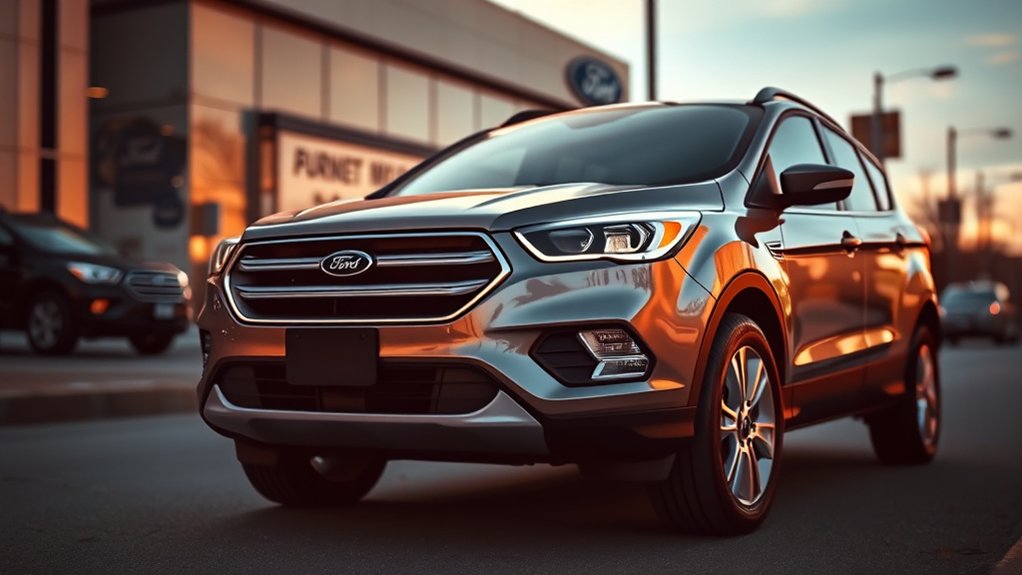
No, Ford is not currently discontinuing the Escape. You can treat it as a live model in Ford’s lineup, supported by ongoing production, trim updates, and retail availability.
No, Ford is not discontinuing the Escape; it remains a live model with ongoing production and retail availability.
Current market signals suggest Ford is managing demand through its pricing strategy rather than preparing an exit. You’ll also see dealer incentives used to keep inventory moving and maintain competitive transaction prices against compact SUVs from Toyota, Honda, and Hyundai.
That approach indicates brand-level optimization, not discontinuation. If you’re shopping, you should compare local stock, lease offers, and regional discounts, because availability can vary by dealer and trim.
The evidence points to continuation, with Ford adjusting mix and incentives to protect volume, margin, and segment share.
Why Escape Discontinuation Rumors Started
Even though the Escape is still in Ford’s lineup, the rumor mill got going because several real business signals were easy to misread. You can trace the rumor origins to plant retooling, shifting EV investment, and broader SUV portfolio changes, all of which looked like exit clues in isolation.
When automakers reallocate capacity or update model-year schedules, you often see speculation before the full context emerges. Media coverage amplified that effect, because headlines tend to compress complex manufacturing decisions into simple discontinuation narratives.
You also saw confusion from sales data: the Escape’s volumes have softened versus peak years, which can make a mainstream model seem vulnerable. Put together, these signals created a plausible story, even without proof that Ford planned to end the nameplate.
What Ford Has Said About the Escape
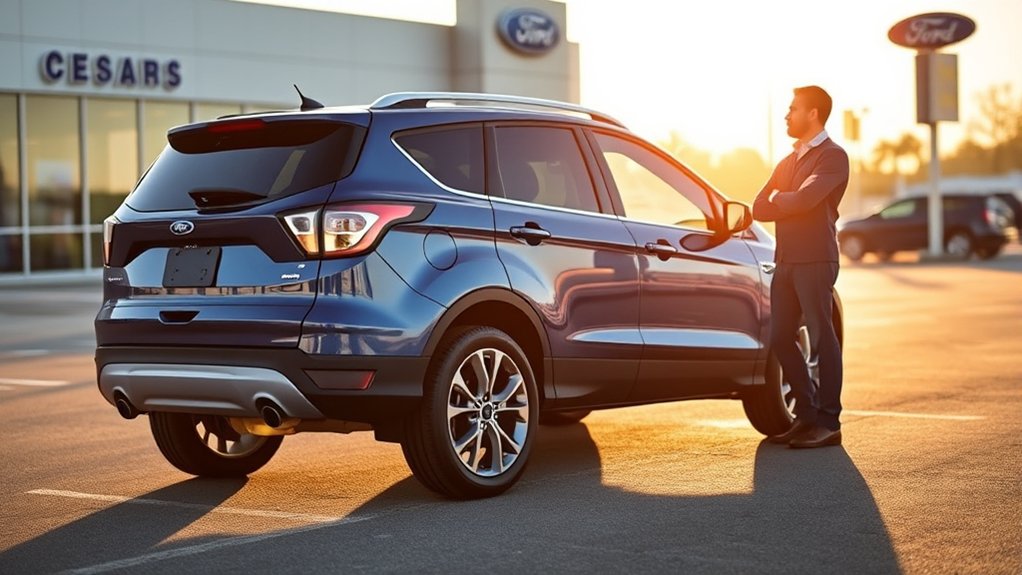
Ford has not announced that it’s discontinuing the Escape, and that’s the key point to separate from the rumors. If you track Ford’s public comments, you’ll see no formal statement confirming a shutdown.
Instead, the company has focused on routine product updates, sales execution, and market positioning. You can read that as a signal that Ford still treats the Escape as an active nameplate.
From a pricing strategy standpoint, Ford’s actions matter more than speculation: if a model were ending soon, you’d usually expect sharper clearance behavior and reduced long-term messaging. Dealer incentives also help you gauge intent, because manufacturers often use them to move inventory while keeping the model in market.
How Does the Escape Fit Ford’s SUV Lineup?
You can view the Escape as Ford’s compact, high-volume SUV that sits below larger models like the Edge, Explorer, and Expedition. It gives you a lower starting price, smaller footprint, and stronger efficiency focus than Ford’s mid-size and full-size SUVs.
If you compare the lineup by size, price, and utility, the Escape fills the entry-level mainstream role.
Escape’s Role In Ford’s SUV Range
How does the Escape fit into Ford’s SUV lineup? You can view it as Ford’s compact-volume model, positioned to serve buyers who need efficient space without moving up to a larger SUV. Its role stays central because it supports everyday commuting, family hauling, and fuel-conscious use cases.
Escape performance gives you balanced output for urban driving and highway travel, while Escape pricing keeps the model accessible within Ford’s SUV range. That pricing also helps you compare it against higher-trim Ford options without leaving the brand.
In practical terms, you get a mainstream entry point with broad appeal, solid feature availability, and flexible packaging. Ford uses the Escape to capture demand from shoppers who want a usable SUV with moderate operating costs and straightforward ownership priorities.
Comparison With Other Ford SUVs
Compared with Ford’s other SUVs, the Escape sits in the middle of the lineup as a compact, high-volume option that balances price, efficiency, and daily usability. You get more interior flexibility than a Bronco Sport, while giving up some off-road hardware.
Compared with the Edge, it’s smaller and typically less expensive, but it also offers easier parking and stronger fuel-economy focus. Against the Explorer, you’ll see a clear size gap: the Escape targets commuter and family needs, not three-row capacity.
Against the Expedition, the difference is even larger, since Ford uses that model for maximum space and towing. That placement helps explain discontinuation myths and model year rumors; the Escape remains strategically useful where sales volume and affordability matter most.
Will the Ford Escape Get a Redesign?
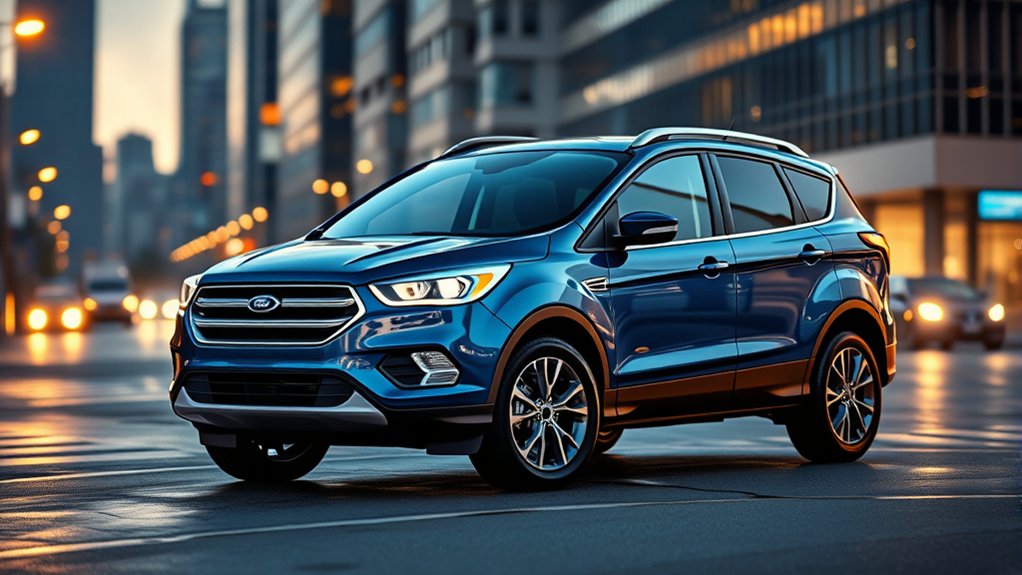
If you’re tracking the Escape’s future, the key question is whether Ford will give it new styling. The answer depends on how the model is positioned against rivals and sales trends.
You can also expect any redesign to hinge on updates to the platform and powertrain, since those changes usually define a next-generation shift. Interior tech improvements are another likely area because Ford typically uses them to keep the Escape competitive in a crowded segment.
New Escape Styling
Ford hasn’t announced a full Escape redesign yet, but the timing suggests one could be coming soon. If you’re tracking new styling, you should separate rumor debunking from confirmed changes: some online images mix unrelated design elements from other Ford models.
You can expect any update to focus on a cleaner grille, sharper lighting signatures, and revised bumpers, because those are the cheapest ways to refresh a crossover without changing its core structure. Industry cycles also point to midlife visual updates as a practical move when sales stay steady.
If Ford follows that pattern, you’ll likely see a more modern face, subtle body sculpting, and updated trim details rather than a radical reinvention. That approach keeps development risk low while signaling freshness to buyers.
Platform And Powertrain
Beyond styling updates, the bigger clue about a possible Escape redesign sits under the sheet metal: its platform and powertrain setup. If you’re tracking a redesign, you should watch whether Ford keeps the current architecture or shifts to a newer one, because that move affects crash structure, weight, and packaging efficiency.
You’ll also want to compare engine choices, since the mix of turbocharged gasoline and hybrid options usually drives fuel economy and emissions results. Current hardware can still deliver solid safety ratings, but a redesign often aims to improve rigidity and update crash performance.
Platform changes can signal a longer product cycle.
Powertrain revisions often target lower operating costs.
Efficiency gains may come before visible styling changes.
Interior Tech Updates
Inside the cabin, you can often spot a redesign before the exterior changes fully show up. You’ll notice the Ford Escape’s latest interior tech trends toward larger screens, faster processors, and fewer physical controls, which usually signals a broader refresh.
If Ford updates the infotainment software, cluster graphics, and driver-assist interface together, you can expect a more cohesive cabin experience. That matters because tech upgrades often influence resale value and lease demand more than sheet metal changes do.
You should also compare trim pricing, since dealership incentives can soften the cost of tech-heavy models. Check whether the Ford warranty covers updated electronics and displays, because new hardware can change long-term ownership costs.
Escape Production and Model-Year Plans
Production plans for the Ford Escape point to a gradual wind-down rather than an immediate stop, with model-year updates continuing while Ford phases in its next compact SUV strategy. You can read that as a signal to watch production cadence, trim adjustments, and allocation shifts closely.
In your local parking lot, inventory may still look normal, but factory output can tighten before public announcements do. Dealership incentives often rise when manufacturers manage outgoing stock, so you should compare pricing trends month to month.
- Track build schedules for signs of reduced volume.
- Watch model-year refreshes for feature continuity.
- Use incentive data to gauge supply pressure.
What Escape Buyers Should Expect
If Ford continues to taper Escape production, you should expect tighter inventory, fewer factory incentives, and more variation by trim and drivetrain as dealers work through remaining stock. You’ll likely see pricing respond to local supply, so compare multiple stores before you commit.
| Factor | Likely effect | Your response |
|---|---|---|
| Inventory | Lower availability | Search broadly |
| Incentives | Reduced discounts | Track offers |
| Fuel economy | Trim-dependent results | Compare ratings |
| Engine maintenance | Ongoing ownership costs | Review service schedules |
You should prioritize vehicles with clear service records, since engine maintenance can influence long-term cost more than small purchase-price differences. If fuel economy matters, verify EPA figures for the exact configuration you want. In a tighter market, patience and data-driven shopping can improve your outcome.
What’s Next for Escape Hybrid Models?
Ford’s hybrid Escape models are likely to remain the most relevant part of the lineup if gas-only versions are phased down, since hybrids typically draw the strongest interest from efficiency-minded buyers. You should expect Ford to position them as a bridge between traditional SUVs and electric vehicles, using fuel-economy data to support demand.
That branding strategy can keep the Escape visible while the company reallocates resources toward electrification.
Hybrid trims can preserve showroom traffic without requiring a full EV commitment.
Efficiency metrics give you a clear basis for comparing value against rivals.
Ford can use the Escape nameplate to maintain continuity during product shifts.
If Ford updates battery systems or software, you’ll likely see incremental gains rather than a full redesign, which fits a cautious market-transition approach.
Alternatives If Ford Drops the Escape
Should the Escape leave Ford’s lineup, you’d still have several strong alternatives to compare, and the best choice will depend on whether you prioritize fuel economy, cargo space, towing, or price. You can cross-shop the Honda CR-V, Toyota RAV4, Mazda CX-5, and Hyundai Tucson, all of which compete closely on efficiency and resale value.
If you need more towing capability, the Ford Bronco Sport may fit better, while the Edge offers a roomier cabin. This kind of rumor debunking matters because Ford’s market positioning still gives you options within the brand, even if the Escape fades out.
You should compare EPA ratings, cargo volume, and standard safety tech before deciding, since small differences can change long-term ownership costs.
Frequently Asked Questions
What Trim Levels Are Available for the Ford Escape?
You can choose Active, ST-Line, ST-Line Select, ST-Line Elite, Platinum, and Plug-in Hybrid trims.
You’ll compare trims pricing, feature bundles, and exterior colors to match your budget, priorities, and driving needs.
Does the Escape Offer All-Wheel Drive?
Yes, you can get all-wheel drive on the Escape, depending on trim and engine.
If you’re asking, “does the Escape offer all wheel drive?” the data says yes; Is Ford Discontinuing the Escape isn’t relevant here.
How Much Cargo Space Does the Ford Escape Have?
You’ll get 37.5 cubic feet of cargo space behind the rear seats, and 65.4 cubic feet with them folded. Trim levels don’t change that much, so you can evaluate this compact SUV objectively.
What Is the Escape’s Towing Capacity?
You’ll typically get up to 3,500 pounds with the Escape’s available tow package, though base trims often rate lower.
Towing rumors and dealer uncertainty don’t change specs; your exact capacity depends on engine, drivetrain, and equipment.
Which Safety Features Come Standard on the Escape?
You get Ford Co-Pilot360 standard, including automatic emergency braking, lane-keeping assist, blind-spot monitoring, and rearview camera.
One in five vehicles faces a recall; you should compare Ford recall history before considering aftermarket upgrades.
Conclusion
You can still count on the Ford Escape for now. Ford hasn’t announced a discontinuation, and the model remains in production with trim updates, incentives, and regional availability varying by dealer.
The rumors seem to come from plant changes and Ford’s EV shift, not a confirmed exit. If you’re shopping compact SUVs, the Escape still fits Ford’s lineup.
Hybrid buyers should watch for gradual model-year updates ahead. Overall, there is no indication that Ford is discontinuing the Escape at this time.


