Is a Ford Taurus Reliable
As an Amazon Associate we earn from qualifying purchases.

If you’re asking whether a Ford Taurus is reliable, the answer is usually yes, but it depends heavily on the model year and upkeep.
You can get solid long-term durability from a well-maintained Taurus, especially later sixth-generation models.
Yet, early versions had more transmission trouble and higher repair risk.
The key is knowing which years to trust, what problems to watch for, and how maintenance history changes the picture.
Key Takeaways
- The Ford Taurus has mixed reliability, but many well-maintained model years are dependable for long-term daily use.
- Later sixth-generation Taurus models, especially 2010–2019, generally have the best reliability trends.
- Early or neglected Taurus examples can have transmission, engine, suspension, and electrical problems.
- A well-kept Taurus can reach 150,000 to 200,000+ miles with regular maintenance and prompt repairs.
- Check service records, warning lights, and a pre-purchase inspection before buying one used.
Is the Ford Taurus Reliable Overall?

Overall, the Ford Taurus has a mixed reliability reputation, but many model years can still prove dependable with proper maintenance. If you’re considering one, you should expect average long-term durability rather than standout dependability.
You can often keep it running well with timely oil changes, fluid checks, brake service, and prompt repairs. When you inspect a used Taurus, pay close attention to service records, warning lights, and signs of neglected maintenance.
You’ll also want to compare ownership costs with similar midsize sedans before you decide. For discussion ideas and brainstorming sessions, focus on how the car was maintained more than on mileage alone.
Compare ownership costs with similar midsize sedans, and judge maintenance history more closely than mileage alone.
A well cared-for Taurus may serve you reliably, but a poorly maintained one can become costly quickly, especially as age and wear increase.
Best and Worst Ford Taurus Model Years?
If you’re comparing Ford Taurus model years, some stand out for stronger reliability and fewer complaints. The best Taurus years usually show more consistent performance, while the worst years often bring more repair issues and owner frustration.
Looking at both helps you choose a used Taurus with less risk and better long-term value.
Best Taurus Years
When it comes to the best Ford Taurus years, the 2010 to 2019 models from the final generation usually stand out for their stronger safety tech, smoother ride, and more refined cabin than earlier versions. If you want a Taurus with less unreliable susceptibility and lower high maintenance risk, you should focus on well-kept examples with full service records.
The best years often deliver steadier transmission behavior, quieter highway cruising, and better available driver aids.
- 2010–2012: solid value
- 2013–2015: improved comfort
- 2016–2017: updated electronics
- 2018–2019: latest features
- regular maintenance: key to reliability
You’ll get the most confidence by choosing a clean, documented car and verifying recalls, fluids, brakes, and suspension before buying.
Worst Taurus Years
The worst Ford Taurus years are generally the earlier, less-refined models and a few problem-prone redesign years, especially those with more transmission complaints, electrical glitches, and higher repair costs. If you’re shopping used, you should be cautious with first-generation cars and some mid-2000s models, since they can show age faster than later versions.
You may notice weaker fuel efficiency in older V6 trims, plus dated safety tech and fewer convenience features. Some years also sacrifice interior comfort, with worn materials, noisy cabins, and seats that feel less supportive on longer drives.
While a well-maintained Taurus can still be serviceable, these bad years usually demand closer inspection, a clean service history, and a lower purchase price to make sense.
Common Ford Taurus Problems by System
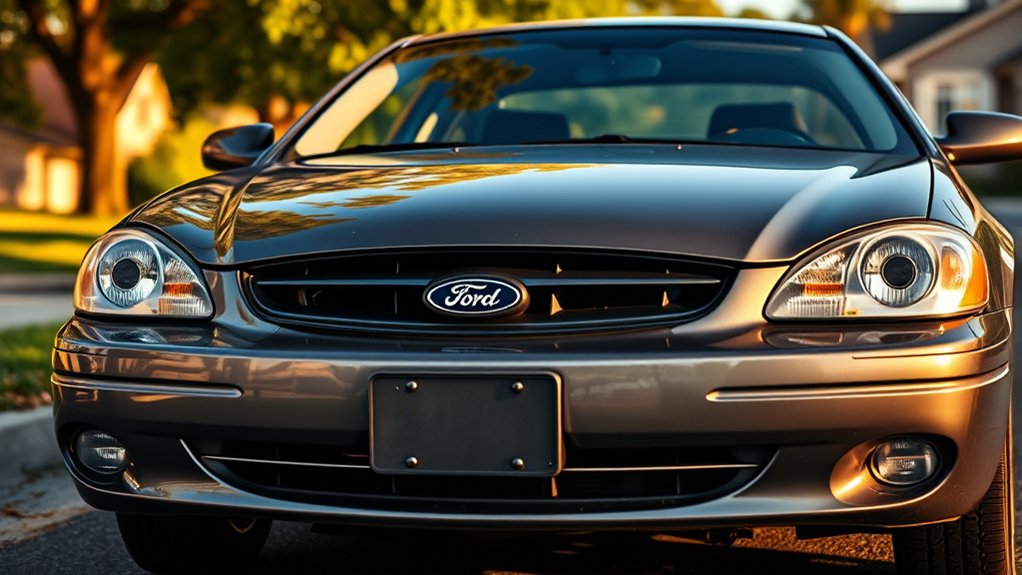
When you look at Ford Taurus reliability by system, the most common concerns usually start with the engine and transmission, where shifting issues, leaks, or rough running can show up.
You’ll also want to watch the suspension for worn components that affect ride quality and the electrical system for faults that can trigger warning lights or accessory problems. Reviewing these areas together gives you a clearer picture of how well the Taurus holds up over time.
Engine and Transmission
Engine and transmission issues can shape a Ford Taurus’s long-term reliability more than almost anything else. You’ll want to watch for rough shifting, delayed engagement, and slipping, since these signs can point to wear in the automatic gearbox or its controls.
Strong turbine reliability matters because a failing torque converter can create shudder, flare, or extra cabin noise under load. Engine concerns often include oil leaks, misfires, and cooling-system faults that can trigger heat-related damage if you ignore them.
- Check transmission fluid condition regularly
- Listen for whining, clunking, or shuddering
- Watch for hesitation during acceleration
- Replace worn spark plugs on schedule
- Fix leaks before they spread
Suspension and Electrical
Beyond the drivetrain, suspension wear and electrical faults also play a big role in Ford Taurus reliability. You may notice suspension squeaks, clunks, or uneven tire wear as bushings, struts, and ball joints age. These issues can reduce ride comfort and steering precision, especially on higher-mileage models.
You should also watch for faulty wiring, which can trigger intermittent warning lights, power accessory failures, or sensor glitches. Problems in door locks, windows, and climate controls often trace back to worn connectors or damaged harnesses.
If you inspect the chassis and electrical system regularly, you can catch small defects before they become costly repairs. Overall, these systems don’t usually fail catastrophically, but they can add maintenance needs and affect long-term dependability.
Ford Taurus Engine and Transmission Reliability
The Ford Taurus’s engine and transmission reliability varies by model year, but many versions have proven solid with proper maintenance. You’ll find that well-kept V6 engines often deliver dependable performance and balanced fuel economy, while some four-cylinder models focus on efficiency.
Transmission behavior matters too, since smooth shifting supports overall drivetrain durability and daily drivability.
- Check service records for oil changes.
- Inspect for transmission shifting delays.
- Listen for unusual engine noises.
- Watch for warning lights or leaks.
- Match maintenance to the model year.
If you stay current on fluids and repairs, you can reduce wear and keep the powertrain working predictably. Overall, the Taurus rewards careful ownership, especially when you evaluate engine and transmission condition before buying.
How Long Does a Ford Taurus Last?
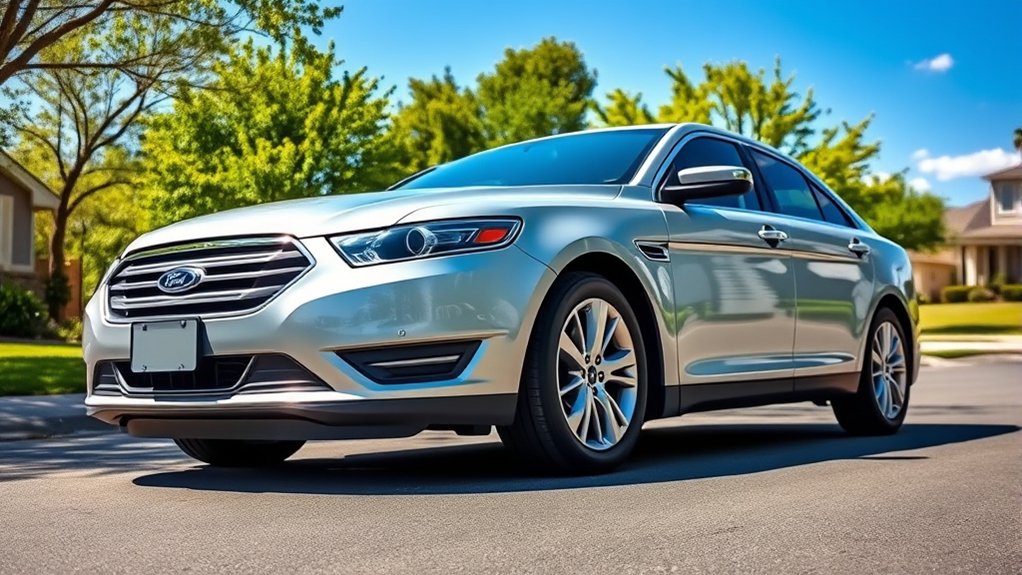
How long a Ford Taurus lasts depends heavily on maintenance, driving habits, and model year, but many well-cared-for examples can reach around 150,000 to 200,000 miles or more. If you drive mostly on highways and avoid hard use, you can often extend that lifespan further.
You should expect wear to accumulate gradually, with age and mileage affecting comfort, performance, and reliability. For many owners, the Taurus remains a practical long-term sedan because parts are widely available and some fixes are inexpensive repairs.
Still, higher-mileage examples can face a common risk of aging components that reduce dependability. When you buy one with a solid history and consistent care, you’re more likely to get strong service life and predictable everyday use.
Ford Taurus Repair Costs and Maintenance
Ford Taurus repair costs are usually moderate, but what you pay depends on the model year, mileage, and which parts need attention. You can keep expenses predictable by following the maintenance schedule and catching issues early. Oil changes, brakes, tires, and fluids stay in the normal range for a midsize sedan, while electronic repairs can cost more on Taurus models with more modern features.
Routine service helps protect reliability.
Brake and suspension work often drives costs.
Regular fluid checks reduce avoidable wear.
Reliable shops can improve value.
Good care supports safety ratings and gas mileage.
Ford’s trustworthy branding matters, but upkeep still shapes ownership costs. If you want steady performance, you should budget for preventive maintenance and compare estimates before authorizing repairs.
Should You Buy a Used Ford Taurus?
If you’re shopping for a used Ford Taurus, it can be a sensible buy when you choose the right year, trim, and service history. You should focus on models with solid reliability trends, especially later sixth-generation cars that avoided early transmission issues.
Inspect the transmission, cooling system, suspension, and electronics before you commit. A well-kept Taurus can deliver a quiet ride, roomy cabin, and strong value for daily driving.
However, neglected examples may hide costly repairs, so review records carefully and pay for a pre-purchase inspection. Follow basic maintenance tips like timely fluid changes, brake service, and tire rotation to reduce long-term risk.
If the price is fair and the vehicle’s history is clean, you can buy with confidence.
Frequently Asked Questions
What Is the Ford Taurus Towing Capacity?
You can tow about 1,000 to 2,000 pounds with a Ford Taurus, depending on engine, model year, and equipment.
All wheel drive usually doesn’t change towing capacity, but you should check your owner’s manual.
Does the Ford Taurus Have All-Wheel Drive?
Yes, you can find all-wheel drive on some Ford Taurus models. For example, you’d choose a 2017 Taurus SHO for winter traction.
That fact can shape your discussion ideas and address reliability concerns objectively.
How Fuel Efficient Is the Ford Taurus?
You’ll usually get about 18 to 20 mpg city and 28 to 29 mpg highway, depending on engine and drivetrain. That fuel economy is average for its class, and your maintenance costs should stay moderate with regular service.
What Safety Features Come Standard on a Ford Taurus?
Like a shield, you’ll find standard safety features such as airbags, stability control, traction control, anti-lock brakes, and a rearview camera.
You’ll also get reliability features like tire pressure monitoring and crash-alert systems.
Are Ford Taurus Parts Easy to Find?
Yes, you’ll usually find Ford Taurus parts pretty easily, thanks to strong parts availability and its long reliability history.
You can source common components from dealers, salvage yards, and online retailers without much trouble.
Conclusion
So, is a Ford Taurus reliable? Yes—if you treat it like the well-meaning office printer it is: keep up with maintenance, and it will usually cooperate. You’re safest with later sixth-generation models, clean service records, and a pre-purchase inspection.
Avoid neglected cars with transmission drama, because surprises aren’t charming when they come with repair bills. If you want a sensible midsize sedan and you’re willing to maintain it, a good Taurus can be a solid buy.
In conclusion, a Ford Taurus can be reliable, provided you choose wisely and keep up with regular care.


