Is a Ford Mustang Reliable
As an Amazon Associate we earn from qualifying purchases.
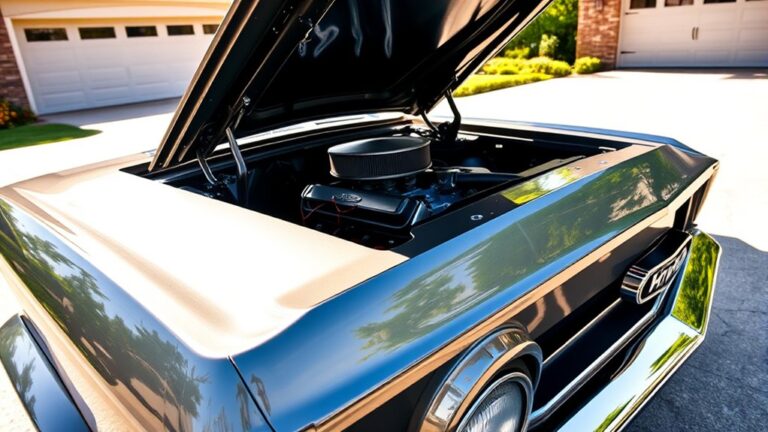
A Ford Mustang can be reliable, but you need to judge the specific year, engine, and service record rather than the badge alone. When considering a Ford Mustang, it’s important to look beyond just the model name and focus on these details.
If you focus on late SN95 or S197 cars, or choose a well-kept 2.3L EcoBoost, 5.0L Coyote, or 3.7L V6, you’re starting from a stronger position. The real test comes when you inspect maintenance, leaks, cooling, transmission wear, and rust.
That’s where the details start to matter in determining overall reliability. Taking the time to evaluate these factors will help ensure you get a dependable Ford Mustang.
Key Takeaways
- Ford Mustang reliability depends heavily on model year, engine, transmission, and maintenance history.
- Well-maintained, stock Mustangs usually prove more reliable than neglected or heavily modified examples.
- 5.0L Coyote V8, 3.7L V6, and 2.3L EcoBoost are among the more dependable Mustang engines.
- Common issues include cooling leaks, worn suspension bushings, ignition problems, and transmission shifting concerns.
- Before buying, inspect for leaks, noises, misfires, warning lights, and confirm service records and recall completion.
Is the Ford Mustang Reliable?
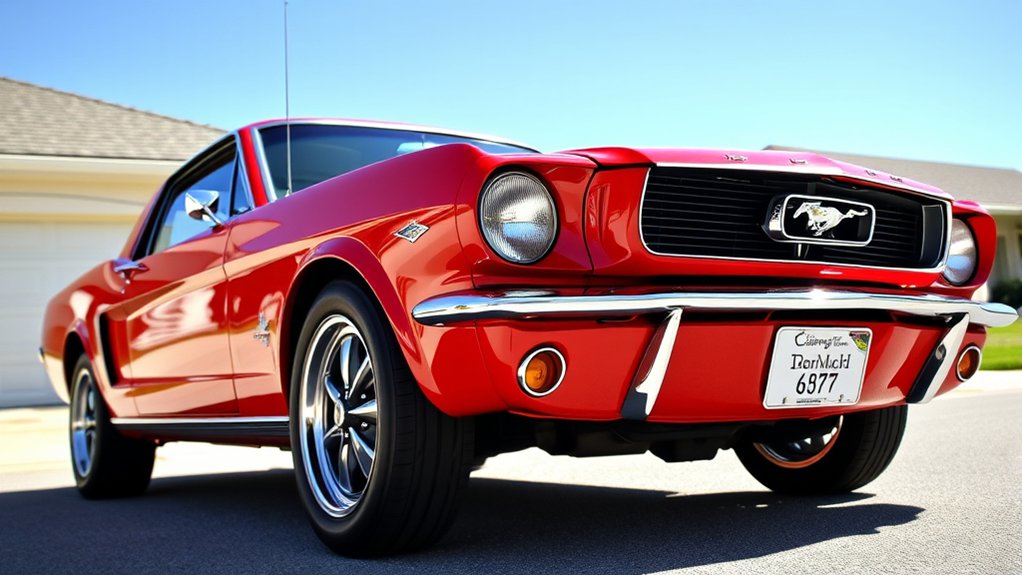
Yes, the Ford Mustang can be reliable, but its dependability depends heavily on the model year, engine, transmission, and how well it’s been maintained. You can expect solid reliability when you choose a well-serviced example with routine fluid changes, timely brake service, and unmodified electronics.
Its classic design uses proven mechanical layouts, and that helps simplify diagnosis and repair. However, your experience will vary because performance-oriented tuning, especially on models with strong track focus, can increase wear on suspension, cooling, and driveline parts.
You should inspect for leaks, abnormal noises, delayed shifts, and warning lights before buying. If you maintain it properly and avoid neglected or heavily modified cars, the Mustang can deliver dependable daily use while still offering strong performance and predictable ownership costs over time.
Which Mustang Model Years Last the Longest?
Generally, the longest-lasting Mustang model years tend to come from periods when Ford used mature drivetrains, simpler electronics, and well-sorted chassis hardware. You’ll usually see strong durability in late SN95 and S197 cars, especially when prior owners maintained fluids, bushings, and cooling systems.
These years often balance Mustang aesthetics with classic reliability, so you get fewer age-related faults than in newer, more complex cars.
| Model year range | Durability profile | Why it lasts |
|---|---|---|
| 1996-1998 | Good | Mature 4th-gen architecture |
| 2005-2009 | Very good | Robust early S197 hardware |
| 2011-2014 | Very good | Refined chassis and electronics |
| 2015-2017 | Good | Strong platform, more complexity |
When you shop, prioritize documented maintenance, rust control, and stock suspension condition.
Which Mustang Engines Are Most Reliable?
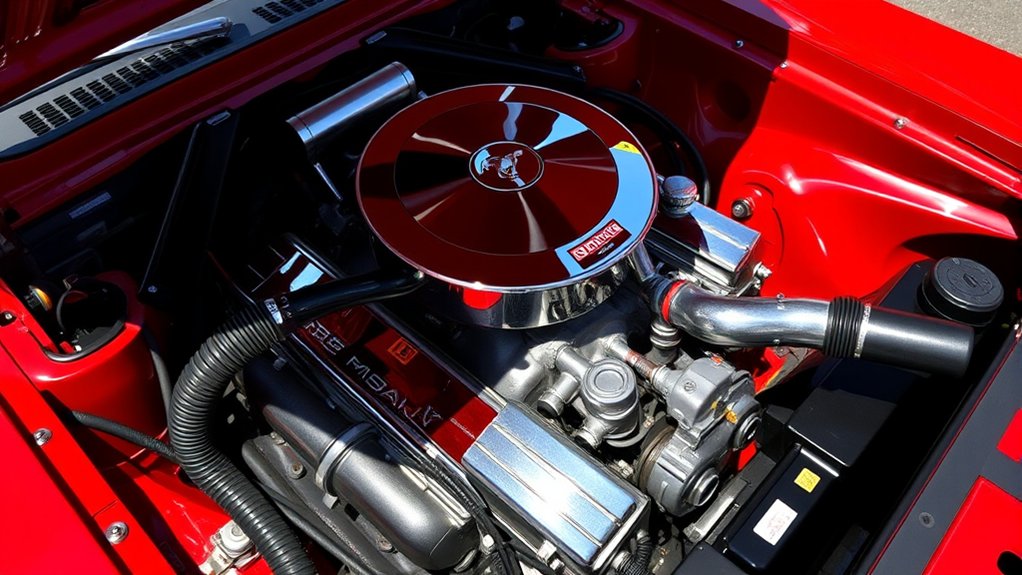
Engine reliability matters just as much as chassis durability when you’re judging a Mustang’s long-term ownership costs. You’ll usually see the best results from the 2.3L EcoBoost, 5.0L Coyote V8, and older 3.7L V6, because they combine proven architecture with broad parts support and consistent calibration.
- The 2.3L EcoBoost gives strong fuel economy and solid durability when you maintain the cooling and oiling systems.
- The 5.0L Coyote delivers exceptional strength, especially in naturally aspirated form.
- The 3.7L V6 is mechanically simple and can run for high mileage.
- You should favor engines with documented service history and stock tuning.
If you want dependable performance, these options balance power, handling precision, and operating cost better than high-strung alternatives.
What Common Mustang Problems Should You Watch For?
When you inspect a Mustang for long-term reliability, focus on a few repeat trouble spots: cooling-system leaks, accessory-drive wear, ignition or coil issues, transmission shifting problems, and suspension or bushings that degrade under hard use.
You should check for coolant residue near hoses, pulleys, and the radiator, plus belt noise or vibration at idle. In manual transmissions, look for notchy engagement, clutch shudder, and synchro wear during quick shifts.
On test drives, watch for misfires under load and harsh impacts from tired bushings. Also inspect Mustang interiors for worn switchgear, failing electronics, or seat trim damage, since these clues can signal broad owner neglect.
A clean service history matters, but you can still catch many problems early by evaluating the car cold, then hot, and noting any abnormal noises or warning lights.
Which Maintenance Matters Most?

The best way to preserve Mustang reliability is to stay ahead of wear items before they trigger larger faults. You should prioritize maintenance that directly affects lubrication, heat control, and ignition quality, because those systems drive the biggest reliability tradeoffs.
Follow a consistent maintenance cadence and verify service records against factory intervals.
Follow a steady maintenance schedule and confirm service history aligns with factory-recommended intervals.
- Change engine oil and filter on time; degraded oil accelerates wear.
- Inspect coolant, belts, and hoses; heat stress quickly compounds damage.
- Replace spark plugs and ignition parts as scheduled; misfires load the catalytic system.
- Service brakes, fluids, and tires; uneven wear can hide alignment or suspension issues.
If you track these items carefully, you reduce surprise repairs and keep the car’s mechanical condition predictable without overmaintaining low-impact components.
Can a Mustang Work as a Daily Driver?
You can use a Mustang as a daily driver, but you’ll trade some fuel economy for its V6, turbo four, or V8 performance output, especially in stop-and-go traffic.
Ride comfort depends on trim, wheel size, and suspension tuning, so you should expect firmer damping than in many midsize sedans. Cargo space and rear-seat room are usable for light commuting and errands, but they’re limited compared with more practical four-door vehicles.
Fuel Economy Tradeoffs
Fuel economy is one of the main tradeoffs in using a Mustang as a daily driver, especially if you choose a V8-powered trim. You’ll see higher fuel consumption in city traffic, where throttle input and stop-and-go operation reduce efficiency. Compared with compact commuters and diesel alternatives, the Mustang’s performance tuning prioritizes output over mileage.
- EcoBoost models usually save fuel on highway trips.
- V8 models can drop sharply in urban driving.
- Manual and automatic transmissions both affect real-world fuel economy.
- Aggressive acceleration increases consumption quickly.
If you drive long distances, you may offset some cost with steady cruising, but you still won’t match economy-focused sedans. For daily use, you should budget for more frequent refueling and accept that performance comes with measurable operating expense.
Ride Comfort Basics
Ride comfort in a Mustang depends heavily on trim, wheel size, and suspension tuning, so daily-driver usability varies more than in a typical midsize sedan. You’ll notice firmer damping on performance models, which transmits more pavement texture but improves body control.
Seat materials also matter: cloth and well-bolstered leather seats can reduce fatigue better than slippery finishes.
| Factor | Effect |
|---|---|
| 18-inch wheels | Smoother ride comfort |
| Sport suspension | Sharper response, harsher impacts |
| Touring seats | Better support for commuting |
If you drive mostly on rough roads, smaller wheels and adaptive suspension help. You’ll still hear more engine sound and exhaust tone than in quieter cars, but that character doesn’t prevent daily use. It just means you’re choosing a coupe with a firmer, more engaging setup.
Cargo And Cabin Space
Practicality is the next question after comfort, and a Mustang’s cabin and cargo layout are better than many expect for a two-door coupe. You get a quiet cabin at highway speed, supportive front seats, and controls that stay easy to reach in daily use.
The rear seat works best for short trips or extra storage, not full-time passenger duty.
- Fold the rear seats when you need more trunk volume.
- Use the trunk for groceries, a work bag, or a small suitcase.
- Check rear cargo restraints so items don’t shift during hard braking.
- Choose a fastback if you want the most versatile layout.
For commuting, the Mustang can function well if you manage space realistically and avoid expecting sedan-level practicality.
How Do You Buy a Reliable Used Mustang?
To buy a reliable used Mustang, you need to evaluate both the car’s mechanical condition and its maintenance history before you commit. Check service records for regular oil changes, coolant flushes, brake work, and transmission service.
Inspect the engine for leaks, abnormal noises, misfires, and uneven idle. Test the clutch, automatic shifts, steering response, and suspension for play or hesitation. Scan the OBD-II system for stored codes, even if the check-engine light’s off.
Verify recall completion and match the VIN to accident reports and title status. If a seller diverts into an unrelated topic or random discussion, redirect the conversation and stay focused on evidence. A pre-purchase inspection by a Mustang-experienced mechanic can reveal hidden wear and help you avoid costly repairs.
Frequently Asked Questions
Does Ford Offer a Mustang Reliability Warranty Extension?
Yes, you can buy Ford-backed warranty extensions for your Mustang through Ford Protect, which can support Ford reliability. They’re separate from aftermarket impact, and coverage terms vary by model, mileage, and plan.
How Does Mustang Reliability Compare to the Camaro?
You’ll find Mustang reliability generally edges out Camaro comparison in long-term data; Ford’s parts network and simpler V8 options help. Like a steady heartbeat, the Mustang often needs fewer surprise repairs, though maintenance still matters.
Are Mustang Convertibles Less Reliable Than Coupes?
Yes, you’ll usually see slightly lower convertible vs coupe reliability because you’ve got more moving parts, seals, and weight. You’ll likely face more leak, rattle, and top-system wear, while coupe reliability stays simpler and often cheaper.
Does Regular or Premium Fuel Affect Mustang Reliability?
Premium fuel can improve knock resistance, but it doesn’t usually change reliability if you follow the owner’s recommendation.
Use the specified octane to protect engine durability and preserve fuel economy; the wrong grade may cause trouble.
Can Aftermarket Modifications Reduce Mustang Reliability?
Yes, aftermarket modifications can reduce reliability. You’ll face aftermarket concerns when tuning, increasing boost, or changing exhaust and intake parts.
These changes can raise heat, stress components, and create a measurable reliability impact.
Conclusion
If you buy the right Mustang and maintain it well, you can expect solid reliability from it. You should favor late SN95 or S197 cars, or a stock 2.3L EcoBoost, 5.0L Coyote, or 3.7L V6 with documented service records.
For example, a one-owner 5.0L with regular fluid changes and no cooling issues can run dependably for years. Check leaks, rust, transmission health, and cooling before you commit.
In conclusion, choosing the right model and keeping up with maintenance are key to ensuring a Ford Mustang is reliable.


