Is a Ford Focus a Front Wheel Drive
As an Amazon Associate we earn from qualifying purchases.
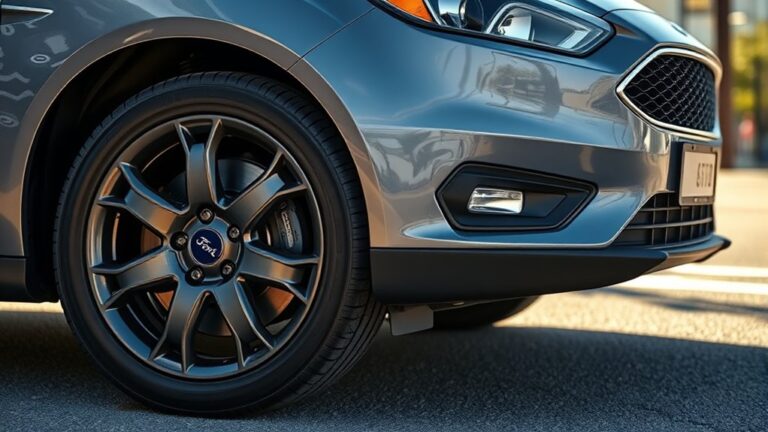
If you’re asking whether a Ford Focus is front-wheel drive, the short answer is usually yes. Most Focus models use FWD because it’s efficient, practical, and well suited to everyday driving.
However, there are exceptions in certain trims and markets, so the drivetrain isn’t something you should assume without checking the exact model. The details can change the answer more than you might expect.
Key Takeaways
- Most Ford Focus models are front-wheel drive.
- FWD means the front wheels receive engine power.
- This layout supports practical daily driving and fuel efficiency.
- Nearly all gasoline Focus trims use FWD.
- Rare performance variants, like some RS models, may offer AWD instead.
Is a Ford Focus Front-Wheel Drive?
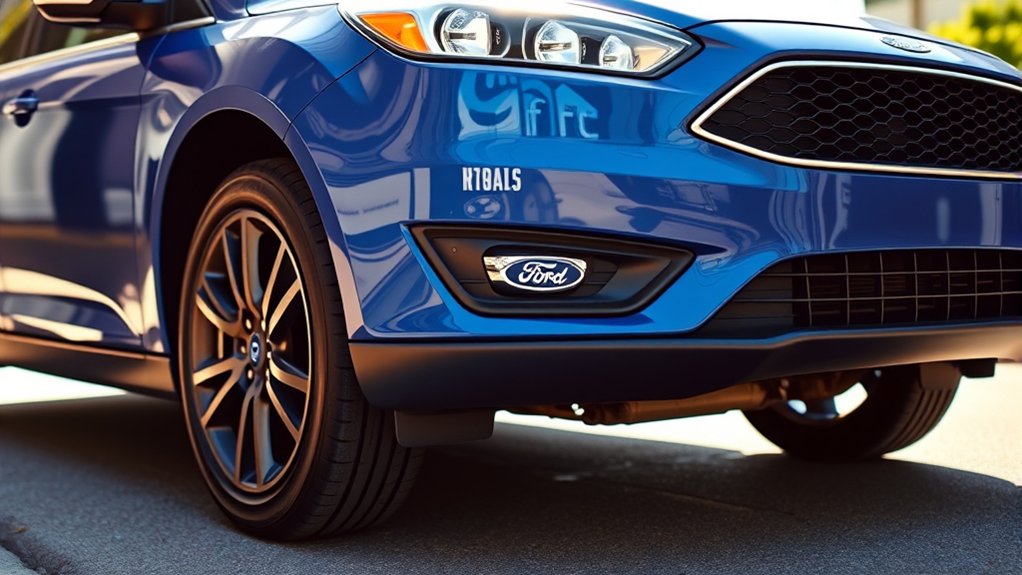
Yes, most Ford Focus models are front-wheel drive. If you’re evaluating the Focus, you’ll find that this layout supports predictable traction, efficient packaging, and balanced everyday handling.
You can also see why Ford used it as part of its marketing strategy: front-wheel drive helps position the car as practical, accessible, and cost-conscious for commuting drivers. From an engineering standpoint, the layout places the engine, transaxle, and driven wheels together, which can simplify service and improve interior space use.
It doesn’t determine engine reliability by itself, but it can influence how the car feels over time, especially in routine driving. If you want a compact car with a conventional drivetrain layout, the Focus fits that expectation.
Which Ford Focus Models Use FWD?
You’ll find that most gasoline Ford Focus trims use front-wheel drive, including the common hatchback and sedan versions.
If you’re looking at hybrid or electric variants, you should check the specific market, because drivetrain layouts can differ by powertrain and region. Global model variations also matter, since Ford has sold Focus versions with different configurations outside the U.S.
Gasoline Focus Trims
When it comes to gasoline Ford Focus trims, the answer is straightforward: nearly all of them use front-wheel drive. You’ll find this layout across the S, SE, SEL, Titanium, and many sport-oriented versions, so traction goes to the front wheels rather than all four.
That setup helps you get predictable handling, good fuel economy, and a lighter, more efficient drivetrain. It also keeps the car’s packaging simple, which can support everyday drivability and lower maintenance complexity.
If you’re comparing trims, focus more on equipment, engine output, and transmission choice than on drive layout, because FWD is the standard in gasoline models. For most buyers, reliability concerns relate more to specific components than to the front-wheel-drive system itself.
Hybrid And Electric
Hybrid and electric Focus variants follow the same basic packaging logic as the gasoline models, but not every version uses the same drivetrain setup. You’ll find that Ford’s hybrid and battery-electric Focus examples typically send power to the front wheels, which keeps the layout simple and efficient.
- The front-mounted motor or engine drives the front axle directly.
- The focus transmission is usually tuned for smooth torque delivery, not sporty launches.
- FWD helps preserve fuel economy by reducing mechanical losses and weight.
If you’re comparing trims, check the powertrain label, because electrified Focus models can differ by market and year. In most cases, though, you should expect front-wheel drive rather than all-wheel drive or rear-wheel drive.
Global Model Variations
Across global markets, most Ford Focus variants use front-wheel drive, but the exact drivetrain can vary by generation, trim, and powertrain. You’ll typically find FWD on standard hatchbacks, sedans, and wagons, because Ford’s car design prioritizes packaging efficiency, traction, and lower cost.
In some regions, marketing strategies emphasize fuel economy and everyday handling, which align with FWD layouts.
| Market | Typical Focus Type | Drivetrain |
|---|---|---|
| North America | Sedan, hatchback | FWD |
| Europe | Hatchback, wagon | FWD |
| Performance trims | ST, RS | Mostly FWD, some AWD |
You should always check the exact model year and badge, since regional updates can change drivetrain options.
Are There Any AWD or RWD Focus Models?
While most Ford Focus models are front-wheel drive, there have been a few exceptions depending on market and generation. You’ll rarely find AWD or RWD in standard production Focus trims, but Ford has used drivetrain innovations in special builds and rally class applications.
Most Ford Focus models are front-wheel drive, with rare AWD exceptions in special performance and motorsport variants.
- The Focus RS sold in some markets with all-wheel drive for high-performance use.
- Some concept and motorsport versions used AWD hardware to support traction.
- No regular Focus production model used rear-wheel drive.
If you’re checking a specific car, verify the badge, VIN, and market specification. AWD Focus variants exist, but they’re limited and tied to performance or competition programs, not everyday commuter trims.
How FWD Affects Focus Handling

Because the Ford Focus is front-wheel drive in most trims, that layout shapes how the car turns, accelerates, and behaves in low-traction conditions. You’ll notice more steering load under hard throttle, since the front tires must both pull and guide the car.
That can create mild understeer when you enter a corner too quickly, and it also means the nose may push wide before the rear steps out. In normal driving, Focus dynamics stay predictable and easy to place.
FWD tradeoffs become clearer on wet or snowy roads, where traction at the driven axle helps you start moving with less drama. You won’t get rear-drive rotation, but you do get stable, accessible handling that suits daily use and makes the car feel composed.
Why Ford Used FWD in the Focus
You can see Ford chose front-wheel drive in the Focus to free up more cabin space by placing the drivetrain up front. You also get a lower-cost layout, since FWD is simpler to package and build than many rear-drive alternatives.
It can improve efficiency too, which helps the Focus meet everyday driving and fuel economy goals.
Better Cabin Space
Front-wheel drive lets the Ford Focus package more of its mechanical hardware under the hood, which frees up space inside the cabin. You’ll notice that layout when you compare cabin ergonomics with vehicles that use a rear-drive platform.
The Focus can place the engine, transmission, and drive components compactly, so you get a flatter floor and less intrusion into passenger space. That helps in three ways:
- It improves front-seat positioning.
- It supports better rear seating room.
- It makes the interior feel less crowded.
You benefit from more usable legroom and easier access across the cabin. Ford used FWD to maximize interior packaging without enlarging the car, so the Focus could stay compact while still giving you a practical passenger area.
Cost And Efficiency
Beyond the packaging benefits, Ford chose front-wheel drive in the Focus for cost and efficiency reasons. You get a simpler drivetrain, which cuts parts count and makes assembly easier. That lowers production expense and helps Ford price the car competitively.
FWD also supports better fuel economy because the layout is lighter and transmits power efficiently for everyday driving.
| Factor | FWD Impact | Benefit |
|---|---|---|
| Parts count | Lower | Lower build cost |
| Assembly | Simpler | Faster production |
| Weight | Reduced | Better fuel economy |
| Drivetrain service | Easier | Lower maintenance costs |
| Packaging | Efficient | More interior space |
For you, that means a Focus can deliver practical efficiency without adding complexity.
How FWD Helps in Daily Driving
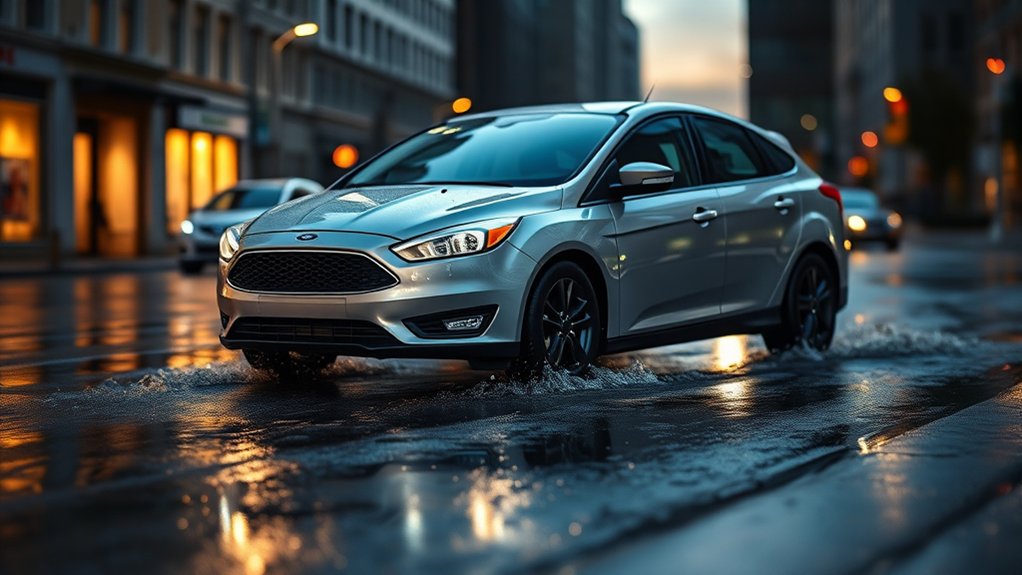
In everyday driving, FWD makes a Ford Focus easier to manage by sending power to the front tires, which also do the steering. You get predictable handling in rain, light snow, and stop-and-go traffic, because the front end pulls the car forward with less fishtailing than many rear-wheel-drive setups. That can improve Focus safety in routine conditions.
FWD helps a Ford Focus feel predictable and secure, especially in rain, snow, and everyday driving.
It also supports fuel economy, since FWD drivetrains are typically lighter and more efficient. In practice, you benefit from:
- Better traction when accelerating from a stop
- Easier parking and tighter turning in urban spaces
- More stable control on slick roads
For daily commuting, errands, and highway merging, FWD gives you practical, low-maintenance performance without adding complexity.
Frequently Asked Questions
Does the Ford Focus Have a Manual Transmission?
Yes, you’ll find some Ford Focus models with manual transmissions, depending on year and trim. That subtopic unrelated to focus on design still matters: check specs for two word discussion ideas before buying.
What Year Did the Ford Focus First Launch?
You’ll find the Ford Focus first launched in 1998, when modern horsepower met efficient aerodynamics and cars pretended to be practical miracles.
You’d appreciate that debut if you like compact hatchbacks with a serious global pedigree.
How Fuel Efficient Is a Ford Focus?
You’ll usually get solid fuel economy from a Ford Focus, often around 25–40 mpg depending on engine, year, and transmission options.
You should check the exact trim, since manual and automatic setups can vary noticeably.
Is the Ford Focus Good for Winter Driving?
Yes, you can trust a Ford Focus in winter if you choose the right tire choice. Its snow performance is decent, but you’ll want winter tires, steady braking, and cautious driving for best control.
What Engines Were Offered in the Focus?
You’d find a range of engines in the Focus: efficient four-cylinder gas units, spirited turbocharged EcoBoost options, diesel choices in some markets, and performance ST or RS variants.
Exact offerings varied by model year and region.
Conclusion
So, yes—you’ll usually find that a Ford Focus is front-wheel drive. In most trims and model years, Ford chose FWD for the same reasons a steady compass points north: it’s efficient, predictable, and practical. You get easier parking, good traction in everyday weather, and a cost-effective design.
Still, you should check your exact year, trim, and market, since a few special versions differ. For most drivers, though, the Focus stays firmly in FWD territory. When considering drivetrains, remember that a Ford Focus is front-wheel drive in the majority of its configurations.


