How Reliable Is Ford Explorer
As an Amazon Associate we earn from qualifying purchases.

If you want to know how reliable is Ford Explorer, buying a well-kept 2018 model with full service records might get you a dependable SUV for daily use.
Your results will still depend on the model year, engine, transmission, and upkeep.
Some Explorers hold up well, while others show recurring issues with electronics, suspension, or shifting.
Before you decide, you’ll want to know which years age best and which warning signs matter most.
Key Takeaways
- Ford Explorer reliability is average overall, with results varying by model year, trim, and maintenance history.
- Later model years, especially 2016–2019, generally have a better reliability outlook than earlier redesign periods.
- Common issues include transmission hesitation, electronics glitches, suspension wear, and occasional engine problems.
- Regular oil changes, fluid checks, and prompt repairs significantly improve long-term durability.
- Well-maintained Explorers can exceed 150,000 miles, but service records matter when judging reliability.
Is the Ford Explorer Reliable?
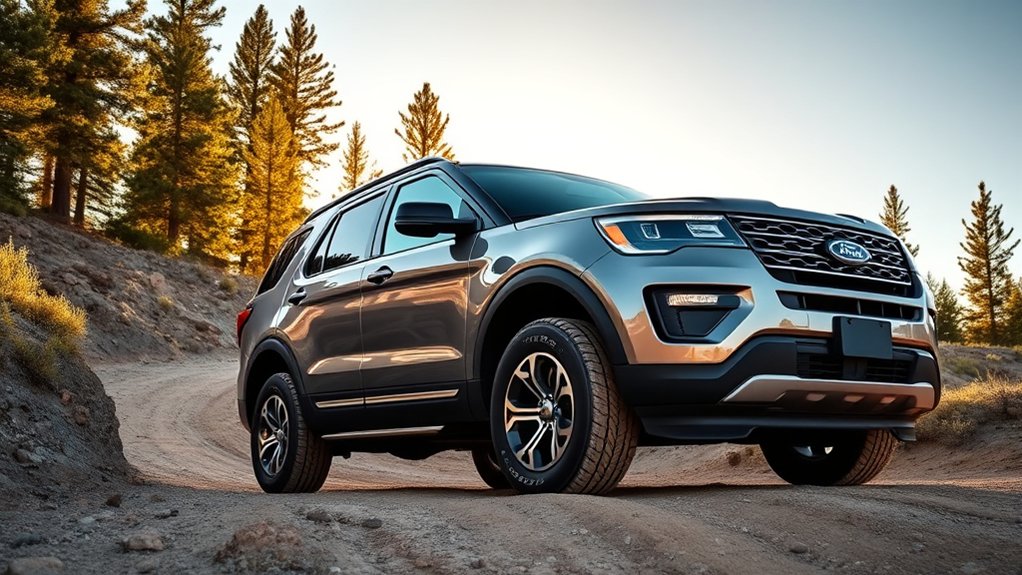
When you ask whether the Ford Explorer is reliable, the answer depends on the model year, trim, and how well it’s been maintained. You can expect solid everyday dependability from many versions, but you should still check repair history, owner complaints, and service records before you buy.
Reliability metrics often place the Explorer near the middle of the midsize SUV segment, with results that vary by powertrain and technology load. You may also notice that Explorer aesthetics influence appeal, though styling doesn’t predict mechanical performance.
If you want confidence, inspect transmission operation, electronic features, suspension wear, and cooling-system condition. Routine maintenance can improve long-term results, but neglect can quickly reduce durability. Overall, you should view the Explorer as capable, not exceptional, and judge each example individually.
Which Ford Explorer Years Are Most Reliable?
If you’re shopping for the most dependable Ford Explorer, you’ll usually find that later examples from well-kept model years tend to perform better than the problem-prone ones from launch periods or major redesigns. In practice, you should focus on model years with consistent owner feedback, strong maintenance records, and fewer themes unrelated to drivetrain quality. Avoid letting marketing jargon sway you.
| Model years | General outlook | Buyer note |
|---|---|---|
| 2011–2015 | Mixed | Research carefully |
| 2016–2019 | Better | Often steadier |
| 2020–2023 | Promising | Check service history |
You’ll still need to inspect each vehicle individually, but these later years often give you the best balance of refinement, durability, and predictable ownership costs without relying on hype.
What Ford Explorer Problems Happen Most Often?
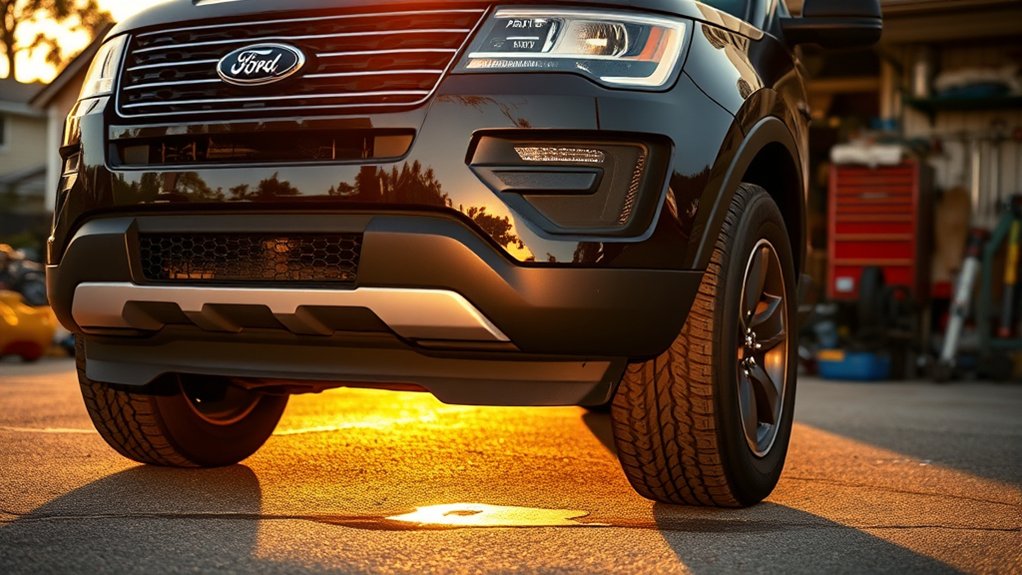
The Ford Explorer’s most common problems usually involve electronics, transmission behavior, suspension wear, and occasional engine-related issues rather than one single universal failure point. You’re more likely to see warning lights, infotainment glitches, power accessory faults, or shifting that feels hesitant than a catastrophic breakdown.
Suspension parts like bushings, struts, and control arms can wear earlier if you drive on rough roads. You may also notice brake, steering, or climate-control complaints depending on trim and mileage.
These topic ideas matter because they show patterns owners report most often. An irrelevant focus on isolated horror stories can distort your view. Instead, compare service records, recall history, and maintenance habits so you can judge whether a given Explorer’s issues seem manageable or unusually persistent.
How Do Ford Explorer Engines and Transmissions Hold Up?
When you look at Ford Explorer reliability, the engines often last well with regular oil changes and prompt repairs. You may still see transmission complaints, especially on some model years, so smooth shifting and fluid condition matter.
If you stay on top of maintenance needs, you can reduce wear and better judge how the drivetrain will hold up over time.
Engine Longevity
Ford Explorer engines are generally built to last, and with regular maintenance many can go well past 150,000 miles before major issues show up. You’ll get the best results when you stay consistent with oil changes, coolant service, and filter replacements.
Good engine oiling helps reduce wear, while modern tuning aims to balance fuel efficiency with dependable power.
- Keep up with scheduled maintenance.
- Watch for leaks, misfires, or rough starts.
- Use quality parts and correct fluids.
In normal use, you can expect solid durability if you address small problems early. Hard towing, infrequent service, and neglected cooling systems can shorten engine life, but careful ownership usually supports long-term reliability.
Transmission Issues
Transmission issues can shape how dependable a Ford Explorer feels over time, especially if you keep the vehicle long enough for wear to build up. You may notice changes in transmission reliability through delayed engagement, rough shifts, or hesitation when you accelerate.
In some model years, gear shift issues show up as hard downshifts, slipping, or unexpected revving between gears. These symptoms don’t always mean a major failure, but they do affect how smoothly you can drive.
If you pay attention to shifting behavior, you can spot problems earlier and better judge the SUV’s long-term consistency. Overall, the Explorer’s transmission performance varies by generation, so your experience may be solid in one version and less predictable in another.
Maintenance Needs
Maintenance matters a lot in judging how well a Ford Explorer engine and transmission hold up over time, because routine service often determines whether small issues stay manageable or turn into major repairs. You should expect regular oil changes, fluid checks, and timely filter replacement to protect internal parts.
The transmission also benefits from clean fluid and prompt attention to shifting changes.
- Follow the service schedule closely.
- Inspect coolant, oil, and transmission fluid for leaks.
- Address warning lights or rough shifting quickly.
If you skip maintenance, wear can rise faster than Ford’s quality control targets assume. Still, many examples hold up well when owners stay disciplined. That reliability picture reflects engineering and a marketing strategy that highlights long-term value, but real-world upkeep remains the deciding factor.
What Maintenance Helps a Ford Explorer Last Longer?
You can help a Ford Explorer last longer by keeping up with regular oil changes, since clean oil reduces engine wear and supports consistent performance.
You should also monitor brake condition, tire wear, and tire pressure, because these items affect safety and can reveal other maintenance needs early.
Fluid levels, coolant, transmission fluid, and filters all need routine checks, since neglected fluids and clogged filters can shorten component life.
Regular Oil Changes
Regular oil changes are one of the simplest ways to help a Ford Explorer last longer, because clean oil reduces engine wear, controls heat, and keeps internal parts properly lubricated. You should follow the service interval in your owner’s manual, and shorten it if you drive in stop-and-go traffic, tow often, or face off roading risks.
Fresh oil also supports fuel efficiency and helps the engine run more consistently.
- Check oil level and color regularly.
- Use the viscosity Ford recommends.
- Replace the filter with each oil change.
Keeping records can also help when you discuss car insurance claims or resale value, since documented maintenance shows responsible ownership. Consistent service won’t eliminate all repairs, but it can reduce avoidable engine damage and help your Explorer stay dependable.
Brake And Tire Care
Brake and tire care matter just as much as engine service when you want a Ford Explorer to last. You should inspect pads, rotors, and calipers for even wear, because healthy braking improves brake durability and helps prevent costly damage.
You also need to rotate tires, maintain correct pressure, and check alignment to slow tire wear and preserve handling.
| Check | Purpose |
|---|---|
| Brake pad thickness | Confirms stopping performance |
| Tire tread depth | Reveals tire wear |
| Wheel alignment | Reduces uneven wear |
You should replace worn parts promptly and keep the suspension in good condition, since these systems affect both safety and longevity. Consistent attention here helps your Explorer stay predictable, stable, and reliable over many miles.
Fluid And Filter Checks
What keeps a Ford Explorer running well over the long haul? You do better when you check fluids and filters on schedule, because clean systems reduce wear and help components operate as designed.
Inspect engine oil, coolant, transmission fluid, brake fluid, and washer fluid, and top them off or replace them as the manual specifies. Also replace filters before they clog:
- Engine oil filter: supports internal cleanliness and pressure.
- Fuel system filter: helps maintain steady delivery and can reduce strain.
- Cabin air filter: improves interior airflow and limits debris buildup.
You should also look for leaks, discoloration, and unusual smells, since these often signal developing problems. Consistent fluid and filter service won’t prevent every issue, but it can extend reliability and lower repair risk.
Should You Buy a Ford Explorer?
If you’re deciding whether to buy a Ford Explorer, the answer depends on how you’ll use it and how much importance you place on reliability, space, and comfort. You may appreciate its three-row layout, strong towing ability, and available all-wheel drive if you need a family SUV or light hauler.
However, you should weigh ownership history carefully, since upkeep can vary by model year and trim. Check service records for drivetrain cooling concerns, transmission work, and routine maintenance.
You’ll also want to test for interior noise at highway speeds and assess how the suspension feels on rough roads. If you value versatility and can accept periodic repairs, it can be a practical choice. If you want lower-risk ownership, compare it with rivals first.
Frequently Asked Questions
Does the Ford Explorer Hold Its Value Well?
No, you usually won’t see strong value retention; the Explorer depreciation rate is average to above average, and reliability concerns can further weaken resale prices. Trims, mileage, and maintenance still matter a lot.
How Much Does Ford Explorer Insurance Cost?
You’ll usually pay about $1,500 to $2,300 yearly to insure a Ford Explorer; like a ticket after the ride, it reflects your age, location, coverage, insurance costs vs ownership costs, and dealer incentives and rebates.
Is the Ford Explorer Good for Towing?
Yes, you can use the Ford Explorer for towing, and its towing performance is solid for many jobs.
You’ll need the right hitch setup, and you should match capacity to your engine, trim, and trailer weight.
What Trim Level Is the Most Comfortable?
You’ll usually find the Limited trim most comfortable, thanks to comfortable seating, more sound insulation, and improved ride quality.
If you want extra luxury, the Platinum adds softer materials and available massage front seats.
Does the Ford Explorer Have Good Safety Ratings?
Yes, you’ll find the Ford Explorer often earns solid safety ratings, though safety ratings accuracy depends on model year and test source.
Check crash test conclusions from IIHS and NHTSA before you decide.
Conclusion
If you choose a well-kept Ford Explorer, you can expect a steady ride rather than a trouble-free dream. The best examples feel like a strong tool in your garage: dependable, capable, and ready for daily use.
Still, you should watch for transmission, cooling, and electronics issues, especially on older or early redesign years. With careful maintenance and a clean service history, you can improve your odds of owning an Explorer that lasts.
Overall, how reliable is Ford Explorer? With proper care and attention, it can be a trustworthy vehicle that serves you well for years to come.


