How Long Do Ford Mustangs Last
As an Amazon Associate we earn from qualifying purchases.

You might be surprised how long a Ford Mustang can last. If you maintain it well, you can often see 150,000 to 200,000 miles, and some push well past the mid-200,000 mark.
Your results depend on service history, driving habits, and how quickly you handle cooling, transmission, and suspension issues.
The real question is what signs show up before the big repairs do.
Key Takeaways
- A well-maintained Ford Mustang typically lasts 150,000 to 200,000 miles or more.
- Lifespan depends on maintenance history, driving style, climate, and rust prevention.
- Base V6 and EcoBoost models often reach 150,000 miles with proper care.
- Cooling, transmission, and suspension problems can shorten a Mustang’s life.
- Regular oil changes, Ford-spec fluids, and scheduled inspections help maximize longevity.
Ford Mustang Lifespan: What to Expect

A well-maintained Ford Mustang can typically last 150,000 to 200,000 miles or more, and many owners see even higher mileage with proper care. You can expect strong Mustang longevity when you follow scheduled maintenance, keep fluids fresh, and address warning signs quickly.
Ford reliability improves when you drive responsibly, avoid repeated hard launches, and protect the engine, transmission, and suspension from unnecessary wear. Your actual lifespan depends on maintenance history, climate, driving style, and rust prevention.
If you service the car on time and use quality parts, you’ll usually get dependable performance for many years. With consistent care, a Mustang can remain a durable daily driver or weekend car without major issues.
Ford Mustang Mileage by Model
Ford Mustang mileage varies by generation, engine, and how the car was driven, so you should expect different longevity from a base V6 or EcoBoost model than from a GT, Mach 1, or Shelby variant. You’ll usually see higher mileage from lower-output trims because they work less hard in daily driving.
A well-kept V6 or EcoBoost can often pass 150,000 miles, while a GT may also reach that mark if you maintain it carefully and avoid repeated abuse. Performance models often log fewer miles, but that doesn’t automatically mean shorter life.
For a useful comparison, think in two word ideas like usage profile and service record, not unrelated topic guesses. Your best indicator is consistent maintenance, smooth driving, and mileage relative to the car’s trim and intended use.
Common Problems That Shorten Mustang Lifespan
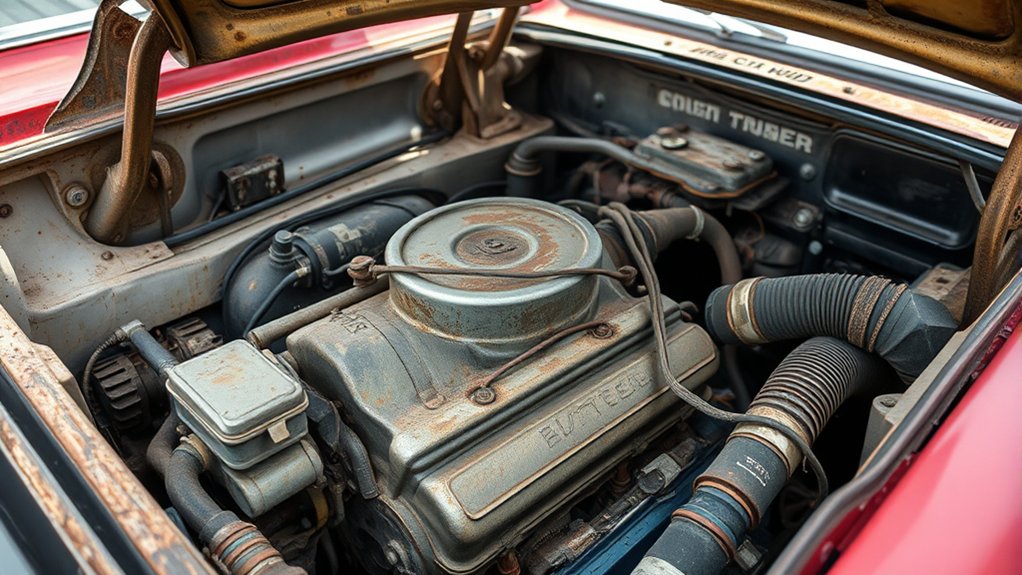
What problems most often cut a Mustang’s life short? You’ll usually see common problems in the cooling system, transmission, and suspension. When these parts wear early, your mileage expectations drop because repairs become more frequent and costly.
- Cooling failures: A leaking radiator, weak water pump, or stuck thermostat can cause overheating and engine damage.
- Transmission issues: Hard shifts, slipping, or delayed engagement can signal internal wear that shortens usable life.
- Suspension and steering wear: Worn bushings, shocks, or tie rods reduce control and add strain to other components.
You can’t ignore warning lights, fluid leaks, or unusual noises. These symptoms often point to problems that affect longevity more than age alone.
Maintenance Tips to Help Your Mustang Last Longer
Regular maintenance does more than keep a Mustang running smoothly. It helps prevent cooling, transmission, and suspension problems that can cut its life short. You should follow the factory service schedule, change oil and filters on time, and use fluids that meet Ford specifications.
Inspect belts, hoses, brakes, tires, and battery connections regularly so small issues don’t spread. Keep the cooling system clean, flush the coolant at the recommended interval, and replace worn spark plugs before performance drops.
Rotation and alignment help the suspension wear evenly. This low-risk maintenance supports engine longevity, protects drivability, and reduces stress on major components. If you store your Mustang, use a battery maintainer and start it periodically to keep seals lubricated.
Signs Your Ford Mustang Needs Major Repairs
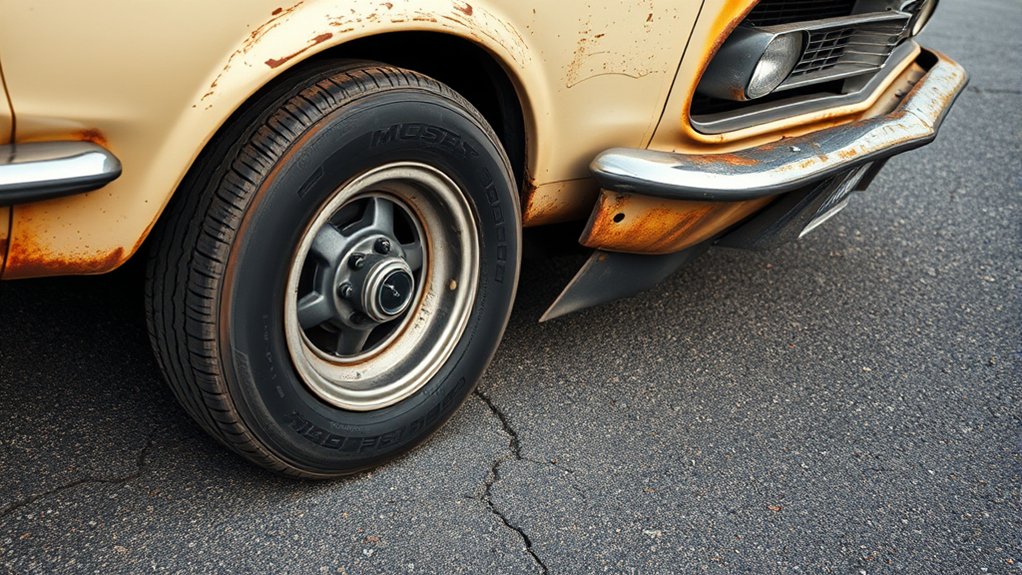
When should you worry that your Mustang needs more than routine service? You should act when symptoms persist, worsen, or appear together. Major repairs often show up as hard starts, rough idle, leaking fluids, or a check engine light that keeps returning.
Watch for high mileage risks that increase breakdowns and accelerate engine wear.
- Engine noise or smoke: Knocking, ticking, blue smoke, or loss of power can point to internal damage.
- Transmission trouble: Delayed shifts, slipping, or shuddering means you may need repairs soon.
- Suspension or brake changes: Clunks, vibration, or longer stopping distances signal worn parts.
If your Mustang needs frequent top-offs, loses coolant, or overheats, don’t wait. Get a full inspection fast.
Frequently Asked Questions
How Does Driving Style Affect Mustang Longevity?
Aggressive driving style shortens Mustang longevity because you stress the engine, transmission, and brakes more.
Smooth acceleration, steady speeds, and regular maintenance improve fuel efficiency and reduce wear, helping your Mustang last longer overall.
Do Mustang Convertibles Last as Long as Coupes?
Usually, you’ll find mustang convertibles can last as long as coupes if you maintain them well.
In a durability comparison, the convertible top and seals need extra care, but the drivetrain and body often wear similarly.
Which Mustang Engines Are Most Durable?
You’ll usually find the 5.0 Coyote V8 tops durability rankings, with the 3.7 V6 and EcoBoost also strong.
About 80% of engine wear comes from poor engine cooling, so you should monitor temperatures closely.
How Does Climate Impact Mustang Lifespan?
Climate affects your Mustang’s lifespan by changing climate wear and regional corrosion. Hot, dry conditions stress fluids and seals; cold, salty regions accelerate rust.
You’ll extend life by washing regularly, protecting underbody, and maintaining cooling systems.
Is a Used Mustang Worth Buying at High Mileage?
Yes, if you inspect it carefully, a high-mileage Mustang can be worth buying. You should check used maintenance records, verify parts availability, and budget for wear items, because condition matters more than mileage alone.
Conclusion
So, how long do Ford Mustangs last? If you keep up with maintenance, drive it responsibly, and fix problems early, yours can easily run past 150,000 miles and may sail into the mid-200,000s. Think of it like a marathon runner: steady care matters more than speed.
Watch the fluids, cooling system, belts, and suspension, and your Mustang can stay reliable for years. Ignore those basics, and its lifespan can shrink fast.
In conclusion, with proper care and attention, Ford Mustangs can last a long time, making them a durable and enjoyable vehicle for many miles.


