How Long Do Ford Expeditions Last
As an Amazon Associate we earn from qualifying purchases.

Like a well-tuned workhorse, a Ford Expedition can last a long time with proper care. How long do Ford Expeditions last? With regular maintenance, you can often see 200,000 miles or more.
Some vehicles even push toward 250,000 to 300,000 miles. Your oil changes, fluid checks, brake service, and towing habits matter just as much as the badge on the grille.
However, certain problems can cut that lifespan short, and they’re worth knowing next. Taking care of these issues early can help your Expedition keep running strong.
Key Takeaways
- A Ford Expedition can last 200,000 to 300,000 miles or more with proper maintenance.
- Many well-maintained Expeditions provide over 15 years of service.
- Regular oil changes, fluid checks, brake service, and timely repairs are essential for longevity.
- Reliability is generally middle-of-the-pack, and results depend heavily on driving conditions and care.
- Towing, short trips, rough roads, and neglected maintenance can shorten the Expedition’s lifespan.
How Long Do Ford Expeditions Last?
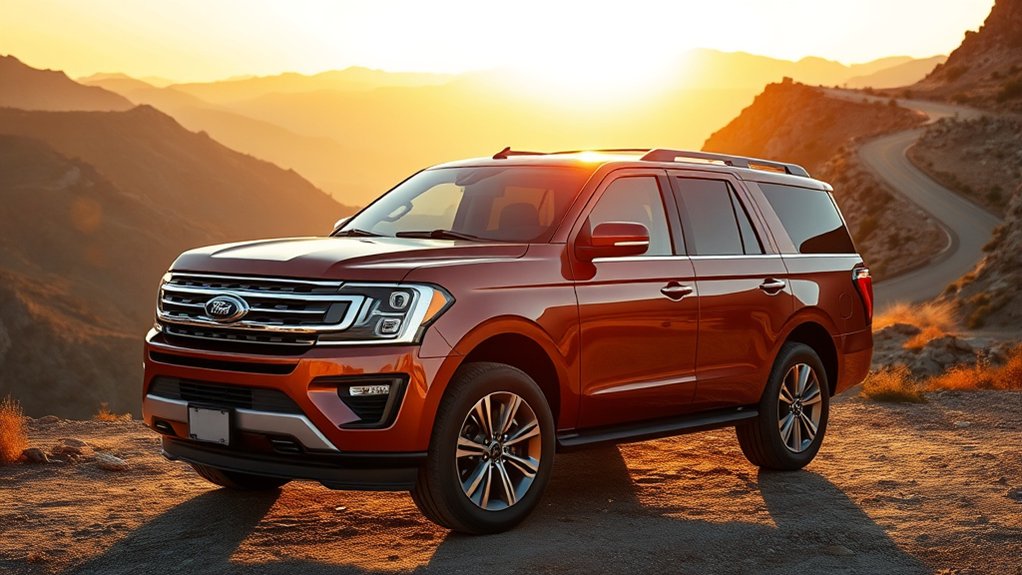
A Ford Expedition can last 200,000 to 300,000 miles or more with proper maintenance, and many owners see well over 15 years of service from theirs. You can expect long service when you keep up with oil changes, fluid checks, brake service, and timely repairs.
Reliability ratings generally place the Expedition in the middle of the full-size SUV segment, so your results depend heavily on care and driving conditions. Owner experiences often show strong durability in engines, transmissions, and chassis components when you avoid neglect.
You’ll usually get the best longevity from models with a complete maintenance history and fewer warning signs of wear. If you inspect regularly and address issues early, your Expedition can remain dependable for years.
Ford Expedition Mileage Expectations
When you look at Ford Expedition mileage expectations, the key benchmark is often 200,000 miles, with many well-maintained SUVs reaching 250,000 to 300,000 miles or more. You can expect earlier models to vary more, while newer tech often supports more consistent long-term performance.
In practice, your ownership habits and service history matter, but the Expedition’s sturdy frame and powertrain give it strong endurance. If you choose luxury trims, you may see similar mileage potential, though added equipment can make upkeep more complex.
For most drivers, the Expedition stands out as a high-mileage full-size SUV that’s built for years of family use, towing, and travel. With regular maintenance, you shouldn’t be surprised if one stays dependable well past average SUV lifespans.
What Shortens Expedition Lifespan?
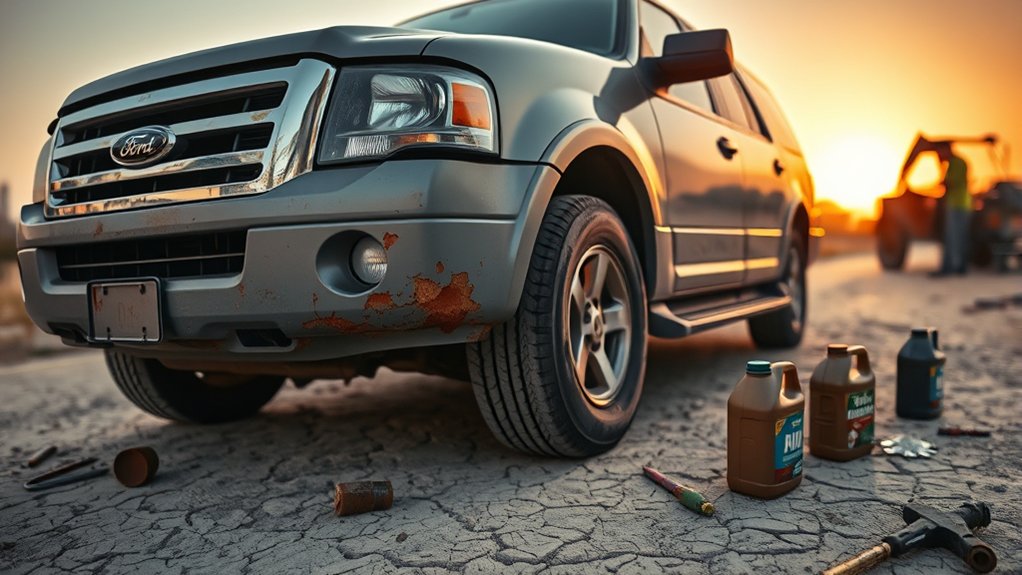
Several factors can shorten an Expedition’s lifespan, and most of them come down to maintenance, driving conditions, and workload. If you skip oil changes, ignore fluid intervals, or delay inspections, you increase wear on major components.
Repeated towing, frequent short trips, and stop-and-go traffic also add stress because the engine and transmission work harder without enough time to stabilize. Rough roads, heavy cargo, and aggressive driving raise wear considerations by accelerating suspension and brake deterioration.
You should also account for interior durability; constant hauling, spilled drinks, and sun exposure can age seats, trim, and controls faster than expected. Even with careful use, neglecting scheduled service and overloading the vehicle can reduce its useful life.
Common Ford Expedition Problems
When you own a Ford Expedition, transmission troubles can show up as harsh shifting, slipping, or delayed engagement, and they often affect drivability and long-term reliability.
You can also expect suspension wear, especially in the shocks, struts, and bushings, which may cause uneven ride quality, noises, or poor handling. Addressing these issues early helps you limit repair costs and preserve the vehicle’s lifespan.
Transmission Troubles
Transmission troubles can shorten an Expedition’s useful life if you ignore them, and the most common warning signs are slipping gears, delayed engagement, harsh shifting, and fluid leaks. When you notice transmission issues early, you can limit damage and protect fuel economy, because a struggling gearbox works harder and wastes power.
You should check the fluid level, look for dark or burnt fluid, and scan for trouble codes before a small fault becomes a major repair.
- Service the fluid on schedule.
- Repair leaks quickly.
- Diagnose shift problems promptly.
If your Expedition hesitates between gears or surges under load, don’t keep driving it as if nothing’s wrong. Prompt attention helps you maintain reliability, reduce repair costs, and keep the drivetrain operating within normal limits.
Suspension Wear
Suspension wear shows up gradually on an Expedition, but it can affect ride quality, steering response, and tire life long before a major failure occurs. You may notice clunks over bumps, uneven tire wear, nose dive during braking, or a loose feel at highway speeds.
Ball joints, control arm bushings, shocks, and sway bar links all take a beating in a heavy SUV, especially if you tow, haul, or drive on rough roads. If you ignore suspension wear, you’ll usually see worse alignment and more stress on other parts.
Inspect the front end regularly, replace worn components promptly, and keep alignment settings within spec. Doing so helps preserve ride quality and extends the Expedition’s usable life.
How Maintenance Extends Expedition Life
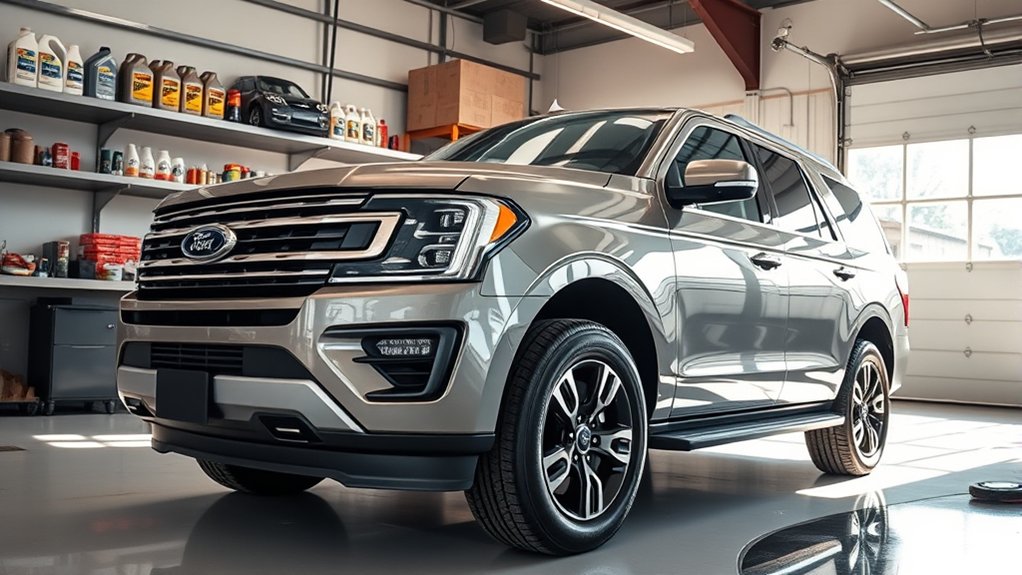
Regular maintenance is one of the biggest reasons a Ford Expedition can last well beyond the 200,000-mile mark. You protect key systems when you follow quality maintenance schedules, because fresh fluids, filters, and inspections reduce wear before it spreads. This also supports fuel economy, since a well-tuned engine and properly inflated tires work more efficiently.
Regular maintenance helps a Ford Expedition last past 200,000 miles by reducing wear and improving efficiency.
- Change oil and filters on time.
- Inspect brakes, belts, hoses, and cooling components.
- Rotate tires and keep alignments accurate.
When you stay consistent, you limit avoidable stress on the drivetrain, suspension, and electronics. That discipline helps your Expedition stay dependable, drives smoother performance, and lowers the chance of costly repairs.
Can a Ford Expedition Reach 200,000 Miles?
Yes, a Ford Expedition can reach 200,000 miles, and many do when they’re maintained consistently and driven with reasonable care. You can treat that milestone as realistic, not exceptional, especially if you follow the factory service schedule and address small issues before they grow.
Your results depend on overall condition, maintenance history, and how well prior owners cared for the SUV. Ignore rare car myths that claim high mileage automatically means a vehicle is worn out; mileage alone doesn’t tell the full story.
If you’re evaluating one, inspect records, engine health, transmission operation, suspension wear, and rust. Even when EV conversions are discussed, the original Expedition can still prove durable in stock form when it’s kept in sound mechanical shape over time.
How Driving and Towing Affect Longevity
How you drive a Ford Expedition has a direct effect on how long it lasts, because hard acceleration, frequent short trips, heavy idling, and abrupt braking all increase wear on the engine, transmission, brakes, and cooling system. Smooth inputs reduce driving stiffness and help components run at more stable temperatures.
Smooth driving reduces wear, keeps temperatures steadier, and helps your Ford Expedition last longer.
Towing also changes the equation:
- Keep loads within the factory rating to limit towing impact.
- Use tow mode, lower gears, and a trailer brake controller when needed.
- Service fluids more often after regular towing.
When you combine steady driving habits with careful towing, you lower stress on drivetrain parts and suspension. That discipline won’t eliminate wear, but it can add many dependable years and miles to your Expedition.
Signs Your Expedition Is Wearing Out
Even with good driving habits and careful towing, every Ford Expedition eventually shows its age through a few common warning signs. You’ll usually notice expedition wear first in the suspension, brakes, and steering, where clunks, vibration, or loose response point to aging components.
Engine issues can follow, including rough idling, hard starts, oil leaks, and reduced power under load. Transmission slipping, delayed shifts, or shuddering also signal declining mileage longevity.
Inside the cabin, failing electronics, worn seat materials, and persistent rattles often confirm broader deterioration. Watch for coolant loss, uneven tire wear, and warning lights that return after repairs.
These symptoms don’t always mean the SUV is near failure, but they do show you’re moving past its most reliable phase and should plan maintenance carefully.
Frequently Asked Questions
What Model Years of Ford Expedition Are Most Reliable?
You’ll usually find 2018 to 2020 Ford Expeditions most reliable, with strong model year reliability and fewer EcoBoost concerns than earlier versions.
You should still inspect maintenance records, transmission behavior, and timing-chain noise before buying.
How Does Rust Affect Ford Expedition Lifespan?
Rust eats your Expedition like a slow winter tide, weakening frames, brake lines, and mounts. You’ll shorten its lifespan when corrosion spreads.
Rust impact depends on climate, care, and inspections. These are key lifespan factors you shouldn’t ignore.
Is the Ecoboost Expedition Engine Long-Lasting?
Yes, you can expect strong eco boost performance and solid engine longevity if you maintain it well.
You’ll need timely oil changes, quality fuel, cooling-system care, and prompt repairs to keep it lasting reliably.
Do Four-Wheel-Drive Models Wear Out Faster?
Usually, you won’t see four-wheel-drive models wear out much faster, but you’ll add more drivetrain parts to maintain.
Your two word discussion ideas and unrelated concept unrelated topic aside, driving habits matter most.
What Should I Check Before Buying a Used Expedition?
Check the used car inspection first: you should review service records, frame rust, suspension wear, leaks, electronics, and transmission shifts.
Ask for maintenance tips from the seller, and test every seat, feature, and 4WD function.
Conclusion
So, if you’re treating your Ford Expedition right, it can keep rolling far longer than most SUVs ever dream of—often past 200,000 miles, and sometimes into the 250,000- to 300,000-mile range.
But push it hard, skip maintenance, or ignore warning signs, and its life can shrink fast.
Stay on top of fluids, brakes, repairs, and towing limits, and you’ll give your Expedition every chance to last like a battle-tested marathoner.
With proper care, knowing how long Ford Expeditions last can help you get the most out of this reliable vehicle.


