How Long Can a Ford Fusion Last
As an Amazon Associate we earn from qualifying purchases.

A Ford Fusion’s lifespan depends less on the badge and more on how you manage wear items that don’t fail all at once.
With routine oil changes, transmission service, and cooling-system checks, you can often push one past 200,000 miles, sometimes farther.
Neglect, harsh driving, and ignored warning signs cut that sharply.
If you want the real limit, it comes down to a few specific weak points you should know about.
Key Takeaways
- A Ford Fusion can often last 200,000 to 250,000 miles with proper maintenance.
- Some well-maintained Ford Fusions exceed 250,000 miles.
- Regular oil changes, fluid services, and inspections greatly extend its lifespan.
- Gentle driving helps reduce engine and transmission wear over time.
- Neglect, severe climate, and accident history can shorten its long-term reliability.
How Long Does a Ford Fusion Last?

A Ford Fusion can last around 200,000 to 250,000 miles with proper maintenance, and some well-cared-for examples exceed that range. You can extend service life by following scheduled oil changes, transmission-fluid service, brake inspections, and cooling-system checks.
Your driving habits matter too: avoid hard launches, excessive idling, and neglected warning lights, because these stress the engine and transmission. Watch for drivetrain failures, especially in high-mileage models, since early repair limits cascading damage.
Consistent maintenance also helps preserve fuel economy, which often declines when sensors, spark plugs, or filters wear out. If you keep fluids clean, tires properly inflated, and repairs timely, your Fusion can remain reliable for many years without major mechanical loss or premature wear.
Ford Fusion Mileage You Can Expect
You can expect a Ford Fusion to deliver roughly 20 to 30 mpg in mixed driving, depending on the engine, drivetrain, model year, and maintenance condition. If you choose a four-cylinder model, you’ll usually see better fuel economy than with the V6, especially in city traffic.
Hybrid trims can return substantially higher mileage, often exceeding 40 mpg in combined use, while all-wheel-drive versions typically trade some efficiency for traction. On the highway, many well-kept Fusions stay near the upper end of their class.
Your actual numbers will also reflect tire pressure, driving speed, and load. Even so, the Fusion’s interior durability helps it feel solid over time, making the mileage you get easier to preserve with regular service and sensible driving habits.
Factors That Affect Ford Fusion Lifespan

Several factors determine how long a Ford Fusion lasts, and maintenance is the biggest one. Your driving style matters too: hard acceleration, heavy braking, and short trips increase mechanical stress and fuel dilution.
Climate also affects lifespan; extreme heat accelerates fluid breakdown, while road salt and moisture promote corrosion. Vehicle age related wear shows up in seals, hoses, suspension joints, and electronics, so older Fusions need closer attention.
Engine type, transmission design, and mileage also influence durability, because each powertrain ages differently. Luxury features can shorten life if climate control, infotainment, or power accessories fail and add repair complexity.
Accident history matters as well, since structural damage can create hidden issues that reduce long-term reliability.
Maintenance Tips That Help a Ford Fusion Last Longer
Regular maintenance is the most effective way to help a Ford Fusion last longer, and it starts with following the factory service schedule for oil changes, filters, fluids, spark plugs, and inspections. You should also track wear items and replace them before they affect performance or reliability.
- Keep the engine oil at the correct viscosity to reduce wear and preserve fuel economy.
- Inspect coolant, brake fluid, transmission fluid, and power steering fluid for level and contamination.
- Rotate tires, align the suspension, and balance wheels to limit uneven stress on steering and interior design trim.
- Test the battery, replace weak bulbs, and scan for stored codes so small faults don’t spread.
These steps help your Fusion stay efficient, quiet, and dependable.
Driving Habits That Shorten Ford Fusion Life
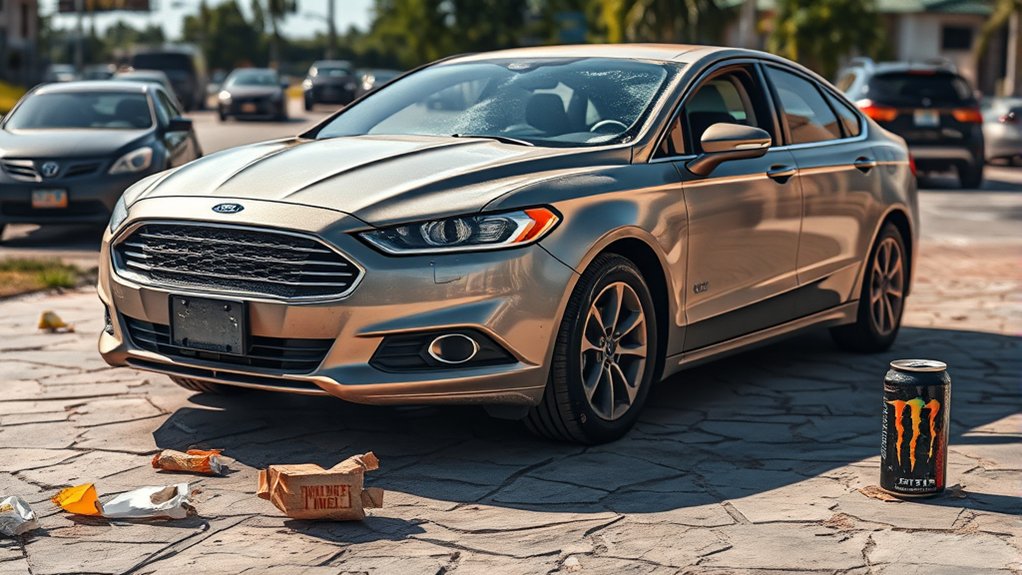
Hard driving habits can cut a Ford Fusion’s lifespan faster than most owners expect. You stress the engine, transmission, brakes, and suspension when you launch hard, brake late, or idle too long in traffic.
Aggressive throttle use raises heat and increases wear, while constant short trips prevent full operating temperature and add driving fatigue to your routine.
| Habit | Effect | Better choice |
|---|---|---|
| Hard acceleration | Higher load | Smooth throttle |
| Late braking | Faster pad wear | Anticipate stops |
| Aftermarket tuning | Extra stress | Stay within OEM limits |
If you want longer service life, keep speeds steady, let fluids warm up, and avoid repeated high-rpm runs. Small discipline gains add real mileage.
Common Ford Fusion Problems to Watch For
You should watch for transmission issues in a Ford Fusion, especially rough shifting, delayed engagement, or slipping under load.
You’ll also want to monitor the electrical system for warning lights, failing sensors, dead batteries, and intermittent accessory faults. Catching these problems early can help you prevent larger repairs and preserve the car’s lifespan.
Transmission Issues
How often do Ford Fusion transmission problems show up, and what should you watch for? You may notice transmission issues as slipping shifts, delayed engagement, harsh downshifts, or shuddering at low speeds.
If you ignore them, the gearbox can wear faster and hurt fuel economy.
- Check for hesitation when you move from park to drive.
- Watch for RPM flare between shifts under light acceleration.
- Listen for whining, clunking, or grinding during gear changes.
- Service the fluid on schedule and scan for stored fault codes.
You should address symptoms early, because worn clutch packs, valve body faults, or low fluid can escalate quickly. A prompt diagnosis lets you protect drivability, extend component life, and avoid expensive rebuilds.
Electrical Problems
Electrical issues can be just as disruptive as drivetrain faults, since a weak battery, failing alternator, bad sensors, or corroded wiring can trigger warning lights, cause intermittent no-starts, or disrupt power accessories. You should check battery health first, because low voltage can mimic larger faults and shorten component life.
On many Fusions, you may also see evap system codes from a loose gas cap, purge valve failure, or damaged hoses, which can raise emissions lights without affecting drivability. Inspect connectors for corrosion, verify charging output, and scan for stored faults before replacing parts.
If you ignore these symptoms, you can face repeated breakdowns, dead batteries, and hard-to-diagnose electrical glitches. Regular testing helps you keep the Fusion reliable longer.
Signs Your Ford Fusion Is Wearing Out
As a Ford Fusion ages, the first warning signs usually show up in how it drives, sounds, and starts to behave under load. You may notice slower acceleration, rough idling, or longer crank times.
Listen for suspension clunks, transmission shudder, and exhaust leaks, because these usually indicate wear. Check for generic rust on rocker panels, wheel arches, and the underbody; corrosion there can spread fast.
Watch fuel economy, too, since a sudden drop often points to sensor, tire, or engine efficiency issues.
- Hard starts or repeated misfires
- Steering play, vibration, or uneven tire wear
- Persistent fluid spots or burning smells
- Dashboard warnings that return after reset
How to Make a Ford Fusion Last Longer
To get the most life out of a Ford Fusion, stay ahead of wear with consistent maintenance and fast attention to small problems. You should change oil on schedule, use the correct viscosity, and replace filters before restriction builds.
Inspect coolant, brake fluid, transmission fluid, and power steering fluid regularly, topping off only with approved products. Rotate tires, maintain proper pressure, and align the suspension when you notice uneven wear.
Replace worn belts, hoses, plugs, and ignition coils promptly to avoid cascading failures. Drive gently, let the engine warm up, and avoid hard acceleration on cold components.
Keep the battery clean and test it annually. Skip any unrelated topic or off topic discussion; focus on repairs, service intervals, and documented maintenance.
Frequently Asked Questions
Does the Ford Fusion Hold Its Resale Value Well?
Not especially; you’ll usually see average resale value, not strong premium retention. Your best results come from smart resale timing, low mileage, and clear disposal considerations, since market demand and depreciation hit Fusions fairly hard.
Is the Ford Fusion Expensive to Insure?
Nope, you usually won’t get crushed by Ford Fusion insurance, unless you enjoy paying for flashy habits. Your insurance costs depend on trim, safety, driving record, and location; maintenance expenses stay fairly manageable too.
Which Ford Fusion Model Year Is Most Reliable?
You’ll usually find the 2012 to 2014 Ford Fusion models rank highest in reliability ranking and model year longevity, especially with the naturally aspirated 2.5L engine and maintained transmissions.
Can a Ford Fusion Tow a Small Trailer?
Yes, you can tow a small trailer with a Ford Fusion if you check tow hitch compatibility and stay within its rating.
You’ll also need to meet trailer braking requirements when the load exceeds limits.
Are Ford Fusion Parts Easy to Find?
Yes, you’ll usually find Ford Fusion parts easily; their wide availability helps you avoid delays. Although that unused topic may feel like an unrelated focus, you can source components from dealers, parts stores, and online suppliers.
Conclusion
You can expect your Ford Fusion to last around 200,000 to 250,000 miles if you stay on top of maintenance and drive it wisely. Change the oil, service the transmission, inspect brakes and cooling components, and fix small issues early.
If you neglect those basics, wear accelerates fast. Treat your Fusion like a precision machine, not disposable transport, and it’ll return the favor mile after mile.
Keep care consistent, and your sedan can keep going strong. With proper attention, your Ford Fusion can achieve impressive longevity and reliability.


