How Long Can a Ford Focus Last
As an Amazon Associate we earn from qualifying purchases.

A Ford Focus can often outlast the mileage most owners expect, but you probably don’t know that its lifespan depends more on maintenance history than the odometer. How long a Ford Focus lasts is largely determined by how well it is cared for over time.
If you keep up with fluids, cooling, brakes, and suspension wear, you can push it well past 150,000 miles, and sometimes near 200,000. Neglect those systems, and failures start stacking up fast.
The key factors that decide which outcome you get aren’t always obvious yet. Proper attention to these areas can make all the difference in extending your Ford Focus’s life.
Key Takeaways
- A well-maintained Ford Focus often lasts 150,000 to 200,000 miles, with some reaching even higher.
- Regular service for the engine, transmission, brakes, and cooling system is key to maximizing lifespan.
- Early models often reach 150,000 to 200,000 miles if rust, leaks, and worn parts are addressed promptly.
- Mid-generation Focus models commonly last 120,000 to 180,000 miles, depending on maintenance and drivetrain choice.
- Late-model Focus cars can also reach 150,000 to 200,000 miles, especially with proactive repairs and fluid care.
How Long Does a Ford Focus Last?
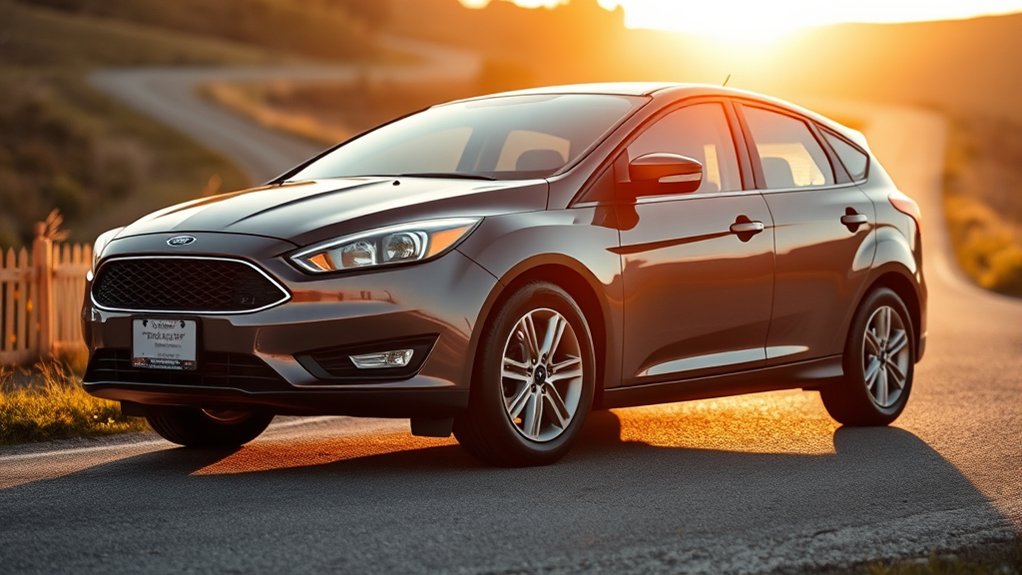
A Ford Focus can last well over 150,000 miles, and many well-maintained models reach 200,000 miles or more. You can extend that life by servicing the engine, transmission, brakes, and cooling system on schedule.
Use quality fluids, replace worn parts early, and fix warning lights fast. Your driving habits matter too: smooth acceleration, steady speeds, and avoiding short trips reduce wear.
If you keep up with maintenance, you’ll usually get strong value from the car even as it ages. Discontinued models may still be reliable, but parts availability can affect repair time and insurance costs.
Check the service history before you buy, then budget for upkeep, not just fuel.
Ford Focus Mileage by Model Year
Your Ford Focus’s mileage potential changes by model year, with early versions often showing solid durability when maintained well. Mid-generation models usually offer the best balance of wear resistance and high-mileage capability.
Late-model cars can last longer if you stay ahead of routine service and known issues. You should compare each year’s maintenance history, transmission type, and repair record to estimate realistic lifespan.
Early Model Durability
Early Ford Focus models often reach 150,000 to 200,000 miles when you keep up with routine maintenance, but durability varies by model year, engine, and transmission. In an old vs new comparison, early cars can feel simpler to service, yet they need tighter attention to fluids, cooling, and suspension wear.
If you inspect a used example, check for rough shifts, oil leaks, and uneven tire wear before you buy. Hatchback quirks can include rear hatch seal leaks and worn liftgate struts, so test them too.
You’ll usually get better life from a clean, lightly modified car with documented service than from one that’s been neglected. Rust control matters, especially in salt states, because corrosion shortens body and undercarriage life.
Mid-Generation Mileage
Mid-generation Ford Focus models often land in the 120,000 to 180,000-mile range, though maintenance history and drivetrain choice still make the biggest difference. If you service the engine and transmission on schedule, you can push past the average with fewer repairs.
You should watch for oil leaks, cooling-system wear, suspension bushing fatigue, and clutch or automatic transmission issues, depending on your trim. Good drivetrain longevity depends on fluid changes, clean filters, and avoiding hard use when components are cold.
You’ll also help the body last longer by focusing on rust prevention, especially around wheel arches, rocker panels, and underbody seams. For a mid-generation Focus, mileage matters less than how consistently you’ve protected high-wear parts and corrected small problems early.
Late-Model Longevity
Late-model Ford Focus years often reach 150,000 to 200,000 miles when you keep up with oil changes, coolant service, and transmission maintenance. You can push higher if you fix small leaks, replace worn mounts, and service the battery and brakes on schedule.
Mileage varies by model year: better-built 2016 to 2018 cars usually age more predictably than early dual-clutch versions. If your car needs major repair, an engine swap can restore useful life, but compare the cost to the vehicle’s value first.
Higher trims with luxury features don’t last longer by themselves; they only add parts that can fail. Track fuel economy, shifting feel, and compression tests so you can catch wear early and plan repairs before breakdowns occur.
What Shortens a Ford Focus’s Lifespan?
A Ford Focus’s lifespan drops fast when you skip routine maintenance, ignore warning lights, or let small problems turn into bigger mechanical failures. You’ll see a short lifespan when heat cycles, fluid neglect, and worn components pile up. That usually leads to costly repairs and downtime.
| Cause | Effect | Risk |
|---|---|---|
| Dirty oil | Engine wear | Low pressure |
| Worn brakes | Rotor damage | Reduced safety |
| Bad coolant | Overheating | Head gasket failure |
You also shorten service life by driving with misfires, transmission shudder, or suspension noise. These faults stress related systems and accelerate breakdowns. When you delay diagnosis, you turn manageable issues into expensive, repeated repairs that cut usable miles and reduce reliability.
How to Make Your Ford Focus Last Longer
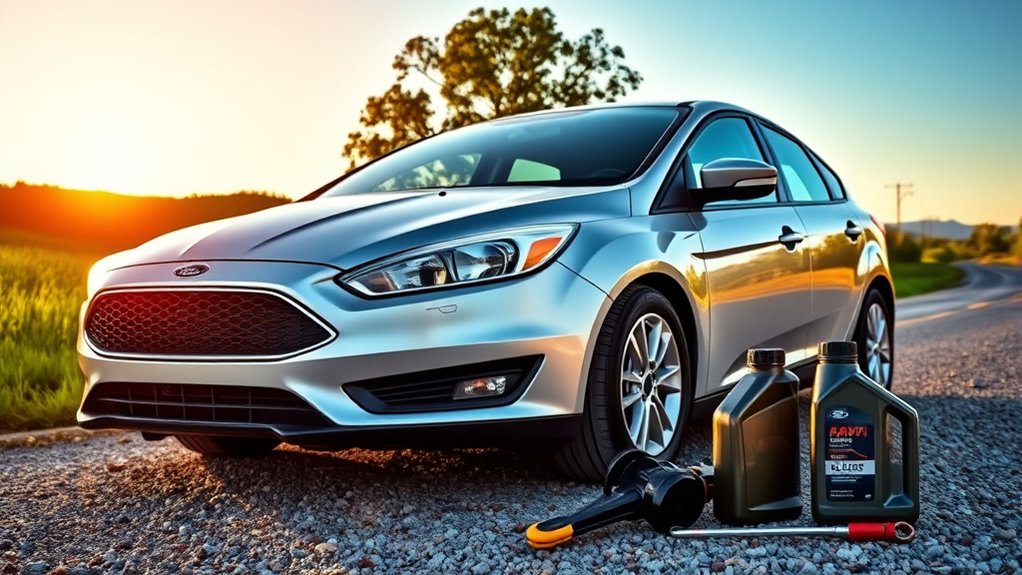
You can make your Ford Focus last longer by following the factory maintenance schedule for oil changes, filters, fluids, brakes, and belts.
You should also drive smoothly, avoiding hard acceleration, sudden braking, and prolonged high-RPM operation. If you notice a fault, get it repaired quickly so small issues don’t turn into major wear.
Regular Maintenance Schedule
Sticking to a regular maintenance schedule is one of the best ways to help a Ford Focus last longer, because timely service reduces wear and catches small problems before they turn into major repairs. You should change the oil and filter on schedule, inspect coolant, brake fluid, and transmission fluid, and replace worn belts and hoses before they fail.
Rotate tires, check alignment, and monitor tread depth to protect suspension parts and maintain even wear. Keep the battery, air filter, and fuel system clean so the engine runs efficiently and starts reliably.
Don’t ignore rust spots or chipped clear coat; preserving paint durability helps limit corrosion. Follow the owner’s manual for mileage-based intervals, and document every service so you can spot patterns early and plan repairs intelligently.
Smooth Driving Habits
Smooth driving habits can add years to your Ford Focus by reducing stress on the engine, transmission, brakes, and suspension. You should accelerate gradually, keep steady speeds, and anticipate traffic so you’re not braking hard or surging between gears. This lowers heat buildup and wear on driveline components.
Avoid high-RPM starts and long idling, since both waste fuel and increase carbon buildup. Keep your tires properly inflated and aligned, because stable rolling resistance supports unexpected fuel efficiency and more even tire rotation intervals.
When you cruise smoothly, the transmission shifts less abruptly and the suspension handles fewer jolts. Use engine braking on gentle descents, and don’t overload the car. These habits cut strain, improve control, and help your Focus last longer.
Prompt Repair Attention
Prompt repairs keep small Ford Focus issues from turning into expensive failures. When you fix leaks, warning lights, and worn brakes early, you protect the car’s low maintenance advantage and preserve fuel economy.
You should inspect belts, fluids, tires, and battery terminals at every service visit, then act fast on unusual noises, vibration, or shifting delays.
- Replace damaged hoses before they burst.
- Scan codes as soon as the check engine light appears.
- Service the cooling system before overheating starts.
- Repair suspension wear to prevent tire damage.
Quick attention limits downtime, reduces labor costs, and helps your Focus stay reliable longer. Track maintenance dates, use quality parts, and don’t postpone small jobs; delay usually turns simple fixes into major repairs.
Common Ford Focus Repairs by Mileage
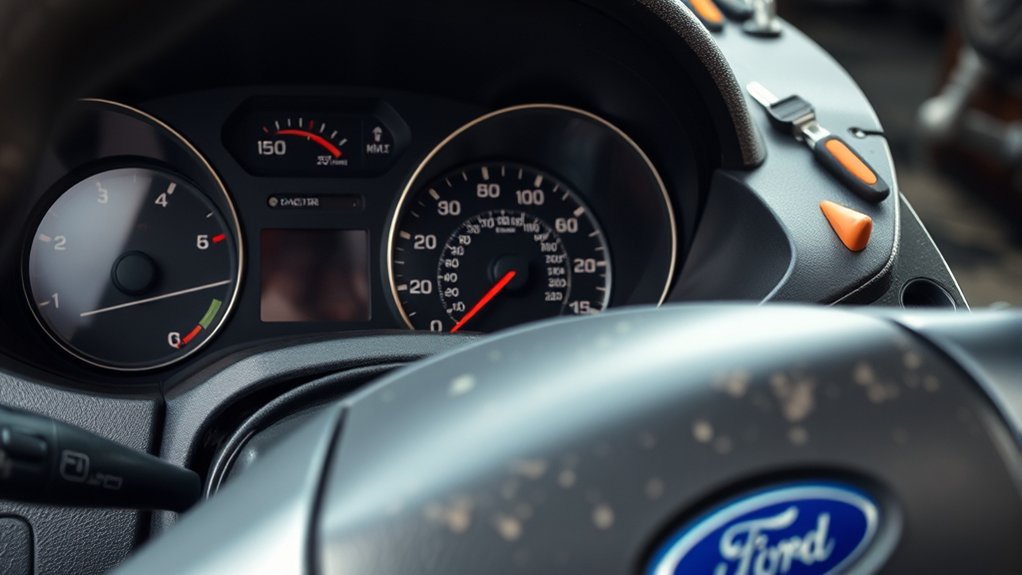
As your Ford Focus racks up mileage, certain repairs become more likely at predictable intervals. Around 60,000 miles, you may need spark plugs, air filters, and a coolant flush; these services support Focus reliability and help slow mileage depreciation.
Near 80,000 to 100,000 miles, expect suspension bushings, struts, wheel bearings, and brake components to wear. If you drive a manual, the clutch can need attention in this range.
Around 80,000 to 100,000 miles, suspension, brake, and clutch wear can start to show up.
By 100,000 to 120,000 miles, you should watch for thermostat, water pump, and accessory belt issues, plus aging hoses and seals. On higher-mileage cars, transmission service, motor mounts, and oxygen sensors often come next.
Follow the maintenance schedule, inspect fluid leaks, and replace worn parts before they trigger larger failures.
Signs Your Ford Focus Is Nearing the End
When your Ford Focus starts piling up expensive repairs, repeated warning lights, hard starts, slipping transmission behavior, coolant loss, or persistent engine noise, it’s often a sign the car is nearing the end of its practical life. You’ll usually see multiple systems failing at once, not just one isolated issue.
If engine repair costs keep rising, the car may no longer justify the fix. Watch for these red flags:
- Frequent overheating or fluid leaks
- Rough idle, misfires, or smoke
- Excessive tire wear from worn suspension
- Electrical faults that return after repair
If you notice these symptoms together, your Focus needs a serious cost check. At that point, reliability drops fast, and each trip can expose another hidden failure.
Should You Keep a Ford Focus Past 150,000 Miles?
Should you keep a Ford Focus past 150,000 miles? You can, if the car still passes inspections and maintenance stays current. At this mileage, focus on compression, transmission behavior, cooling performance, suspension wear, and oil consumption.
If repairs are limited to routine parts, keeping it often costs less than replacing it. Get a full pre-purchase-style inspection on your own vehicle: scan for codes, check fluid condition, and measure tire and brake wear.
If you face major engine, transmission, or rust issues, move on. Two word discussion ideas: repair costs, resale value, reliability trends. Subtopic irrelevant? Not here. Your decision depends on condition, service records, and total ownership cost.
If those numbers work, keep driving it.
Frequently Asked Questions
Does the Ford Focus Hold Its Value Well Over Time?
Not especially; you’ll usually see faster Focus depreciation than with rivals, though lower insurance cost can offset some ownership expense.
You should buy used, maintain it well, and expect modest resale value over time.
Is the Ford Focus Expensive to Insure?
Not usually. Your Ford Focus often costs less to insure than many compact cars. Why pay more?
Compare rates, trim, driver history, and location. Insurance myths can mislead you, so check true cost comparison first.
Which Ford Focus Trim Is the Most Reliable?
You’ll usually find the SE trim most reliable, because you get simpler equipment, fewer failure-prone options, and strong parts availability.
If you want durability, choose a well-maintained SE with regular service.
Can a Ford Focus Handle Long Highway Commutes?
Yes, you can use a Ford Focus for long highway commutes. With proper maintenance, many reach 150,000 miles or more.
You’ll get stable highway cruising, good fuel economy, and dependable daily commuting if you stay current on service.
Is the Ford Focus Good for First-Time Drivers?
Yes, you’ll likely find the Ford Focus good for first-time drivers: it’s easy to handle, safe, and efficient.
For first time ownership, use budget friendly tips like routine maintenance, tire checks, and gradual braking.
Conclusion
So, can your Ford Focus really make it past 150,000 miles? Yes—if you stay ahead of maintenance. You’ll extend its life by servicing fluids, brakes, cooling components, suspension parts, and the transmission before they fail.
Neglect, rust, and overheating shorten lifespan fast. If you hear new noises, see leaks, or notice shifting problems, act early. With consistent care, you can push your Focus well beyond 200,000 miles.
Ultimately, how long can a Ford Focus last depends on how well you maintain it. Regular upkeep is key to reaching high mileage milestones with your vehicle.


